Product collection names are more than internal labels. In an ecommerce store, they guide shoppers, support search engine visibility, shape merchandising decisions, and influence how easily customers understand what you sell. A clear naming convention helps create a store that feels organized, credible, and easy to navigate.
TL;DR: Product collection names should be clear, consistent, customer-focused, and easy to scale as your catalog grows. Use simple language that reflects how shoppers search and browse, while avoiding vague, overly clever, or duplicate labels. A strong convention improves navigation, SEO, internal workflows, and the overall professionalism of your ecommerce store.
Why collection naming conventions matter
Collections are often the backbone of an ecommerce site’s structure. They appear in menus, category pages, filters, promotional campaigns, internal reports, and sometimes in URLs. When collection names are inconsistent or unclear, shoppers may struggle to find what they need, staff may mismanage products, and search engines may interpret the store structure poorly.
A serious ecommerce operation benefits from naming rules because they create predictability. Customers should be able to move from “Women’s Jackets” to “Men’s Jackets” or from “Dining Tables” to “Coffee Tables” without having to decode entirely different naming styles. Consistency signals professionalism and reduces friction.

Start with the customer’s language
The best product collection names usually match the words customers already use. This means prioritizing familiar, descriptive terminology over internal jargon or branding language that only your team understands. For example, an artist may find that portfolios for artists is clearer and more relevant to their audience than a creative or branded term that potential customers would not naturally search for.
For example, a fashion retailer may internally refer to a line as “Core Essentials,” but customers are more likely to search for “Basic T Shirts,” “Everyday Tops,” or “Cotton Tees.” A furniture store may prefer “Occasional Seating,” but many shoppers will look for “Accent Chairs.” The collection name should reduce confusion, not create it.
Before deciding on conventions, review:
- Search queries from your site search and analytics tools.
- Customer support questions that reveal common product descriptions.
- Competitor category structures in your market.
- Keyword research for product types and buying intent.
- Customer reviews, where natural product language often appears.
Use a consistent structure
A naming convention should define how collection names are built. This is especially important for stores with large catalogs, multiple departments, or frequent seasonal campaigns.
Common structures include:
- Audience + product type: Women’s Shoes, Men’s Watches, Kids’ Backpacks.
- Product type + attribute: Leather Sofas, Waterproof Jackets, Organic Cotton Bedding.
- Use case + product type: Running Shoes, Office Desks, Travel Bags.
- Room or location + product type: Bedroom Lighting, Patio Furniture, Kitchen Storage.
- Season or campaign + product type: Summer Dresses, Holiday Gifts, Winter Coats.
The right structure depends on how customers shop. A fashion store may lead with audience or occasion, while a home goods store may lead with room or function. The key is to choose a pattern and apply it with discipline.
Balance SEO with readability
Collection names affect organic search performance, but they should never read like a list of keywords. A name such as “Women’s Black Leather Ankle Boots Comfortable Winter Shoes” may contain useful terms, but it is too crowded for navigation and may look unprofessional.
A better approach is to use a concise collection name, then support it with page titles, descriptions, headings, and on-page content. For example, the collection can be named Women’s Ankle Boots, while the page copy can naturally mention black leather styles, winter options, heel heights, and comfort features.
For SEO-friendly naming, follow these principles:
- Use the primary product term customers are likely to search.
- Keep names specific enough to distinguish collections.
- Avoid unnecessary adjectives unless they define the collection.
- Do not repeat the same keyword phrase across too many collections.
- Make sure names are readable in menus and on mobile screens.
Avoid vague or overly creative names
Brand personality matters, but collection names should not force customers to guess. Names such as “The Edit,” “Fresh Finds,” “The Vault,” or “Dream Mode” may work for a short promotional feature, but they are weak as primary collection labels unless supported by clear context.
If you use creative names, pair them with descriptive text. For example, “The Workwear Edit” is better than “The Edit,” and “Gifts Under $50” is more useful than “Little Luxuries.” Clarity should come first, especially in main navigation and search-driven landing pages.
A shopper who understands a collection name instantly is more likely to continue browsing. A shopper who has to interpret your naming system may leave before discovering the right products.
Plan for catalog growth
Many naming problems appear when a store expands. A small brand may begin with simple collections like “Tops,” “Bottoms,” and “Accessories.” As the catalog grows, those names may become too broad. Later, the team may add “Women’s Tops,” “New Tops,” “Summer Tops,” and “Best Tops,” creating overlap and confusion.
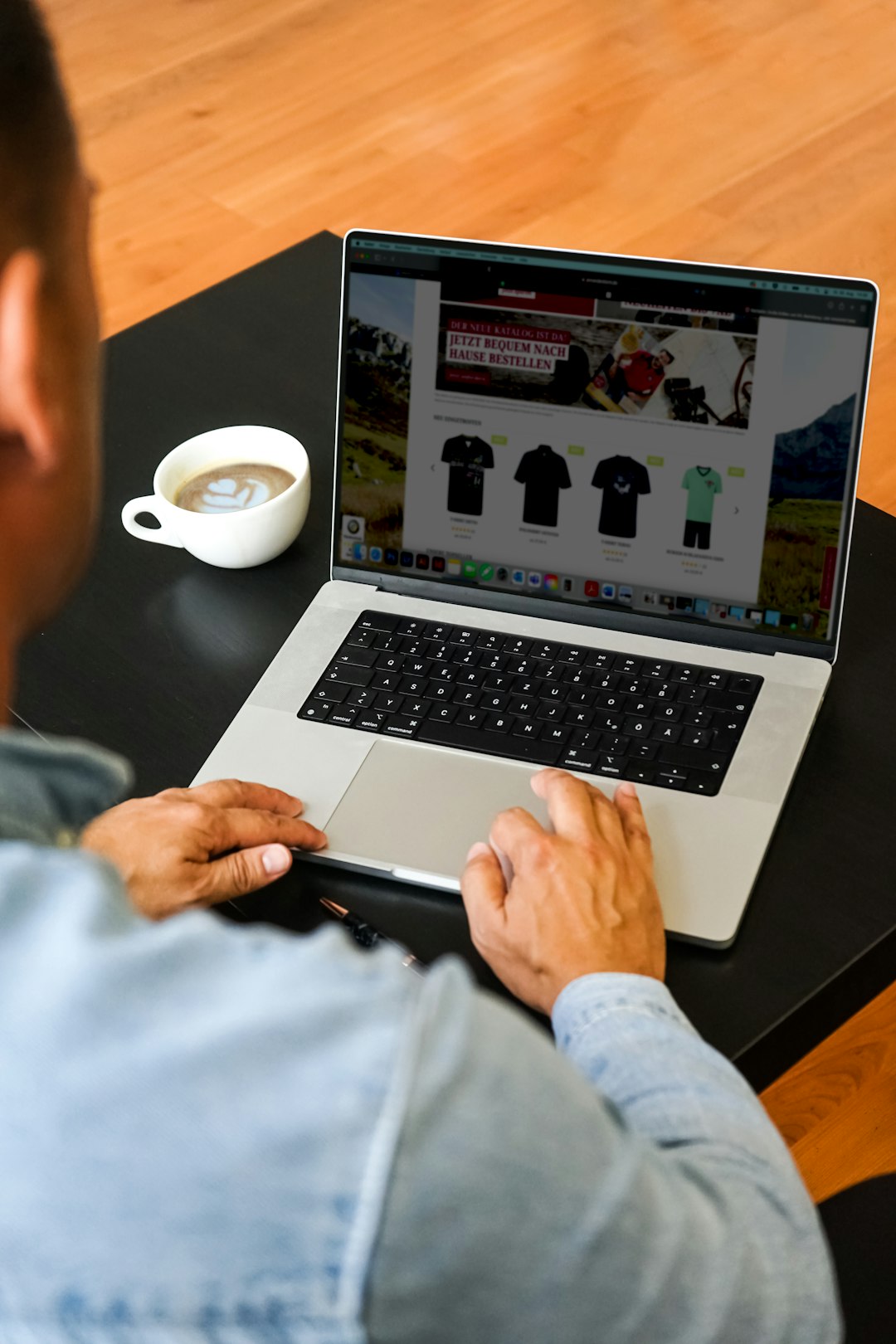
To prevent this, naming conventions should be designed for scale. Define the difference between permanent collections, seasonal collections, promotional collections, and automated collections. Permanent collections should have stable, descriptive names. Seasonal and promotional collections can be more flexible, but they should still follow rules.
For example:
- Permanent: Women’s Dresses, Men’s Sneakers, Dining Chairs.
- Seasonal: Summer Dresses, Winter Boots, Holiday Tableware.
- Promotional: Sale Dresses, Gifts Under $100, Clearance Furniture.
- Automated: New Arrivals, Best Sellers, Back in Stock.
Keep grammar, capitalization, and pluralization consistent
Small inconsistencies can make a store feel less polished. Decide whether collection names will use title case or sentence case, and apply the choice everywhere. Most ecommerce stores use title case for main collections because it looks clean in navigation: “Women’s Coats,” “Outdoor Furniture,” “Skin Care Sets.”
Pluralization also matters. Collection names usually work best in plural form because they represent groups of products. “Running Shoes” is more natural than “Running Shoe,” and “Coffee Tables” is more useful than “Coffee Table.” Exceptions may apply when the product type is normally uncountable, such as “Makeup,” “Luggage,” or “Jewelry.”
Document rules for punctuation as well. Decide how to handle ampersands, apostrophes, slashes, and hyphens. For example, using “Men’s Clothing” in one place and “Mens Clothing” in another creates inconsistency and may affect search, filters, and analytics.
Prevent duplication and overlap
Collections should be distinct. If you have “Women’s Activewear,” “Workout Clothes,” and “Gym Apparel,” customers may not understand the difference. Search engines may also struggle to determine which page is most relevant.
Overlap is not always avoidable, especially when products belong to multiple collections. However, collection names should make the purpose of each group obvious. “Women’s Activewear” can be a broad category, while “Running Clothes” and “Yoga Clothes” can be subcategories based on activity. This hierarchy is clearer than using three different names for nearly the same concept.
Create an internal naming guide
A written naming guide is essential for teams that manage products, marketing, merchandising, or content. It does not need to be complicated, but it should be clear enough that new collections are created consistently.
Your guide should include:
- Approved naming structures by department or product type.
- Rules for capitalization, pluralization, and punctuation.
- Examples of good and bad collection names.
- Guidelines for seasonal and promotional collections.
- SEO considerations and keyword usage standards.
- A review process before new collections go live.
Review names regularly
Collection naming is not a one-time task. Customer behavior changes, product lines evolve, and search trends shift. Review collection names at least twice a year, especially before major seasonal campaigns or site redesigns.
During a review, look for collections with low engagement, high bounce rates, unclear labels, or duplicated intent. Check whether shoppers are using site search for terms that should already be easy to find through navigation. Strong data can reveal where naming conventions need improvement.
Final thoughts
Effective product collection naming conventions combine clarity, consistency, customer insight, and long-term structure. They help shoppers navigate confidently, support organic search, and make internal operations more efficient. The best names are rarely the most clever; they are the ones that accurately describe the products, match customer expectations, and remain useful as the store grows.
For ecommerce stores that want to build trust, reduce friction, and present a professional shopping experience, disciplined collection naming is a practical and valuable investment.