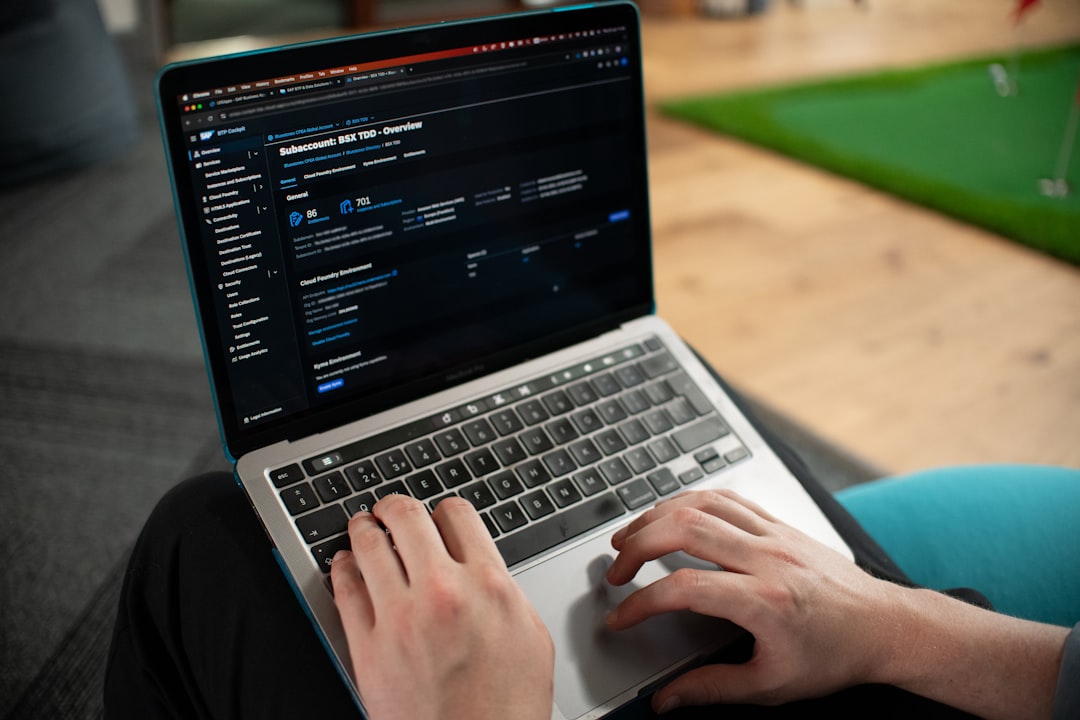
Once upon a time, cybersecurity work meant sitting in a quiet office, wearing a badge, and guarding networks like a digital castle. Now, many security pros do that same work from a kitchen table, a spare bedroom, or a tiny desk beside a very judgmental cat. Remote work has changed the field in a big way. Some changes are great. Some are tricky. Some come with snack crumbs in the keyboard.
TLDR: Working remotely in cybersecurity can be flexible, focused, and great for hiring talent from anywhere. It can also bring risks, such as weaker home networks, harder teamwork, and burnout. The best setup uses strong tools, clear rules, and good habits. Remote cybersecurity can work very well, but it needs care.
The Big Shift to Remote Cybersecurity Work
Cybersecurity is all about protecting data, systems, people, and businesses. That job does not always need a cubicle. Many tools live in the cloud. Many alerts arrive through dashboards. Many meetings happen on video calls.
Because of this, cybersecurity teams can often work from almost anywhere. A security analyst can review logs from home. A penetration tester can test systems from a secure lab setup. A risk manager can update policies while drinking coffee in slippers.
That sounds dreamy. And sometimes it is.
But cybersecurity is not like every other remote job. The stakes are high. A small mistake can expose private data. A weak home router can become a problem. A careless click can open the door to attackers.
So, remote cybersecurity is both a gift and a puzzle. Let us unpack it.

Pro: More Flexibility
One of the biggest perks is flexibility. Remote work can let people choose where they work. It can also help them plan their day better.
Need to start early? Maybe you can. Need a quiet hour for deep analysis? You may get it. Need to walk the dog between alert reviews? Perfect. The dog approves.
Cybersecurity can involve odd hours. Threats do not care about office schedules. Attackers do not say, “Oops, it is 5 p.m. Let us stop.” Remote work can make on-call duties easier. You can respond fast without driving to an office.
This flexibility can improve life outside work too. People can spend less time commuting. They can eat better lunches. They can see family more often. They can avoid traffic, which may be the true final boss.
Con: Work Can Follow You Everywhere
Flexibility has a shadow side. When your home is your office, work can sneak into every room.
An alert pops up during dinner. A message arrives during a movie. A quick check becomes two hours. Suddenly, your couch feels like a command center.
This can lead to burnout. Cybersecurity already has stress. There are constant threats. There are urgent incidents. There are never-ending patch lists.
Remote work can make it harder to “switch off.” There is no commute to mark the end of the day. There is no office door to close. Your laptop is right there, glowing like a tiny guilt machine.
To fix this, teams need boundaries. Workers need real breaks. Managers need to respect time off. On-call schedules should be fair and clear.
Pro: Access to More Talent
Remote work helps companies hire people from many places. This is a huge deal in cybersecurity. Skilled workers are in high demand. There are not enough of them.
If a company only hires near one office, it limits the search. If it hires remotely, it can find great people in other cities, states, or countries.
This can build stronger teams. Different people bring different ideas. They may know different threats. They may understand different laws, industries, and attack styles.
A wider talent pool also helps workers. A great analyst in a small town can work for a major company. A parent can choose a job that fits family life. A person with a disability may find remote work more accessible.
In cybersecurity, fresh thinking matters. Attackers are creative. Defenders need to be creative too.
Con: Communication Can Get Messy
Remote teams need strong communication. Without it, things get weird fast.
In an office, you can turn around and ask a quick question. Remotely, that question may become three chat messages, one missed call, and a meeting called “Quick sync.” Nothing about it is quick.
Cybersecurity work often needs fast teamwork. During an incident, people must know who is doing what. One person checks logs. Another isolates a machine. Another talks to leaders. Another prepares updates.
If communication is unclear, time is lost. And during an attack, time matters.
Remote teams need:
- Clear roles during incidents.
- Good documentation for repeat tasks.
- Simple chat channels for urgent issues.
- Regular drills so people know the plan.
- Calm leadership when things get spicy.
Good communication does not happen by magic. It must be built.
Pro: Better Focus for Deep Work
Cybersecurity needs focus. A lot of it.
Analysts review alerts. Engineers tune firewalls. Researchers study malware. Auditors read policies. Pen testers write reports. These tasks need quiet brains.
Remote work can help. There may be fewer office interruptions. No random desk visits. No loud meetings nearby. No person microwaving fish at noon. A true blessing.
Home can be a great place for deep work. A worker can set up a calm space. They can use noise-canceling headphones. They can block time for hard tasks.
When people can focus, they make fewer mistakes. In cybersecurity, fewer mistakes are very good.
Con: Home Networks Can Be Weak
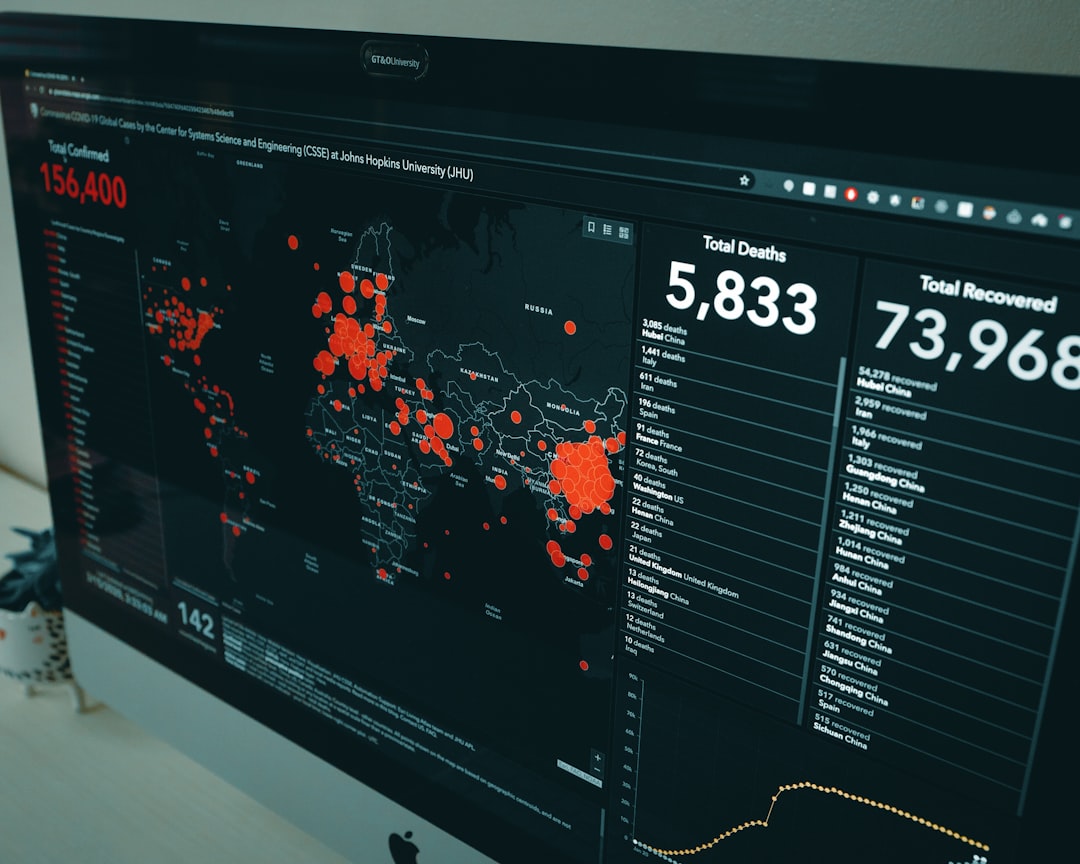
Here comes the big scary part. Remote cybersecurity work can create new attack paths.
Office networks often have strong controls. They may have enterprise firewalls, network monitoring, secure Wi-Fi, and managed devices. Home networks are often less fancy.
A home router may use an old password. A smart fridge may be on the same network as a work laptop. A child may download games from strange websites. A neighbor may still call the Wi-Fi “Pretty Fly for a Wi-Fi.”
These things can create risk.
Cybersecurity workers often access sensitive systems. If their home setup is weak, attackers may try to exploit it. That does not mean remote work is unsafe by default. It means security controls must travel with the worker.
Important protections include:
- Company-managed laptops with strong settings.
- Multi-factor authentication for every key system.
- VPN or zero trust access for secure connections.
- Endpoint detection tools to spot trouble fast.
- Regular updates for devices and software.
- Separate Wi-Fi for work and home gadgets.
Remote work must be treated like a real security design. Not a casual favor.
Pro: Cost Savings
Remote work can save money. Workers may spend less on gas, parking, meals, and office clothes. Goodbye stiff shoes. Hello comfortable socks.
Companies may also save. They may need less office space. They may spend less on utilities. They may reduce travel between offices.
These savings can be used in better ways. A company could invest in training. It could buy stronger security tools. It could improve employee wellness programs. It could finally replace that ancient ticketing system everyone hates.
Cost savings are not automatic, though. Remote teams still need support. They need equipment, software, secure access, and sometimes home office funds.
Saving money should never mean cutting corners on security.
Con: Training New People Can Be Harder
Cybersecurity has many moving parts. New team members need to learn tools, systems, rules, and team habits. In an office, they can watch and learn more naturally.
Remote onboarding can feel lonely. A new analyst may wonder, “Is this alert normal?” A new engineer may not know who owns a system. A junior worker may hesitate to ask questions.
This is dangerous because silence can hide confusion. Confusion can lead to mistakes.
Remote teams should create friendly training paths. They should pair new people with mentors. They should record walkthroughs. They should write simple guides. They should encourage questions, even the “small” ones.
In cybersecurity, there are no silly questions. Well, maybe “Can I disable the firewall forever?” But even that can become a lesson.
Pro: Happier Workers Can Mean Stronger Security
Happy people often do better work. That matters in cybersecurity. Tired, stressed, unhappy workers can miss alerts. They can rush tasks. They can make risky choices.
Remote work can support better balance. Some people sleep more. Some eat healthier. Some get more exercise. Some feel calmer without office noise.
This can lead to sharper thinking. It can also improve retention. Keeping skilled security workers is very important. Losing them means losing knowledge. It also means more hiring and training.
A stable team understands the environment better. They know what normal looks like. That helps them spot abnormal activity faster.
Con: Team Culture Can Fade
Remote work can feel lonely. Cybersecurity is serious work, but teams still need trust and humor. They need to know each other as people.
Without casual chats, culture can become thin. People may only talk during problems. That can make the job feel cold.
Managers should create space for connection. Not endless video calls. Please, no. But simple things help.
- Short team check-ins.
- Virtual coffee chats.
- Fun security quizzes.
- Celebrations after big wins.
- Kind messages after hard incidents.
A strong culture helps during crises. When people trust each other, they move faster. They share information. They stay calmer.
Pro: Remote Work Supports Global Security Operations
Cyber threats happen all day and night. A remote team can support global coverage more easily. Companies can hire people in different time zones. This helps with 24-hour monitoring.
Instead of one team working painful night shifts forever, work can be shared. A team in one region can hand off to another. This is called “follow the sun.” It sounds fancy. It also sounds like a vacation brochure. But it is useful.
Better coverage means faster response. Faster response can reduce damage.
Con: Legal and Compliance Issues Can Get Complicated
Remote work can cross borders. That can create legal questions. Where is data being accessed? Which privacy laws apply? Can a worker view certain records from another country? Are logs stored correctly?
Cybersecurity teams must think about compliance. This includes rules for industries like finance, healthcare, and government.
A remote setup should include clear policies. Workers need to know what data they can access and where. Companies need to control devices and locations. They must also audit access often.
This part is not very glamorous. No one makes an action movie about compliance spreadsheets. But it matters a lot.
How to Make Remote Cybersecurity Work Better
Remote cybersecurity can be excellent if it is planned well. It should not be a random mess of laptops, apps, and hope.
Here are smart habits:
- Use multi-factor authentication. Passwords alone are not enough.
- Keep devices updated. Old software is a welcome mat for attackers.
- Use secure access tools. VPNs, zero trust, and device checks help.
- Document everything. Good notes save time during trouble.
- Practice incident response. Drills make real events less chaotic.
- Set work boundaries. Rest is part of security.
- Train often. Threats change. People must keep learning.
- Build trust. Strong teams beat strong tools alone.
Also, make security simple for workers. If the secure way is too painful, people will look for shortcuts. Shortcuts can become risks. Good security should guide people, not punish them.
Who Thrives in Remote Cybersecurity?
Remote cybersecurity is great for people who are self-directed. They can manage time. They can communicate clearly. They can ask for help when needed.
It is also good for people who like quiet focus. If you enjoy solving puzzles alone, remote work may feel natural.
But it may be harder for people who need constant in-person energy. Some people learn best by sitting beside others. Some feel isolated at home. That is okay. There is no one perfect style.
The best companies offer options when possible. Some people may work fully remote. Some may work hybrid. Some may prefer an office. Flexibility should include different needs.
The Final Verdict
Working remotely in cybersecurity has big pros. It offers flexibility, focus, wider hiring, cost savings, and better global coverage. It can make life easier for many workers. It can also help companies build strong teams.
But it has real cons too. Home networks can be risky. Communication can get messy. Training can be harder. Burnout can grow quietly. Compliance can become complex.
The answer is not “remote is good” or “remote is bad.” The answer is remote must be done well.
With the right tools, rules, training, and culture, remote cybersecurity can be powerful. It can protect systems from anywhere. Even from a desk beside a cat. Even in fuzzy socks.
Just remember: the hackers are not taking a day off. So lock your screen, update your software, and maybe keep the snack crumbs away from the keyboard.