Running an online store is exciting because it lets you reach customers anywhere, launch products quickly, and build a brand without the overhead of a traditional retail space. But ecommerce also comes with risks that are easy to underestimate: damaged inventory, customer injuries, cyberattacks, chargebacks, product defects, shipping problems, and lawsuits. The best ecommerce business insurance helps online retailers and direct-to-consumer brands protect their finances, reputation, and ability to keep selling when something goes wrong.
TLDR: Ecommerce businesses usually need a mix of general liability, product liability, cyber liability, property coverage, and business interruption insurance. DTC brands that manufacture, import, or modify products should pay especially close attention to product liability protection. The “best” insurance depends on what you sell, where you sell it, your annual revenue, and whether you store inventory, hire employees, or use third-party logistics. Compare policies carefully, because cheap coverage can leave major gaps.
Why Ecommerce Insurance Matters
Many online retailers assume they are “low risk” because they do not operate a physical storefront. In reality, ecommerce brands face a unique blend of digital, logistical, and product-related risks. A customer can sue if a skincare product causes a reaction, a kitchen gadget catches fire, or a children’s product breaks and causes an injury. A hacker can steal customer data. A warehouse fire can destroy inventory days before a major launch. Even a simple shipping error can trigger expensive refunds, replacement costs, and reputational damage.
Insurance is not just a safety net; it is often a requirement for growth. Marketplaces, wholesalers, retail partners, lenders, and investors may ask for proof of coverage before working with you. For example, larger platforms may require product liability insurance once your sales reach a certain threshold. Retail buyers may also want to be named as an additional insured on your policy.
Key Types of Insurance for Online Retailers
The best ecommerce insurance package usually combines several policies. Each one covers a different kind of risk, so it is important to understand what you are buying.
1. General Liability Insurance
General liability insurance covers common third-party claims such as bodily injury, property damage, and certain advertising injuries. While ecommerce businesses have fewer in-person customer interactions, this coverage can still be important. For example, if a customer visits your office or pop-up event and gets injured, general liability may help cover legal costs and settlements.
It may also cover claims involving copyright infringement in advertising, depending on the policy terms. If your brand runs social media ads, influencer campaigns, or product photography, this can be valuable protection.
2. Product Liability Insurance
Product liability insurance is one of the most important policies for ecommerce and DTC brands. It helps protect your business if a product you sell causes injury, illness, or property damage. This applies whether you manufacture the product yourself, source it from a supplier, import it, or private-label it under your brand name.
Product liability is especially important if you sell:
- Beauty, skincare, and personal care products
- Supplements, food, beverages, or wellness products
- Baby, children’s, or pet products
- Electronics, appliances, or battery-powered goods
- Fitness equipment or outdoor gear
- Home goods, furniture, or kitchen tools
Even if your supplier is responsible for a defect, customers may sue your brand because your name is on the product. Product liability coverage can help pay for attorney fees, settlements, judgments, and related defense costs.
3. Cyber Liability Insurance
Ecommerce companies collect and process sensitive information, including customer names, addresses, emails, payment details, and order history. Even if you use a third-party payment processor, your store can still be vulnerable to phishing, malware, ransomware, credential theft, and data breaches.
Cyber liability insurance can help cover costs such as breach notifications, forensic investigations, legal fees, public relations support, credit monitoring, and business losses caused by cyber incidents. For brands that rely heavily on Shopify, WooCommerce, Amazon, TikTok Shop, or custom websites, cyber coverage is increasingly essential.
4. Commercial Property Insurance
If you own inventory, equipment, computers, packaging materials, photography gear, or warehouse supplies, commercial property insurance helps protect those physical assets. It can cover damage from events such as fire, theft, vandalism, some weather events, and other covered causes of loss.
This is important even if you operate from home. A standard homeowners or renters policy usually does not fully cover business inventory or equipment. If you store thousands of dollars of products in your garage, spare room, office, or storage unit, you may need separate business property coverage.
5. Business Interruption Insurance
Business interruption insurance, sometimes called business income insurance, helps replace lost income if your business has to pause operations because of a covered event. For example, if a fire damages your storage facility and you cannot ship orders for several weeks, this coverage may help replace lost profits and pay ongoing expenses.
For ecommerce brands, downtime can be extremely costly. Missed product launches, delayed holiday orders, and ad campaigns that cannot convert because inventory is unavailable can create a major financial hit. Business interruption coverage can help reduce that pressure.
Additional Coverage DTC Brands Should Consider
As your ecommerce business grows, basic coverage may not be enough. DTC brands often operate across multiple channels, including their own websites, online marketplaces, wholesale accounts, pop-ups, retail partnerships, and subscription programs. That complexity creates additional insurance needs.
Professional Liability Insurance
If your business provides advice, consulting, customization, design services, coaching, or recommendations, professional liability insurance may be useful. For instance, a nutrition brand that offers wellness guidance or a fitness brand that provides training plans could face claims if customers believe the advice caused harm.
Workers’ Compensation Insurance
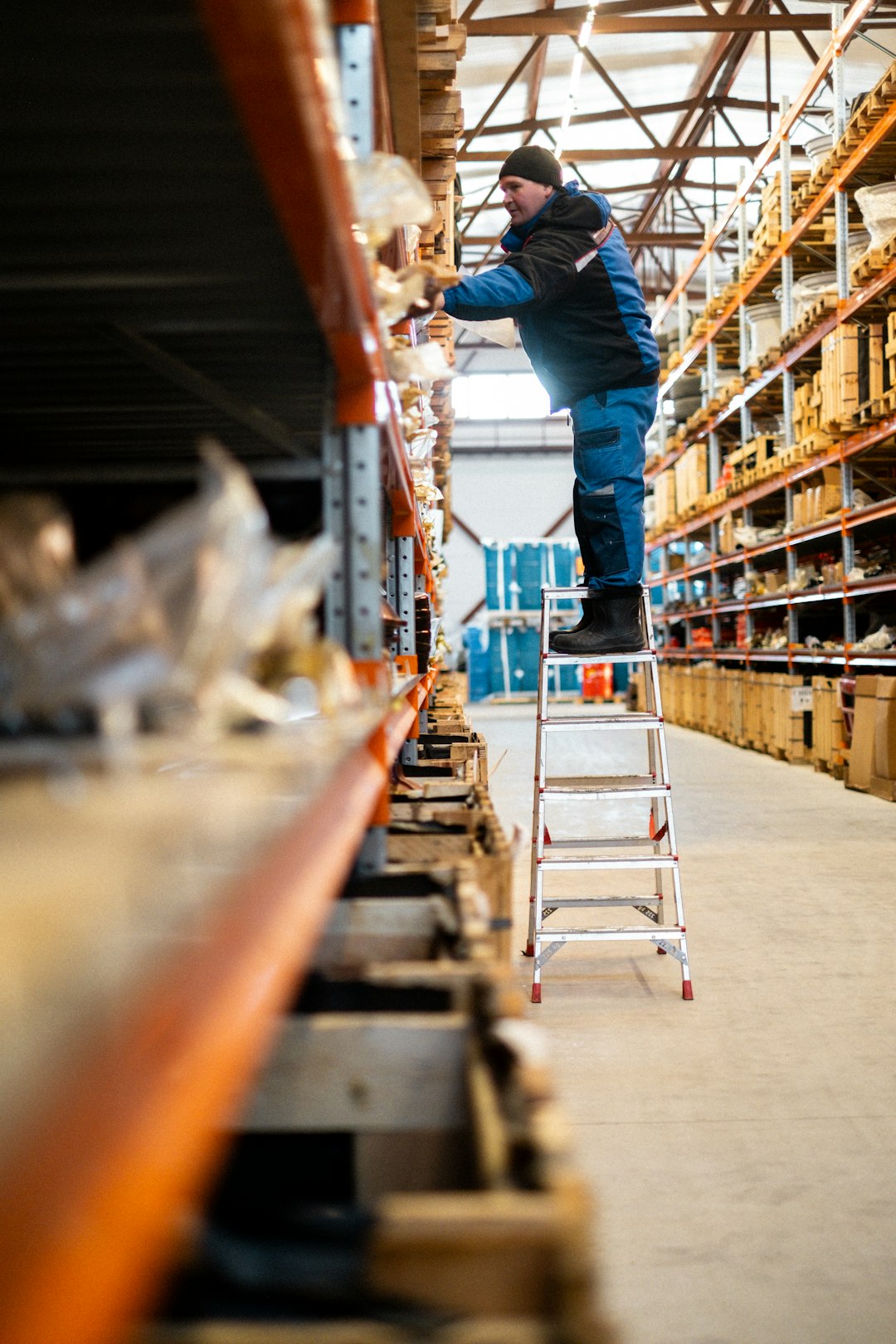
If you have employees, most states require workers’ compensation insurance. It helps cover medical expenses and lost wages if an employee is injured on the job. This can apply to warehouse workers, customer service staff, fulfillment teams, office employees, and even remote workers in some situations.
Commercial Auto Insurance
If your business owns vehicles or regularly uses cars, vans, or trucks for deliveries, supplier pickups, or events, you may need commercial auto insurance. Personal auto policies often exclude business-related driving, which can leave you exposed after an accident.
Marine and Transit Insurance
Ecommerce depends on movement: products travel from manufacturers to warehouses, from warehouses to customers, and sometimes back again as returns. Inland marine or transit coverage can help protect goods while they are being transported. This is especially useful for brands importing expensive products or shipping high-value inventory between facilities.
What Makes an Ecommerce Insurance Provider “Best”?
There is no single best insurance company for every online retailer. The right provider depends on your business model, product category, claims risk, and budget. However, the best ecommerce business insurance providers usually share several qualities.
- Industry-specific underwriting: They understand ecommerce risks, online marketplaces, product sourcing, and DTC operations.
- Product liability expertise: They can cover higher-risk categories such as cosmetics, supplements, electronics, or children’s products.
- Flexible limits: They offer coverage that can scale from a small startup to a fast-growing brand.
- Fast certificates of insurance: They make it easy to provide proof of coverage to marketplaces, landlords, partners, or retailers.
- Cyber options: They include or offer strong cyber liability protection.
- Clear exclusions: They explain what is not covered, so you are not surprised during a claim.
- Responsive claims support: They have a reputation for handling claims efficiently and fairly.
How Much Does Ecommerce Business Insurance Cost?
Insurance costs vary widely. A small online shop selling low-risk handmade accessories may pay a few hundred dollars per year for basic coverage. A high-growth DTC brand selling supplements, electronics, or baby products may pay several thousand dollars, especially if it needs higher product liability limits.
Factors that influence ecommerce insurance premiums include:
- Product type: Higher-risk products cost more to insure.
- Annual revenue: More sales usually mean more exposure to claims.
- Manufacturing and sourcing: Importing or private labeling can increase liability risk.
- Claims history: Past claims may raise premiums.
- Coverage limits: Higher limits cost more but provide better protection.
- Deductibles: Higher deductibles may reduce premiums.
- Storage and fulfillment: In-house warehousing may require more property and workers’ compensation coverage.
A common starting point for many ecommerce businesses is a business owner’s policy, or BOP, which typically bundles general liability and commercial property coverage. However, a BOP may not include enough product liability or cyber coverage, so it should be customized carefully.
Insurance Needs by Ecommerce Business Type
Different online retail models have different risk profiles. A print-on-demand shop does not have the same exposures as a supplement brand or electronics importer.
Small Online Retailers
Small retailers should usually start with general liability, product liability, and property coverage if they hold inventory. If customer data is collected through a website or email platform, cyber insurance is also worth considering.
DTC Brands
DTC brands need stronger product liability coverage because they are often the visible owner of the customer relationship and product experience. If you use contract manufacturers, review supplier agreements and make sure you are included as an additional insured where appropriate.
Amazon, Etsy, and Marketplace Sellers
Marketplace sellers may need insurance to comply with platform rules. Amazon, for example, has insurance requirements for sellers who reach certain sales levels. Sellers should confirm that their policy names the correct entities and meets marketplace specifications.
Dropshipping Businesses
Dropshippers sometimes assume they do not need insurance because they never touch the product. That is risky. If a product causes harm, customers may still bring claims against the seller. Product liability coverage remains important, especially when sourcing from overseas suppliers.

How to Choose the Right Policy
Choosing ecommerce insurance is not just about finding the lowest price. A cheaper policy may exclude your product category, limit coverage for imported goods, or fail to cover claims from certain marketplaces. Before buying, gather details about your revenue, product ingredients or materials, suppliers, manufacturing processes, storage locations, and sales channels.
When comparing quotes, ask these questions:
- Does the policy cover all products I sell?
- Are imported, private-label, or white-label products included?
- What are the product liability limits?
- Does the policy cover legal defense costs inside or outside the limit?
- Are cyberattacks, data breaches, and ransomware covered?
- Is inventory covered at home, in storage, in transit, and at third-party warehouses?
- Are marketplace and retail partner requirements satisfied?
- What exclusions could affect my business?
It is also wise to work with an insurance broker or agent who understands ecommerce. They can help identify coverage gaps, negotiate terms, and recommend carriers that are comfortable with your product category.
Common Mistakes to Avoid
One of the biggest mistakes online retailers make is waiting too long to buy coverage. Insurance is easiest to obtain before you have a claim, lawsuit, or product complaint. Another mistake is assuming supplier insurance protects your brand. While supplier coverage is helpful, it may not defend you directly unless your agreements and certificates are properly structured.
Brands also sometimes underinsure inventory. If you stock up before Black Friday, a product launch, or a seasonal rush, your coverage limits should reflect peak inventory values, not average levels. Finally, do not ignore exclusions. Policies may exclude certain ingredients, countries, marketplaces, product uses, or advertising claims.
Final Thoughts
The best ecommerce business insurance for online retailers and DTC brands is coverage that matches the real risks of how you sell, what you sell, and where your products go. At minimum, most brands should consider general liability, product liability, cyber liability, commercial property, and business interruption coverage. More complex businesses may also need workers’ compensation, transit coverage, professional liability, or commercial auto insurance.
Good insurance does more than satisfy a marketplace requirement. It protects the business you are building, gives partners confidence, and helps you recover faster when unexpected problems occur. Ecommerce moves quickly, but risk moves just as fast. The right policy lets you grow with more confidence, knowing that one defective product, cyber incident, or warehouse disaster is less likely to derail your brand’s future.