
Businesses run on relationships, but not all relationships are managed in the same way. A company may need to track sales conversations with customers, coordinate partnerships with vendors, monitor investor communications, and manage internal stakeholder expectations. This is where two often-confused concepts come in: CRM and ERM. While they sound similar, they serve different business purposes and support different types of relationships.
TLDR: CRM, or Customer Relationship Management, focuses specifically on managing interactions with customers and prospects, usually to improve sales, marketing, and service. ERM, or Enterprise Relationship Management, takes a broader view and manages relationships across the entire organization, including partners, suppliers, employees, investors, and other stakeholders. In simple terms, CRM is customer-centered, while ERM is organization-wide.
What Is CRM?
CRM stands for Customer Relationship Management. It refers to the strategies, processes, and software companies use to manage customer data, sales pipelines, marketing campaigns, support tickets, and customer communication. The main goal of CRM is to help a business understand its customers better and create more profitable, long-lasting relationships with them.
A CRM system typically stores information such as contact details, purchase history, previous conversations, customer preferences, support issues, and sales opportunities. Sales teams use CRM tools to track leads, marketing teams use them to segment audiences, and customer service teams use them to resolve issues faster.
For example, if a software company wants to know which prospects downloaded a white paper, attended a webinar, and then requested a demo, the CRM records that journey. The sales team can then follow up with the right message at the right time.

What Is ERM?
ERM stands for Enterprise Relationship Management. It is a broader approach to managing relationships across the entire enterprise, not just with customers. ERM covers the many connections a business depends on, including suppliers, distributors, strategic partners, investors, regulators, employees, contractors, community groups, and sometimes customers as well.
ERM is especially useful for organizations that operate in complex ecosystems. Large enterprises, nonprofits, government agencies, universities, healthcare systems, and multinational companies often need to coordinate many different stakeholder groups. In these environments, relationship management is not only about closing deals; it is also about reducing risk, improving collaboration, maintaining compliance, and aligning people around shared goals.
For instance, a global manufacturer may need to manage relationships with raw material suppliers, logistics providers, government agencies, retail partners, and internal teams across several countries. ERM helps connect those relationships so leaders can see the bigger picture.
The Core Difference: Scope
The most important difference between ERM and CRM is scope. CRM focuses on one specific relationship category: customers and prospects. ERM focuses on the full range of relationships that affect the organization.
- CRM scope: Customers, leads, prospects, accounts, sales opportunities, and service requests.
- ERM scope: Customers, employees, partners, vendors, investors, regulators, communities, and other stakeholders.
Think of CRM as a specialized tool for revenue-related relationships. ERM is more like a strategic relationship framework for the entire organization. CRM may be part of an ERM approach, but ERM is usually wider than CRM.
Different Goals and Outcomes
CRM and ERM also differ in what they are designed to achieve. A CRM system is usually tied closely to sales growth, customer retention, and service quality. Its success is measured through metrics such as conversion rates, deal size, customer lifetime value, churn rate, and response time.
ERM, on the other hand, supports broader organizational goals. These may include strategic alignment, operational efficiency, risk management, stakeholder trust, partner performance, regulatory compliance, and internal collaboration. ERM is often less about one transaction and more about the health of the organization’s relationship network.
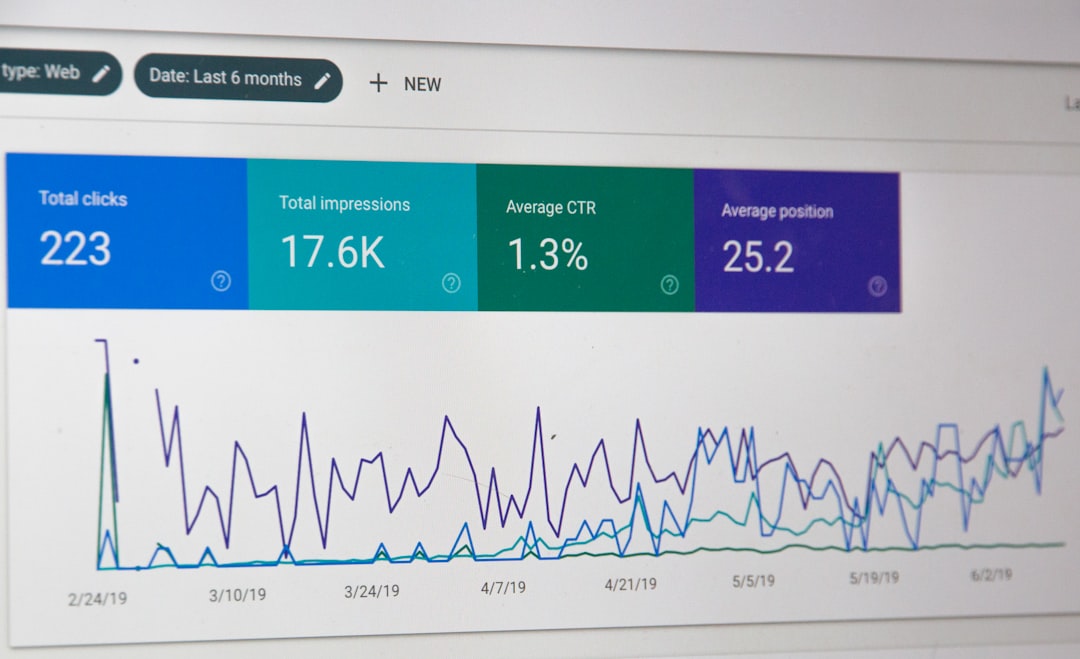
Data Managed in CRM vs ERM
A CRM system usually contains customer-specific data. This includes contact information, sales notes, email history, meeting records, support conversations, marketing engagement, and purchase behavior. The data is often structured around the customer journey, from awareness to purchase to loyalty.
ERM data is more diverse. It may include vendor contracts, partner agreements, employee expertise, stakeholder influence maps, compliance documentation, investor communications, project responsibilities, and organizational connections. ERM data is often used to understand how different relationships affect each other.
For example, a delay from a supplier may affect customer delivery timelines, which may then affect sales promises and support workload. ERM helps connect those dots across departments.
Who Uses CRM?
CRM is most commonly used by customer-facing teams. These include:
- Sales teams tracking leads, opportunities, proposals, and deals.
- Marketing teams managing campaigns, audience segments, and lead nurturing.
- Customer support teams handling questions, complaints, and service requests.
- Account managers maintaining relationships with existing customers.
- Executives reviewing revenue forecasts and customer performance metrics.
Because CRM is focused and practical, it is commonly used by organizations of nearly every size, from small businesses to large enterprises.
Who Uses ERM?
ERM is often used by leadership teams and departments that coordinate complex stakeholder networks. These may include:
- Executive leadership managing strategic partnerships and organizational priorities.
- Procurement teams overseeing supplier and vendor relationships.
- Human resources managing employee relationships, talent networks, and internal communication.
- Legal and compliance teams monitoring regulatory and contractual obligations.
- Investor relations coordinating communications with shareholders and financial stakeholders.
- Operations teams aligning external partners with internal processes.
ERM is generally more common in larger or more complex organizations, although smaller companies can still benefit from ERM thinking as they grow.
Technology Differences
CRM software is usually built around pipelines, contacts, accounts, campaigns, and service cases. It often integrates with email platforms, marketing automation tools, ecommerce systems, customer support platforms, and analytics dashboards. The interface is commonly designed for quick updates, follow-ups, and customer communication.
ERM technology may be more customized and cross-functional. It can include relationship mapping tools, project management systems, supplier management platforms, knowledge bases, contract management software, internal directories, and business intelligence dashboards. Rather than focusing only on customer activity, ERM tools help organizations understand how many relationship types interact across the enterprise.

CRM Is Often Operational; ERM Is Often Strategic
Another useful way to compare the two is to look at their level of use. CRM is often operational. It helps teams answer immediate questions: Who should we call next? Which leads are ready to buy? What support issues are unresolved? Which customers are at risk of leaving?
ERM is often more strategic. It helps answer broader questions: Which stakeholder relationships are most critical to our success? Where are we exposed to risk? Which partners support our long-term goals? How can departments collaborate more effectively around shared relationships?
That said, the two can overlap. A mature CRM strategy can support enterprise-wide thinking, and an ERM program may include customer relationship data as one important component.
Can a Business Use Both?
Yes, and many organizations should. CRM and ERM are not enemies; they are complementary. A company may use CRM to optimize customer acquisition and retention while using ERM principles to manage the broader relationship environment that makes customer success possible.
Consider a healthcare organization. Its CRM might track patient inquiries, appointment communication, and satisfaction surveys. Its ERM approach might also manage relationships with doctors, insurers, suppliers, regulators, donors, and community partners. Without CRM, the organization may struggle with patient engagement. Without ERM, it may miss the larger network of relationships that affects service delivery.
Which One Do You Need?
If your main challenge is attracting leads, closing sales, improving customer service, or understanding buyer behavior, CRM is likely the right starting point. It gives structure to customer-facing work and helps teams become more consistent and efficient.
If your challenge involves many stakeholder groups, cross-department coordination, partnership risk, supplier dependence, or organizational complexity, ERM may be the better framework. It helps leadership see relationships as enterprise assets rather than isolated contact lists.
In practice, the best choice depends on your organization’s size, goals, and relationship complexity. A growing business may begin with CRM and gradually adopt ERM practices as its network expands. A large enterprise may need both from the start.
Final Thoughts
The difference between ERM and CRM comes down to focus. CRM manages customer relationships to improve sales, marketing, and service outcomes. ERM manages enterprise relationships to improve collaboration, resilience, and strategic performance. CRM is narrower but highly actionable; ERM is broader and more holistic.
Understanding this distinction helps businesses choose better systems, design smarter processes, and avoid treating every relationship as if it were the same. Customers matter enormously, but they are only one part of the network that keeps an organization moving. ERM zooms out to show that full network, while CRM zooms in to help businesses serve and sell to customers more effectively.