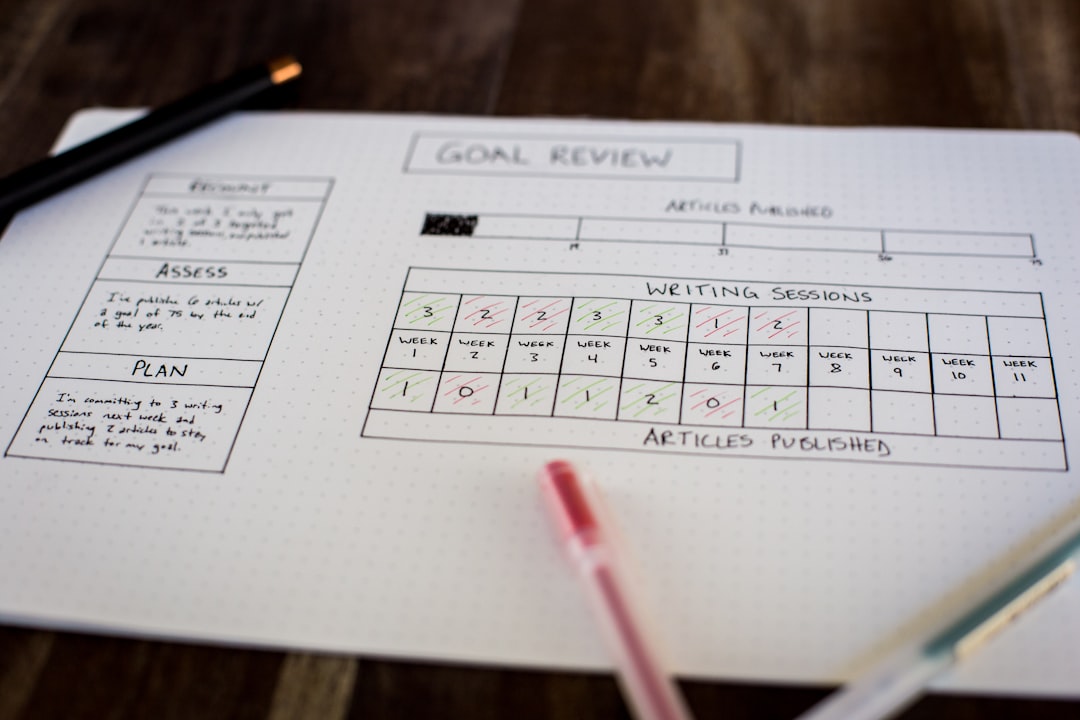
In research, surveys, testing, and reporting, raw data rarely explains itself. A tabulation plan helps a research team decide how collected data will be organized, counted, compared, and presented before analysis begins. It acts as a practical bridge between a questionnaire, dataset, or evaluation form and the final tables that appear in reports, dashboards, or presentations.
TLDR: A tabulation plan is a structured outline that shows how data will be summarized in tables. It defines the variables, response categories, cross tabulations, filters, totals, and statistics needed for analysis. A good plan reduces confusion, prevents missing tables, and helps researchers produce consistent, accurate reporting.
What Is a Tabulation Plan?
A tabulation plan is a document that specifies how data should be converted into tables for analysis and reporting. It tells analysts which questions, variables, segments, and calculations must appear in the final output. In survey research, it often maps each questionnaire item to a corresponding table, showing whether the result should be displayed as a frequency count, percentage, mean score, ranking, or cross tabulation.
For example, if a customer satisfaction survey asks respondents to rate service quality, a tabulation plan may state that the result should be shown as:
- Frequency: Number of respondents selecting each rating
- Percentage: Share of respondents in each rating category
- Mean score: Average satisfaction rating
- Cross tabulation: Rating by age group, region, or customer type
The plan is usually prepared before data processing begins. This timing is important because it allows the research team to identify missing variables, unclear response categories, or unnecessary analysis before time is spent creating tables.

Why a Tabulation Plan Is Important
A tabulation plan gives structure to the analysis process. Without it, analysts may create tables inconsistently or overlook important comparisons. In larger studies, different team members may interpret the same data differently unless a shared plan exists.
The main benefits include:
- Clarity: It defines exactly what tables are required.
- Efficiency: It reduces repeated instructions and revisions.
- Consistency: It ensures the same logic is applied across all tables.
- Accuracy: It helps identify required filters, bases, and calculations.
- Better reporting: It connects data analysis with business or research objectives.
In fields such as market research, social science, health research, employee engagement, and academic studies, a tabulation plan is especially useful because stakeholders often need results broken down by meaningful groups. These may include gender, location, department, income level, purchase behavior, or treatment group.
Key Elements of a Tabulation Plan
A complete tabulation plan usually includes several standard components. The exact format may vary depending on the project, but most plans contain the following elements:
- Table number: A unique reference number for each table.
- Question or variable name: The survey question, dataset field, or measurement being analyzed.
- Table title: A clear description of what the table will show.
- Base: The group of respondents or records included in the table.
- Rows: The response options, categories, or values displayed vertically.
- Columns: The comparison groups, such as age, region, or customer type.
- Statistics: Counts, percentages, averages, medians, or other measures.
- Filters: Conditions that determine which records are included.
- Notes: Special instructions, such as handling missing data or multiple responses.
These components make the plan easier for analysts, researchers, and stakeholders to review. They also reduce the risk of producing tables that look correct but use the wrong base or exclude important groups.
Basic Tabulation Plan Template
The following template can be adapted for surveys, operational data, academic research, or program evaluation:
| Table No. | Question or Variable | Table Title | Base | Rows | Columns | Statistics | Filters or Notes |
|---|---|---|---|---|---|---|---|
| T1 | Q1 Gender | Respondent Profile by Gender | All respondents | Gender categories | Total | Count, percentage | Exclude missing responses |
| T2 | Q5 Satisfaction | Overall Satisfaction Rating | All respondents | Rating scale | Region | Count, percentage, mean | Use 1 to 5 scale |
This template can be expanded with additional columns, such as chart type, significance testing, weighting instructions, or output format. For complex projects, the plan may also include coding instructions and derived variables.
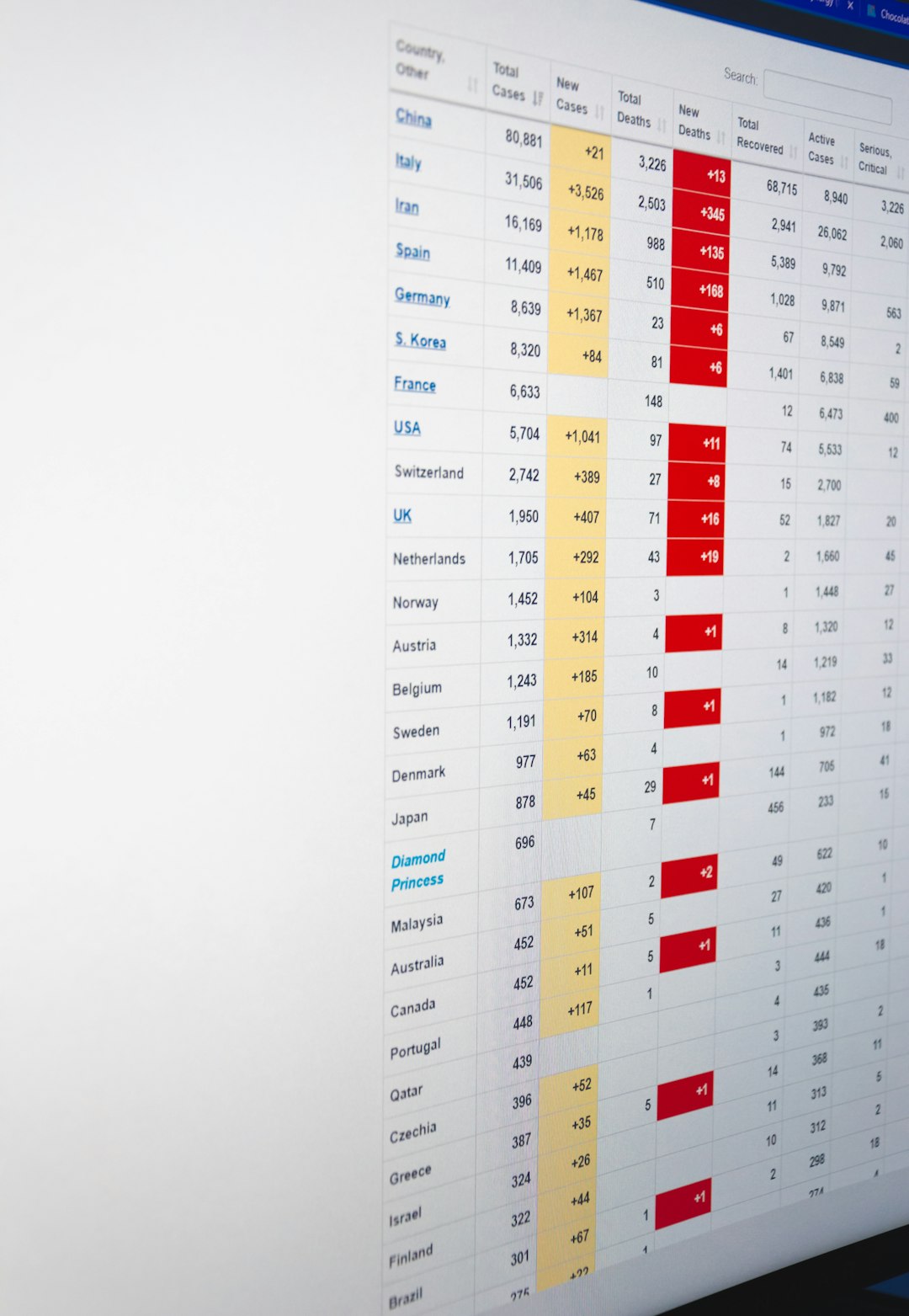
Example 1: Customer Satisfaction Survey
A company conducts a survey to understand how customers feel about its support team. The questionnaire includes satisfaction ratings, issue type, waiting time, and customer segment. A tabulation plan might include:
- Table 1: Customer profile by segment, using counts and percentages.
- Table 2: Overall satisfaction score by region, using mean and percentage distribution.
- Table 3: Satisfaction by issue type, using cross tabulation.
- Table 4: Waiting time category by satisfaction rating.
- Table 5: Recommendation likelihood by customer segment.
This plan helps the company identify whether certain regions, customer types, or issue categories are linked to lower satisfaction. Instead of reviewing all responses one by one, decision makers receive structured tables that highlight meaningful patterns.
Example 2: Employee Engagement Study
An organization may conduct an employee engagement survey with questions about leadership, workload, recognition, compensation, and career growth. The tabulation plan may specify that results should be shown by department, job level, and tenure.
One table may show the average score for “I feel valued at work” across departments. Another may show the percentage of employees who agree or strongly agree with statements about career development. A third table may compare engagement scores between employees with less than one year of service and those with more than five years.
In this example, the tabulation plan prevents the report from becoming a general summary only. It ensures that important internal differences are visible while still protecting confidentiality if small groups are combined or suppressed.
Example 3: Public Health Research
In a public health study, researchers may collect data on age, symptoms, vaccination status, health outcomes, and location. A tabulation plan can define how these variables should be grouped and analyzed. For instance, age may be grouped into categories such as 18 to 29, 30 to 44, 45 to 59, and 60 or older.
The plan may include tables showing symptom frequency by age group, hospitalization rate by vaccination status, and outcome by pre-existing condition. It may also specify whether percentages should be calculated by row, by column, or by total population. This distinction matters because different percentage bases can lead to different interpretations.

Best Practices for Creating a Tabulation Plan
A strong tabulation plan is not simply a list of tables. It reflects the purpose of the study and the decisions that the data must support. Research teams often follow these best practices:
- Begin with research objectives: Every table should answer a relevant question.
- Use clear table titles: A title should explain the content without requiring extra context.
- Define the base carefully: Analysts should know exactly who or what is included.
- Separate single response and multiple response items: These require different calculation rules.
- Document missing data treatment: Missing, refused, and “not applicable” responses should be handled consistently.
- Limit unnecessary cross tabulations: Too many tables can make reporting harder to interpret.
- Review the plan before analysis: Stakeholders should approve the structure before tables are generated.
Common Mistakes to Avoid
Several issues can reduce the usefulness of a tabulation plan. One common mistake is failing to specify the base for each table. For example, a table about product usage should not include respondents who never used the product unless the plan intentionally requires it.
Another mistake is creating too many comparison groups. When every question is crossed with every demographic variable, the result may be hundreds of tables with little practical value. A focused plan is usually more useful than an oversized one.
Finally, unclear labels can confuse readers. Response categories, scale directions, and grouped values should be described plainly. If a score of 1 means “very dissatisfied” and 5 means “very satisfied,” that meaning should be documented.
FAQ
What is the purpose of a tabulation plan?
The purpose of a tabulation plan is to guide how data will be summarized, compared, and presented in tables. It helps ensure that analysis is accurate, consistent, and aligned with research objectives.
Who prepares a tabulation plan?
A tabulation plan is usually prepared by a researcher, data analyst, survey manager, or project lead. In larger projects, it may be reviewed by stakeholders before analysis begins.
Is a tabulation plan only used for surveys?
No. Although it is common in survey research, it can also be used for administrative data, employee studies, clinical research, academic projects, and business reporting.
What is the difference between a tabulation plan and a data analysis plan?
A tabulation plan focuses mainly on table structure, variables, bases, and summary statistics. A data analysis plan is often broader and may include hypotheses, statistical models, testing methods, and interpretation strategies.
What makes a good tabulation plan?
A good tabulation plan is clear, organized, complete, and connected to the study goals. It defines each table, its base, its variables, and any special instructions needed for accurate reporting.