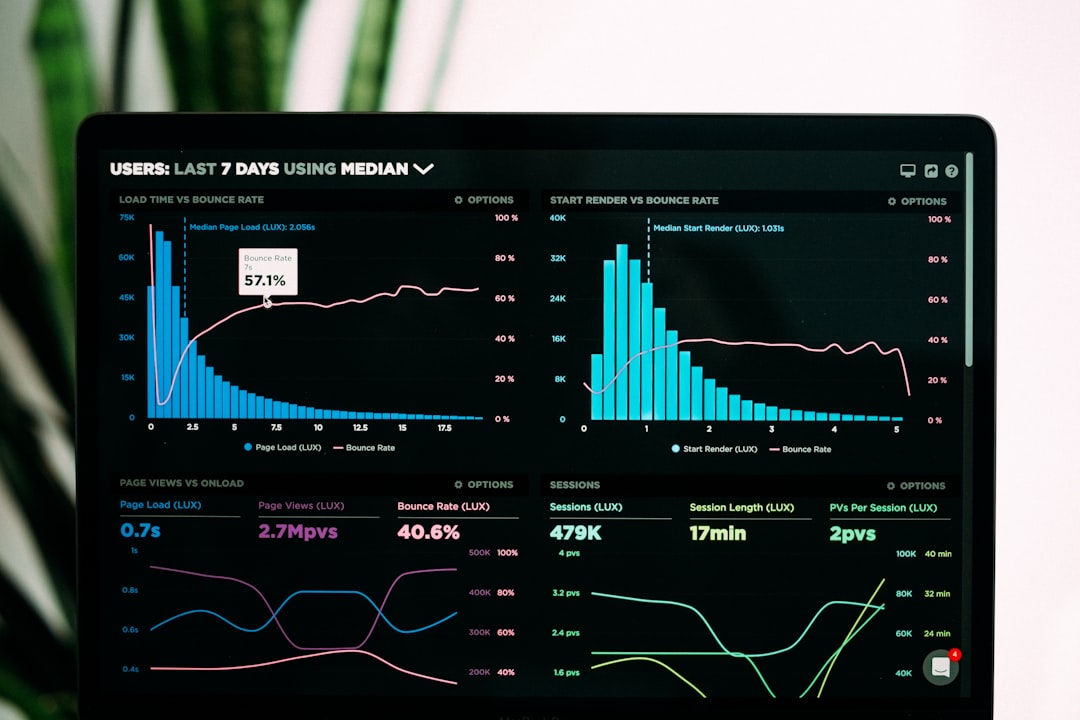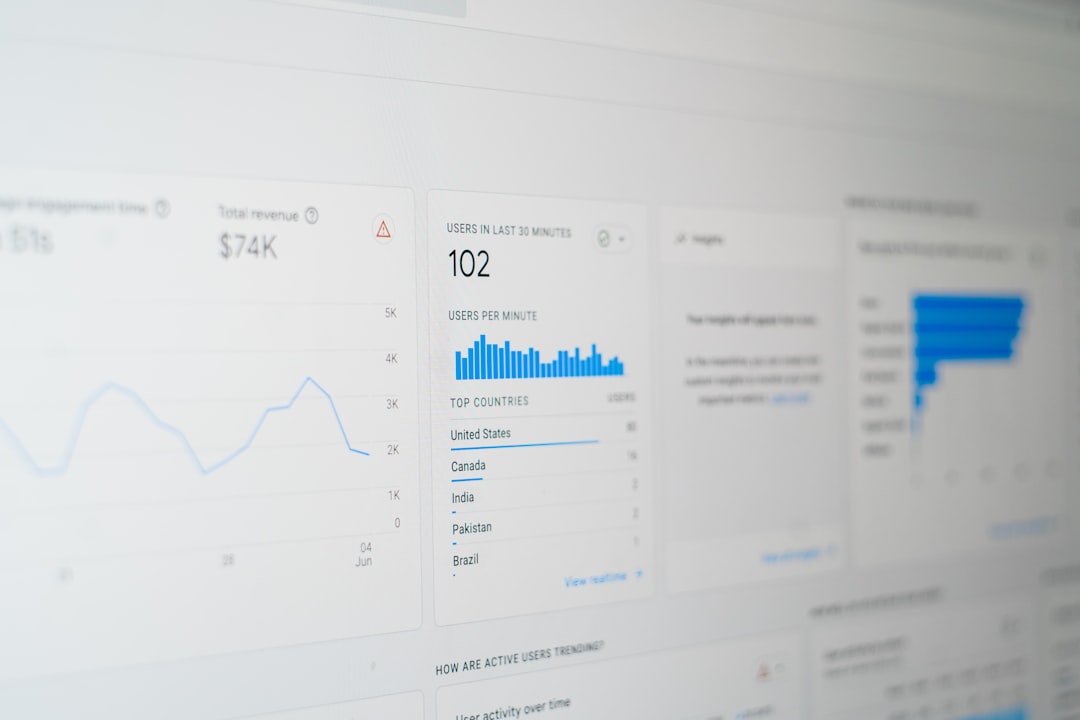
Markets used to feel like loud trading floors, ringing phones, and people waving papers. Now they also feel like quiet servers, fast code, and smart models hunting for tiny clues. Artificial intelligence is changing quantitative finance and algorithmic trading because it can read more data, learn faster, and act with incredible speed.
TLDR: AI is transforming quant finance because it can find patterns in huge piles of data. It helps trading systems react faster, manage risk better, and test ideas more deeply. It does not make markets easy or risk free, but it gives traders and researchers powerful new tools. Think of it as a very fast research assistant with a calculator, a coffee addiction, and no need for sleep.
What Is Quantitative Finance?
Quantitative finance, often called quant finance, is finance with math muscles. It uses statistics, probability, computer science, and data to make financial decisions.
A quant might ask simple questions like:
- Is this stock cheap or expensive?
- Will this currency move up or down?
- How risky is this portfolio?
- What happens if interest rates jump?
- Can we build a trading rule that works over time?
The answers are not guessed from vibes. They are tested with data. Lots of data. Charts, prices, earnings, interest rates, news, weather, shipping numbers, social media, and more.
In the old days, this was already hard. Today, it is a data jungle. That is where AI walks in wearing hiking boots.
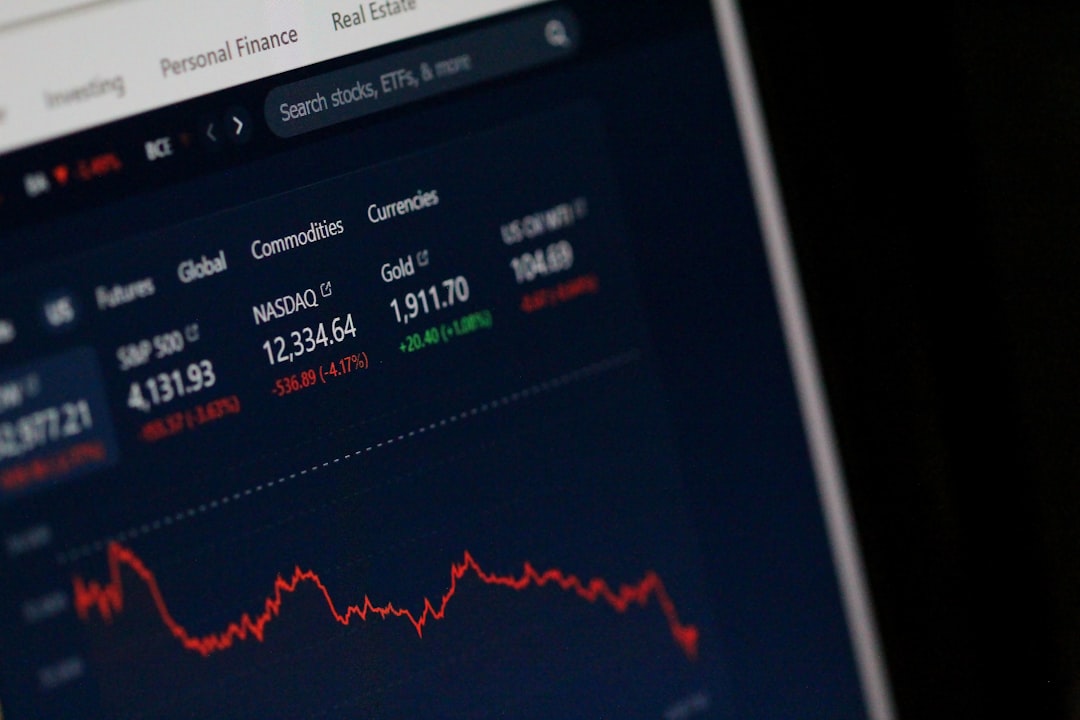
What Is Algorithmic Trading?
Algorithmic trading means using computer programs to place trades. The program follows rules. If this happens, do that. If the price moves here, buy. If risk gets too high, sell. Simple idea. Big impact.
Some algorithms trade slowly. They may rebalance a portfolio once per day. Others trade very fast. Some react in milliseconds. That is faster than a blink. Faster than a trader can say, “Wait, what just happened?”
Algorithmic trading is popular because computers are good at three things:
- Speed: They can react very quickly.
- Discipline: They do not panic or get greedy.
- Scale: They can watch many markets at once.
But classic algorithms have limits. They often follow fixed rules. Markets do not always behave in fixed ways. Markets can be messy. Humans are messy. News is messy. Fear is messy. AI helps deal with the mess.
Why AI Fits Finance So Well
Finance is full of patterns. Some are real. Some are fake. Some work for a while and then disappear like socks in a dryer.
AI is useful because it can search through giant data sets and look for signals. A signal is a clue. It might show that a stock could rise. Or that volatility may increase. Or that a bond is priced oddly.
Traditional models often need humans to choose the inputs. AI can help discover which inputs matter. It can also notice strange relationships. Maybe shipping delays affect retail stocks. Maybe satellite images of parking lots say something about store sales. Maybe tone in earnings calls hints at future performance.
This does not mean AI has a crystal ball. It does not. If it did, every hedge fund manager would own a private island shaped like a dollar sign. But AI can improve the odds. In finance, tiny improvements can matter a lot.
AI Can Read More Than Prices
Old trading models used mostly market data. Price. Volume. Volatility. Interest rates. These are still important. But AI can use much more.
This is called alternative data. It includes data that does not come from traditional financial statements or exchanges.
Examples include:
- News articles
- Company transcripts
- Social media posts
- Credit card spending trends
- Satellite images
- Web traffic data
- Supply chain data
- Weather data
AI can scan this information quickly. It can read thousands of news stories while a human is still opening a browser tab. It can measure sentiment. Is the article positive? Negative? Nervous? Excited? It can compare tone over time.
This matters because markets move on information. The faster a system understands new information, the faster it can react.
Natural Language Processing Is a Big Deal
Natural language processing, or NLP, helps computers understand human language. This is huge in finance.
Why? Because companies talk. A lot.
They release reports. They hold earnings calls. Executives answer analyst questions. Regulators publish filings. Central banks make statements. News outlets publish updates all day long.
A human analyst can read some of this. AI can read almost all of it. Fast.
For example, an AI model can analyze a central bank speech. It can check if the tone is more strict or more relaxed than before. That can matter for bonds, currencies, and stocks.
It can also check if a CEO sounds confident or careful. It can find words that often appear before weak earnings. It can notice when a company changes the way it talks about risk.
That is not magic. It is pattern recognition. But in markets, pattern recognition can be very valuable.
Machine Learning Finds Hidden Patterns
Machine learning is a type of AI that learns from data. Instead of being told every rule, the model finds relationships on its own.
Imagine teaching a dog to fetch. You do not explain physics. You show examples. The dog learns. Machine learning is like that, but with math, data, and fewer muddy paw prints.
In trading, machine learning models can study past market behavior. They can learn what happened before prices moved. They can test thousands of possible signals. They can rank them. They can combine them.
Common uses include:
- Forecasting returns: Trying to estimate future price moves.
- Predicting volatility: Estimating how wild prices may get.
- Classifying markets: Detecting calm, risky, or trending conditions.
- Finding anomalies: Spotting unusual prices or strange trades.
- Optimizing portfolios: Choosing assets and position sizes.
The best part is flexibility. AI models can update as new data arrives. They can adapt better than old static rules. That is useful because markets are living creatures. They change. They learn. They bite.
AI Makes Backtesting More Powerful
Before traders use a strategy, they often backtest it. This means testing it on historical data. It is like asking, “What would have happened if we used this idea in the past?”
Backtesting is important. It helps traders avoid silly ideas. For example, “Buy every stock with a cool ticker symbol” may sound fun. It may not work. Sorry.
AI can make backtesting deeper. It can test many variations. It can search for weak points. It can simulate different market environments. It can also help detect when a strategy may be overfit.
Overfitting is a sneaky problem. It means a model works great on past data but fails in the real world. It is like memorizing practice test answers but not understanding the subject.
Good AI systems use careful testing. They split data into training and testing sets. They use out-of-sample checks. They stress test results. They ask, “Does this still work when things get weird?”
That question is very important. In finance, things get weird often.
Risk Management Gets Smarter
Trading is not only about making money. It is also about not blowing up. That sounds basic. It is also very hard.
Risk management is where AI can shine. AI can watch portfolios in real time. It can detect unusual exposures. It can warn when many positions are secretly connected.
For example, a portfolio may look diversified. It may hold tech stocks, bonds, currencies, and commodities. But in a crisis, many assets can move together. AI can help spot hidden links before they become painful.
AI can also help with:
- Stress testing portfolios
- Measuring liquidity risk
- Detecting fraud or market abuse
- Monitoring trade execution
- Setting smart stop losses
- Adjusting position sizes
In simple terms, AI can act like a smoke alarm. It may not stop the fire by itself. But it can warn people before the kitchen becomes a volcano.
Execution Becomes Faster and Cleaner
Buying or selling a large amount of stock is not easy. If a fund buys too much too fast, the price may jump. If it sells too much too fast, the price may fall. That creates extra cost.
This is called market impact. Good execution tries to reduce it.
AI can help decide how and when to trade. It can split large orders into smaller pieces. It can choose trading venues. It can adapt to changing liquidity. It can learn from previous trades.
This matters even when the investment idea is good. A smart strategy can lose money if execution is poor. It is like baking a perfect cake and then dropping it on the floor.
AI Helps Humans, Not Just Machines
Some people imagine AI replacing every trader. A giant robot sits at a desk. It wears a tie. It drinks motor oil. It shouts “buy” in a metallic voice.
Reality is less dramatic. AI often works best as a helper.
Human experts still matter. They choose goals. They ask questions. They understand context. They know that a model can be wrong. They also know when markets are acting strange for reasons that data may not fully explain.
AI can remove boring work. It can scan documents. It can find data errors. It can generate research ideas. It can monitor dashboards. This gives humans more time to think.
The future of quant finance is not just human versus machine. It is more like human plus machine. The human brings judgment. The machine brings speed and scale.
But AI Has Problems Too
AI is powerful. It is not perfect. In finance, bad models can be expensive.
Here are the big challenges:
- Bad data: If the data is wrong, the model may learn nonsense.
- Overfitting: A model may look great in tests and fail live.
- Black boxes: Some AI models are hard to explain.
- Changing markets: Patterns can disappear.
- Crowding: If too many firms use the same signal, it may stop working.
- Regulation: Firms must follow rules and manage model risk.
Also, AI can make mistakes with confidence. That is dangerous. A model may produce a neat number. It may look official. It may still be wrong.
Smart firms use checks and balances. They monitor models. They review signals. They limit risk. They keep humans in the loop. They prepare for failure because, eventually, every model meets a market it does not understand.
Why This Transformation Is Happening Now
AI in finance is not totally new. Quants have used statistics and models for decades. So why is this moment different?
Three reasons stand out:
- More data: The world creates huge amounts of digital information every day.
- More computing power: Modern hardware can train large models quickly.
- Better algorithms: New AI methods are more flexible and powerful.
Put these together and you get a very different playing field. A small team can now analyze data that once required a large institution. Cloud computing helps. Open source tools help. Better data pipelines help.
This does not mean everyone wins. It means competition gets tougher. If one firm uses AI to move faster, others must respond. In markets, advantage rarely sits still.
What It Means for Traders and Investors
For professional traders, AI is becoming part of the toolkit. Knowing markets is still important. But knowing data, coding, and model behavior is now a major edge.
For individual investors, the lesson is different. AI can help with research and education. It can summarize reports. It can compare funds. It can explain risk. But it should not be treated like a money printer.
If an app says, “This AI guarantees profits,” run away. Maybe jog. Maybe sprint.
Markets are uncertain. No tool removes that. Good investing still needs patience, risk control, and common sense.
The Fun Future of AI in Finance
The next wave may be even more interesting. AI agents may help build strategies. Models may explain their reasoning better. Risk systems may become more real time. Portfolio tools may become more personal.
We may see systems that combine text, images, audio, macro data, and market prices. A model could read a company report, listen to an earnings call, check shipping data, study price action, and suggest a risk-aware trade plan.
That sounds futuristic. But parts of it already exist.
The key will be trust. Financial firms need models that are accurate, stable, explainable, and controlled. Fast is nice. Smart is better. Safe is essential.
Final Thoughts
AI is transforming quantitative finance and algorithmic trading because it helps people understand markets in a new way. It can process huge data sets. It can find hidden patterns. It can read text, manage risk, improve execution, and test ideas at scale.
But AI is not a magic trading genie. It will not grant three risk-free wishes. It is a tool. A very powerful tool. Like any tool, it depends on the person using it.
The best results will come from teams that mix math, markets, technology, and human judgment. AI brings speed. Humans bring wisdom. Together, they are changing finance one signal, one model, and one trade at a time.