Some business tools feel like a tiny vending machine. Push a button. Get one snack. That is fine, until your customer asks for soup, shoes, and advice about taxes. This is where ChatGPT starts to look very handy. It can chat, explain, write, sort, summarize, and help people feel heard.
TLDR: Businesses choose ChatGPT because it is more flexible than many standard chatbot tools. It understands natural language better, helps with many kinds of tasks, and can support both customers and staff. Standard chatbots are useful for simple questions, but ChatGPT can handle messier, more human conversations.
First, what is a standard chatbot?
A standard chatbot is often a rule-based tool. It follows a script. If a customer says “track my order,” the bot shows a tracking link. If the customer says something strange, the bot may panic. Not in a dramatic movie way. More like a toaster trying to play chess.
Many older chatbots work with set menus. They ask users to click buttons like:
- Shipping
- Returns
- Pricing
- Talk to support
That can be useful. It is fast. It is clear. But real customers do not always follow menus. They write things like, “My package says delivered, but my dog was home all day and saw nothing.” A basic bot may not know what to do with that.
ChatGPT feels more like a real helper
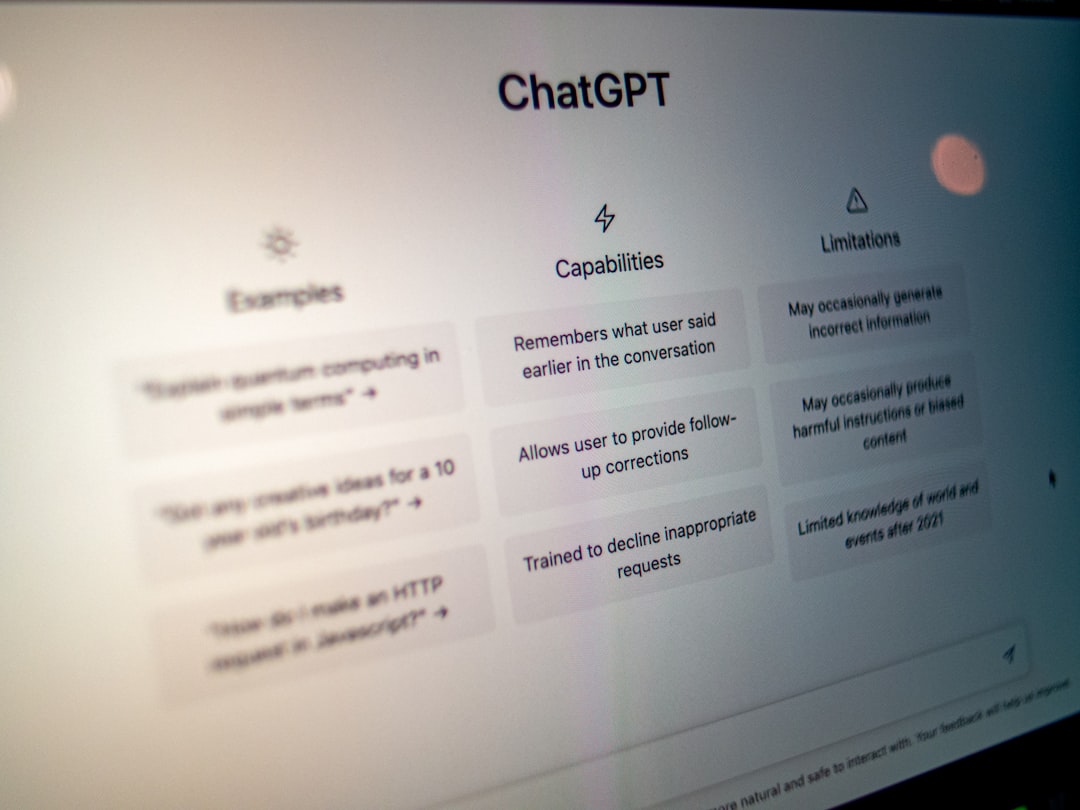
ChatGPT is built to understand language in a more natural way. People can type full sentences. They can make spelling mistakes. They can change topics. They can ask follow-up questions. ChatGPT can still often keep up.
This matters because customers do not want to speak “robot.” They want to speak like people. They want to say, “I need help with my invoice,” not click through six menus and scream into a pillow.
For a business, this is a big deal. Better conversations can lead to happier customers. Happier customers come back. They also complain less. That is good for everyone, especially the poor support team that has already answered “Where is my order?” 400 times this week.
It can handle many jobs, not just one
A standard chatbot is usually built for one main job. It may answer support questions. It may book appointments. It may collect emails. Great. But ChatGPT can help with many more tasks.
For example, businesses may use ChatGPT to:
- Answer customer questions.
- Write product descriptions.
- Summarize long emails.
- Create help center articles.
- Draft social media posts.
- Help sales teams prepare replies.
- Turn messy notes into clean reports.
- Translate simple messages.
- Brainstorm campaign ideas.
That is a lot of hats. ChatGPT is like an office intern who read the internet, drank a giant coffee, and never asks where the stapler is.
It saves time for support teams
Support teams deal with repeat questions every day. “How do I reset my password?” “Can I return this?” “Do you ship to my country?” These questions matter, but they can eat hours.
ChatGPT can answer many simple questions quickly. It can also help write better replies for harder ones. A human agent can review the answer, tweak it, and send it. That is often much faster than starting from zero.
This does not mean humans vanish. It means humans spend less time on copy and paste work. They can focus on angry customers, tricky problems, and cases that need kindness.
That is important. A bot can say sorry. A human can really mean it.
It works well with messy questions
Customers are not always clear. They may ask three things at once. They may use slang. They may forget key details. A standard chatbot can struggle with this.
ChatGPT is better at finding the meaning behind the words. It can spot that a long rant is really about a refund. It can notice that a customer needs setup help, not billing help. It can ask follow-up questions in a friendly way.
For example, a customer might write:
“I bought the monthly thing but now it says I have no access and I think I used my other email, help please.”
A basic chatbot may look for exact keywords. ChatGPT can understand the situation. It may ask for the email used at purchase, explain the likely issue, and guide the customer to the next step.
It can sound more on brand
Businesses care about voice. A toy brand may want to sound playful. A bank may want to sound calm and clear. A fitness brand may want to sound energetic. A luxury hotel may want to sound polished.
Standard chatbots can feel stiff. They often say the same lines again and again. ChatGPT can be guided to match a brand tone. It can be warm, formal, funny, brief, or detailed.
That does not mean every chatbot should become a comedian. Nobody wants jokes during a billing error. But a little personality helps. It makes the business feel less like a gray filing cabinet.
It helps employees, not only customers
This is a major reason businesses choose ChatGPT. It is not only a front desk helper. It can also support internal teams.
Employees can use it to:
- Summarize meetings into clear action items.
- Draft emails that sound polite and professional.
- Explain data in plain language.
- Create training material for new staff.
- Plan projects with checklists and timelines.
This makes work feel less heavy. It can turn “I have no idea where to start” into “Okay, here is a first draft.” That first draft is magic. Not perfect magic. More like a helpful broom in a wizard movie.
It can learn from business information
ChatGPT can be connected to approved business content. This may include FAQs, policy pages, product guides, or internal documents. When set up well, it can answer based on that information.
This is powerful. A customer can ask a detailed question about a product. ChatGPT can use the company’s own knowledge base to answer. That can be more useful than a basic bot with ten preset replies.
Of course, setup matters. Businesses should check answers. They should keep documents updated. They should set rules for what the AI can and cannot say. Good AI needs good guardrails. Even a smart assistant should not be allowed to drive the bus with a blindfold on.
It reduces boring manual work
Every business has boring tasks. They sneak into the day like tiny paper monsters. Copy this. Rewrite that. Sort these messages. Label this request. Summarize that document.
ChatGPT can help with these tasks. It can turn a long customer complaint into a short summary. It can group messages by topic. It can draft a response. It can make a list of next steps.
Small time savings add up. Five minutes here. Ten minutes there. Soon, a team gets hours back. That time can go toward better service, better products, or a much needed snack break.
It can improve sales conversations
Sales teams also benefit. A standard chatbot may collect a name and email. ChatGPT can do more. It can ask useful questions. It can suggest products. It can explain features in simple terms.
Imagine a customer shopping for software. They ask, “Which plan is best for a small team?” ChatGPT can compare options. It can ask how many users they have. It can explain the difference between plans without sounding like a legal contract wearing a tie.
It can also help sales staff write follow-up emails. It can create summaries of customer needs. It can prepare talking points before a call. This helps the sales process feel smoother and less pushy.
It supports faster content creation
Businesses need content all the time. Blog posts. Ads. Emails. Product pages. Help docs. Video scripts. Social captions. The content hamster wheel never stops spinning.
ChatGPT can help teams create drafts quickly. It can suggest headlines. It can rewrite text for a different audience. It can turn a technical feature into a simple benefit.
This does not replace human creativity. It gives people a starting point. Humans still choose the best ideas. They check facts. They add taste. They remove weird lines. And yes, sometimes AI writes a sentence that sounds like a fortune cookie in a suit.

It can scale as the business grows
When a business is small, a simple chatbot may be enough. But growth brings more customers, more questions, more products, and more complexity. Suddenly, the old bot starts to wobble.
ChatGPT can support larger needs. It can help across departments. It can be used in support, sales, marketing, training, and operations. This makes it attractive for companies that want one flexible tool instead of many tiny tools.
It also helps during busy seasons. Think holiday shopping, product launches, or tax time. When message volume rises, ChatGPT can help absorb the rush. It is like adding extra lanes to a busy road.
It makes self service better
Customers like self service when it works. They do not want to wait in a queue for a simple answer. They want help now. Preferably before their coffee gets cold.
ChatGPT can make self service feel easier. Instead of searching a help center, customers can ask a question. The AI can point them to the right answer. It can explain steps. It can provide links if connected to the right tools.
This can lower support tickets. It can also make customers feel more in control. No one enjoys digging through 19 help articles to find one sentence.
Why not just use a normal chatbot?
Standard chatbot software still has a place. It can be cheaper. It can be simple. It can work well for fixed flows, like booking an appointment or checking order status. If the job is small and predictable, a rule-based bot may be perfect.
But many businesses want more than fixed flows. They want natural conversation. They want writing help. They want internal support. They want a tool that can adapt to many tasks. That is why ChatGPT becomes appealing.
Here is the simple comparison:
- Standard chatbot: Good for simple, scripted tasks.
- ChatGPT: Better for flexible, natural, and varied tasks.
- Standard chatbot: Often needs exact paths.
- ChatGPT: Can handle open-ended questions.
- Standard chatbot: Usually helps customers only.
- ChatGPT: Can help customers and employees.
There are still risks
ChatGPT is useful, but it is not a magic crystal ball. It can make mistakes. It can misunderstand context. It may give answers that sound confident but need checking. Businesses should use it carefully.
Smart companies set rules. They protect private data. They review important answers. They connect the AI to trusted sources. They make it clear when users are talking to AI. They also keep humans available for serious issues.
In other words, ChatGPT should be a helper, not the boss of everything. Nobody wants the office printer making company policy either.
The big reason is flexibility
The main reason businesses choose ChatGPT is simple. It is flexible. It can answer, write, summarize, explain, brainstorm, and guide. It can support many teams. It can make work faster and conversations smoother.
Standard chatbot software is like a train on a track. It is reliable, but it only goes where the track leads. ChatGPT is more like a helpful driver with a map. It can take different routes. It can respond when plans change.
That flexibility is valuable in a world where customers expect fast, friendly, and personal service. Businesses need tools that can keep up. ChatGPT helps them do that.
Final thought
Businesses do not choose ChatGPT because it is trendy. Well, not only because it is trendy. They choose it because it solves real problems. It saves time. It improves conversations. It helps teams move faster.
Standard chatbots are still useful for simple jobs. But when a business wants smarter support, better writing help, and more natural conversations, ChatGPT often wins. It is not perfect. But it is powerful, flexible, and easy to understand.
And in business, that is a pretty great combo. Like coffee and deadlines. Or spreadsheets and tiny moments of peace.