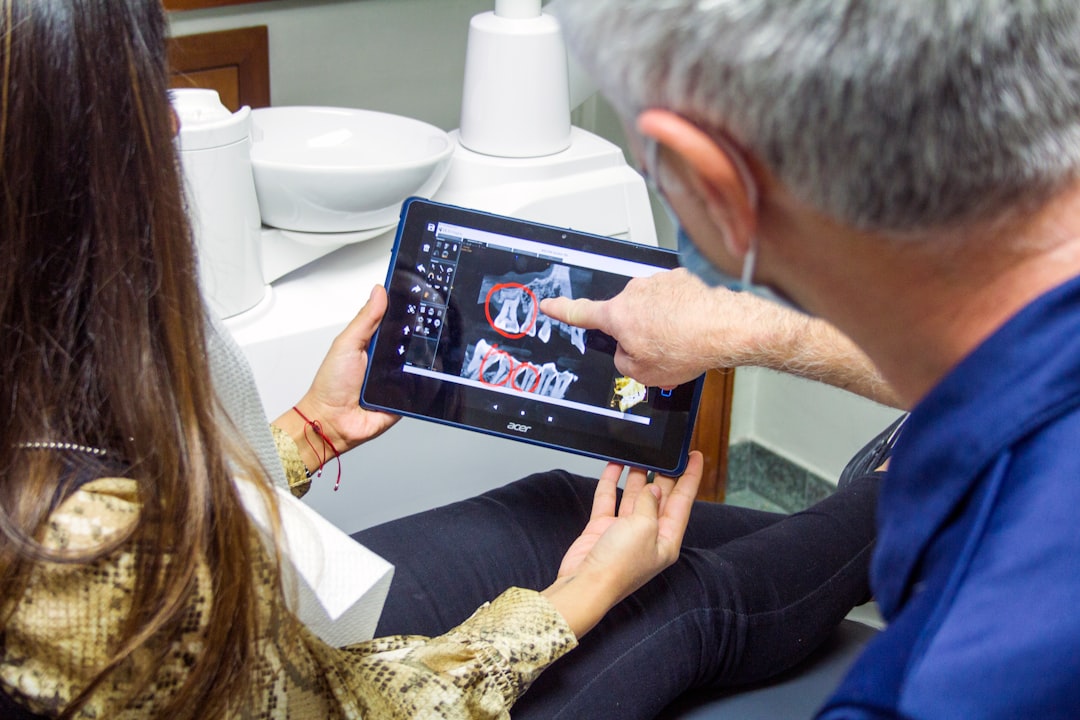
Dental practices and laboratories are under constant pressure to deliver accurate, efficient, and predictable care while maintaining a professional patient experience. Digital dentistry has become central to meeting these expectations, and many clinics and labs evaluate software platforms based on reliability, workflow depth, integration, and long-term value. Among the leading names in this field, 3Shape software solutions are widely chosen by dental professionals who want to support modern clinical and laboratory workflows with confidence.
TLDR: Dental professionals choose 3Shape software solutions because they support accurate digital workflows, improve collaboration between clinics and labs, and help streamline treatment planning and production. The platform is valued for its usability, flexibility, and broad range of applications across restorative, orthodontic, implant, and laboratory dentistry. For many practices, 3Shape offers a serious digital foundation that can enhance efficiency, consistency, and patient communication.
1. A Strong Digital Workflow Foundation
One of the main reasons dental professionals choose 3Shape is its ability to support a complete digital workflow. From intraoral scanning to treatment planning, CAD design, and communication with laboratories, the software is built to help replace fragmented analog steps with a more connected process.
This matters because dentistry depends heavily on precision and repeatability. Traditional impressions, physical models, paper prescriptions, and manual case notes can introduce delays or inconsistencies. By using digital records and structured workflows, dental teams can reduce unnecessary friction and create a more controlled clinical process.
A strong digital workflow does not simply make work faster; it helps make work more measurable and manageable. That is why many practices view 3Shape not as a single tool, but as part of a broader digital infrastructure.
2. High Quality Intraoral Scanning Integration
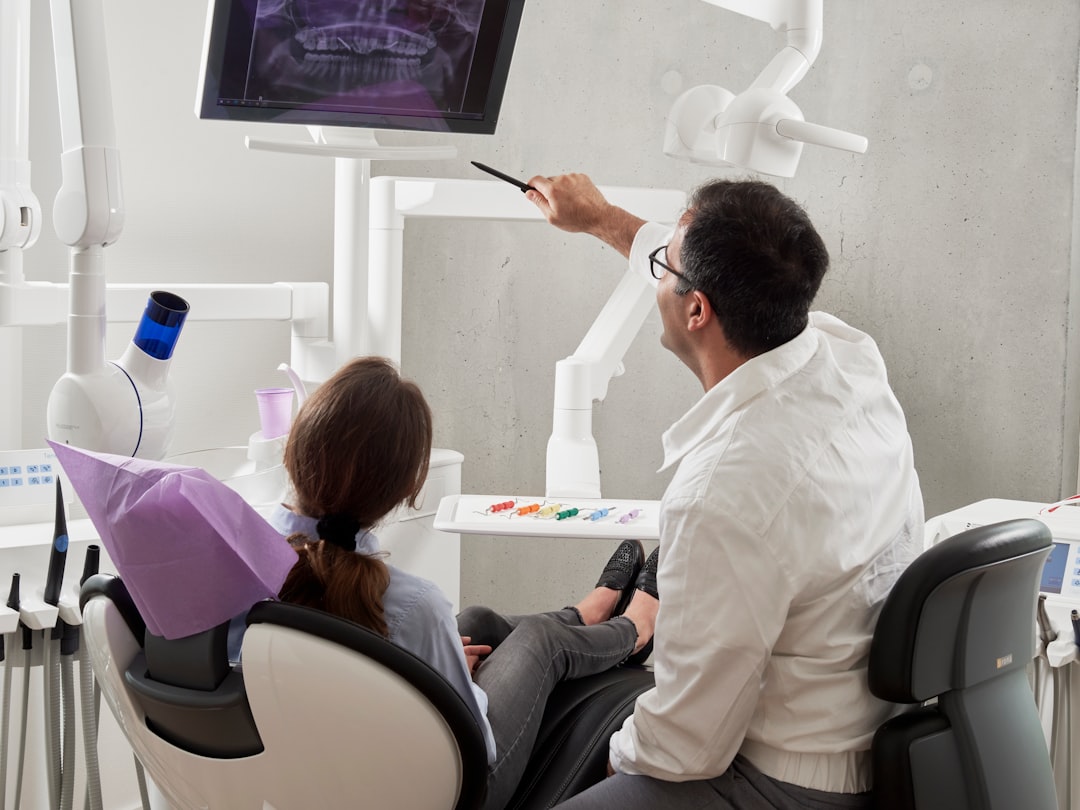
3Shape is closely associated with the TRIOS intraoral scanner ecosystem, which is used by many dentists for digital impressions. The value of scanning goes beyond replacing impression material. It allows clinicians to capture detailed digital data that can be reviewed, stored, shared, and used throughout treatment planning.
For dental professionals, this can improve confidence when preparing crowns, bridges, clear aligners, implant restorations, and other treatments. The software can help guide scanning procedures and allow clinicians to evaluate the captured data before submitting a case.
Clinical visibility is a major advantage. Instead of waiting for a lab to identify an impression issue, the clinician can often detect missing data or preparation concerns at the chairside. This can reduce remakes, improve communication, and save valuable appointment time.
3. Efficient Clinic to Lab Communication
Successful restorative dentistry depends on clear communication between the dental clinic and the laboratory. 3Shape software solutions are designed to support this relationship by enabling digital case submission, file sharing, design review, and structured collaboration.
In a traditional workflow, instructions can be misunderstood, impressions can be delayed, and physical materials can be lost or damaged. With digital case communication, the laboratory can often receive the case quickly and begin evaluating it earlier. This helps both sides identify potential issues before production begins.
- Faster case transfer between clinic and lab
- More complete case documentation with digital files and notes
- Improved tracking of case progress and requirements
- Clearer communication about margins, shade, and design preferences
For practices that work with external laboratories, this level of coordination can have a meaningful impact on turnaround times and case predictability.
4. Broad Range of Dental Applications
Another important reason professionals choose 3Shape is the breadth of its software ecosystem. Dental teams may need solutions for restorative care, implant planning, orthodontics, removable prosthetics, splints, and laboratory CAD workflows. A platform that covers multiple needs can reduce the complexity of managing separate systems.
For example, a clinic may begin with digital scanning for crowns and later expand into clear aligner cases, implant workflows, or patient monitoring. A laboratory may use CAD software for crown and bridge cases, then develop additional services for dentures, models, or implant bars.
This scalability is especially important for practices and labs that want their technology investments to support future growth. Rather than adopting isolated tools for each service, many professionals prefer a connected digital environment that can expand as their clinical or business requirements evolve.
5. User Centered Software Design
Dental software must be technically capable, but it must also be practical in daily use. A platform that is too difficult to learn or too disruptive to existing routines may slow adoption, even if it offers advanced features. 3Shape has gained trust partly because its software is designed with clinical and laboratory users in mind.
Clear interfaces, guided workflows, visual feedback, and organized case management can reduce the learning curve for teams. This is important because digital dentistry is often used by a wide range of staff members, including dentists, assistants, treatment coordinators, technicians, and administrative teams.
Ease of use affects consistency. When software is intuitive, team members are more likely to use it correctly, follow standardized workflows, and maintain quality across cases. In a busy practice or lab, that consistency can be just as valuable as speed.
6. Improved Patient Communication
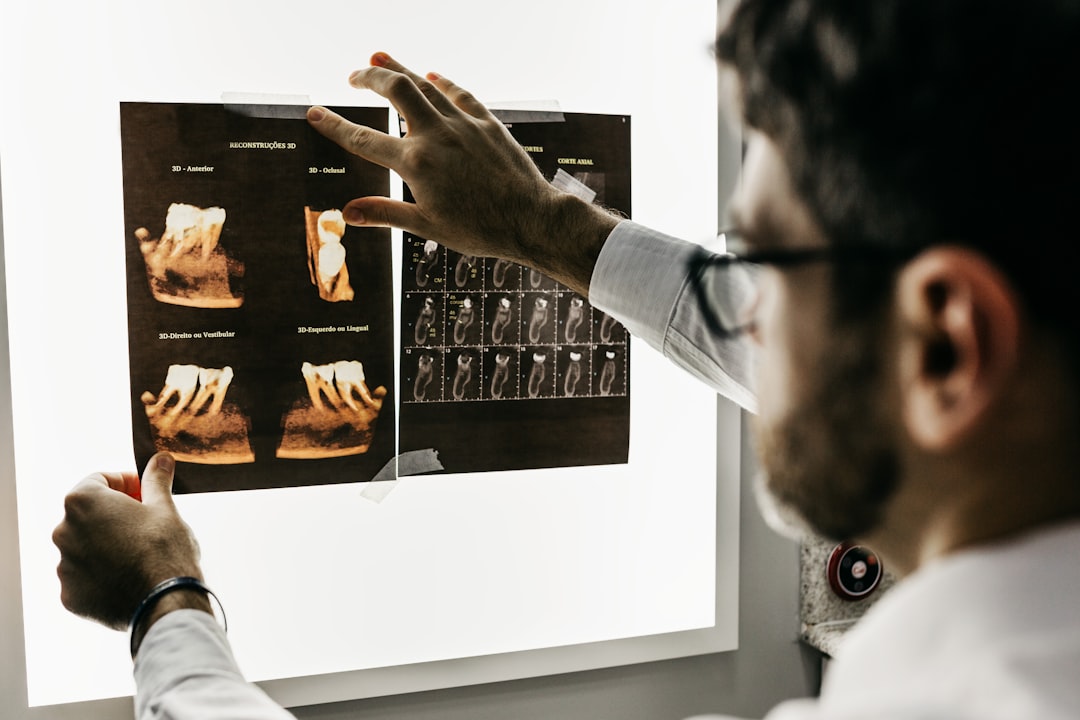
Patients often find dental procedures easier to understand when they can see visual evidence and treatment simulations. 3Shape software can support patient communication by helping clinicians show scans, images, occlusion, proposed restorations, orthodontic changes, or areas of concern in a more accessible format.
This does not replace professional diagnosis or clinical judgment. However, it can help patients better understand why treatment is recommended and what the expected process may involve. A digital scan or visual plan can make abstract explanations more concrete.
Better patient communication may support:
- Greater treatment understanding through visual presentation
- More informed consent based on clear explanations
- Higher case acceptance when patients understand treatment value
- Improved trust through transparency and professionalism
For practices focused on patient experience, this is a significant reason to consider 3Shape solutions.
7. Support for Predictable Restorative Outcomes
Restorative dentistry requires careful attention to preparation design, margins, occlusion, contacts, shade communication, and material selection. Digital workflows can help clinicians and technicians manage these variables more effectively. 3Shape software gives dental professionals tools to capture, review, design, and communicate case information with a high level of detail.
For laboratories, CAD design tools can help improve consistency in restoration design. For clinicians, accurate digital impressions and case documentation can support better outcomes by reducing uncertainty at each stage of the workflow.
Predictability is not the result of software alone. It depends on clinical skill, preparation quality, correct material use, and good laboratory collaboration. However, software can provide a more reliable framework for applying those skills. This is why many experienced clinicians and technicians value platforms that allow them to work with precision and control.
8. Integration with Modern Dental Technology
Dental practices and laboratories rarely rely on one device or one software platform. They may use milling machines, 3D printers, imaging systems, implant planning tools, practice management software, or laboratory production systems. Because of this, integration is a major consideration when choosing a digital dentistry platform.
3Shape solutions are often selected because they can fit into a modern technology environment and support various connected workflows. This flexibility gives professionals more freedom when building a digital setup that matches their clinical goals, production preferences, and budget.
Integration is particularly important for laboratories that receive cases from different scanners or clinics. A flexible digital workflow allows labs to serve more clients and manage production more efficiently. For clinics, it may provide more choice when selecting labs, treatment options, and manufacturing pathways.
9. Ongoing Innovation and Industry Reputation
Dental professionals tend to choose technology providers with a serious reputation and a clear commitment to ongoing development. 3Shape has established itself as a recognized company in digital dentistry, with solutions used across many regions and dental disciplines.
The dental industry continues to evolve rapidly. Artificial intelligence, cloud communication, guided implant workflows, digital dentures, and improved chairside solutions are changing expectations for both clinics and laboratories. Professionals want software that is not only useful today, but also positioned for continued development.
A platform with ongoing innovation can help practices and labs remain competitive as digital standards advance. While every office should evaluate software based on its own needs, many professionals are reassured by choosing a provider with a long-standing presence in the field.
10. Long Term Value for Practices and Laboratories
The decision to invest in dental software is not only a technical choice; it is also a business decision. Dental professionals must consider the cost of training, implementation, support, productivity, team adoption, case quality, and future scalability. 3Shape software solutions are often chosen because they can contribute to long-term value across multiple areas of a dental business.
Potential value may come from reduced impression material use, fewer shipping delays, improved remake control, faster case communication, enhanced patient presentations, and expanded service offerings. For laboratories, value may also come from improved CAD efficiency, broader case acceptance, and more streamlined production workflows.
It is important to approach digital investment realistically. Software should be matched to the practice or laboratory’s actual needs, team readiness, and clinical goals. However, when implemented thoughtfully, a strong digital platform can become a durable asset rather than a short-term expense.
Key Considerations Before Choosing Any Software Platform
Although there are many reasons dental professionals choose 3Shape, every practice and lab should make technology decisions carefully. The best solution depends on workflow requirements, case volume, existing equipment, training capacity, and the types of treatment offered.
Before investing, dental teams should consider the following:
- Workflow fit: Does the software support the procedures performed most often?
- Team training: Can the staff learn and use the system consistently?
- Laboratory compatibility: Will preferred lab partners accept and work efficiently with the files?
- Growth potential: Can the platform support expanded services in the future?
- Support and updates: Is there access to dependable technical support and ongoing improvements?
These questions help ensure that the decision is based on practical value rather than technology alone.
Conclusion
Dental professionals choose 3Shape software solutions for many serious and practical reasons: digital workflow efficiency, accurate scanning integration, strong clinic to lab communication, broad clinical applications, user centered design, patient communication benefits, restorative predictability, technology integration, industry credibility, and long-term business value.
For modern dental clinics and laboratories, the right software platform can improve how cases are captured, planned, communicated, produced, and presented. 3Shape has become a respected choice because it addresses many of the real operational challenges dental professionals face every day. When implemented with proper training and a clear workflow strategy, it can support a more efficient, transparent, and dependable approach to digital dentistry.