Electricians deal with much more than wires, panels, outlets, and service calls. Behind every successful electrical business is a steady flow of quotes, invoices, receipts, payroll records, job costs, taxes, and payment reminders. The right accounting software can turn that financial workload from a daily headache into a smooth, organized system that supports better decisions and healthier cash flow.
TLDR: Accounting software for electricians helps simplify invoicing, expense tracking, job costing, tax preparation, and payment collection. The best tools connect financial data to real-world electrical jobs, making it easier to see which projects are profitable and which are draining resources. Features like mobile access, estimates, inventory tracking, and automated reminders can save time and reduce errors. For electricians, good accounting software is not just bookkeeping software; it is a practical business management tool.
Why Electricians Need Specialized Accounting Support
An electrical contractor’s finances are different from those of a typical retail shop or office-based business. Electricians often move between job sites, purchase materials on short notice, subcontract tasks, manage emergency callouts, and bill customers in stages. A simple spreadsheet may work in the early days, but it quickly becomes unreliable as the business grows.
Accounting software designed with field service businesses in mind helps capture the financial reality of electrical work. Instead of recording income and expenses only after the fact, it allows electricians to connect costs directly to jobs, customers, employees, vehicles, and materials. That means fewer surprises at the end of the month and more control over day-to-day operations.
The big advantage is visibility. When every invoice, receipt, labor hour, and material purchase is tracked in one place, business owners can make decisions based on facts rather than guesswork.
Easy Estimate and Quote Creation
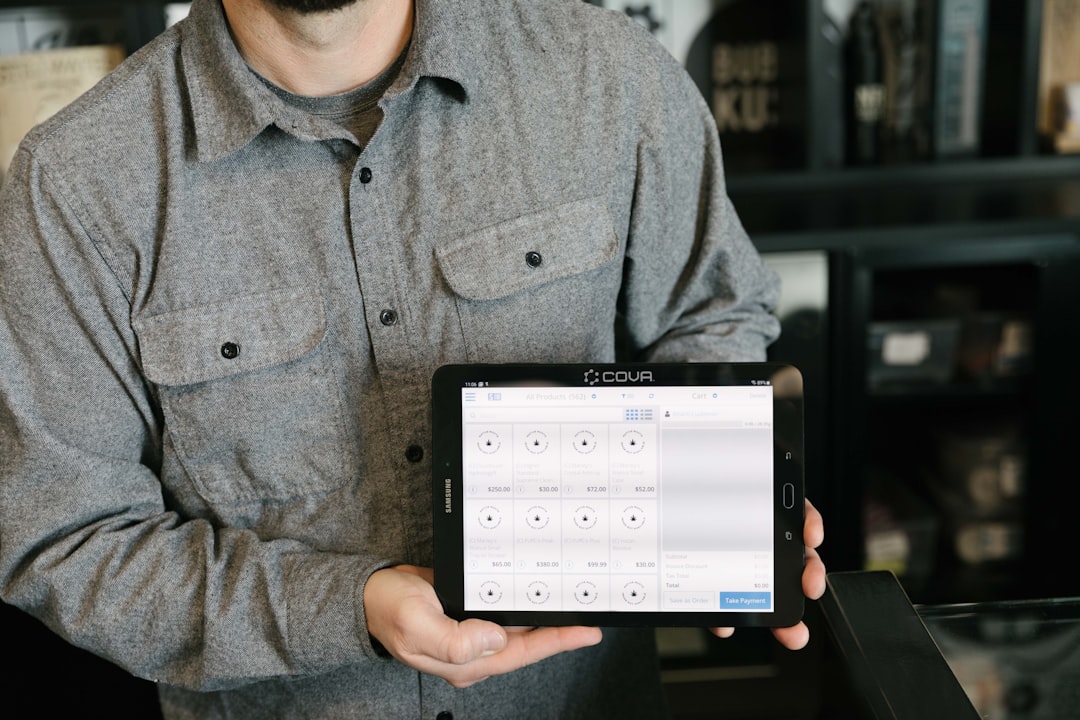
For many electricians, the sales process begins with an estimate. Whether the job is a residential panel upgrade, commercial lighting installation, or emergency troubleshooting call, customers expect a clear and professional quote. Accounting software can make this process faster and more accurate.
Good software allows electricians to create reusable estimate templates, add labor rates, include material markups, apply taxes, and describe the scope of work clearly. Once the customer approves the estimate, it can often be converted into an invoice with a single click.
This reduces duplicate data entry and helps avoid mistakes. It also creates a more professional customer experience. A well-formatted quote sent quickly after a site visit can make a strong impression and help win more jobs.
- Reusable service items: Save common tasks such as outlet installation, breaker replacement, or inspection fees.
- Material and labor breakdowns: Show customers exactly what they are paying for.
- Estimate approvals: Let customers accept quotes digitally.
- Automatic conversion: Turn accepted estimates into invoices without retyping details.
Professional Invoicing That Gets You Paid Faster
Cash flow is one of the biggest challenges for electrical businesses. Even profitable companies can struggle if customers pay late. Accounting software helps by making invoices easier to create, send, track, and follow up on.
Electricians can issue invoices from the office or directly from the job site. This is especially useful for service calls, small repairs, and maintenance work where the customer may be ready to pay immediately. Many systems also support online payment links, allowing customers to pay by card, bank transfer, or digital wallet.
Automated payment reminders are another valuable feature. Instead of manually calling or emailing customers about overdue invoices, the software can send polite reminders on a schedule. This keeps collections consistent while saving time and reducing awkward conversations.
Job Costing for More Profitable Projects
Job costing is one of the most important features electricians should look for in accounting software. It answers a simple but powerful question: Did this job actually make money?
A project may look profitable on the surface, but hidden costs can eat into margins. Extra trips to the supplier, underestimated labor hours, permit fees, equipment rentals, subcontractor charges, and warranty callbacks all affect the final result. Job costing brings these details together.
With proper job costing, electricians can compare estimated costs against actual costs. Over time, this helps improve pricing accuracy. If panel upgrades regularly take two hours longer than expected, or if certain materials are frequently underpriced, the business can adjust future quotes accordingly.
- Track labor by job: See how much time technicians spend on each project.
- Assign materials to specific jobs: Understand the true cost of supplies.
- Monitor subcontractor expenses: Include outside labor in profitability calculations.
- Compare estimates to actuals: Identify pricing gaps before they become expensive habits.
Expense Tracking Without the Paper Pile
Electrical work generates many small and large expenses: wire, conduit, breakers, connectors, tools, fuel, parking, permits, safety gear, training, insurance, and vehicle maintenance. If receipts are stuffed into a glove box or tool bag, important deductions may be lost.
Modern accounting software often includes receipt capture through a mobile app. Electricians can photograph receipts immediately, categorize them, and attach them to jobs or expense accounts. This creates a digital record that is easier to search, organize, and share with an accountant.
Bank and credit card feeds also help by importing transactions automatically. Instead of manually entering every purchase, business owners can review and categorize expenses. This saves time and reduces the risk of missing transactions.

Mobile Access for Work in the Field
Electricians rarely spend the whole day sitting at a desk. They move between homes, construction sites, commercial buildings, suppliers, and inspections. That makes mobile access essential.
Cloud-based accounting software allows users to check financial information from a phone or tablet. An electrician can send an invoice from the driveway, review an estimate before meeting a customer, upload a receipt at the supply counter, or check whether a client has an unpaid balance before starting new work.
Mobile functionality keeps financial tasks close to the work itself. Instead of trying to remember details at the end of a long day, electricians can record information while it is still fresh.
Inventory and Material Management
Materials are a major cost in electrical work. Losing track of stock can lead to rushed purchases, project delays, and reduced profitability. While not every accounting platform includes full inventory management, many offer features that help track commonly used items.
Electricians can monitor quantities, record purchase costs, and apply materials to estimates or invoices. This is particularly useful for businesses that keep stock in vans or a small warehouse. When materials are tracked consistently, it becomes easier to know what is available, what needs to be reordered, and how material costs affect margins.
Even basic inventory tracking can help prevent underbilling. If a job uses several breakers, specialty fittings, or extra lengths of cable, those costs should be reflected in the invoice or job report.
Payroll and Time Tracking
As an electrical business grows, payroll becomes more complicated. Employees may work different hourly rates, overtime, weekend emergency calls, or prevailing wage jobs. Accurate time tracking is essential for both payroll and job costing.
Accounting software with time tracking features allows technicians to log hours by job, task, or customer. Managers can approve timesheets and send the data directly to payroll. This reduces manual calculations and helps ensure employees are paid correctly.
Time tracking also reveals productivity patterns. If certain jobs consistently require more labor than estimated, the issue may be pricing, training, scheduling, or job scope. The data helps owners ask better questions and make practical improvements.
Tax Preparation Made Less Stressful
Tax season is much easier when records are clean throughout the year. Accounting software helps classify income, expenses, assets, payroll costs, sales tax, and contractor payments. This makes it simpler to generate reports for accountants or prepare filings.
For electricians, tax-related details can include equipment depreciation, vehicle expenses, mileage, subcontractor payments, sales tax on materials, and deductible business purchases. When these are tracked properly, the business can reduce errors and take advantage of legitimate deductions.
No software replaces professional tax advice, but organized records make working with a CPA or bookkeeper far more efficient. Instead of spending days sorting receipts and bank statements, business owners can provide accurate reports quickly.
Reporting That Supports Smarter Decisions
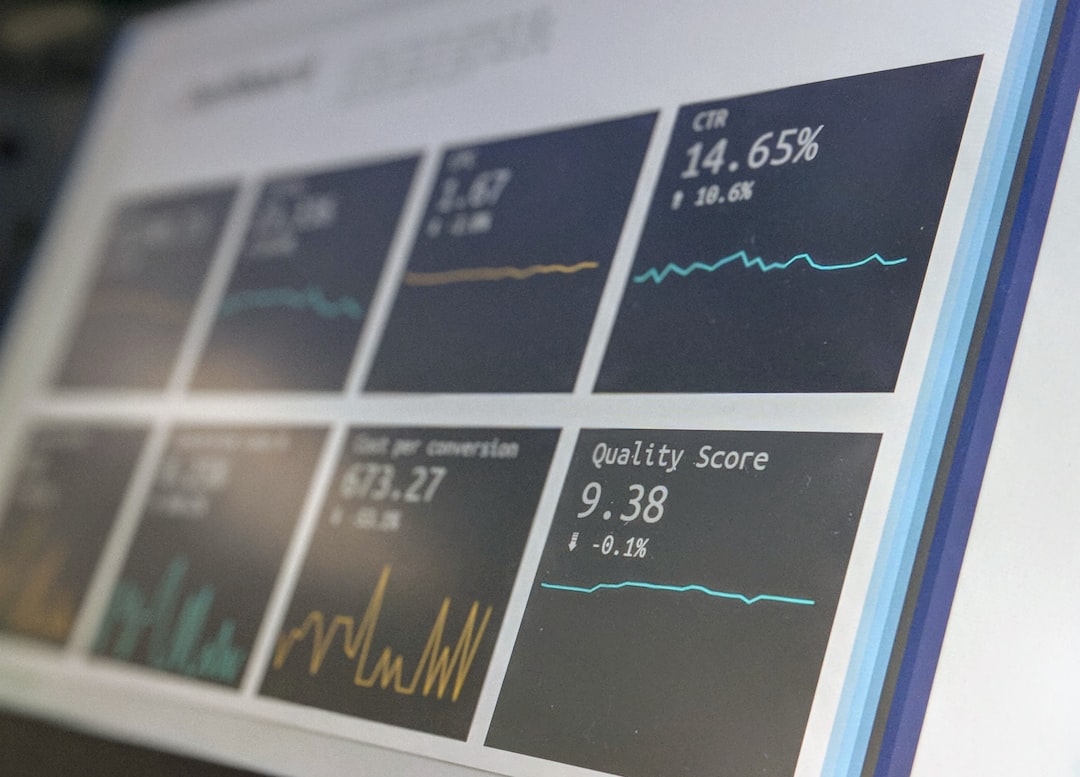
Financial reports are not just for accountants. They are practical tools for business owners. The most useful accounting software makes reports easy to understand and customize.
Electricians should look for reports such as profit and loss, cash flow, accounts receivable, expenses by category, sales by customer, unpaid invoices, and job profitability. These reports show where money is coming from, where it is going, and which parts of the business deserve more attention.
- Profit and loss reports show whether the business is earning more than it spends.
- Cash flow reports help predict whether there is enough money for payroll, taxes, and suppliers.
- Accounts receivable reports reveal which customers owe money and how long invoices have been unpaid.
- Job profitability reports show which services or project types produce the best margins.
Integrations with Scheduling and Field Service Tools
Many electricians use separate apps for dispatching, scheduling, customer management, or project communication. Accounting software becomes more powerful when it integrates with those tools.
For example, a completed service call in a field service app may automatically generate an invoice in the accounting system. Customer details, job notes, labor time, and materials can flow from one platform to another. This reduces duplicate entry and helps keep records consistent.
Useful integrations may include payment processors, payroll services, banking platforms, customer relationship management tools, estimating apps, and project management systems. The goal is to create a connected workflow where information moves smoothly from the first customer call to the final payment.
Security and User Permissions
Financial data is sensitive. Accounting software should include security features that protect business information while still allowing team members to do their jobs. User permissions are especially important for growing electrical companies.
For example, a technician may need to create invoices or upload receipts but should not necessarily see payroll details or full financial statements. An office manager may need access to accounts receivable and vendor bills. The owner and accountant may require full access.
Look for features such as secure logins, multi-factor authentication, user roles, audit trails, and automatic backups. These safeguards help protect the business from data loss, unauthorized access, and accidental changes.
Choosing the Right Accounting Software
The best accounting software for an electrician depends on the size of the business, the type of work performed, and the level of financial detail needed. A solo electrician may prioritize mobile invoicing and expense tracking, while a larger contractor may need payroll, job costing, inventory, and reporting across multiple crews.
Before choosing a platform, it helps to make a list of daily pain points. Are invoices going out late? Are material costs hard to track? Is tax time chaotic? Are estimates inaccurate? The answers will point toward the features that matter most.
It is also wise to consider ease of use. Software only helps if the team actually uses it. A clean interface, good mobile app, helpful support, and accountant-friendly reports can make adoption much smoother.
Final Thoughts
Accounting software for electricians is more than a digital ledger. It is a tool for managing estimates, invoices, materials, labor, expenses, taxes, and profitability in one organized system. By choosing software with the right features, electricians can spend less time chasing paperwork and more time focusing on skilled work, satisfied customers, and sustainable growth.
In a trade where precision matters, financial management deserves the same level of care as every installation and repair. With accurate records, timely invoices, and clear reporting, electrical businesses can build stronger foundations for long-term success.