Every academic term begins with a deceptively simple question: who should be where, when, and with whom? For schools, colleges, and universities, answering that question can involve hundreds or thousands of moving parts, from classroom availability and instructor workloads to student course demand, lab requirements, and institutional policies. Academic scheduling software helps institutions manage this complexity with greater speed, accuracy, and confidence.
TLDR: Academic scheduling software saves institutions time by automating complex timetable creation, reducing manual work, and minimizing scheduling conflicts. It helps administrators use classrooms, instructors, and equipment more efficiently, which can lower operating costs and improve the student experience. By providing data-driven insights, the software also supports better long-term planning and more responsive decision-making.
Why Academic Scheduling Is So Complicated
At first glance, scheduling may seem like a routine administrative task. In reality, it is one of the most complex operational processes in education. A single timetable must account for student needs, faculty preferences, accreditation requirements, room capacities, accessibility considerations, course sequences, exam periods, and specialized resources such as laboratories, studios, or clinical spaces.
Traditional scheduling methods often rely on spreadsheets, email chains, phone calls, and institutional memory. While these tools may work for a small department, they quickly become inefficient as an institution grows. A minor change, such as a professor becoming unavailable on Tuesdays or a lab requiring maintenance, can trigger a chain reaction across dozens of courses and rooms.
This is where academic scheduling software becomes valuable. Instead of treating scheduling as a static puzzle, modern platforms treat it as a dynamic system. They allow administrators to view constraints, test scenarios, resolve conflicts, and optimize resources in ways that manual scheduling simply cannot match.

Saving Administrative Time Through Automation
One of the most immediate benefits of academic scheduling software is the reduction of manual labor. Without automation, staff members may spend weeks gathering availability forms, checking room capacity, comparing course requirements, and resolving conflicts one by one. This process is not only slow but also vulnerable to human error.
Scheduling software automates many of these repetitive tasks. For example, it can:
- Match courses with suitable rooms based on capacity, equipment, location, and accessibility.
- Check instructor availability against teaching loads, meetings, and other commitments.
- Identify student conflicts in required or high-demand course combinations.
- Apply institutional rules, such as maximum teaching hours or required breaks between classes.
- Generate timetable options much faster than manual planning methods.
By automating these steps, institutions can free administrative teams to focus on higher-value work, such as improving curriculum planning, supporting faculty, and responding to student needs. Instead of spending countless hours fixing avoidable conflicts, staff can use the software to identify issues early and make informed adjustments.
Reducing Scheduling Conflicts Before They Become Problems
Conflicts are among the biggest sources of wasted time in academic scheduling. A class may be assigned to a room that is too small. A professor may be scheduled to teach two courses at the same time. A required course for a particular major may overlap with another required course, preventing students from progressing on schedule.
Each conflict generates additional work. Administrators must contact instructors, locate alternative rooms, notify students, update registration systems, and sometimes adjust multiple connected classes. When conflicts are discovered late, the impact can be even more disruptive.
Academic scheduling software helps prevent these problems by flagging issues during the planning stage. Built-in conflict detection allows schedulers to see when rules or constraints are being violated. This creates a more proactive workflow, where problems are solved before schedules are published.
The result is a smoother start to the term, fewer last-minute changes, and less frustration for students and faculty. In educational environments where predictability matters, this can make a significant difference.
Making Better Use of Classrooms and Facilities
Physical space is one of the most expensive resources an institution owns or maintains. Classrooms, lecture halls, labs, performance spaces, and seminar rooms all represent major investments. Yet many campuses underuse their facilities simply because they lack clear visibility into room availability and utilization patterns.
Academic scheduling software provides that visibility. Administrators can see which rooms are heavily used, which are sitting empty, and which are being assigned inefficiently. For instance, a 30-student class may be placed in a 150-seat lecture hall because no one has an easy way to compare capacity and demand across the entire campus.
With software, institutions can assign rooms more strategically. This may help them:
- Increase room utilization without adding new buildings.
- Reduce energy waste by consolidating classes into appropriate spaces.
- Avoid unnecessary facility expansion by using existing rooms more effectively.
- Improve the learning environment by matching class formats with suitable spaces.
Over time, better room utilization can translate into meaningful cost savings. It may also support sustainability goals by reducing the need to heat, cool, light, and maintain unused or poorly allocated space.

Supporting Faculty Workload Management
Faculty scheduling is not just about assigning teachers to classes. It involves balancing workloads, respecting contractual obligations, supporting research time, accommodating part-time instructors, and ensuring that teaching responsibilities are distributed fairly.
Manual scheduling can make this difficult because workload information may be scattered across departments or stored in separate systems. Academic scheduling software centralizes this information, making it easier to see who is teaching what, when, and how often.
This transparency helps institutions avoid common problems such as overloading certain faculty members, scheduling instructors outside their availability, or assigning courses without considering expertise. It also supports better communication between department heads, registrars, and academic leadership.
For faculty, this can mean a more predictable and manageable teaching schedule. For administrators, it reduces the time spent negotiating changes after schedules have already been built.
Improving the Student Experience
Students may not see the scheduling process behind the scenes, but they definitely feel its effects. A well-designed academic schedule helps students register for the courses they need, avoid unnecessary delays, and build a manageable weekly routine. A poorly designed schedule can lead to course conflicts, extended graduation timelines, crowded classes, and frustration.
Scheduling software can use enrollment data, degree requirements, and historical demand to help institutions offer the right courses at the right times. For example, if data shows that many second-year biology students need both organic chemistry and genetics, the system can help avoid placing those courses in the same time block.
This is especially important for institutions serving commuter students, working adults, athletes, or students with family responsibilities. Better scheduling can increase access by offering classes across appropriate times and formats, including morning, afternoon, evening, hybrid, or online options.
When students can get the classes they need without constant schedule conflicts, they are more likely to stay on track academically. That can improve retention, graduation rates, and overall satisfaction.
Using Data for Smarter Planning
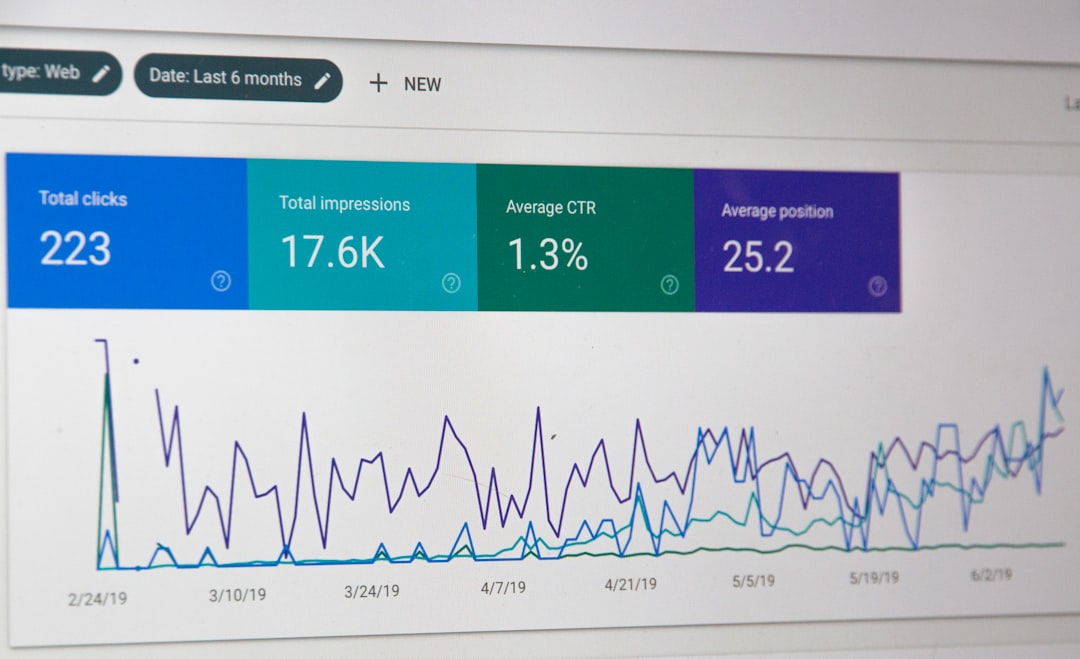
One of the most powerful features of academic scheduling software is its ability to turn scheduling activity into usable data. Instead of relying on guesswork, institutions can analyze patterns across terms and years.
This data can answer important questions, such as:
- Which courses consistently fill to capacity?
- Which time slots are most popular with students?
- Which rooms are underused or overbooked?
- Where are bottlenecks occurring in degree pathways?
- How much demand exists for online, hybrid, or evening courses?
These insights support better academic planning. Departments can adjust course offerings based on actual demand. Facilities teams can plan renovations based on usage trends. Enrollment managers can anticipate pressure points before registration begins. Senior leaders can make resource decisions with clearer evidence.
In this way, scheduling software becomes more than an operational tool. It becomes a strategic planning asset.
Reducing Costs Across the Institution
Time savings often lead directly to cost savings. When staff members spend fewer hours building and revising schedules, institutions reduce administrative overhead. But the financial benefits can extend much further.
Better scheduling can help reduce costs by improving space utilization, limiting the need for additional sections, preventing under-enrolled classes, and optimizing instructor assignments. It can also reduce the hidden costs of confusion: repeated emails, registration corrections, room change notices, and student advising issues caused by timetable problems.
For example, if an institution can identify low-demand sections earlier, it may combine sections before the term begins rather than after students and instructors have already planned around them. If classroom usage data shows that Friday afternoons are consistently empty, leaders may explore whether scheduling policies, student preferences, or program structures are contributing to inefficient space use.
These small improvements can add up across departments, campuses, and academic years.
Adapting Quickly to Change
Modern education is increasingly flexible, and schedules must be flexible too. Institutions may need to respond to sudden enrollment changes, instructor availability issues, public health requirements, weather disruptions, or shifts between in-person and online instruction.
With manual processes, every change can be slow and risky. Academic scheduling software makes it easier to model different scenarios and implement updates quickly. Administrators can test what happens if a course moves online, if a room becomes unavailable, or if an additional section is needed.
This ability to adapt is especially valuable during high-pressure periods. Instead of rebuilding a schedule from scratch, staff can work within a centralized system that shows dependencies and consequences. That leads to faster decisions and fewer mistakes.
Encouraging Collaboration Between Departments
Academic scheduling often involves many stakeholders, including department chairs, registrars, faculty coordinators, facilities managers, academic advisors, and IT teams. When each group works in a separate spreadsheet or communication thread, collaboration becomes messy and time-consuming.
Scheduling software creates a shared environment where stakeholders can access accurate, up-to-date information. Permissions can be configured so users see and edit only what is relevant to their role. This helps maintain control while improving transparency.
Collaboration also becomes easier because changes are tracked in one place. Instead of wondering which spreadsheet is current, users can rely on a single source of truth. This reduces duplication, improves accountability, and makes the scheduling process less dependent on any one individual’s memory or personal files.
Choosing the Right Scheduling Solution
Not all academic scheduling tools are the same. The right solution depends on the size, structure, and goals of the institution. A small private school may need a straightforward timetable builder, while a large university may require advanced optimization, integration with student information systems, and complex reporting capabilities.
When evaluating software, institutions should consider:
- Ease of use: Can staff learn and apply the system without excessive training?
- Integration: Does it connect with registration, HR, learning management, and room management systems?
- Flexibility: Can it handle different course formats, campuses, and scheduling policies?
- Reporting: Does it provide meaningful data on utilization, demand, and conflicts?
- Scalability: Can it grow with the institution’s future needs?
Successful implementation also requires clear processes. Software is most effective when institutions define scheduling rules, maintain accurate data, train users properly, and encourage collaboration across departments.
A Smarter Way to Manage Academic Complexity
Academic scheduling will always involve complexity because education itself is complex. Institutions must balance human needs, physical resources, academic requirements, and financial realities. However, complexity does not have to mean inefficiency.
Academic scheduling software helps institutions save time and resources by automating repetitive work, reducing conflicts, improving room usage, supporting faculty planning, and giving leaders better data. It transforms scheduling from a stressful administrative burden into a more organized, transparent, and strategic process.
For students, the benefits appear as better access to courses and fewer timetable frustrations. For faculty, they appear as fairer workloads and clearer expectations. For administrators, they appear as saved hours, better decisions, and more efficient use of institutional resources.
In an environment where every hour, classroom, and budget decision matters, smarter scheduling is not just a convenience. It is a practical way for educational institutions to operate more effectively and focus more energy on their central mission: helping people learn.