
The demand for skilled video editors has expanded far beyond traditional film and television. Today, companies of every size need editors to create social media clips, YouTube content, product videos, online courses, short ads, internal training materials, podcasts, livestream highlights, and branded documentaries. If you are searching for the latest video editor vacancies, the good news is that opportunities are broad, flexible, and increasingly remote-friendly—but the competition is also stronger than ever.
TLDR: The latest video editor vacancies are appearing in social media marketing, YouTube production, advertising, e-learning, gaming, corporate communications, and freelance content creation. To apply successfully, you need a focused portfolio, a role-specific resume, and proof that you can edit for the platform the employer cares about. Remote and contract roles are common, but full-time in-house editor jobs are still available at agencies, brands, media companies, and startups. The best applications show not only technical editing skills, but also storytelling, speed, organization, and an understanding of audience engagement.
Where Video Editor Vacancies Are Growing Fastest
The most active hiring areas for video editors are linked to the platforms where audiences spend their time. Short-form video has created a constant need for editors who can produce fast, polished, attention-grabbing clips for TikTok, Instagram Reels, YouTube Shorts, Snapchat, and paid social ads. These roles often require a strong sense of pacing, captions, music timing, hooks, and visual trends.
Another major growth area is YouTube production. Creators, media publishers, educators, and businesses are hiring editors to turn raw footage into engaging long-form videos, thumbnails, teaser clips, and repurposed shorts. In these vacancies, employers usually want someone who understands retention: how to keep viewers watching through smart cuts, pattern interruptions, graphics, sound design, and narrative structure.
Corporate video editing is also thriving. Companies need internal training videos, recruitment films, product demonstrations, conference recaps, customer testimonials, and executive messages. These jobs may be less trend-driven than social media roles, but they often offer steadier schedules, clearer briefs, and long-term employment.
Common Types of Video Editor Jobs Available Now
When browsing the latest vacancies, you will usually see several categories of roles. Understanding the differences can help you apply for the right positions instead of sending the same application everywhere.
- Social Media Video Editor: Focuses on short clips, captions, memes, cuts, hooks, and platform-specific formats.
- YouTube Video Editor: Edits long-form content, intros, transitions, sound effects, b-roll, and short promotional clips.
- Motion Graphics Editor: Combines editing with animation, titles, lower thirds, explainer visuals, and brand graphics.
- Corporate Video Editor: Creates polished business content such as training videos, interviews, testimonials, and presentations.
- Advertising Editor: Produces commercial-style videos, paid social ads, product promos, and campaign assets.
- Podcast Video Editor: Edits multicamera recordings, audio sync, clips, captions, and highlight reels.
- Freelance Video Editor: Works with multiple clients on project-based assignments, often remotely.
- Assistant Editor: Organizes footage, syncs audio, prepares timelines, manages files, and supports senior editors.
Some roles are entry-level, while others ask for several years of experience and advanced skills in color correction, sound mixing, motion design, or post-production workflow. Read job descriptions carefully: a “video editor” vacancy at one company may involve simple clip editing, while another may expect you to produce nearly finished campaigns from raw footage to final export.
Remote, Hybrid, and In-House Opportunities
One of the biggest changes in video editing work is the rise of remote vacancies. Cloud storage, collaborative review tools, proxy workflows, and fast internet connections allow editors to work with teams across the world. Remote jobs are common among content creators, digital agencies, online education businesses, software companies, and e-commerce brands.
However, not every video editing job can be done from home. Some employers still prefer in-house editors, especially if the role involves studio shoots, live events, confidential content, or close collaboration with producers and creative directors. Hybrid roles are also common, where editors work remotely most days but attend shoots, meetings, or review sessions when needed.
If you are applying for remote vacancies, emphasize your ability to manage deadlines, organize files, communicate clearly, and work independently. Employers want reassurance that you can be trusted with large files, multiple revisions, and tight turnarounds without constant supervision.
What Skills Employers Are Asking For
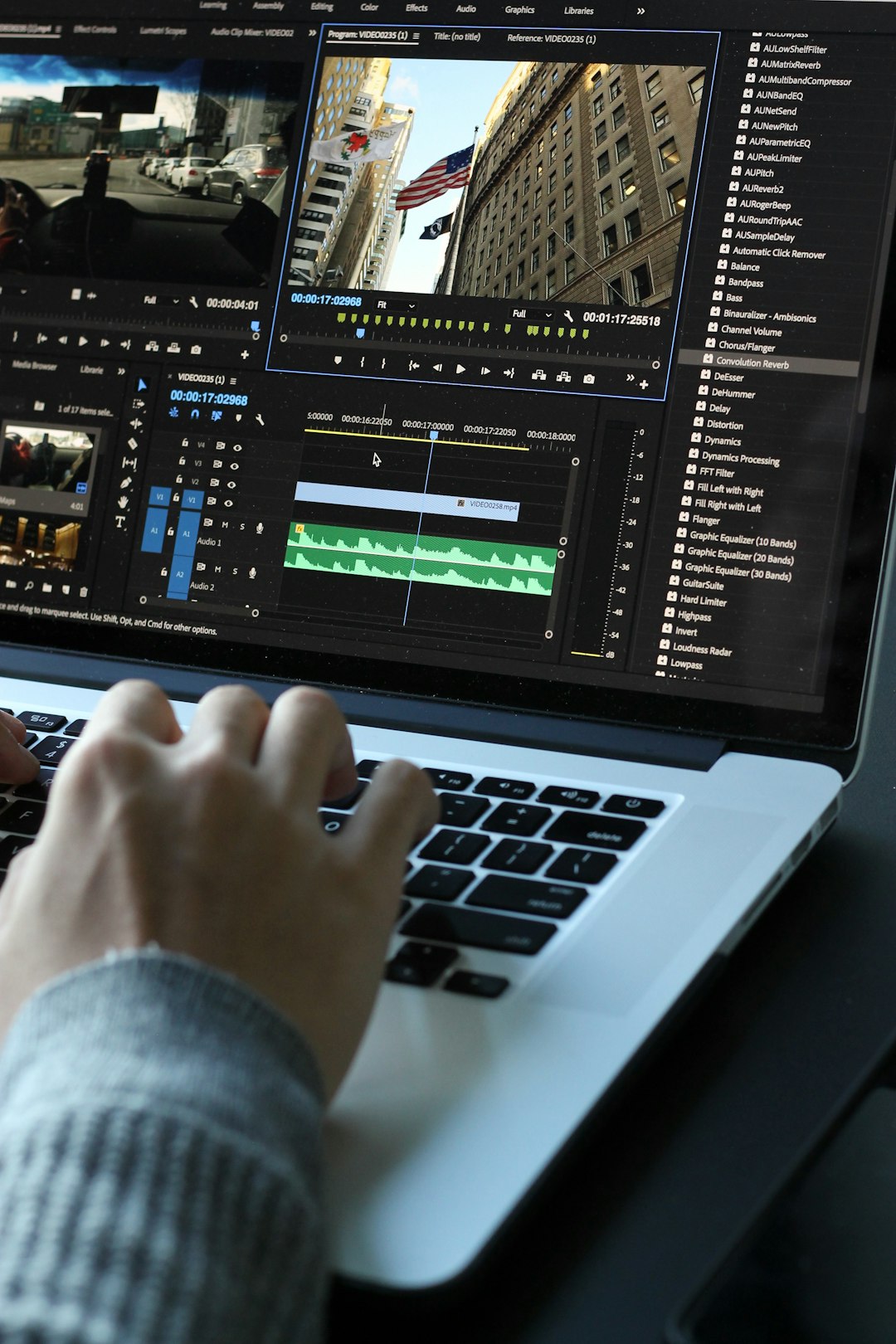
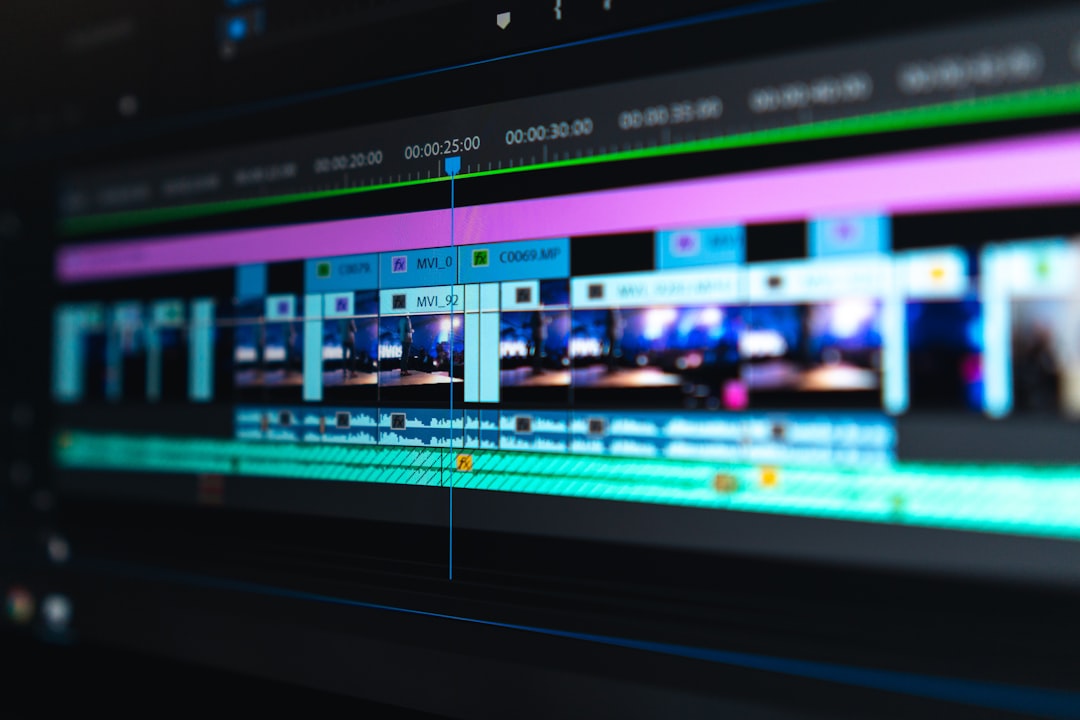
Most video editor vacancies list technical software requirements, but hiring managers are also looking for creative judgment. Familiarity with tools such as Adobe Premiere Pro, DaVinci Resolve, Final Cut Pro, After Effects, and audio-editing software can help you stand out. For social-first roles, experience with captioning tools, templates, aspect ratios, and mobile-first editing is especially valuable.
Beyond software, the most requested skills include:
- Storytelling: Knowing how to structure a video so it feels clear, emotional, and engaging.
- Pacing: Cutting at the right rhythm for the platform, audience, and message.
- Sound design: Using music, effects, and clean dialogue to improve impact.
- Color correction: Making footage look consistent, professional, and aligned with the brand.
- Motion graphics: Adding titles, icons, callouts, and simple animations.
- File management: Organizing footage, versions, exports, and project files properly.
- Feedback handling: Taking notes professionally and making revisions quickly.
The best editors are not just button-pushers. They understand why a cut works, why a viewer might stop watching, and how a brand’s message should feel on screen.
Where to Find the Latest Video Editor Vacancies
To find current openings, use a mix of job boards, creative networks, company career pages, and direct outreach. General job platforms often list full-time and contract roles, while creative communities are better for freelance and specialist opportunities. Search using varied terms such as video editor, content editor, post-production editor, short-form editor, reels editor, YouTube editor, and motion graphics editor.
It is also worth checking the career pages of companies that publish a lot of video content. Marketing agencies, production houses, e-learning companies, gaming studios, fitness brands, online coaches, news publishers, and software companies frequently need editors. Many smaller businesses do not advertise widely, so a thoughtful email with a portfolio link can sometimes lead to paid work before a public vacancy is posted.

How to Build a Strong Portfolio
Your portfolio is usually more important than your resume. Employers want to see what you can actually make. A strong editing reel should be short, focused, and relevant to the vacancy. For most roles, a reel of 60 to 90 seconds is enough, supported by a few full-length examples if available.
If you apply for social media jobs, show vertical edits with captions, quick hooks, and engaging pacing. If you apply for corporate vacancies, include clean interviews, branded graphics, clear audio, and polished transitions. If you want YouTube work, show examples that demonstrate storytelling, humor, rhythm, b-roll usage, and audience retention techniques.
Do not include everything you have ever edited. Instead, curate your best work. Add brief descriptions explaining your role: Did you edit only, or did you also handle color, sound, graphics, script structure, or thumbnail direction? Employers appreciate clarity because it helps them understand your real contribution.
How to Apply for Video Editor Vacancies
A successful application should feel tailored, not generic. Start by reading the vacancy carefully and identifying what the employer values most. Are they looking for speed? Creative storytelling? Social media trends? Corporate polish? Motion graphics? Your resume, cover note, and portfolio link should highlight the exact strengths they mention.
Use this simple application structure:
- Resume: Keep it concise and focused on editing experience, software, industries, and measurable results.
- Portfolio link: Put it near the top of your resume and in your email or application message.
- Short cover note: Mention why your editing style fits the role and include one or two relevant examples.
- Availability: State whether you are open to full-time, part-time, freelance, remote, hybrid, or contract work.
- Rates or salary expectations: Include them if requested; otherwise, be prepared to discuss them later.
A good cover note might say: “I specialize in fast-paced social video editing for educational and lifestyle brands. My portfolio includes vertical clips with captions, animated callouts, and retention-focused openings, which matches the style described in your vacancy.” This is more effective than simply saying you are passionate about video editing.
Preparing for Editing Tests
Many employers ask candidates to complete a test edit. This is normal, but you should approach it carefully. A fair test should be limited in scope, have clear instructions, and not require excessive unpaid labor. If the task looks like a full client project, it is reasonable to ask about compensation or request a smaller sample assignment.
When completing a test, follow the brief exactly before adding creative extras. Use organized project files, clean audio, correct export settings, and thoughtful pacing. If you submit a test edit with a short note explaining your choices, you can show that you think strategically, not just technically.
Tips to Stand Out From Other Applicants
Because video editing is a competitive field, small details can make a big difference. Respond quickly to messages, label your files professionally, and make sure your portfolio loads easily. Avoid sending huge attachments unless requested. A clean link to your reel, examples, and contact details is usually better.
You can also stand out by showing platform awareness. For example, mention that you understand pacing differences between YouTube Shorts and long-form YouTube videos, or that you know how to edit paid ads with multiple hooks and aspect ratios. Employers like candidates who understand both creativity and marketing performance.
Final Thoughts
The latest video editor vacancies offer many paths: full-time roles with brands, remote freelance contracts, agency positions, YouTube editing jobs, podcast production work, corporate content roles, and motion graphics opportunities. To apply successfully, focus on relevance. Show the employer that you can edit the kind of content they actually produce, meet deadlines, take feedback, and improve the final message through smart creative choices.
If you keep your portfolio updated, tailor each application, and continue developing both technical and storytelling skills, you will be well positioned for today’s video editing market. The tools may change, and platforms may rise or fall, but the need for editors who can turn raw footage into compelling stories is only getting stronger.


Leave a Reply