An effective SEO engagement begins long before keyword research, technical audits, or content planning. For an agency, the first step is understanding the client’s business, goals, resources, market position, and expectations. A well-structured SEO client questionnaire template helps agencies collect the right information early, reduce misunderstandings, and build a strategy that is realistic, measurable, and aligned with the client’s priorities.
TLDR: An SEO client questionnaire helps agencies uncover business goals, website history, target audiences, competitors, technical issues, content needs, and reporting expectations. It creates a shared foundation before strategy work begins. The best questionnaires are clear, organized, and focused on information that directly shapes SEO decisions. Agencies that use one consistently are better equipped to deliver transparent, goal-driven campaigns.

Why an SEO Client Questionnaire Matters
An SEO campaign without proper discovery can quickly become unfocused. A client may want more traffic, but the agency must understand what kind of traffic matters, which services or products should be prioritized, and how success will be measured. The questionnaire acts as a bridge between the client’s business knowledge and the agency’s technical and strategic expertise.
It also helps identify potential risks. For example, a site may have suffered from previous penalties, poor migrations, duplicate content, or aggressive link building. If these details are missed during onboarding, the agency may waste time diagnosing problems that could have been disclosed from the start.
Business and Brand Questions
The first section of the questionnaire should focus on the client’s organization. SEO is not only about rankings; it is about supporting business growth. Agencies should gather enough context to understand the company’s position in the market.
- What does the company offer? Clients should describe their products, services, and key revenue drivers.
- What are the company’s main business goals? These may include more leads, online sales, bookings, subscriptions, visits, or brand awareness.
- What makes the brand different from competitors? This helps shape messaging, content angles, and positioning.
- Which products or services are most profitable? SEO priorities should often reflect commercial value, not only search volume.
- Are there seasonal trends? Some businesses experience demand spikes around holidays, events, or industry cycles.
Target Audience Questions
Strong SEO strategies are built around users, not just algorithms. Agencies need to know who the client wants to attract and what those users care about.
- Who is the ideal customer? The answer may include demographics, job titles, company size, interests, location, or pain points.
- What problems does the audience need to solve? This informs keyword research and content planning.
- How does the audience typically make buying decisions? Some users need education, while others are ready to compare providers or request quotes.
- Which geographic areas matter most? This is essential for local SEO, regional landing pages, and location-based campaigns.
- What questions do prospects commonly ask? These questions can become FAQ pages, blog topics, or service page sections.
Website and Technical SEO Questions
The client’s website history can reveal important technical opportunities and challenges. This section should gather access details, platform information, and known issues.
- What is the website URL? Agencies should also ask about subdomains, microsites, or international versions.
- Which platform or CMS is used? Common examples include WordPress, Shopify, custom builds, or enterprise systems.
- Has the site recently been redesigned or migrated? Poorly managed migrations can cause traffic and ranking losses.
- Are there known technical problems? Clients may be aware of slow pages, broken forms, indexing issues, or mobile usability concerns.
- Who manages website updates? Agencies need to know whether edits require developer support, internal approval, or third-party involvement.
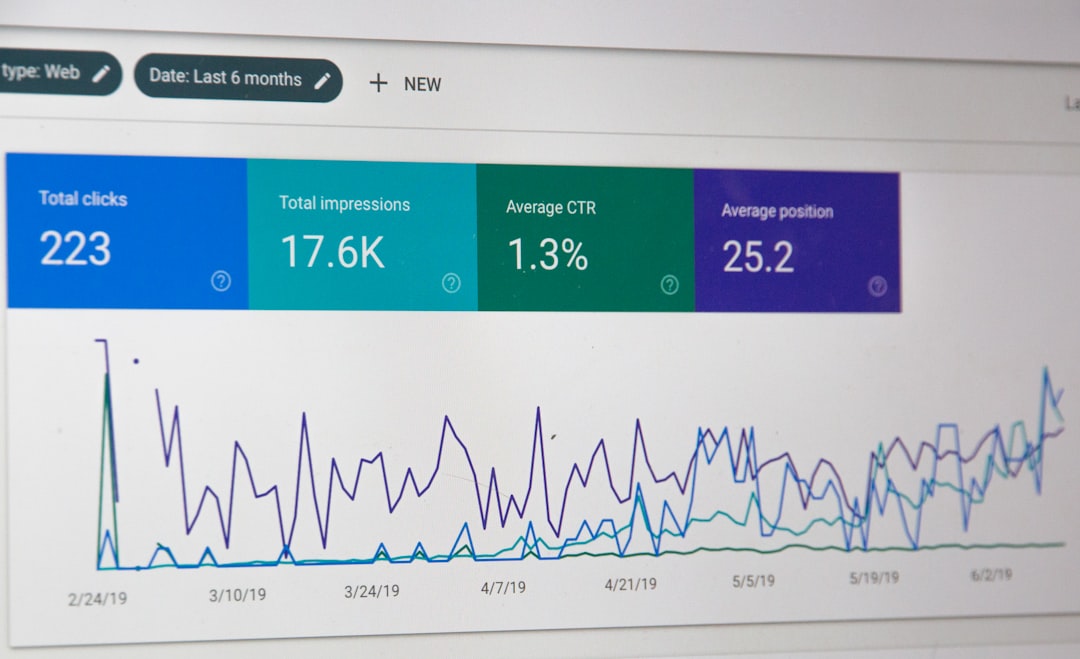
- Can the agency access analytics and search tools? Access to platforms such as analytics dashboards and search performance reports is critical.
Current SEO Performance Questions
Before recommending improvements, an agency should understand what has already been done. This prevents duplicated effort and helps identify whether previous SEO work helped or harmed the site.
- Has the company worked with an SEO agency before? If so, the client should summarize past strategies and results.
- Which keywords does the client believe are important? These terms may not always be the best targets, but they reveal expectations.
- Which pages currently drive leads or sales? High-performing pages can be protected and improved.
- Has the site ever experienced a major traffic drop? This may indicate technical problems, algorithm impacts, or tracking errors.
- Are there existing SEO reports or audits? Previous documents can provide useful background.
Competitor and Market Questions
Competitor research is a core part of SEO strategy. However, agencies should not rely only on tools to identify competitors. The client’s perspective often reveals businesses that compete offline, through referrals, or in niche segments.
- Who are the main competitors? Agencies should ask for both local and national competitors where relevant.
- Which competitors perform well online? This helps identify content gaps and link opportunities.
- What does the client admire about competitor websites? Answers may point to design preferences, content depth, or conversion features.
- What should the brand avoid? Some clients want a distinct tone, positioning, or visual style.
Content and Messaging Questions
Content is central to modern SEO, so the questionnaire should explore existing assets, approval workflows, and subject matter expertise.
- Does the company have existing content? This may include blogs, guides, videos, case studies, white papers, or product descriptions.
- Who approves content? Approval processes affect timelines and campaign speed.
- Are there legal, compliance, or industry requirements? This is especially important for finance, healthcare, legal, and technical industries.
- What tone should the content use? A brand may prefer formal, friendly, educational, luxury-focused, or highly technical language.
- Are internal experts available for interviews? Expert input can improve accuracy, originality, and trust.
Conversion and Lead Generation Questions
SEO traffic has limited value if visitors do not take action. Agencies should investigate how the site converts users and how leads are tracked.
- What counts as a conversion? Examples include form submissions, calls, purchases, downloads, appointment bookings, or quote requests.
- Are conversion goals already tracked? If not, tracking setup should become an early priority.
- Which leads are most valuable? Quality is often more important than volume.
- What happens after a lead is submitted? The sales process can affect how SEO success is evaluated.
- Are landing pages optimized for conversions? Agencies may need to review calls to action, forms, page layout, and trust signals.

Reporting and Communication Questions
Clear communication prevents frustration. Agencies should understand how the client wants updates, which metrics matter, and who should receive reports.
- Who is the main point of contact? This keeps communication organized.
- How often should reporting occur? Many clients prefer monthly reports, while some need more frequent updates.
- Which metrics matter most? These may include organic traffic, rankings, leads, revenue, conversions, visibility, or engagement.
- Who needs access to reports? Executives, marketing managers, and sales teams may require different levels of detail.
- What does success look like after six or twelve months? This answer helps align expectations with realistic SEO timelines.
How Agencies Should Use the Questionnaire
An SEO client questionnaire should not feel like busywork. It should be concise enough for the client to complete, but detailed enough to guide discovery. Agencies can send it before the kickoff call, then use the answers to create a more productive discussion.
The best approach is to organize questions by category and mark essential fields clearly. If a client does not know an answer, that gap can become part of the discovery process. The questionnaire should also be updated over time as the agency learns which questions produce the most useful insights.
FAQ
What is an SEO client questionnaire?
An SEO client questionnaire is a structured set of questions used by an agency to collect information about a client’s business, website, goals, competitors, audience, and current SEO performance.
When should an agency send the questionnaire?
It is usually best to send the questionnaire before the kickoff call. This allows the agency to review the answers in advance and use the meeting for deeper discussion.
How long should an SEO questionnaire be?
It should be detailed but not overwhelming. A practical questionnaire often includes 25 to 50 focused questions, depending on the complexity of the campaign.
Should every client receive the same questionnaire?
A standard template is useful, but agencies should customize it for each client type. Local businesses, ecommerce brands, enterprise sites, and service providers often require different follow-up questions.
What is the most important question to ask?
One of the most important questions is: “What business outcome should SEO help achieve?” This keeps the campaign focused on meaningful results rather than vanity metrics.