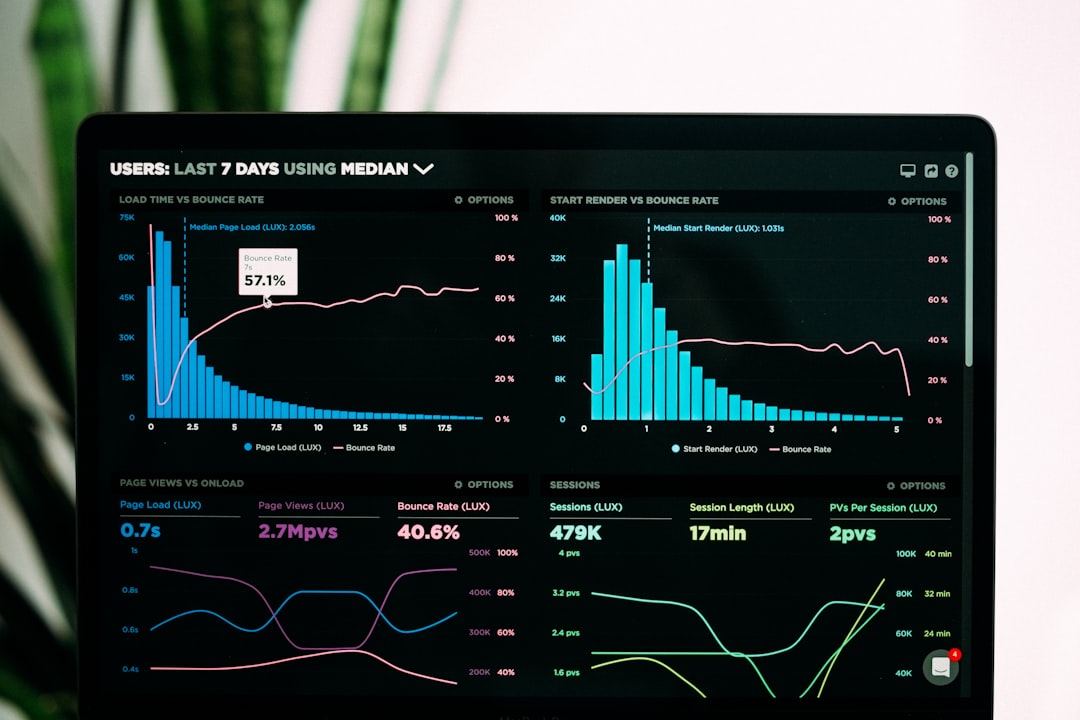
In 2026, paid search and paid social are more competitive, more automated, and more expensive than ever. That makes PPC spy tools especially useful: they help marketers understand which keywords, ads, landing pages, creatives, and offers competitors are using before spending heavily on testing. Used properly, these tools do not replace strategy, but they can shorten research time and reveal patterns that are easy to miss.
TLDR: The best PPC spy tools in 2026 help you analyze competitor keywords, ad copy, creatives, traffic sources, and landing pages. Semrush, SpyFu, and Similarweb are strong all-round options, while tools like Adbeat, WhatRunsWhere, iSpionage, and BigSpy are better for specific ad channels. Choose based on whether you care most about search ads, display campaigns, social creatives, affiliate funnels, or market-level intelligence.
Why PPC Spy Tools Matter in 2026
Modern ad platforms rely heavily on automation, machine learning, and audience signals that are not always visible to advertisers. While you cannot see a competitor’s exact bids or conversion data, PPC intelligence platforms can still show valuable clues: which keywords they are targeting, how long ads have been running, what messages they repeat, and which landing pages they prioritize.
That information can help you avoid obvious mistakes, find gaps in the market, and create stronger testing plans. It can also help shape an ideal customer profile for Meta AI competitor analysis, giving you a clearer picture of who competitors are targeting and where their messaging may fall short. The goal is not to copy competitors word for word. The goal is to understand what they believe is working, then build something sharper, more relevant, and better aligned with your own audience.

1. Semrush Advertising Research
Best for: Google Ads competitor analysis, keyword research, and market visibility.
Semrush remains one of the most complete digital marketing platforms, and its PPC features are especially useful for search advertisers. Its Advertising Research tool lets you inspect competitors’ paid keywords, ad copy, estimated traffic, landing pages, and historical ad positions.
What makes Semrush valuable in 2026 is its combination of PPC and SEO data. You can compare where competitors pay for visibility versus where they rank organically, which is extremely helpful for deciding whether to bid, create content, or do both. It is also useful for identifying competitors you may not have considered, especially in crowded search results.
- Strengths: Paid keyword discovery, ad history, competitor comparison, SEO plus PPC context.
- Limitations: Estimates are not exact, and advanced plans can be costly for small teams.
- Use it for: Building keyword lists, studying search ad messaging, and tracking market movement.
2. SpyFu
Best for: Affordable search PPC spying and long-term keyword history.
SpyFu has long been popular with PPC specialists because it focuses strongly on competitive keyword and ad research. You can enter a domain and see paid keywords, ad variations, monthly estimated spend, competitors, and historical performance trends.
Its biggest advantage is simplicity. If you want a fast look at what a competitor has been bidding on, SpyFu makes that process easy. The historical data is particularly useful because repeated ads often suggest that a campaign has been profitable enough to keep running.
- Strengths: Easy interface, keyword history, competitor discovery, useful PPC reports.
- Limitations: Less comprehensive for social, display, and newer ad formats.
- Use it for: Finding proven paid search keywords and studying competitor ad copy over time.
3. Similarweb Digital Marketing Intelligence
Best for: High-level traffic intelligence across channels.
Similarweb is not only a PPC spy tool; it is a broader market intelligence platform. It helps advertisers understand where competitor traffic comes from, including paid search, display, referrals, organic search, direct visits, and social sources.
This is useful when you want more than individual keywords. For example, you may discover that a competitor relies heavily on paid search in one region but receives most conversions through referrals or display campaigns in another. Similarweb is especially strong for larger brands, agencies, and companies evaluating market share.
- Strengths: Cross-channel visibility, traffic estimates, audience insights, geographic comparisons.
- Limitations: Best data depth usually comes with higher-tier plans.
- Use it for: Understanding competitor channel mix and spotting broader paid media opportunities.
4. iSpionage
Best for: PPC keyword research and landing page funnel analysis.
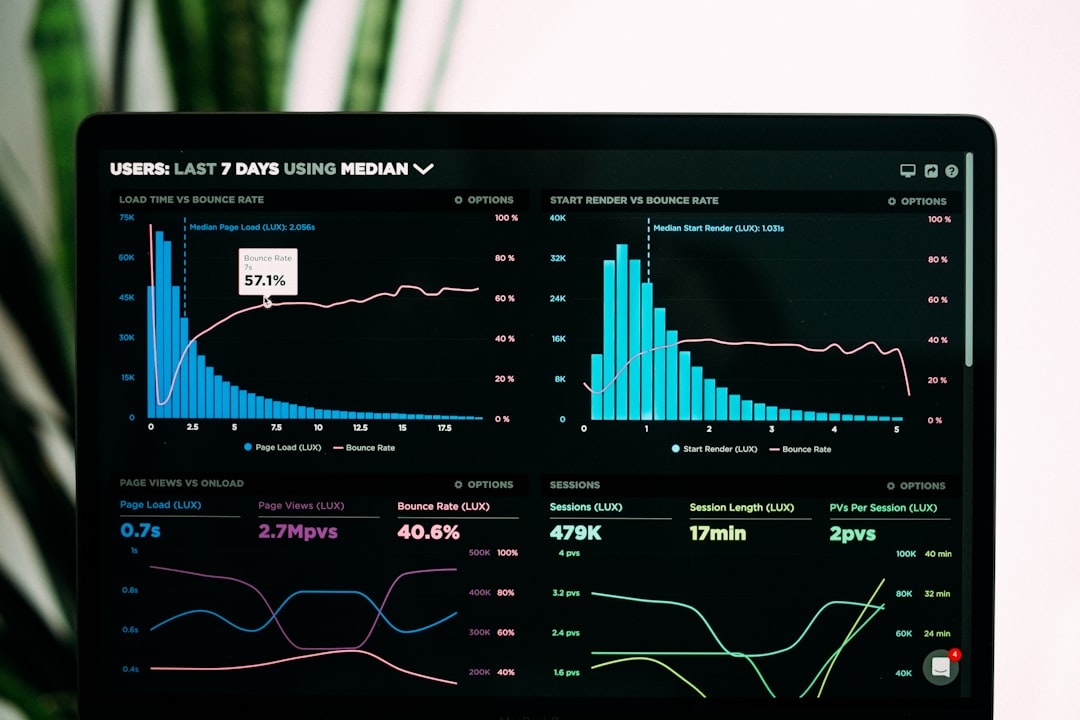
iSpionage focuses on helping advertisers see what competitors are doing in paid search. It provides data on PPC keywords, ad copy, estimated budgets, and landing pages. One of its useful features is the ability to examine competitor funnels, helping you understand the journey from ad click to conversion page.
For 2026 campaigns, landing page intelligence is more important than ever. Many advertisers obsess over bidding and targeting but ignore post-click experience. iSpionage can reveal whether competitors are using lead forms, product pages, comparison pages, free trials, webinars, or discount-focused landing pages.
- Strengths: Landing page insights, PPC keyword data, competitor monitoring.
- Limitations: Interface and data coverage may feel narrower than larger platforms.
- Use it for: Studying search funnels and improving message match between ads and landing pages.
5. Adbeat
Best for: Display advertising and native ad intelligence.
If your competitors run display ads, native placements, or large-scale media buys, Adbeat is one of the strongest tools to consider. It shows where advertisers are placing ads, what creatives they use, which publishers they appear on, and how campaigns evolve over time.
Adbeat is particularly helpful for brands spending beyond Google Search, including ecommerce companies, SaaS advertisers, financial services, and affiliate marketers. Instead of only showing keywords, it helps answer questions like: Which banner designs are competitors testing? Which publishers are they buying from? Are they using native advertorials or direct-response landing pages?
- Strengths: Display creatives, publisher data, native ads, media buying insights.
- Limitations: Less relevant if you only run paid search campaigns.
- Use it for: Reverse-engineering display campaigns and identifying high-value placements.
6. WhatRunsWhere
Best for: Display, mobile, and affiliate advertising research.
WhatRunsWhere is another strong PPC spy platform for advertisers focused on display and mobile environments. It helps users discover ad creatives, traffic sources, landing pages, and networks used by competitors. For performance marketers, this can be valuable because many profitable campaigns are not visible through search keyword tools.
The platform is especially useful when researching aggressive direct-response industries where advertisers test many creatives and offers. If you want to know which ads are appearing repeatedly across networks, WhatRunsWhere can provide ideas for your own testing roadmap.
- Strengths: Mobile ad intelligence, display tracking, affiliate campaign research.
- Limitations: May be more specialized than general business advertisers need.
- Use it for: Finding display funnels, mobile creatives, and recurring offers in competitive niches.
7. BigSpy
Best for: Social ad creative research across multiple platforms.
BigSpy is a useful tool for analyzing social ads, especially when creative testing is a major part of your growth strategy. It collects ads from platforms such as Facebook, Instagram, TikTok, YouTube, Pinterest, and others, allowing marketers to search by keyword, industry, country, format, engagement, and time period.
In 2026, social PPC success often depends on creative variety. BigSpy helps you identify hooks, formats, visual styles, calls to action, and offers that appear frequently in your niche. It is especially helpful for ecommerce, apps, online courses, and consumer brands that need a constant flow of new ad concepts.
- Strengths: Large social ad database, creative inspiration, filtering by platform and region.
- Limitations: Engagement does not always equal profitability.
- Use it for: Social ad ideation, creative trend research, and competitor offer analysis.
How to Choose the Right PPC Spy Tool
The best tool depends on your primary advertising channel. If you mostly run Google Search Ads, start with Semrush, SpyFu, or iSpionage. If you invest heavily in display or native advertising, Adbeat and WhatRunsWhere are more relevant. If your campaigns depend on social creatives, BigSpy can provide faster inspiration than traditional keyword tools.
Also consider your budget and team size. A small business may get enough value from one affordable search-focused tool, while an agency managing multiple clients may need a combination of platforms. Free resources, such as ad transparency libraries from major platforms, can also complement paid tools, though they usually provide less competitive depth.
Final Thoughts
PPC spy tools are most powerful when used as research instruments, not copying machines. The smartest advertisers look for patterns: repeated keywords, recurring offers, long-running creatives, strong landing page angles, and underserved audience segments.
In 2026, rising ad costs make guessing expensive. With tools like Semrush, SpyFu, Similarweb, iSpionage, Adbeat, WhatRunsWhere, and BigSpy, marketers can make better-informed decisions before launching campaigns. Study your competitors carefully, but build campaigns that are distinct, customer-focused, and better than what already exists.