
The demand for video editors is rising because digital content has become a core part of how people learn, shop, communicate, and make decisions. What was once a specialized production role for film, television, or advertising is now essential across nearly every industry. From social media campaigns and corporate training to ecommerce product videos and online education, organizations increasingly need skilled professionals who can turn raw footage into clear, engaging, and commercially useful content.
TLDR: Video editor vacancies are increasing because businesses, creators, and institutions now rely heavily on video to reach audiences. The growth of social media, streaming platforms, remote work, ecommerce, and online learning has created a steady need for polished visual content. While editing software has become more accessible, professional judgment, storytelling ability, and technical expertise remain difficult to replace. As a result, skilled video editors are becoming more valuable across the digital content industry.
The Shift Toward Video First Communication
One of the most important reasons for the rise in video editor vacancies is the broader shift toward video first communication. Audiences increasingly prefer watching short clips, tutorials, product demonstrations, interviews, and explainers over reading long blocks of text. This trend is visible on major social platforms, company websites, learning portals, news outlets, and internal business channels.
Video is effective because it combines visuals, sound, motion, pacing, and emotion. A well edited video can explain a complex topic quickly, build trust with viewers, and encourage action. For businesses, this may mean more sales, higher engagement, better customer education, or stronger brand awareness. For creators and media companies, it can mean larger audiences and more consistent revenue.
However, producing effective video is not simply a matter of recording footage. Raw video often contains pauses, mistakes, inconsistent lighting, unclear sound, and unnecessary material. Editors shape that footage into a coherent final product. They improve pacing, structure the story, add graphics, balance audio, choose music, correct color, and prepare content for different platforms. As video becomes central to communication, the need for people who can perform this work reliably continues to grow.

Social Media Has Changed the Volume of Content Needed
Social media is one of the strongest drivers of video editing jobs. Platforms such as TikTok, Instagram, YouTube, Facebook, LinkedIn, and other short form video channels have made frequent publishing a competitive necessity. Brands and creators no longer release one polished video every few months. Many now publish multiple videos every week, and some publish every day.
This has changed the nature of production. A single campaign may require several versions of the same video: a vertical version for mobile viewing, a square version for feeds, a widescreen version for YouTube, a short teaser, a longer explanation, subtitle versions, and clips adapted for different audiences. Each version must be edited carefully to fit platform requirements and viewer habits.
The pressure for speed is also significant. Social media trends move quickly, and organizations that respond late may miss the opportunity entirely. As a result, companies are hiring in house editors, freelance editors, and agency based specialists who can produce content quickly without sacrificing quality. This constant demand for fresh, platform specific video is a major reason vacancies are increasing.
Businesses Outside Traditional Media Now Need Editors
In the past, video editing jobs were concentrated in entertainment, broadcasting, advertising, and production studios. Today, video editors are needed in sectors that historically had little connection to media production. These include healthcare, finance, real estate, software, education, retail, manufacturing, hospitality, and nonprofit organizations.
For example, a software company may need product walkthroughs, customer testimonials, onboarding videos, conference recordings, and promotional clips. A real estate firm may need property tours and neighborhood videos. A hospital may produce patient education materials, public health messages, and staff training videos. A university may require online lectures, promotional campaigns, research explainers, and student recruitment content.
This broader adoption of video has expanded the employment market. Vacancies are not only coming from creative agencies or film studios; they are appearing in corporate marketing departments, human resources teams, ecommerce businesses, educational institutions, and public sector organizations. The role of the video editor has become part of the modern communications infrastructure.
Ecommerce and Product Marketing Depend on Video
Ecommerce has created another powerful source of demand. Customers shopping online cannot physically inspect products, so video helps bridge the gap between digital browsing and real world experience. Product videos can show size, texture, functionality, use cases, assembly instructions, and customer benefits more clearly than images alone.
Retailers and brands increasingly use video on product pages, advertisements, marketplaces, email campaigns, and social shopping platforms. These videos must be concise, visually appealing, and conversion focused. A poorly edited product video may confuse viewers or weaken trust; a strong one can support purchasing decisions and reduce returns.
Because ecommerce is highly competitive, many companies continuously test different video formats. They may compare short demonstrations, lifestyle videos, influencer style clips, unboxing videos, and customer review edits. This testing requires a steady production pipeline, which creates ongoing opportunities for editors who understand both visual storytelling and commercial objectives.

Online Learning and Training Are Expanding
The growth of online education has also increased the need for video editors. Universities, training companies, independent educators, and businesses now produce large volumes of instructional content. This includes lectures, course modules, animated explainers, software tutorials, safety training, compliance lessons, and professional development programs.
Educational video requires a particular type of editing discipline. The goal is not only to make content attractive but also to make knowledge easier to understand. Editors may need to remove distractions, highlight key points, add captions, insert diagrams, synchronize slides, improve poor audio, and divide long recordings into manageable lessons.
In corporate settings, video based training is often more scalable than live instruction. Once produced, training videos can be reused across departments, offices, and time zones. This makes video editing a practical investment for organizations. As more training and education move online, demand for editors with instructional and technical skills is likely to remain strong.
Remote Work Increased Internal Video Communication
The rise of remote and hybrid work has changed how companies communicate internally. Many organizations now rely on recorded messages, virtual town halls, webinar replays, onboarding videos, screen recordings, and leadership updates. These materials often need editing before they can be distributed professionally.
Internal videos may not always be public facing, but they still affect employee experience and organizational credibility. A clear, well structured update from leadership can help employees understand priorities. A carefully edited onboarding video can help new staff feel more prepared. A concise recording of a meeting can save time for people who could not attend live.
This trend has created a quieter but meaningful category of video editing work. Companies are recognizing that internal content must also meet quality standards, especially when teams are distributed and attention is limited.
Streaming, Podcasts, and Creator Businesses Need Post Production
The creator economy has become a serious employment driver. Independent creators, podcasters, streamers, coaches, consultants, and small media businesses are producing professional content at a scale that often requires editing support. As creators grow, they usually reach a point where editing becomes too time consuming to handle alone.
Long form podcasts may be turned into short clips. Live streams may become highlight reels. Interviews may need cleanup, captions, color correction, and branded intros. A single recorded session can generate multiple pieces of content for different platforms. This repurposing strategy is efficient, but it also increases the editing workload.
Many creators now operate like small production companies. They manage content calendars, sponsorship obligations, audience analytics, and brand partnerships. Reliable editors become essential partners in maintaining consistency and professionalism.
Technology Has Made Editing More Accessible, But Not Less Valuable
Modern editing software, templates, artificial intelligence features, and cloud based collaboration tools have made video production more accessible. Some people assume this reduces the need for professional editors. In practice, it often has the opposite effect. As more organizations attempt to produce video, they quickly discover that tools alone do not guarantee quality.
Editing is not just technical assembly. It involves judgment, rhythm, storytelling, audience awareness, brand consistency, and problem solving. Automated tools can generate captions, suggest cuts, or remove background noise, but they cannot fully understand strategy, tone, context, or emotional impact. A professional editor knows what to remove, what to emphasize, when to slow down, when to add silence, and how to guide the viewer’s attention.
Technology also raises expectations. Viewers are exposed to high quality visuals every day, so weak editing is easier to notice. Businesses that want to compete for attention need content that feels polished, credible, and appropriate for the platform. This keeps skilled editors in demand, even as software becomes more powerful.
What Employers Are Looking For
As vacancies increase, employers are becoming more specific about the skills they want. Technical ability remains important, but it is no longer enough by itself. Many organizations want editors who can understand content goals and work efficiently with marketers, producers, designers, subject matter experts, and clients.
Commonly valued skills include:
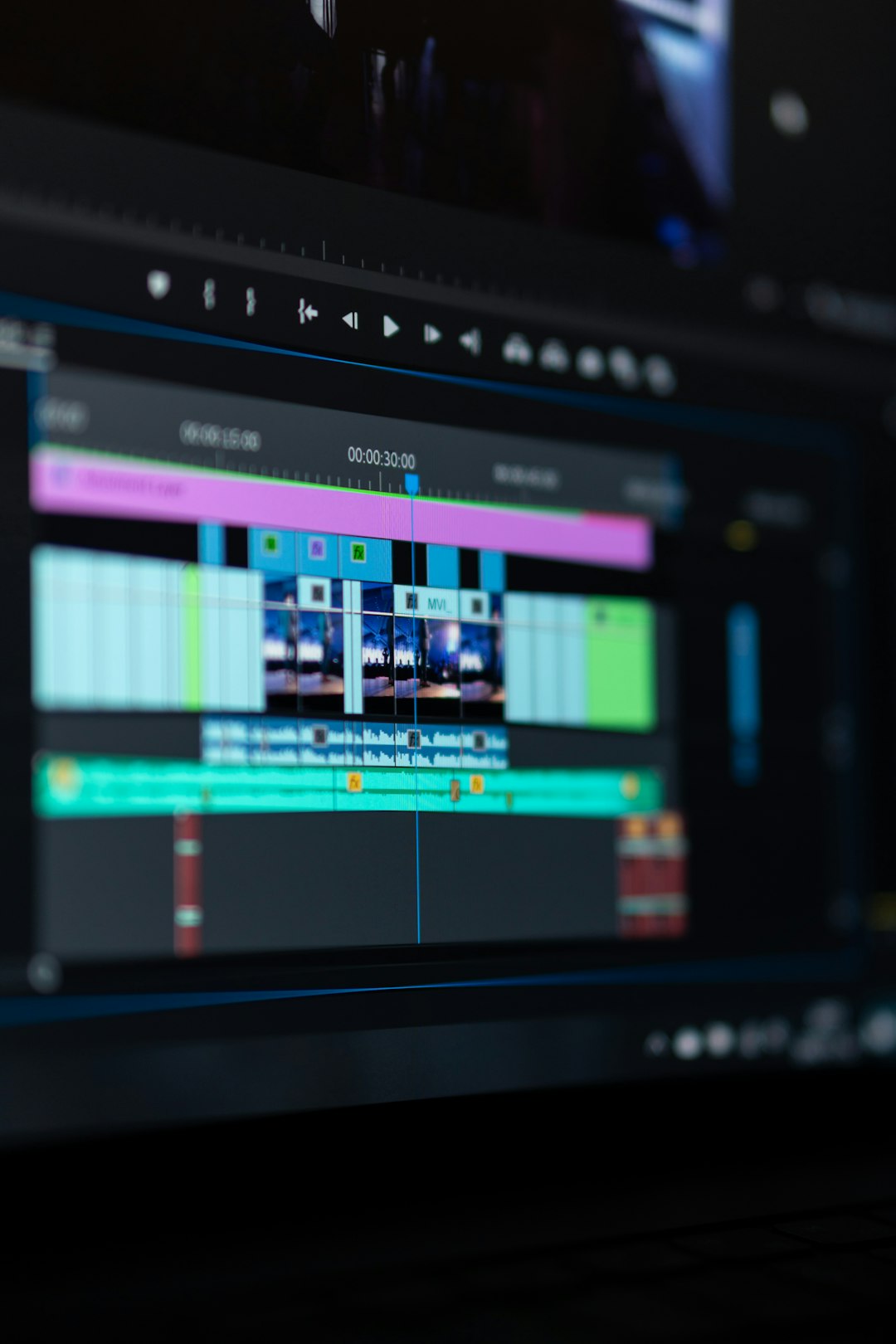
- Proficiency with editing software, such as professional nonlinear editing platforms and motion graphics tools.
- Strong storytelling ability, including pacing, structure, and emotional clarity.
- Audio editing skills, because poor sound can damage the credibility of even visually attractive content.
- Color correction and visual consistency, especially for brand and commercial projects.
- Platform awareness, including aspect ratios, captions, thumbnails, and audience behavior.
- Collaboration and communication, particularly in fast moving content teams.
- Organization and file management, which are essential when handling large volumes of footage.
Editors who combine technical competence with strategic understanding are especially attractive to employers. The most valuable professionals are often those who can improve a project, not merely complete instructions.
Why the Increase in Vacancies Is Likely to Continue
The increase in video editor vacancies is not a temporary trend. Several long term forces suggest continued demand. Internet speeds are improving, mobile video consumption remains high, online advertising continues to shift toward video, and businesses are investing more heavily in digital communication. At the same time, audiences expect content to be frequent, clear, and visually engaging.
There is also a practical issue of supply. While many people can perform basic edits, fewer can consistently deliver professional results under deadlines, adapt content for multiple platforms, manage feedback, and maintain brand standards. This gap between basic editing familiarity and professional production capability contributes to ongoing recruitment needs.
In addition, video content is rarely a one time requirement. Once an organization builds a video strategy, it usually needs continuous output: campaign videos, announcements, social clips, case studies, tutorials, event coverage, and performance updates. This creates recurring demand rather than isolated projects.
Conclusion
Video editor vacancies are increasing because video has become a central language of the digital economy. Businesses use it to sell, teach, inform, train, recruit, entertain, and build trust. Social media has accelerated the need for frequent content, ecommerce has made product video essential, online learning has expanded instructional production, and remote work has increased internal video communication.
Although editing tools are more accessible than ever, professional editors remain important because effective video depends on more than software. It requires judgment, structure, technical skill, and an understanding of audience behavior. For organizations, hiring skilled editors is no longer just a creative decision; it is a strategic investment in communication quality. For professionals entering or advancing in the field, the growth in vacancies reflects a clear reality: video editing has become one of the most important roles in the digital content industry.





Leave a Reply