Your dealership may have one showroom. Or five. Or twenty. Great news. Each location can win local searches. Bad news. Google will not guess the details. You must make each store easy to find, easy to trust, and easy to choose.
TLDR: Multi-location local SEO helps each dealership show up for shoppers near that specific store. Create a strong page for every location, keep all business details consistent, and build local trust with reviews and local content. Treat each rooftop like its own mini brand, while keeping the main dealership group consistent.
Why Local SEO Matters for Car Dealerships
Car buyers search with local intent. They type things like Honda dealer near me, used trucks in Dallas, or oil change near me. These are not random searches. These people are ready to visit, call, book, or buy.
Local SEO helps your dealership appear in:
- Google Maps results
- The local pack
- Organic search results
- Voice searches
- Mobile searches from nearby shoppers
For a single store, this is important. For multiple stores, it is critical. Each location needs its own visibility. Otherwise, one store may steal attention from another. Or worse, none of them stand out.
Start With Clean Location Data
Local SEO begins with basic facts. They may seem boring. But they are powerful.
For each dealership location, confirm the following:
- Name: Use the real business name.
- Address: Match the exact physical location.
- Phone number: Use a local number when possible.
- Hours: Include sales, service, and parts hours.
- Website URL: Link to the correct location page.
This is often called NAP. It means name, address, and phone number. Keep it the same everywhere. Google likes consistency. Customers do too.
If one site says “Street” and another says “St.”, that is usually fine. But if one listing has an old phone number, that is trouble. Bad data creates confusion. Confusion kills clicks.
Create One Page for Every Location
Do not send every local listing to your homepage. That is like dropping every shopper at the front door of a giant mall. It is not helpful.
Each dealership location should have its own page. This page should be built for that exact store.
Include these details:
- The dealership name
- Full address
- Local phone number
- Store hours
- Sales, service, and parts information
- Directions and parking notes
- Staff photos if possible
- Customer reviews
- Inventory links for that location
- Service booking links
Make the page feel local. Mention nearby roads, neighborhoods, landmarks, and cities served. But keep it natural. Do not stuff keywords like a glove box full of old receipts.
Optimize Google Business Profiles
Each location needs its own Google Business Profile. This is the listing that appears in Google Maps and local results.
For every profile, add:
- Correct business category
- Accurate address
- Local phone number
- Website link to the matching location page
- Sales hours
- Service hours
- Parts hours
- Photos of the building and showroom
- Photos of the service lane
- Current offers and updates
Your main category should be as specific as possible. Examples include Car dealer, Used car dealer, or Truck dealer. Add secondary categories for service, parts, or brand specialties when accurate.
Post updates often. Share sales events, service specials, new arrivals, and holiday hours. Google likes active profiles. Shoppers like fresh information.
Keep Inventory Local
Inventory is the shiny heart of dealership SEO. People want to see real cars. Not vague promises.
Make sure shoppers can filter inventory by location. If a used SUV is at your north store, say so. If a truck is at your west store, say so. Do not make people call three stores to find one vehicle. That is not fun. That is a scavenger hunt.
Vehicle detail pages should include helpful local signals when possible. Mention the store name, location, and availability. Add clear calls to action like:
- Check availability
- Schedule a test drive
- Get today’s price
- Value your trade
- Call this location

Build Reviews for Each Store
Reviews are local SEO rocket fuel. They help rankings. They also help people trust you.
Do not collect reviews only for the main location. Each store needs its own review strategy. Ask happy customers to review the location they actually visited.
Train your sales and service teams to ask at the right time. The best moment is right after a good experience. For example, after a smooth delivery. Or after a fast oil change.
Reply to reviews too. Yes, even the grumpy ones. Keep replies polite, short, and helpful. Never argue. The review reply is not only for that customer. It is for every future shopper reading it.
Use Local Content That Real People Want
Local content should not sound like a robot wearing a sales badge. It should answer real questions.
Create helpful pages and posts for each market. Try ideas like:
- Best family SUVs for driving in your city
- Winter tire tips for local roads
- Used trucks for nearby job sites
- EV charging options near your dealership
- Bad credit financing options in your area
- Service specials for local commuters
Use simple language. Add local examples. Mention nearby areas your customers know. This helps search engines. More importantly, it helps humans.
Avoid Duplicate Location Pages
Here is a common mistake. A dealership group creates ten location pages. Each page says almost the same thing. Only the city name changes.
That is not optimization. That is copy and paste with a mustache.
Make every location page unique. Add different photos. Add real team details. Add specific services. Add local reviews. Mention local neighborhoods. Include unique driving directions. Show what makes that store special.
Google wants useful pages. Shoppers want useful pages. Give both groups what they want.
Manage Local Listings and Directories
Google is big. But it is not the only place your dealership appears. Your locations may be listed on many sites.
Check listings on:
- Bing Places
- Apple Maps
- Yelp
- Car buying sites
- Local chambers of commerce
- Industry directories
Make sure every listing has the right business details. Fix old addresses. Remove duplicate listings. Update closed locations. Bad listings are like flat tires. They slow everything down.
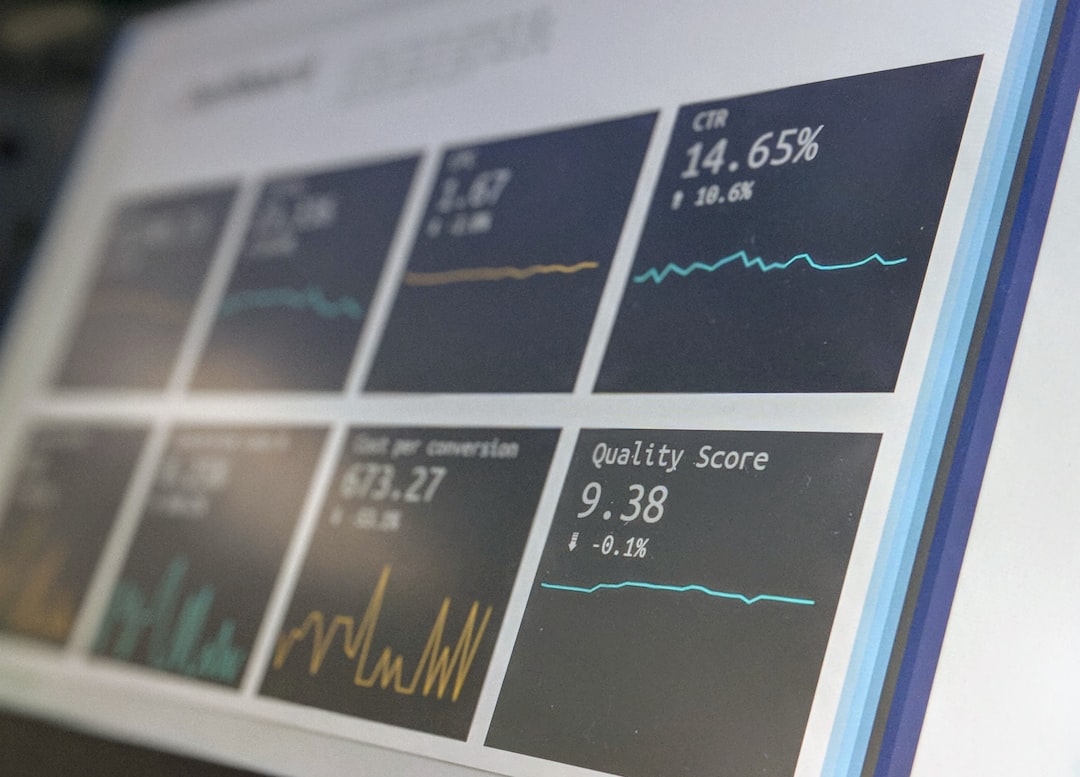
Track Results by Location
You cannot improve what you do not measure. Track SEO results for each store, not just the whole group.
Watch these numbers:
- Google Business Profile views
- Direction requests
- Phone calls
- Website clicks
- Local keyword rankings
- Form leads
- Service bookings
- Test drive requests
This helps you spot winners and weak spots. Maybe one location gets many calls but few direction requests. Maybe another ranks well for service but not sales. Use the data. Then tune the engine.
Do Not Forget Mobile Users
Most local searches happen on phones. People search while sitting on the couch, riding as passengers, or standing in a parking lot. Your site must be fast and easy on mobile.
Make sure buttons are clear. Phone numbers should be tap to call. Maps should open easily. Forms should be short. Nobody wants to pinch, zoom, and squint while shopping for a car.
Make Service a Local SEO Star
Sales gets the spotlight. But service brings steady traffic. Many people search for oil changes, brake repair, tire rotation, battery replacement, and recall service.
Create service pages for each location. Connect them to the right store. Add service hours, coupons, technician details, and booking links. This can bring in customers who may buy later.
Final Lap
Multi-location local SEO is not magic. It is a system. Give each dealership a strong local page. Keep listings clean. Build reviews. Share useful local content. Track what happens.
Think of each location like a car on the lot. It needs the right placement, the right shine, and the right information on the window sticker. Do that well, and local shoppers will find you faster. Then they can visit, call, book, and buy with confidence.