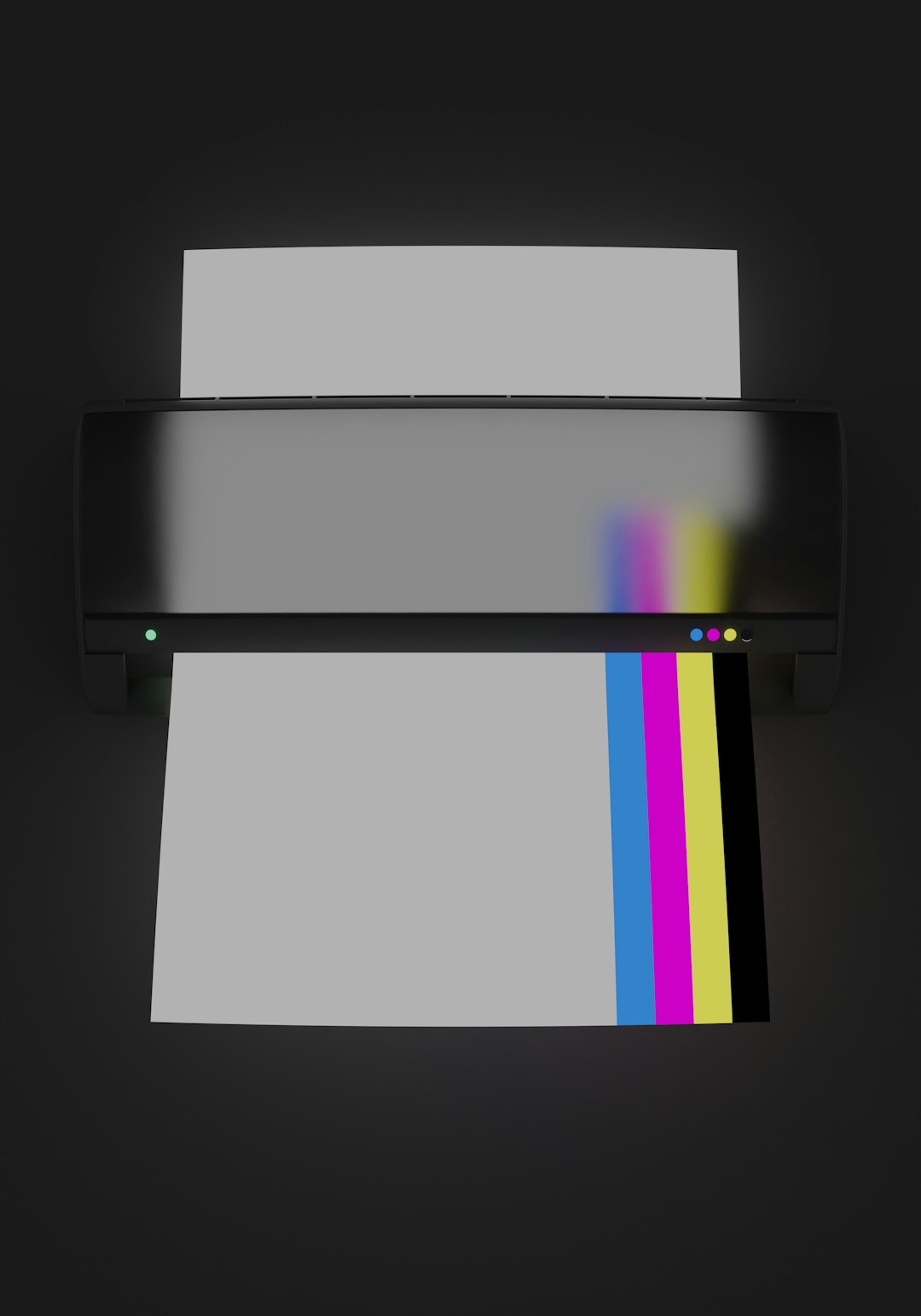
Imagine pressing Print and watching a full color toy, shoe, medical model, or tiny robot part appear from dust, resin, or plastic. Not gray. Not plain white. Full color. Like a photo you can hold. That is the magic of 3D color printing. And the future looks bright, bold, and a little bit wild.
TLDR: 3D color printing is moving from simple prototypes to real products. New machines can print richer colors, smoother surfaces, and stronger parts. Better materials will make color prints useful in medicine, fashion, education, gaming, and manufacturing. Soon, we may print custom objects that look good, work well, and feel personal.
What Is 3D Color Printing?
3D printing builds objects one layer at a time. A normal printer puts ink on paper. A 3D printer puts material on material. It stacks layers until the object is done.
3D color printing adds color during that process. The color is not painted on later. It is printed into the object, or placed onto the surface as layers are made.
This matters a lot. A plain 3D print can show shape. A color 3D print can show shape, texture, detail, and meaning. It can look like skin. Or wood. Or stone. Or candy. Yes, candy colors count.
Color makes things easier to understand. A doctor can see arteries in red and bones in white. A student can hold a map with blue rivers and green forests. A designer can test a sneaker that looks almost ready for a store shelf.
The Main Technologies Behind It
There is not just one way to print in color. There are several. Each has strengths. Each has limits. Think of them as different kitchen tools. A toaster is great. But you do not make soup in it.
1. Binder Jetting
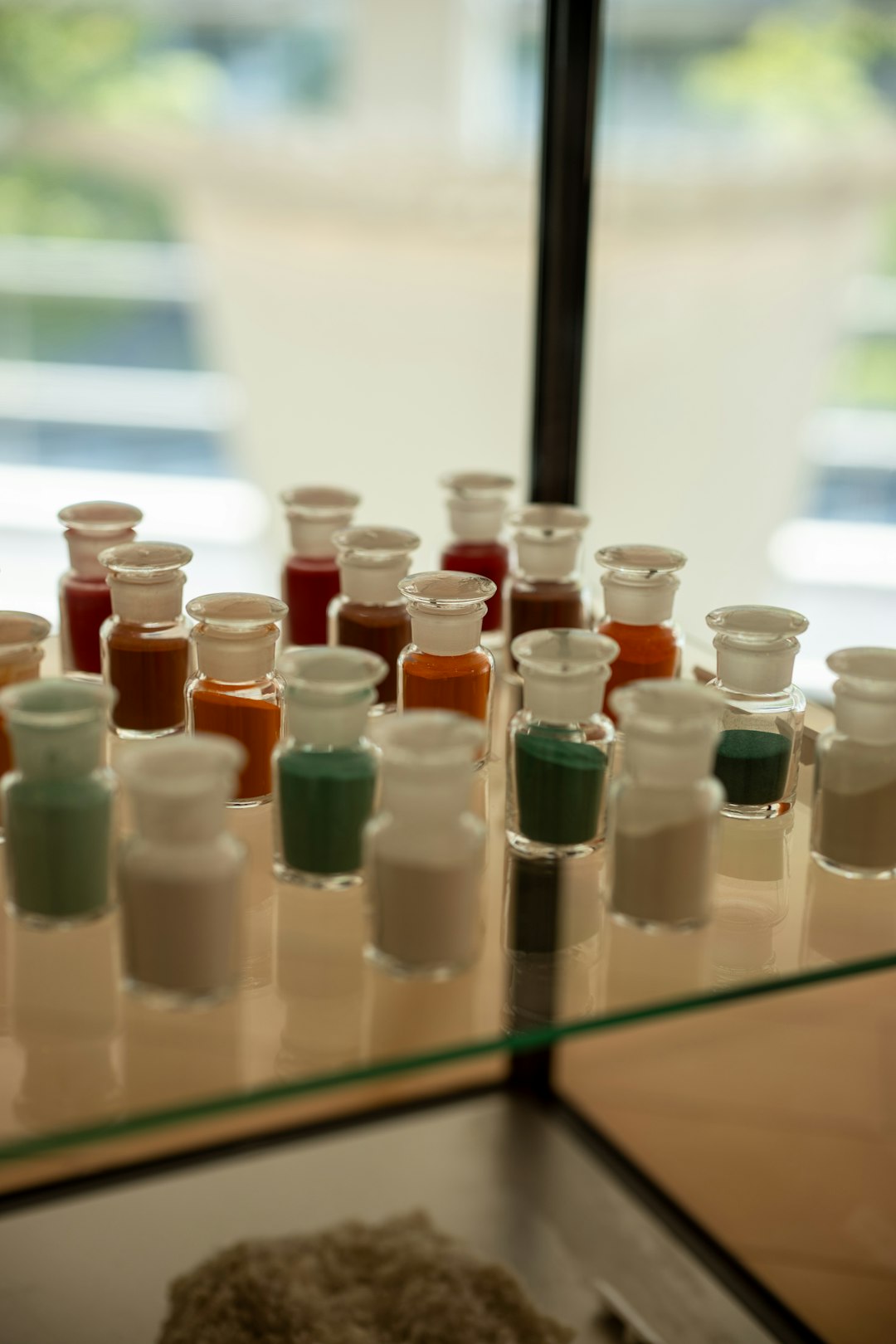
Binder jetting uses a fine powder. A print head sprays a liquid binder onto the powder. The binder glues selected areas together. Color can be added with the binder, like ink in a paper printer.
This method can make colorful models fast. It is useful for figurines, maps, design samples, and architectural models. The parts may need extra finishing. They can be fragile at first. But they can look amazing.
2. Material Jetting
Material jetting works like a super fancy inkjet printer. It sprays tiny drops of liquid material. Then light hardens the drops. It can print many colors. It can also print clear, rubbery, or hard areas in the same object.
This is very exciting. Why? Because color is only one part of realism. A real object also has texture and feel. A medical model may need soft tissue and hard bone. A product prototype may need a clear button and a rubber grip.
3. Full Color FDM
FDM printers melt plastic filament and push it through a nozzle. Many home 3D printers use this method. Color FDM can work by using several filaments. Or by coloring filament before it enters the nozzle.
This method is cheaper and easy to understand. But smooth full color is harder. Colors may look striped or blocky. Still, this area is improving fast. For hobbyists and schools, it may become a great entry point.
4. Vat Photopolymerization With Color
Resin printers use light to harden liquid resin. They can make very detailed parts. Color resin printing is growing. Some systems mix colors or print color layers.
The big promise is detail. Tiny models. Dental guides. Jewelry samples. Game pieces. If the color systems improve, resin printers could make small objects look beautiful and sharp.
Why the Future Is So Colorful
Today, many color prints are good. Tomorrow, they will be better. The future is not just “more colors.” It is smarter color.
Printers will understand color like cameras and screens do. They will match colors more closely. They will print smoother gradients. A face will not look like a potato with makeup. A wood grain will not look like brown stripes on plastic.
Software will improve too. You will scan an object with your phone. Then software will build a color 3D model. Then the printer will make it. Simple. Fast. Fun.
Artificial intelligence may help fix files. It may fill missing textures. It may suggest materials. It may even warn you, “This dragon wing will break. Make it thicker.” Very polite. Very useful.
The Materials Are Getting Better
Color is fun. But materials make objects useful. A pretty part is not enough if it snaps in half like a dry cracker.
Future 3D color printing will depend on new materials. These materials must hold color well. They must also be strong, safe, and affordable.
- Color plastics: These will become stronger and more fade resistant.
- Flexible materials: Useful for shoes, grips, toys, and medical models.
- Clear materials: Great for lenses, light pipes, and display models.
- Biocompatible materials: Important for healthcare and dental uses.
- Composite materials: Mixed with fibers or minerals for strength and texture.
- Eco materials: Made from recycled or plant based sources.
One big goal is multi material color printing. This means one object can have different colors and different properties. A single printed shoe could have a soft red sole, a firm blue support, and a glossy black logo.
That is not science fiction. It is already starting. The future will make it cheaper and faster.
Applications That Will Change Daily Life
Now comes the fun part. What will people do with 3D color printing? The answer is simple. A lot.
Medicine and Healthcare
Doctors love clear information. Color 3D printing can turn scan data into models they can hold. A surgeon can study a heart before an operation. A patient can understand a problem without staring at a confusing black and white scan.
Medical students can train on realistic models. These can show blood vessels, tumors, nerves, and organs in different colors. Some models can also feel more realistic. That helps learning feel less like guessing.
In the future, color printed prosthetics may become more personal. A child could get a bright superhero arm. An adult could get a prosthetic that matches skin tone. Or one that looks like art. Both choices matter.
Education
Color 3D printing can make classrooms more hands on. A volcano model can show layers of rock. A molecule can show atoms in different colors. A history class can hold a printed artifact replica.
Kids learn well when they can touch things. Adults do too. Let us be honest. Everyone likes a good model.
Instead of saying, “Picture this,” a teacher can say, “Pass this around.” That is powerful.
Gaming, Collectibles, and Entertainment
Custom game pieces will be huge. Players could design characters, armor, pets, vehicles, and monsters. Then they could print them in full color. No painting needed.
Movie studios could create props faster. Fans could buy official 3D printed collectibles made on demand. Your favorite creature could sit on your desk. It could also judge your snack choices.
Architecture and Real Estate
Architects already use models. Color makes them easier to read. Walls, roofs, glass, gardens, roads, and water can all appear clearly.
A buyer could view a planned building as a mini model. A city planner could compare new designs. A museum could show how an ancient city once looked.
Fashion and Wearables
Fashion loves color. It also loves bold shapes. 3D color printing can make both.
Designers may print custom jewelry, glasses, bags, shoe parts, and accessories. Clothes are harder, because fabric must bend and breathe. But printed details and flexible structures are getting better.
Imagine ordering glasses that fit your face, match your jacket, and have a pattern nobody else owns. That is personal style with a machine assistant.
Manufacturing and Product Design
Companies use prototypes to test ideas. Color prototypes help teams make better decisions. They show the product as it may look in real life.
This saves time. It reduces confusion. It can also reduce waste. Teams can test before making expensive molds or large batches.
In the future, some final products may be printed in color directly. This is called direct digital manufacturing. It works best for custom, small batch, or complex products.

The Big Challenges
The future is bright. But it is not perfect. 3D color printing still has problems to solve.
- Cost: Many full color printers are expensive.
- Speed: High quality color printing can take a long time.
- Strength: Some color parts are not strong enough for daily use.
- Color accuracy: Matching exact colors is still tricky.
- Surface finish: Some prints need sanding, coating, or curing.
- Software: Color files can be large and complex.
These are normal growing pains. Early paper printers were slow and costly too. Now they are everywhere. The same could happen here, though 3D printing is more complex.
What About Sustainability?
This question matters. Making objects uses energy and materials. Bad 3D printing can create waste. Failed prints are sad little plastic ghosts.
But 3D color printing can also help the planet. It can make products on demand. That means fewer warehouses full of unwanted items. It can reduce shipping if objects are printed closer to buyers. It can also create lighter parts, which save fuel in cars and planes.
Recycled powders, recycled plastics, and safer resins will be important. Good design will matter too. A print should be made only when needed. It should be strong enough to last. It should be easy to repair or recycle.
What Will Happen Next?
Over the next decade, 3D color printing will likely become more common. Not every home will have a full color 3D printer. At least not soon. But print shops, schools, hospitals, and design studios will use them more.
Consumer services may grow quickly. You may upload a file online and receive a full color object in the mail. Or pick it up locally. Like photo printing, but chunkier.
Printers will become easier to use. Materials will become safer. Colors will become richer. Software will hide the hard parts. That is when technology feels magical. Not because it is simple inside. But because it feels simple to us.
A Future You Can Hold
3D color printing is more than a cool trick. It changes how we think about objects. Today, most products are made in large batches. They are shipped around the world. They are designed for “most people.”
Tomorrow, more objects may be made for one person. A brace that fits one wrist. A learning model for one classroom. A collectible for one fan. A shoe sole for one runner. A gift with one perfect silly face on it.
That is the real promise. Not just color. Not just printing. It is the ability to turn digital ideas into physical things that feel personal, useful, and alive.
So yes, the future of 3D color printing will be full of better machines, smarter software, and stronger materials. But it will also be full of imagination. Tiny dragons. Custom medical tools. Bright school models. Wild fashion. Helpful prototypes. Maybe even a coffee mug shaped like your dog.
And honestly, who would not want that?