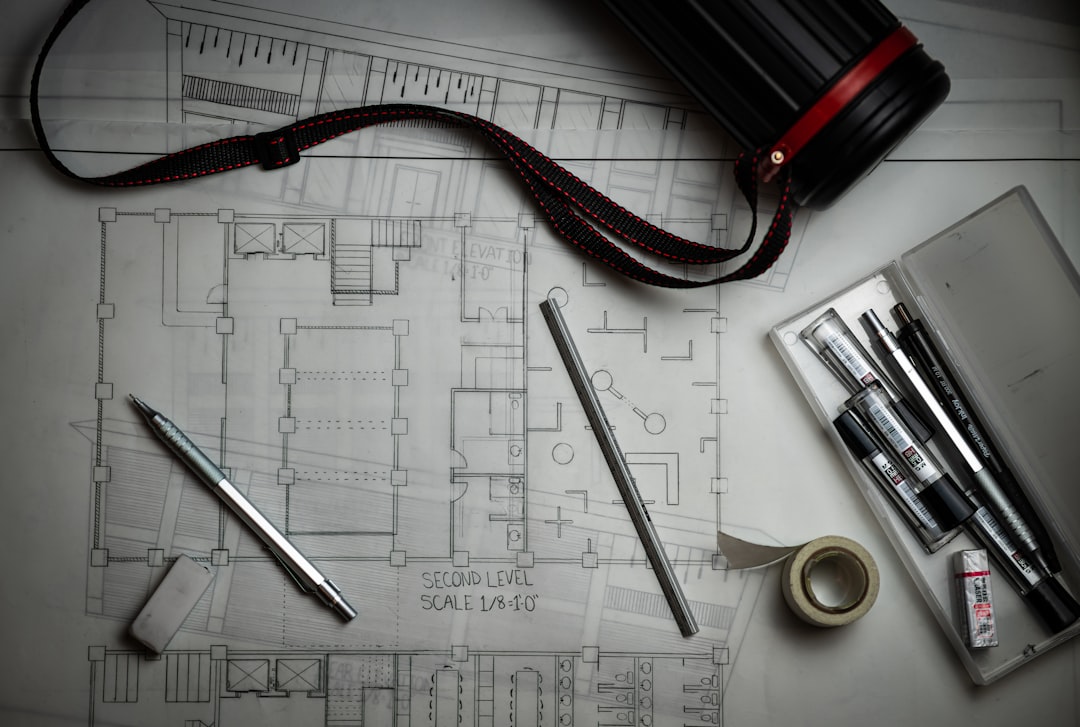
In construction, a visiting card is more than a small piece of printed paper. It is often the first physical touchpoint between a contractor, builder, architect, site supervisor, civil engineer, or construction company and a potential client. A well-designed card can communicate reliability, technical competence, safety awareness, and professionalism before a detailed conversation even begins.
TLDR: A strong construction visiting card should look professional, be easy to read, and clearly present your name, role, company, and contact details. The best designs use durable materials, practical layouts, industry-appropriate colors, and simple visual elements such as structural lines, tools, buildings, or blueprint patterns. Avoid clutter, poor printing, and generic graphics that make your business look less credible. A serious, well-planned card can help clients remember you and trust your services.
Why Visiting Card Design Matters in Construction
The construction industry is built on trust. Clients are often making large financial decisions when they choose a contractor, builder, renovation specialist, or construction consultant. They need to feel confident that the person they are dealing with is organized, accountable, and capable of delivering work safely and on time.
A visiting card cannot prove your technical skill by itself, but it can support your professional image. If your card is poorly printed, cluttered, difficult to read, or outdated, it may create doubts. On the other hand, a clean and confident design suggests that you pay attention to detail, which is a valuable quality in construction work.
For small contractors and independent professionals, a visiting card can also act as a compact marketing tool. It helps you remain visible after a site visit, property inspection, networking meeting, supplier discussion, or client consultation.

Essential Information to Include
A construction visiting card should never force the recipient to search for basic details. The information must be direct, accurate, and easy to scan. The following elements are usually essential:
- Full name: Use your real professional name, not a nickname, unless the nickname is widely known in your market.
- Job title or role: Examples include General Contractor, Civil Engineer, Project Manager, Construction Consultant, or Renovation Specialist.
- Company name: Make it prominent, especially if your business has local recognition.
- Phone number: This is often the most important contact method in construction.
- Email address: Use a professional email rather than a casual or personal-looking one.
- Website: Include it if it presents your portfolio, services, certifications, or completed projects.
- Business address: Useful if you have an office, showroom, yard, or service area.
- License or certification number: If relevant in your region, this can increase trust.
- Services offered: A short line such as Residential Construction, Renovation, Structural Repairs can clarify your expertise.
Do not overload the card with every detail about your business. A visiting card should create contact, not replace a brochure. If needed, use a QR code leading to your portfolio or project gallery, but keep it discreet and properly tested.
Choosing the Right Layout
The layout determines how easily your card can be read. In construction, clarity is more important than decoration. A good layout should guide the eye from the company name to the person’s name, role, and contact details.
A traditional horizontal layout works well for most construction businesses because it feels familiar and practical. A vertical card can look modern and distinctive, but it must still remain easy to read. For companies handling large commercial or industrial projects, a minimal layout with generous spacing can create a serious corporate impression.
Common layout approaches include:
- Logo-focused front, details on back: This works well when you have a strong company logo and want a polished brand impression.
- Contact-first design: Suitable for independent contractors who want the card to be immediately useful.
- Service-based layout: Helpful for businesses offering multiple services such as masonry, roofing, flooring, and renovation.
- Blueprint-inspired layout: Adds industry relevance while maintaining a technical and professional look.
Whitespace should not be considered wasted space. It makes the design cleaner and helps important details stand out. A card packed with text, icons, and images can look cheap even if the printing quality is high.
Color Choices for Construction Visiting Cards
Color has a strong effect on perception. Construction brands often use colors associated with stability, safety, strength, and precision. The right palette should match your business type and target clients.
- Black and white: Serious, modern, and suitable for premium builders, architects, and consultants.
- Yellow and black: Strongly associated with construction equipment, caution signs, and site safety.
- Orange and gray: Practical, energetic, and commonly connected with engineering and industrial work.
- Blue and white: Communicates trust, planning, accuracy, and professionalism.
- Earth tones: Brown, beige, stone, and sand colors can work well for masonry, landscaping, and sustainable building services.
- Dark green: Suitable for eco-friendly construction, sustainable materials, and landscape construction.
Limit your palette to two or three main colors. Too many colors can weaken the quality of the design. If your company already has brand colors, use them consistently across your card, website, uniforms, vehicle graphics, invoices, and site signs.
Typography: Fonts That Look Professional
Typography plays an important role in whether your visiting card feels serious or casual. Construction businesses generally benefit from fonts that are strong, clean, and legible. Avoid overly decorative fonts, handwritten styles, or fonts that look playful. They may not communicate the dependability clients expect from a construction professional.
Good typography practices include:
- Use one primary font for names and headings.
- Use a simple secondary font for contact details if needed.
- Keep the font size large enough to read without effort.
- Avoid placing important information in very light or thin fonts.
- Maintain clear contrast between text and background.
Your phone number and name should be immediately readable. A card may be viewed quickly at a busy job site, in a parked car, or during a client meeting. If the recipient has to squint, the design is not doing its job.
Construction Visiting Card Design Examples
There are many directions a construction visiting card can take. The best option depends on your business size, services, clientele, and brand personality. Below are practical examples that work well in the industry.
1. Minimal Contractor Card
This design uses a white or light gray background, a strong logo, black text, and one accent color such as orange or navy. It is ideal for general contractors, site supervisors, and small construction firms. The advantage of this style is that it feels clean, honest, and easy to trust.
2. Blueprint-Inspired Card
A dark blue background with thin white technical lines can create the impression of planning, engineering, and precision. This type of card is suitable for civil engineers, architects, structural consultants, and design-build firms. The blueprint pattern should be subtle, not so strong that it interferes with the contact details.

3. Heavy Equipment Theme
A card featuring a simple silhouette of a crane, excavator, bulldozer, or tower crane can be effective for earthwork companies, equipment rental services, road construction contractors, and infrastructure businesses. The key is to use clean graphics instead of complicated illustrations.
4. Premium Builder Card
Luxury home builders and high-end renovation companies may prefer a refined card with dark backgrounds, metallic foil, embossed logos, or thick matte paper. This style can suggest exclusivity and craftsmanship. However, premium finishing should be used carefully. If the design becomes too flashy, it may appear less serious.
5. Safety-Focused Card
For companies that specialize in industrial construction, scaffolding, electrical contracting, or site management, a safety-focused card can be useful. Yellow, black, gray, and orange can be used alongside safety helmet icons, caution stripe details, or certification references. This communicates that safety is part of the company culture.
Best Practices for a Serious and Trustworthy Design
A trustworthy construction visiting card is not necessarily complicated. In many cases, the most reliable-looking cards are simple, consistent, and carefully printed. Follow these best practices to create a stronger result:
- Prioritize readability: Every detail should be clear at a glance.
- Use a professional logo: A weak or low-resolution logo can damage the entire design.
- Choose durable paper: Construction cards may be handled on job sites, in vehicles, and outdoors.
- Keep the design aligned: Straight margins and consistent spacing create a sense of discipline.
- Avoid stock clutter: Generic tool icons, random buildings, and excessive graphics can make the card look ordinary.
- Include only useful information: Remove anything that does not help the client contact or understand you.
- Check every detail before printing: A wrong phone number, spelling error, or outdated address can be costly.
It is also wise to print a small sample before ordering a large quantity. Colors often look different on screen than they do on paper. A sample allows you to check readability, paper quality, trimming, and overall appearance.
Paper, Finish, and Print Quality
The physical feel of the card matters. Construction is a practical, material-based industry, so a flimsy card can feel inconsistent with the strength and durability your business may want to communicate. A thicker card stock often creates a more professional impression.
Popular finish options include:
- Matte finish: Serious, modern, and easy to read under different lighting conditions.
- Gloss finish: Bright and bold, but it may show fingerprints and glare.
- Textured paper: Suitable for craftsmen, stonework specialists, carpenters, and premium builders.
- Spot UV: Adds shine to selected areas such as the logo, without overwhelming the design.
- Embossing or debossing: Creates a tactile effect that can feel premium and memorable.
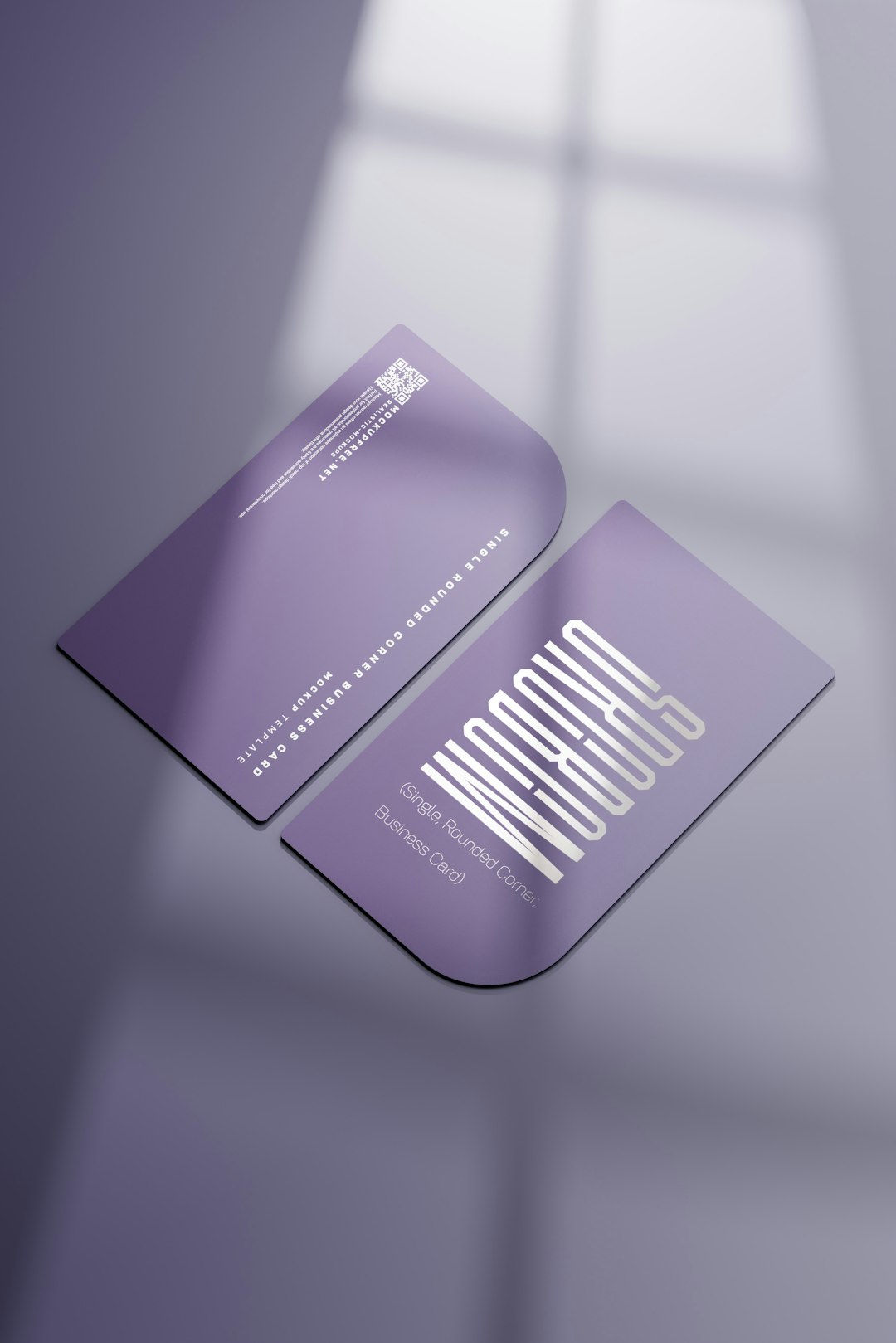
For construction professionals, durability should come before decoration. If your card will often be used at sites, consider thicker stock, matte lamination, or rounded corners to reduce wear.
Common Mistakes to Avoid
Even a good business can look unprofessional if its visiting card is poorly designed. Avoid these common mistakes:
- Too much information: Listing every service, machine, product, and certification can make the card unreadable.
- Low-resolution images: Blurry logos or pixelated backgrounds reduce credibility.
- Poor color contrast: Light gray text on a white background or dark text on a busy image can be difficult to read.
- Unclear job title: Clients should immediately understand what you do.
- Outdated branding: If your vehicle graphics, website, and visiting card all look different, your brand may seem disorganized.
- Cheap printing: Weak paper, uneven trimming, and faded colors can harm your professional image.
Another mistake is designing only for appearance and not for real use. A visiting card should fit into wallets, card holders, folders, and site documents. Unusual sizes may look creative, but they can be inconvenient and easily discarded.
How to Make Your Card More Memorable
A memorable construction visiting card does not need gimmicks. It needs a clear identity. Consider using one distinctive element that reflects your business. This could be a strong tagline, a unique material-inspired texture, a simple structural pattern, or a high-quality logo mark.
Effective taglines for construction cards are usually short and credible. Examples include:
- Built on Trust
- Reliable Construction Solutions
- Planning, Building, Delivering
- Strong Foundations, Lasting Results
- Quality Work, Clear Communication
If you use a tagline, make sure it is true to your business. Avoid exaggerated claims such as the best in the world or guaranteed perfection. Serious clients often respond better to confidence supported by professionalism.
Final Thoughts
A construction visiting card should communicate competence in a compact format. The best designs are clear, durable, and aligned with the way your business wants to be perceived. Whether you are an independent contractor, a renovation expert, a civil engineer, or the owner of a construction firm, your card should make it easy for clients to remember you and contact you.
Focus on readability, trustworthy colors, professional typography, quality materials, and accurate information. Use construction-related visuals only when they support the message rather than distract from it. When designed carefully, a visiting card becomes a small but valuable part of your reputation, helping you leave a serious and lasting impression wherever business conversations begin.