A logo built around the letter P can feel polished, personal, premium, playful, or powerful depending on how it is shaped. In modern branding, a P monogram is often chosen by companies, creators, studios, fashion labels, tech startups, consultants, photographers, and personal brands that want a compact identity with strong recognition. Because the letter has a clear vertical stem and rounded bowl, it offers designers many opportunities to create memorable marks through geometry, negative space, symmetry, motion, and custom typography.
TLDR: A modern logo with P works best when it balances simplicity, personality, and readability. Designers often use monograms, geometric forms, negative space, and custom lettering to make the mark distinctive. The strongest P logos remain recognizable at small sizes, adapt well across digital and print platforms, and reflect the brand’s tone clearly.
Why the Letter P Works Well in Logo Design
The letter P has a naturally strong structure. Its upright stem creates stability, while its curved upper form adds softness and movement. This contrast makes it suitable for a wide range of brand personalities. A financial company may use a bold, architectural P to communicate trust. A beauty brand may use a thin, elegant P to suggest refinement. A creative studio may break the letter apart or reshape it into an abstract symbol.
Another advantage is instant recognizability. Even when stylized, the P usually remains readable because its silhouette is familiar. This allows designers to experiment without losing clarity. A monogram logo can be minimal, ornamental, futuristic, vintage-inspired, or luxurious, yet still communicate the initial effectively.
For brands with names beginning with P, a letter logo also creates efficiency. It can function as a full logo, social media avatar, app icon, favicon, watermark, packaging stamp, or merchandise mark. A well-designed P can become a compact visual signature that represents the entire brand.

Modern Monogram Styles for a P Logo
Modern monograms tend to reduce visual noise and emphasize form. Instead of relying on excessive decoration, they focus on proportion, spacing, contrast, and memorable shape. Several popular directions can inspire a contemporary logo with P.
1. Minimal Geometric P
A geometric P logo uses circles, rectangles, grids, and clean angles to create a balanced mark. This style is common in technology, architecture, consulting, and product brands. The result usually feels rational, professional, and scalable.
- Best for: tech startups, software companies, architecture firms, finance brands, modern agencies
- Visual traits: simple curves, precise spacing, strong vertical alignment, limited color palette
- Brand feeling: reliable, structured, intelligent, contemporary
Geometric P logos work especially well when the circle of the P is carefully matched to the thickness of the stem. A small adjustment in curve weight can make the difference between a logo that feels ordinary and one that feels sophisticated.
2. Luxury Serif P
A serif-based P can create an impression of heritage, elegance, and exclusivity. Designers may use high-contrast strokes, fine terminals, or custom ligature details to produce a high-end monogram. This approach is often seen in fashion, jewelry, hotels, premium skincare, and editorial brands.
The key is restraint. A luxury P should not appear overly complicated. The form can include delicate curves or refined details, but it should remain readable and timeless. Elegance often comes from proportion rather than decoration.
3. Negative Space P
Negative space is one of the most effective techniques for creating a clever letter logo. In a P logo, the missing area inside the bowl can become a hidden symbol, arrow, leaf, face, path, product shape, or second initial. This gives the logo an additional layer of meaning.
For example, a logistics brand might integrate a forward arrow inside the P. A wellness brand might include a leaf shape. A photography brand might turn the bowl into a camera lens. The most successful negative space ideas feel natural, not forced.
4. Abstract P Mark
An abstract P does not need to follow the exact shape of the letter. Instead, it may suggest the letter through partial lines, curves, or repeated forms. This style is suitable for brands that want to feel progressive and artistic.
Abstract monograms can be risky if they become too obscure. A viewer should still understand the relationship to the letter P after a brief glance. Designers often test abstract marks at different sizes to confirm that the form remains recognizable.
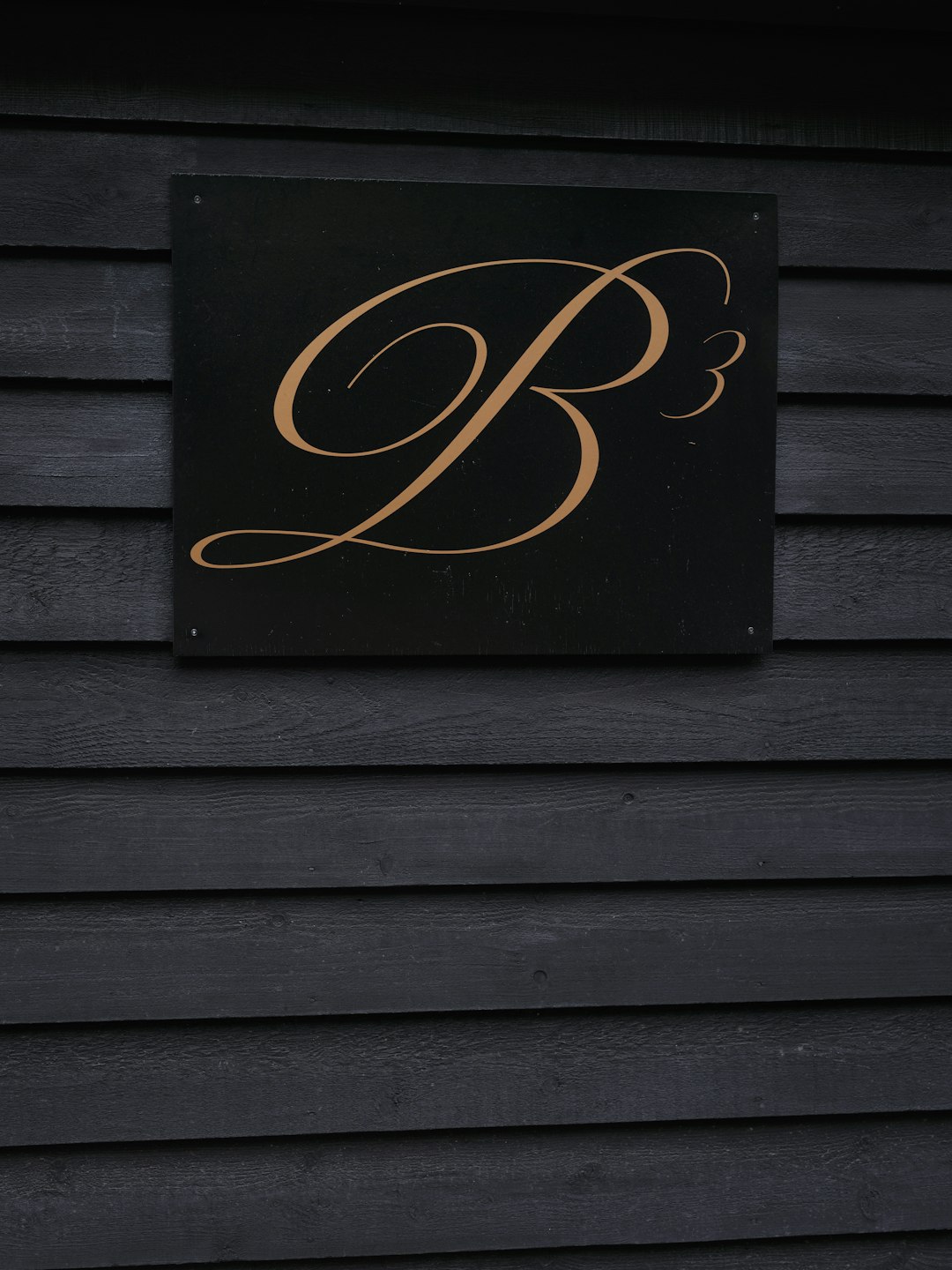
5. Handwritten or Script P
A script P feels expressive, personal, and human. It can suit photographers, artists, bakeries, boutiques, coaches, wedding planners, and lifestyle brands. Depending on the line weight, a handwritten P may appear romantic, casual, elegant, or energetic.
However, script logos require careful refinement. If the letter is too decorative, it may lose clarity when reduced. A strong script P should have a memorable stroke rhythm and enough spacing to remain legible on business cards, social icons, and packaging labels.
Combining P with Other Letters
Many brands need a logo that combines P with another initial. A PP, PA, PR, PL, or PB monogram can create a more personalized identity. The challenge is achieving harmony between the letters.
Designers usually consider whether the letters should be interlocked, stacked, mirrored, or placed side by side. A paired monogram should avoid looking like two unrelated characters. Shared strokes, aligned curves, or consistent line weight can help the letters feel connected.
- Interlocked initials: useful for fashion, law, real estate, and personal brands
- Stacked initials: effective for compact emblems and seals
- Mirrored forms: strong for symmetrical and premium identities
- Overlapping letters: suitable for creative studios and modern agencies
When adding another letter, the P should not dominate unless the brand intentionally wants it to. A balanced monogram gives each initial a purpose while preserving a clean overall silhouette.
Color Ideas for a Modern P Logo
Color strongly affects how a P logo is perceived. A minimal black P may feel timeless and flexible. A blue P can communicate professionalism, technology, and trust. A green P may suggest growth, sustainability, health, or nature. A gold P can signal luxury and prestige.
The best color choice depends on the brand’s audience and industry. A playful children’s brand may benefit from bright, rounded colors. A private investment company may need darker, more conservative tones. A creative agency may use gradients or unexpected color combinations to stand out.
Still, every strong logo with P should work in one color. Before applying gradients, textures, or metallic effects, the mark should be tested in black and white. If the design remains clear without color, it is more likely to perform well across different uses.
Typography and Wordmark Pairing
A P monogram often appears with a full brand name. The relationship between the symbol and wordmark matters. If the monogram is geometric, the wordmark may use a clean sans serif font. If the P is elegant and serif-based, the brand name may use refined typography with generous spacing. If the P is expressive, the supporting type should provide balance rather than compete with it.
Good pairing depends on contrast and consistency. A highly decorative P usually needs a simpler wordmark. A very minimal P may be enhanced by a distinctive typeface. Designers also consider letter spacing, cap height, stroke weight, and alignment so the full identity feels intentional.
A logo should not look like a symbol and a font placed together at random. The monogram and typography should share a visual logic, whether through curves, angles, proportions, or mood.
Using Shape and Symbolism in a P Logo
The structure of the P can be transformed into many symbolic shapes. The rounded bowl can become a planet, speech bubble, leaf, shield, camera lens, play button, flame, or pin. The vertical stem can represent a path, pillar, building, pen, or beam of light. These symbolic choices help connect the letter to the brand story.
For example, a publishing company may turn the P into an open book. A podcast brand may shape it like a microphone. A property firm may incorporate a roofline into the form. A personal trainer may create a P that suggests motion or strength.
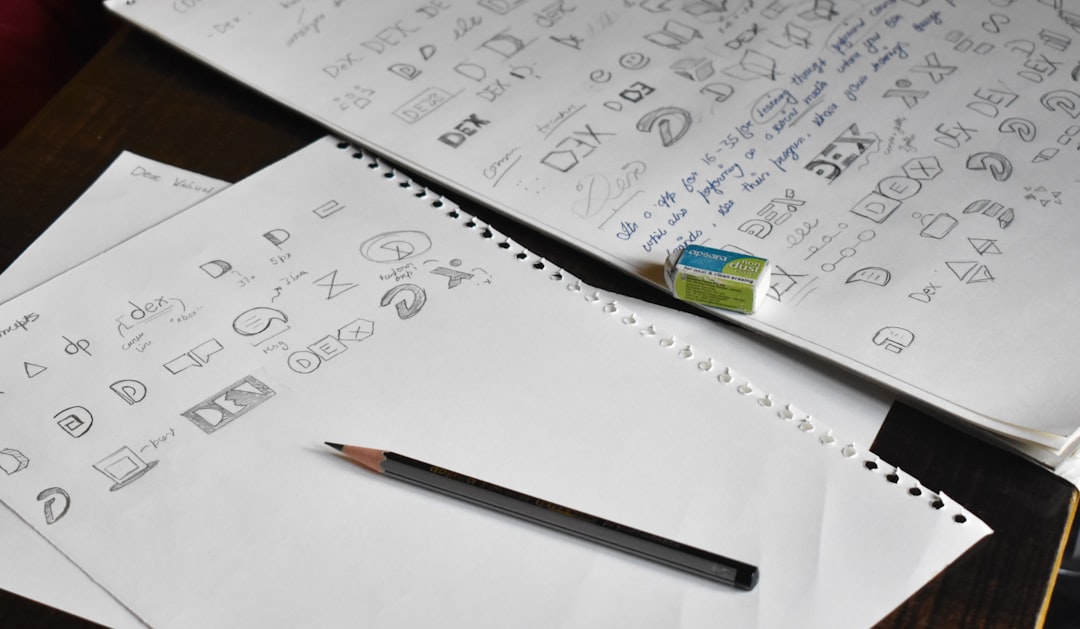
The most effective symbolism is subtle. If too many ideas are added, the logo may become confusing. A single strong concept usually creates more impact than several weak references combined into one mark.
Practical Tips for Designing a P Logo
A modern P logo should be attractive, but it must also be functional. It should remain clear on a website header, social profile, product tag, invoice, presentation slide, storefront sign, or mobile app icon. Practical testing is an essential part of the design process.
- Start in black and white: this helps evaluate form without distraction.
- Check small sizes: the P should remain recognizable as an icon or favicon.
- Avoid unnecessary details: extra lines and ornaments may disappear when scaled down.
- Refine spacing: the inner counter of the P should feel balanced with the outer shape.
- Test different backgrounds: the mark should work on light, dark, and colored surfaces.
- Create horizontal and stacked versions: flexible layouts make the logo easier to use.
- Protect uniqueness: the design should avoid looking like a generic font letter.
Industries That Benefit from P Letter Logos
A logo with P can serve almost any industry, but some sectors use monograms especially well. Personal brands often choose a P logo because it feels like a signature. Professional services use the letter to create trust and authority. Product companies use compact P marks for packaging, labels, and digital icons.
- Photography: a P can be combined with lens, frame, or light symbolism.
- Property and real estate: a P can include architectural lines or roof shapes.
- Publishing: the letter can resemble a page, book, or pen stroke.
- Premium fashion: a serif P can create a refined, editorial identity.
- Performance and fitness: angular forms can suggest speed, power, and momentum.
- Technology: geometric construction can communicate innovation and precision.
Common Mistakes to Avoid
One common mistake is making the P too close to an existing typeface without modification. A logo should feel ownable. If the letter appears to be typed rather than designed, it may not create a memorable identity.
Another mistake is overloading the monogram with effects. Shadows, bevels, gradients, and textures can date a logo quickly if they are not handled carefully. Modern design often favors clean, adaptable forms over visual tricks.
Designers should also avoid sacrificing readability for cleverness. A hidden symbol is useful only if the core letter still works. If the audience cannot recognize the P, the concept may fail despite being visually interesting.
What Makes a P Logo Timeless?
A timeless P logo is usually simple, balanced, and distinctive. It does not rely too heavily on short-lived trends. Its proportions feel deliberate, its lines are clean, and its personality matches the brand. It can evolve through color and application without needing a complete redesign.
The best modern monograms have a sense of inevitability. They look as though the mark could not have been shaped any other way. This quality comes from refinement: adjusting curves, testing spacing, simplifying forms, and removing anything that does not serve the idea.
FAQ
What is a P monogram logo?
A P monogram logo is a brand mark built primarily around the letter P. It may use a simple initial, a custom letterform, or a combination of P with other initials.
What type of brand should use a logo with P?
Any brand with a name beginning with P can use this style. It is especially effective for personal brands, fashion labels, tech companies, photographers, consultants, real estate firms, and luxury businesses.
How can a P logo look modern?
A P logo can look modern through clean geometry, strong spacing, minimal detail, balanced proportions, and a restrained color palette. Negative space and abstract construction can also create a contemporary feel.
Should a P logo be serif or sans serif?
The choice depends on the brand personality. A serif P often feels elegant, traditional, or luxurious, while a sans serif P tends to feel clean, modern, and direct.
Can a P logo include symbols?
Yes. Symbols such as leaves, arrows, lenses, books, buildings, or speech bubbles can be integrated into the P. The symbol should support the brand message without making the mark too complex.
What makes a P logo memorable?
A memorable P logo has a clear silhouette, distinctive detail, appropriate styling, and strong scalability. It should be simple enough to recognize quickly but unique enough to stand apart from generic lettering.