An artist portfolio website is more than a digital gallery. It is a curated experience that tells visitors who you are, what you make, and why your work matters. Whether you are a painter, illustrator, photographer, sculptor, digital artist, or mixed media creator, the best portfolio sites combine visual impact with clarity, personality, and easy navigation.
TLDR: The best artist portfolio websites are visually memorable, simple to browse, and built around the artist’s strongest work. Look for inspiration in sites that use bold imagery, thoughtful storytelling, and clean navigation without distracting from the art. A great portfolio should feel personal, professional, and easy for collectors, galleries, clients, or collaborators to explore.
What Makes an Artist Portfolio Website Stand Out?
A strong artist portfolio website does not need to be complicated. In fact, many of the most impressive examples are built around a simple idea: let the work lead. Large images, generous spacing, minimal menus, and a clear visual hierarchy help visitors focus on the artwork rather than the interface.
The most inspiring portfolios usually share a few important qualities:
- A strong opening impression: The homepage quickly communicates the artist’s style, medium, and mood.
- Curated work: Instead of showing everything, the artist highlights the pieces that best represent their vision.
- Easy navigation: Visitors can find galleries, biography, contact details, exhibitions, and shop links without confusion.
- Professional presentation: High quality images, consistent layouts, and thoughtful copy build trust.
- Personality: The site feels connected to the artist’s voice, not like a generic template.
1. Minimalist Portfolio Websites
Minimalist portfolio websites are popular among fine artists, photographers, and designers because they create a calm viewing environment. These sites often use white or neutral backgrounds, simple typefaces, and plenty of empty space. The purpose is not to look plain, but to give each artwork room to breathe.
This style is especially effective for artists whose work is detailed, colorful, or conceptually complex. A minimalist layout prevents the website from competing with the art. It can also make the portfolio feel more gallery-like, which is useful for artists seeking representation, exhibitions, or serious collectors.
Creative inspiration: Use a clean homepage with one powerful image, a short artist statement, and a simple menu. Avoid cluttering the page with too many sections, buttons, or animations.
2. Editorial Style Portfolio Websites
Some of the best artist portfolio websites feel like beautifully designed art magazines. They combine images with text, interviews, process notes, and stories behind specific projects. This editorial approach works well for artists whose practice involves research, travel, social themes, or personal narratives.
An editorial portfolio can include project essays, studio journal entries, exhibition recaps, or behind the scenes images. This gives visitors more context and helps them understand the thinking behind the work. It also encourages people to spend more time on the site, which can be helpful for building a lasting connection.
Tip: If you use this style, write in a voice that feels natural. You do not need to sound overly academic unless that matches your audience. Clear, thoughtful writing is usually more engaging than dense art language.
3. Immersive Visual Portfolio Websites
Immersive portfolio websites are bold, image driven, and memorable. They may use full screen slideshows, cinematic scrolling, video backgrounds, or interactive image grids. This approach is ideal for digital artists, installation artists, motion designers, photographers, and creators whose work has a strong atmospheric quality.
However, immersive does not mean difficult to use. The best examples still load quickly, work well on mobile devices, and include clear calls to action. If visitors cannot figure out where to click or how to contact you, the visual drama loses its value.
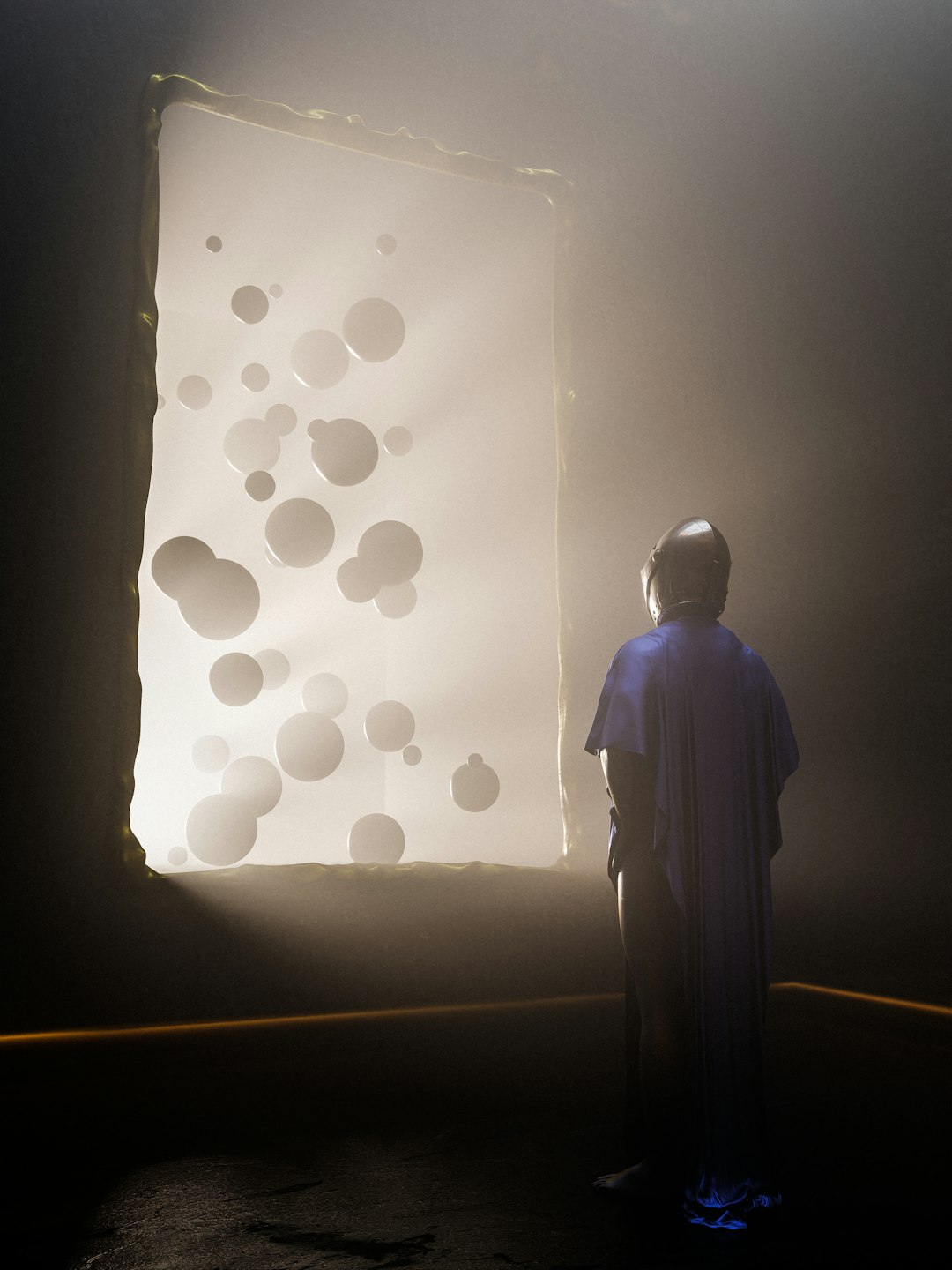
Creative inspiration: Use movement sparingly. A subtle transition or animated gallery can feel elegant, while too many effects can make the site feel chaotic or slow.
4. Portfolio Websites With a Strong Personal Brand
Many memorable artist websites are not just collections of artwork; they are complete creative identities. Color palettes, typography, logo marks, photography, and writing style all work together to express the artist’s personality. This is particularly useful for illustrators, muralists, commercial artists, and creators who collaborate with brands, publishers, or agencies.
A strong personal brand does not mean forcing yourself into a rigid visual system. It means making intentional choices. For example, a playful illustrator might use bright colors, hand drawn icons, and friendly copy. A conceptual photographer might prefer muted tones, elegant typography, and understated text.
When reviewing portfolio websites for inspiration, notice how the design details support the art. Ask yourself: Does the website feel like an extension of the artist’s work? If the answer is yes, the branding is doing its job.
5. Shop Focused Artist Portfolio Websites
For artists who sell prints, originals, ceramics, textiles, or digital products, a portfolio website can also function as an online shop. The key is to balance commerce with presentation. A site that feels too sales heavy may weaken the artistic experience, while a site that hides purchase options may miss valuable opportunities.
The best shop focused artist websites often include:
- Clear product photography with accurate colors and close up details.
- Simple categories such as originals, prints, commissions, or limited editions.
- Transparent pricing and shipping information.
- A short story behind the collection or artwork.
- Easy contact options for commissions or custom requests.
This type of website can still feel artistic and refined. Use the shop as another part of the creative experience rather than a separate, disconnected feature.
6. Portfolio Websites for Emerging Artists
If you are early in your career, you may not have dozens of exhibitions, press features, or client projects. That is completely fine. An emerging artist portfolio can still look thoughtful and professional with a focused selection of work, a clear biography, and a concise artist statement.
Instead of trying to make the site look larger than it is, emphasize direction and potential. Include your strongest pieces, explain your process, and make it easy for visitors to follow your development. A simple news section, studio updates, or work in progress page can show that your practice is active and evolving.
Useful sections for emerging artists:
- Homepage with a strong featured artwork
- Gallery or projects page
- About page with artist statement
- CV, exhibitions, awards, or education
- Contact form and social media links
7. Portfolio Websites That Highlight Process
Many viewers love seeing how artwork is made. A process focused portfolio can showcase sketches, materials, studio photographs, time lapse videos, research boards, or installation documentation. This approach is especially powerful for artists working in sculpture, textiles, murals, ceramics, and mixed media.
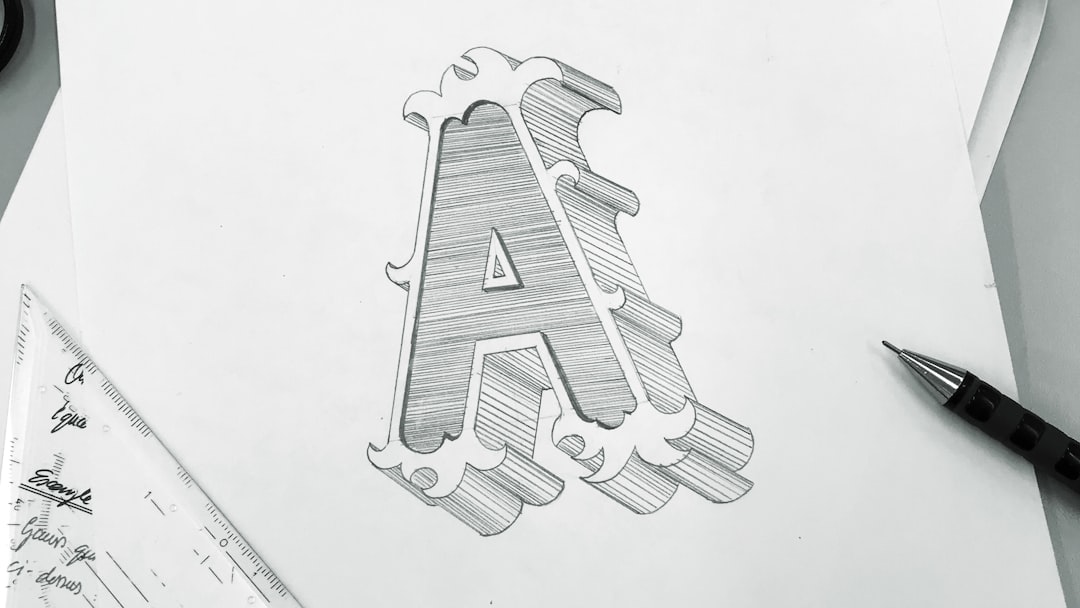
Process content adds depth and authenticity. It can also help clients understand the time, skill, and experimentation involved in your work. If you accept commissions, showing process can reassure potential buyers that you have a careful and professional method.
Practical Lessons From the Best Artist Portfolio Websites
When browsing artist portfolio websites for inspiration, do not simply copy a layout because it looks attractive. Instead, study why it works. Notice how many projects are shown, how the menu is organized, how images are cropped, how much text appears on each page, and how quickly you can understand the artist’s practice.
Here are a few practical lessons you can apply to your own site:
- Lead with your best work. Do not make visitors search for your strongest pieces.
- Keep image quality high. Blurry or poorly lit photos can make excellent artwork look unprofessional.
- Write clearly. Your biography and artist statement should be engaging, direct, and easy to understand.
- Design for mobile. Many visitors will view your portfolio on a phone.
- Make contact easy. Include a visible contact page, email link, or inquiry form.
- Update regularly. A current portfolio feels active and trustworthy.
Final Thoughts
The best artist portfolio websites are inspiring because they feel intentional. They do not just display artwork; they create a world around it. Some are quiet and minimal, others are immersive and experimental, but all of them help visitors understand the artist’s vision quickly and beautifully.
As you gather creative inspiration, pay attention to both aesthetics and function. A successful portfolio should invite people in, guide them through your work, and leave them with a clear sense of who you are as an artist. With strong images, thoughtful organization, and a design that reflects your creative identity, your website can become one of the most powerful tools in your artistic career.