Think of a data center as a giant, super tidy apartment building for servers. A cross connect is the private hallway between two “apartments.” It links your cabinet, cage, or rack to another network, cloud provider, carrier, or customer inside the same facility.
TLDR: A data center cross connect is a direct cable connection inside a data center. Pricing usually includes a one-time setup fee and a monthly fee. Costs depend on cable type, distance, data center policy, and speed. The cheapest option is not always the best, so read the fine print.
What Is a Cross Connect?
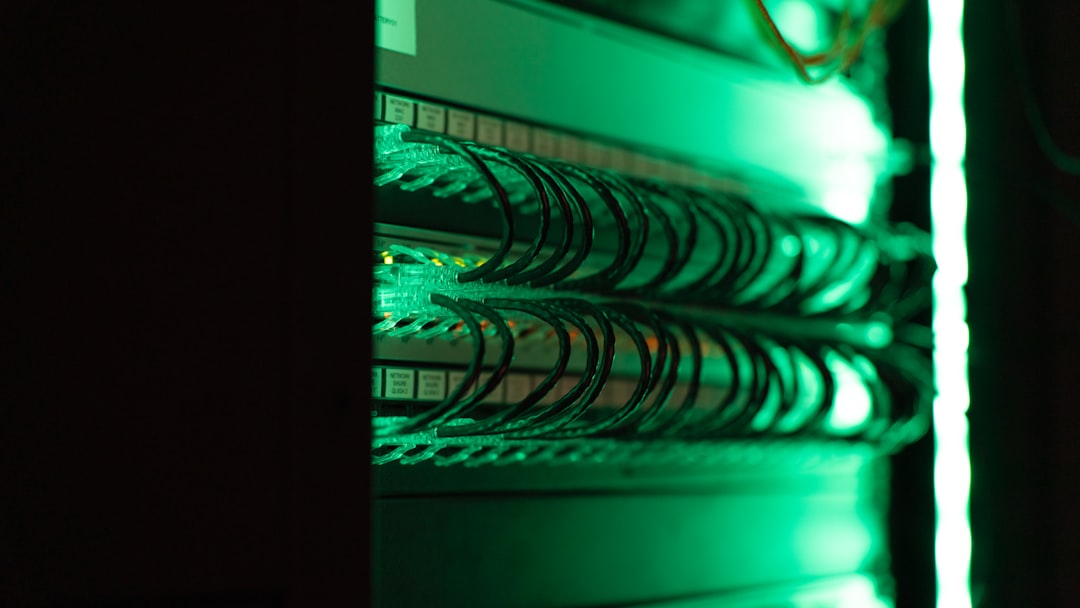
A cross connect is a physical cable. It might be fiber. It might be copper. It connects your equipment to someone else’s equipment inside the data center.
Simple example:
- You rent a rack in a data center.
- You want internet from a carrier in the same building.
- The data center runs a cable from your rack to that carrier.
- Now your gear can talk to the carrier.
That cable is the cross connect. It may look boring. But it is very important. It can carry traffic, cloud access, storage replication, voice, video, or private network data.
It is basically a tiny digital bridge with a monthly rent bill.
Why Do Cross Connects Cost Money?
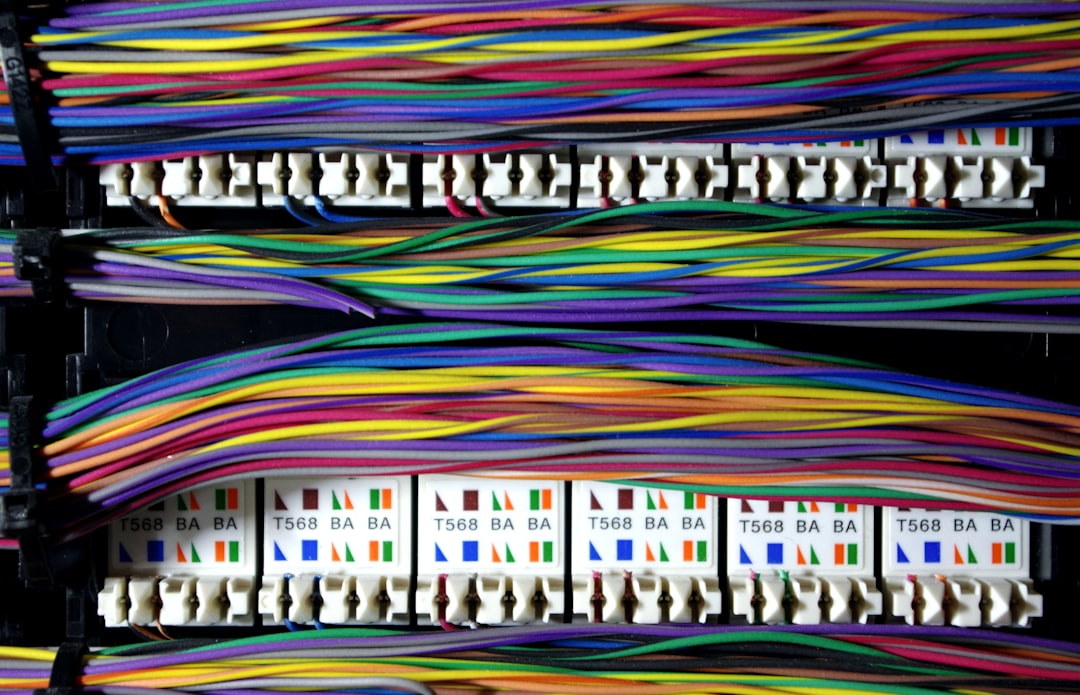
Because someone has to build them, label them, test them, protect them, and document them. Data centers love order. They do not want mystery cables hanging around like spaghetti at a toddler party.
A cross connect also uses space. It may use patch panels, cable trays, ports, meet me rooms, and staff time. The data center must manage all of this carefully.
So pricing usually has two main parts:
- NRC: Non-recurring charge. This is the one-time install fee.
- MRC: Monthly recurring charge. This is the monthly fee.
The NRC is like paying for the plumber to install a pipe. The MRC is like paying rent for the pipe to stay there.
The Main Pricing Pieces
Cross connect pricing can feel confusing at first. But it becomes simple if you split it into parts.
1. Installation Fee
This is the first charge. It covers the work to install the cable. A technician may need to pull the cable, patch it, test it, tag it, and update records.
This fee may be small. It may be painful. It depends on the data center. In some places, it might be a few hundred dollars. In premium facilities, it can be much higher.
2. Monthly Fee
This is the charge that surprises people. You may think, “Wait. It is just a cable. Why am I paying every month?”
Fair question. The data center sees it differently. That cable lives in their managed environment. It uses pathways and panels. It must be monitored and controlled. So they charge a monthly fee.
3. Cable Type
The type of cable matters. Common options include:
- Single mode fiber: Great for longer distances and high speeds.
- Multimode fiber: Often used for shorter runs.
- Copper: Common for lower speed or shorter connections.
- Coax: Used in some special cases.
Fiber usually costs more than copper. But not always. Each provider has its own price sheet. Because life was too simple otherwise.
4. Distance and Location
If the two endpoints are close, the job is easier. If they are far apart, the cable may need to travel through more trays, rooms, or floors.
A connection inside the same room may cost less. A connection to another floor, suite, or building may cost more. In some large campuses, the path can be long and complex.
5. Speed
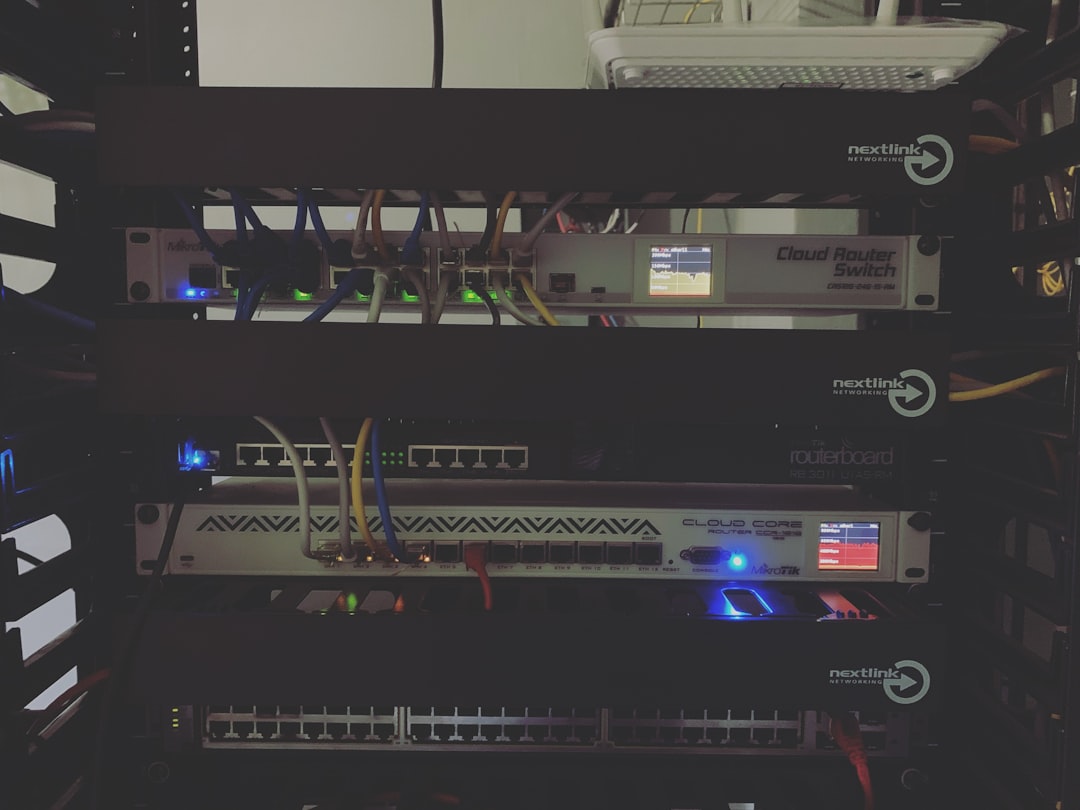
The physical cross connect may support different speeds. Common speeds include 1G, 10G, 40G, 100G, and beyond.
Sometimes the data center charges based on the connection type, not the speed. Sometimes speed affects price because of hardware, optics, or port requirements. Also, your carrier or cloud provider may charge their own port fee.
That means you might pay:
- The data center for the cross connect.
- The carrier for the network service.
- The cloud provider for the port or service.
Yes, bills can breed. Keep them in a spreadsheet.
Common Cross Connect Pricing Models
Not every data center prices cross connects the same way. Here are the common styles.
Flat Monthly Price
This is simple. You pay one setup fee and one monthly fee. The price may vary by cable type. But it is easy to understand.
Tiered Pricing
The price changes by type, distance, speed, or location. For example, copper may be one rate. Fiber may be another. Inter-suite connections may have a higher rate.
Bundled Cross Connects
Some colocation contracts include a few free or discounted cross connects. This can be useful. But check what “included” means. It may include only basic copper. Or only cross connects within one area.
Promotional Pricing
Sometimes providers waive install fees. This is common during sales deals. It feels great. But check the monthly price. A free install with a high MRC may cost more over time.
A Simple Pricing Example
Let’s say you need one fiber cross connect to an internet provider.
- Install fee: $500
- Monthly fee: $250
- Carrier internet service: separate charge
Your first month could be $750 for the cross connect alone. After that, it would be $250 per month.
Over one year, the cross connect costs:
- $500 setup
- $250 x 12 months = $3,000
- Total year one cost: $3,500
That is why monthly fees matter. The install fee gets attention. The MRC does the sneaky long-term work.
What Is a Meet Me Room?
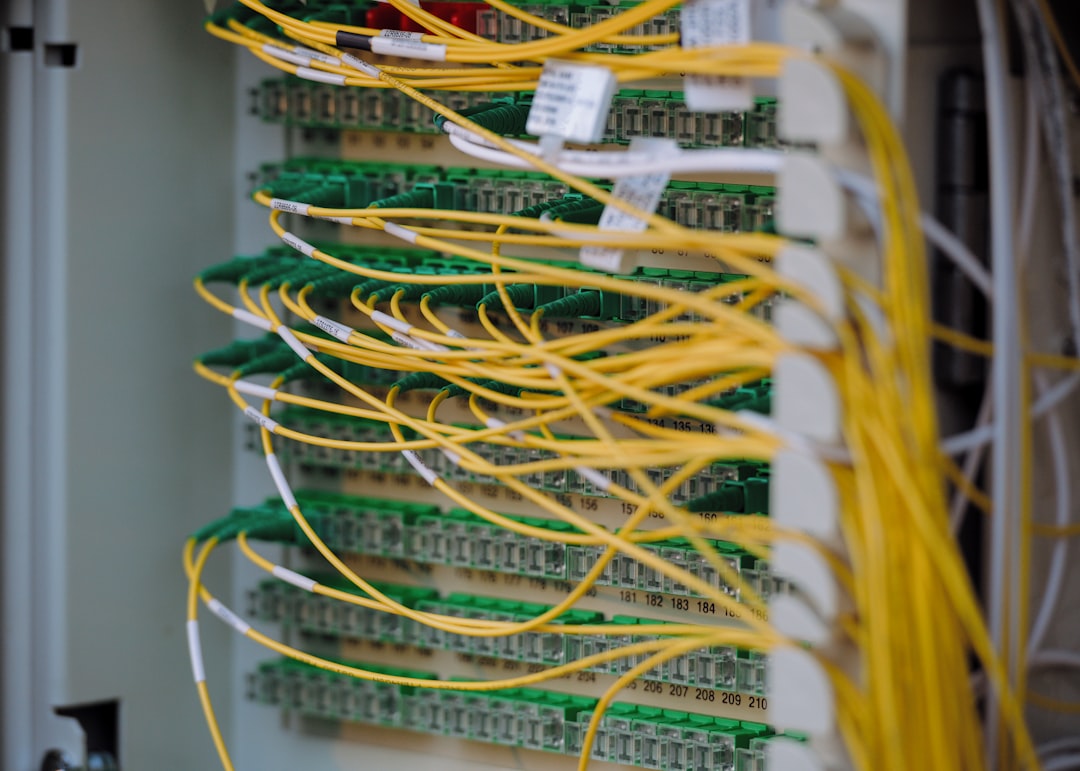
A meet me room, or MMR, is a special room inside the data center. Carriers and customers connect there. Think of it as the data center’s social club for networks.
Your rack may connect to the MMR. The carrier may also connect to the MMR. The data center patches the two sides together.
This makes interconnection faster and cleaner. It also gives you more options. You can connect to many providers without leaving the building.
Hidden Costs to Watch For
Cross connect pricing is not always just NRC plus MRC. Watch for extra charges.
- Remote hands: Staff help with plugging in equipment or checking lights.
- Expedite fees: Extra cost for rush installation.
- LOA processing: Letter of authorization handling.
- Cancellation fees: Charges if you remove service early.
- Port fees: Charges from the carrier or cloud provider.
- Media converters or optics: Hardware you may need to buy.
Ask for a full quote. Ask what is included. Ask what is not included. Ask like a detective with a budget.
How to Save Money
You can reduce cross connect costs with a little planning.
- Negotiate before signing: It is easier to get discounts before the contract starts.
- Ask for bundled cross connects: Especially if you need several.
- Choose the right carrier: A carrier already in the same facility may cost less to reach.
- Avoid rush orders: Expedite fees can sting.
- Plan for growth: Install the right type of connection now, not every month.
- Review old circuits: Cancel cross connects you no longer use.
Unused cross connects are like gym memberships for cables. They quietly take your money while doing nothing.
Questions to Ask Before Ordering
Before you order, ask these simple questions:
- What is the one-time install fee?
- What is the monthly fee?
- Is the price different for fiber and copper?
- How long will installation take?
- Are there expedite fees?
- Does the carrier charge a separate port fee?
- Is there a minimum contract term?
- What happens if I cancel?
These questions can save you from surprise charges. Surprise birthday parties are fun. Surprise network bills are not.
Final Thoughts
Data center cross connect pricing is not magic. It is a mix of installation work, monthly access, cable type, distance, and provider rules. Once you know the pieces, the bill makes more sense.
The key is to think beyond the first invoice. Look at the full yearly cost. Compare options. Read the contract. And keep a clean list of every cross connect you use.
A cross connect may be “just a cable,” but it can be the cable that powers your cloud, internet, backup, or private network. Treat it like a small thing with a big job.