
Modern engineering organizations often compare Datadog and Honeycomb when they need better visibility into complex applications, cloud infrastructure, microservices, and user-facing performance. Both platforms support observability, but they approach the problem from different histories and design philosophies: Datadog grew from infrastructure monitoring into a broad platform, while Honeycomb was built around high-cardinality event analytics and debugging unknown system behavior.
TLDR: Datadog is typically stronger for teams that want a broad, all-in-one monitoring platform covering infrastructure, logs, metrics, APM, security, dashboards, and alerting. Honeycomb is often preferred by engineering teams that need deep observability for complex distributed systems, especially when analyzing high-cardinality data and investigating unknown issues. Cost depends heavily on telemetry volume, retention, product modules, and team usage patterns, so neither platform is automatically cheaper in every scenario.
Core Positioning: Monitoring Platform vs Observability Workflow
Datadog is commonly viewed as a comprehensive monitoring and observability suite. It offers infrastructure monitoring, application performance monitoring, log management, synthetic monitoring, real user monitoring, cloud security, database monitoring, network monitoring, incident management, and many integrations. For organizations that want one vendor to cover many operational needs, Datadog can be attractive because it consolidates visibility across a large technology stack.
Honeycomb, by contrast, focuses heavily on observability as an investigative practice. It is designed to help engineers ask new questions of production systems without needing to predict every dashboard or metric in advance. Honeycomb’s strength is its ability to analyze rich event data, especially with high-cardinality fields such as customer ID, tenant, deployment version, region, feature flag, endpoint, or build number.
The comparison therefore is not simply a matter of feature checklists. Datadog is often chosen as a centralized operational command center, while Honeycomb is often chosen as an engineering-first tool for understanding how software behaves in production.
Monitoring Capabilities
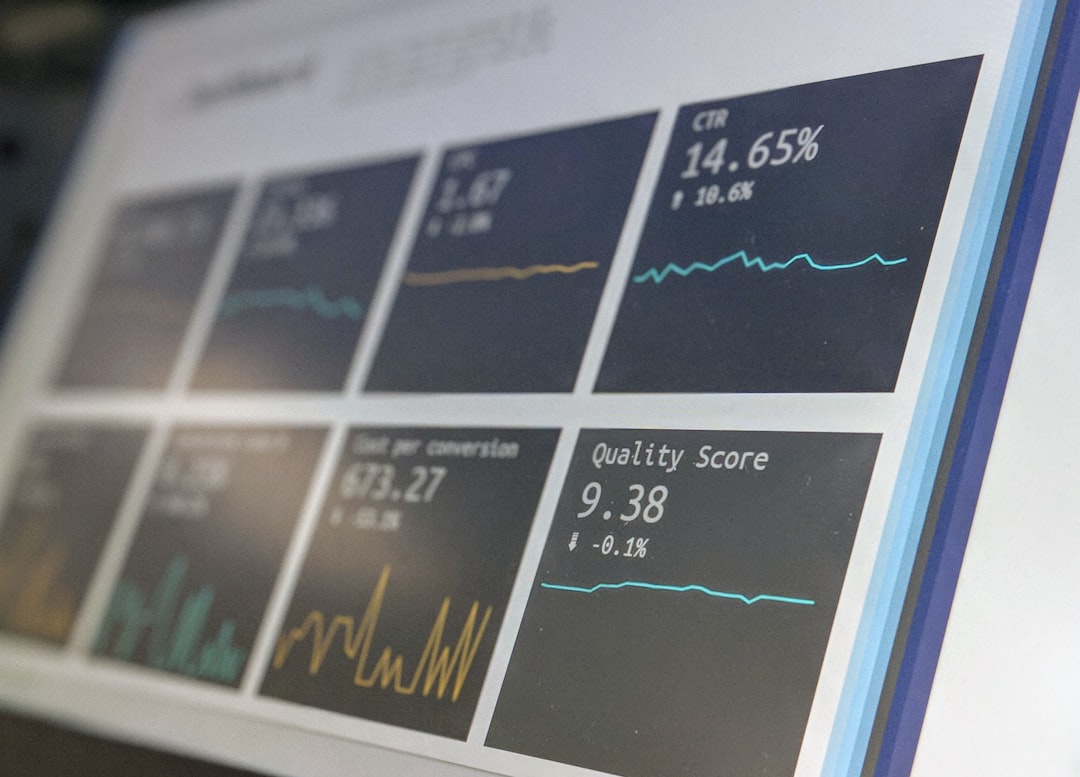
Datadog has a mature monitoring foundation. It provides host and container monitoring, Kubernetes visibility, cloud service metrics, alerting, dashboards, anomaly detection, and hundreds of integrations. Teams running AWS, Azure, Google Cloud, Kubernetes, serverless workloads, databases, queues, and third-party services can usually connect Datadog quickly and begin collecting data. This makes it useful for operations teams that need broad coverage across infrastructure and application layers.
Honeycomb also supports monitoring, but its approach is less centered on traditional infrastructure visibility. It can identify performance issues, errors, latency spikes, and service behavior through tracing and event-based telemetry. However, organizations expecting a large library of out-of-the-box infrastructure dashboards may find Datadog more immediately complete. Honeycomb is strongest when the telemetry is instrumented well and carries meaningful context about each request or event.
For standard infrastructure monitoring, Datadog usually has the advantage. For diagnosing why a specific subset of users, requests, tenants, or services is behaving differently, Honeycomb can be highly effective.
Observability and Distributed Tracing
Observability is where Honeycomb’s design philosophy becomes especially clear. Honeycomb encourages teams to send wide events containing many attributes, then slice and filter those events interactively. This is valuable in distributed systems where failures do not always fit known patterns. A team may need to understand whether latency affects only one region, one customer tier, one deployment, one endpoint, or one version of a dependency. Honeycomb is built for this type of exploration.
Datadog also provides strong observability features, especially through APM, distributed tracing, service maps, profiling, log correlation, and dashboards. It can connect metrics, logs, and traces across services, allowing teams to move from alerts to root-cause investigation. Datadog’s tracing capabilities are robust and widely adopted, particularly among organizations already using its infrastructure and log monitoring products.
The difference is often in workflow. Datadog may guide users through dashboards, service views, monitors, and prebuilt correlations. Honeycomb tends to emphasize exploratory querying and fast investigation of unknown unknowns. For teams with mature instrumentation practices and complex service interactions, Honeycomb’s query model can feel more flexible.

Analytics and Querying
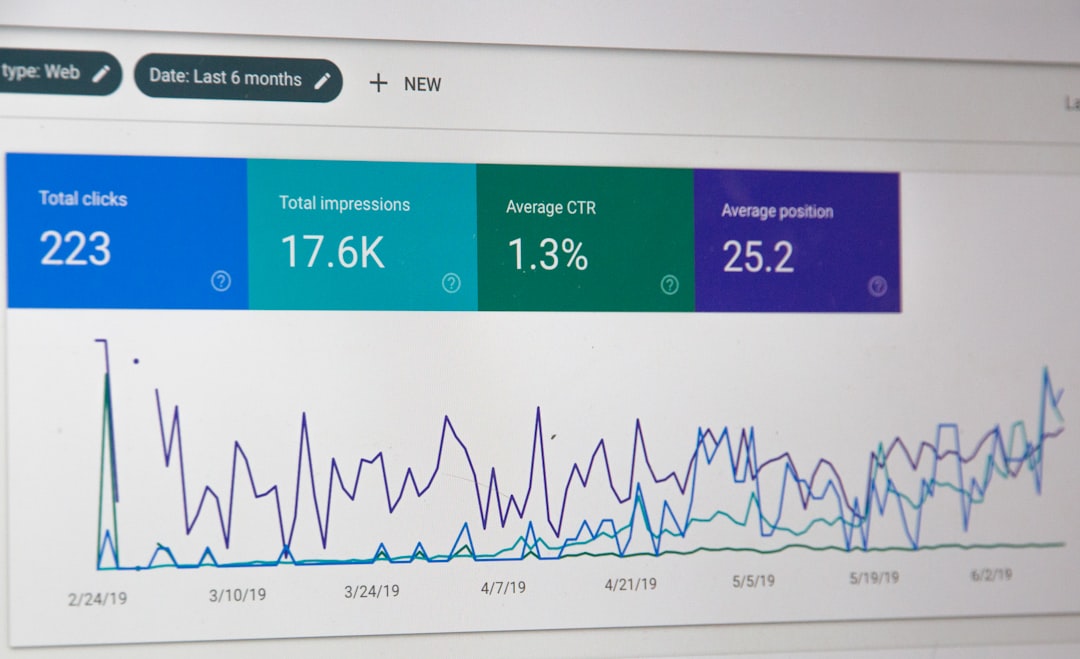
Analytics is one of the clearest areas of distinction. Datadog provides dashboards, notebooks, log analytics, metrics explorers, trace analytics, and customizable visualizations. It is strong for reporting operational health, tracking service-level objectives, and presenting performance trends to engineering, operations, and leadership audiences. Its dashboards can combine multiple data sources, making it useful for high-level monitoring and executive visibility.
Honeycomb’s analytics are optimized for granular investigation. Its strength lies in asking detailed questions about event data without requiring teams to pre-aggregate everything into traditional metrics. This is particularly important for high-cardinality analysis. In many monitoring systems, dimensions such as user ID or request ID can become expensive or difficult to query at scale. Honeycomb was designed to make this kind of analysis practical.
For example, an engineering team may want to compare latency by customer account, deployment version, database shard, and feature flag at the same time. Honeycomb can make that style of query central to the debugging process. Datadog can also analyze detailed telemetry, but depending on the data type and pricing model, teams may need to manage indexing, retention, custom metrics, or log volume carefully.
Dashboards and Alerting
Datadog is known for polished dashboards and an extensive alerting system. Teams can create monitors for metrics, logs, traces, synthetic checks, error rates, service-level objectives, and anomalies. Alert routing can integrate with common incident response tools, chat platforms, and on-call systems. This makes Datadog suitable for organizations that rely heavily on standardized operational alerts and centralized dashboards.
Honeycomb supports alerts and service-level objectives as well, but its alerting culture is somewhat different. It encourages teams to alert on user experience, latency, error budgets, and meaningful service behavior rather than on every low-level system signal. Honeycomb’s BubbleUp feature, for instance, can help identify which dimensions are different between normal and abnormal behavior. This supports faster investigation after an alert fires.
In practical terms, Datadog may be preferred by teams looking for comprehensive alert coverage across many systems. Honeycomb may be preferred by teams that want more context-rich alerts and investigative workflows tied closely to service behavior.
Logs, Metrics, and Traces
Datadog provides a mature experience across the classic “three pillars” of observability: logs, metrics, and traces. Logs can be ingested, indexed, searched, and correlated with traces. Metrics can be visualized in dashboards and used for alerts. Traces can show request paths across services. This integrated model is one of Datadog’s biggest selling points.
Honeycomb is less focused on the traditional separation of logs, metrics, and traces. It treats telemetry as structured events and emphasizes the value of rich context. Traces are central to the platform, but they are most powerful when spans include many useful fields. This can reduce reliance on separate logs for every investigation, although logs may still be necessary for certain compliance, auditing, or detailed application scenarios.
Organizations with existing log-heavy workflows may find Datadog easier to adopt. Organizations trying to reduce log noise and move toward structured, queryable event data may find Honeycomb’s model compelling.
Ease of Adoption and Integrations
Datadog has a significant advantage in breadth of integrations. Its agent-based model and large integration catalog make it relatively straightforward to begin monitoring common systems. Many infrastructure, cloud, and platform teams can get value quickly from default dashboards and preconfigured metrics.
Honeycomb adoption often depends more on instrumentation quality. It supports OpenTelemetry and modern observability standards, but its full value appears when applications emit rich, well-designed telemetry. This may require more engineering discipline. However, that investment can pay off when teams need to debug complex production behavior quickly.
For less mature teams or organizations wanting quick visibility across many systems, Datadog may be easier to roll out. For teams already investing in OpenTelemetry and modern service instrumentation, Honeycomb can fit naturally into the development workflow.
Cost Considerations
Cost is a major part of any Datadog vs Honeycomb decision. Datadog pricing can become complex because the platform includes many separately priced products and usage dimensions. Infrastructure hosts, containers, APM, logs, custom metrics, synthetics, RUM, security products, and retention choices can all influence the final bill. Organizations that adopt multiple Datadog modules may gain platform consolidation, but they also need careful governance to avoid unexpected growth in spend.
Honeycomb pricing is also usage-sensitive, commonly tied to event volume, retention, and feature tier. The cost profile may be favorable for teams that send high-value structured telemetry and avoid unnecessary noise. However, if event volume grows rapidly without sampling, filtering, or instrumentation discipline, Honeycomb costs can also rise.
The most important cost question is not simply the listed price. It is how each platform’s billing model maps to the organization’s telemetry strategy. A log-heavy organization may face different costs than an event-driven organization. A company with many hosts and containers may evaluate Datadog differently from a company with fewer services but very complex request flows.
Security, Compliance, and Enterprise Features
Datadog offers a broader set of enterprise security and compliance products, including cloud security posture management, workload security, application security monitoring, and audit-related capabilities. For enterprises interested in combining observability with security monitoring, Datadog may provide more options under one vendor relationship.
Honeycomb focuses more narrowly on observability and engineering analytics. It provides enterprise controls such as access management and team features, but it is not usually positioned as a broad security platform in the same way Datadog is. This narrower focus can be an advantage for teams that want a specialized observability tool rather than a large operational suite.
Best Fit Scenarios
Datadog is often a strong fit when:
- An organization wants one platform for infrastructure, APM, logs, dashboards, synthetic monitoring, and security.
- Operations teams need broad integration coverage and quick setup.
- Leadership values consolidated dashboards across many environments.
- Existing workflows depend heavily on logs, metrics, and traditional alerting.
- The company can actively manage module usage and telemetry costs.
Honeycomb is often a strong fit when:
- Engineering teams need to investigate complex distributed systems.
- High-cardinality analysis is central to debugging production issues.
- The organization uses or plans to use OpenTelemetry extensively.
- Teams prefer exploratory querying over static dashboards alone.
- The company wants observability centered on user experience and service behavior.
Final Comparison
Datadog and Honeycomb are both capable observability platforms, but they solve overlapping problems in different ways. Datadog is broader, more integrated, and often easier to adopt across an entire technology estate. Honeycomb is more specialized, more exploratory, and particularly strong for engineering teams that need to understand unpredictable behavior in distributed applications.
The best choice depends on organizational needs. A company seeking broad operational coverage may lean toward Datadog. A product engineering group dealing with complex microservices and high-cardinality debugging may lean toward Honeycomb. Some enterprises may even use both: Datadog for broad monitoring and Honeycomb for deep service-level investigation.
Ultimately, the right decision should come from a realistic telemetry assessment. Teams should examine data volume, retention needs, alerting workflows, instrumentation maturity, required integrations, and total cost of ownership. The platform that delivers faster incident resolution, clearer system understanding, and sustainable cost control will usually provide the greater long-term value.
FAQ
Is Datadog better than Honeycomb?
Datadog is better for broad monitoring coverage, many integrations, dashboards, logs, infrastructure visibility, and enterprise platform consolidation. Honeycomb may be better for deep observability, high-cardinality analysis, and debugging complex distributed systems.
Is Honeycomb only for tracing?
No. Honeycomb is strongly associated with tracing and event-based observability, but it also supports service-level objectives, alerting, querying, and performance analysis. Its value comes from rich telemetry and exploratory analytics.
Which platform is more cost-effective?
Cost-effectiveness depends on telemetry volume, retention, product usage, and instrumentation strategy. Datadog can become expensive when many modules and high log volumes are used. Honeycomb can also become costly if event volume is not controlled.
Can Datadog and Honeycomb be used together?
Yes. Some organizations use Datadog for infrastructure monitoring, dashboards, and logs, while using Honeycomb for detailed trace analysis and engineering investigations. This approach can be useful, but it requires cost and workflow management.
Which tool is better for OpenTelemetry?
Both platforms support OpenTelemetry. Honeycomb is often closely associated with OpenTelemetry-native workflows, while Datadog also supports OpenTelemetry alongside its own agents and instrumentation methods.
Which platform is better for startups?
A startup needing fast, broad visibility may prefer Datadog. A startup building complex distributed software and prioritizing engineering-led observability may prefer Honeycomb. Budget predictability and telemetry discipline are important in either case.