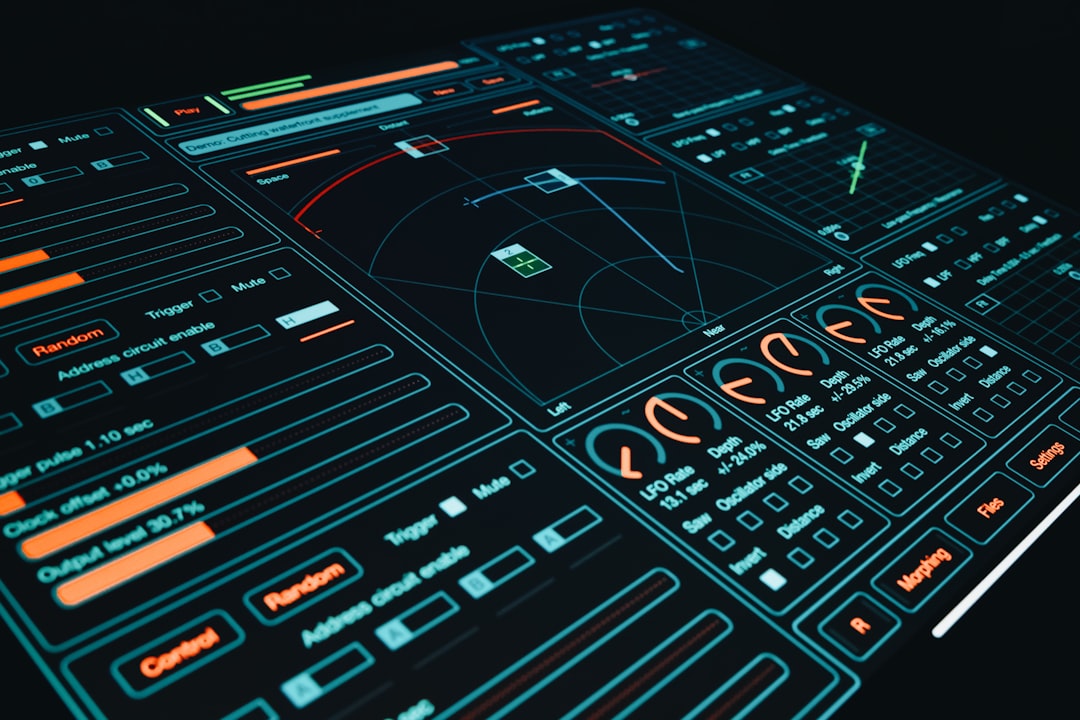
Factories used to be like one big machine with many noisy parts. Today, they are more like a busy dance floor. Robots carry boxes. Arms pick parts. Drones scan shelves. Automated forklifts move pallets. The hard part is not buying robots. The hard part is making them work together without bumping into each other, waiting too long, or doing the wrong job.
TLDR: Multi-robot orchestration software is the traffic controller for industrial robots. It helps different robots share jobs, routes, maps, data, and safety rules. Top providers include InOrbit, Formant, SVT Robotics, GreyOrange, Locus Robotics, MiR, OTTO Motors, MoviĜo Robotics, ABB, and Siemens. The best choice depends on your robots, sites, systems, and goals.
What Is Multi-Robot Orchestration?
Multi-robot orchestration is software that tells robots what to do, when to do it, and where to go. Think of it like a robot conductor. The robots are the orchestra. The factory is the stage. The software keeps the music from turning into chaos.
This software can manage mobile robots, robot arms, automated forklifts, sortation robots, and other smart machines. It can also connect to warehouse systems, factory systems, sensors, doors, lifts, and chargers.
In simple terms, it answers questions like:
- Which robot should take this job?
- Which route is safest and fastest?
- When should the robot charge?
- What happens if a robot gets stuck?
- How do different brands work together?
Good orchestration saves time. It also lowers stress. It turns a fleet of robots into a team.
Why Industrial Teams Need It
One robot is easy. Ten robots are harder. One hundred robots can feel like a robot circus with no ringmaster.
Industrial sites are filled with real-world surprises. A box falls over. A doorway is blocked. A human walks into a lane. A lift is busy. A battery gets low. A robot loses connection. These things happen every day.
Orchestration software helps handle these surprises. It can reassign tasks. It can change routes. It can alert workers. It can stop robots before trouble starts.
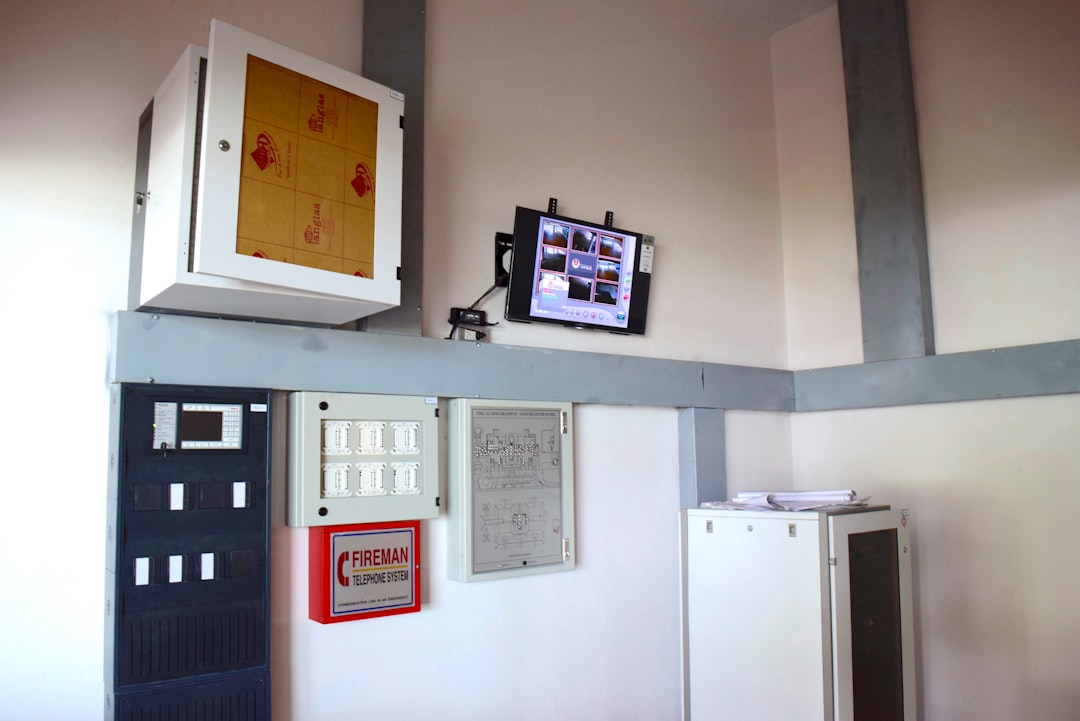
It also gives managers one place to see what is happening. That is a big deal. Nobody wants to check ten robot apps just to find one missing tote.
What Makes a Great Provider?
The best providers do more than move dots on a map. They help robots and business systems talk to each other. They make automation easier to scale.
Look for these features:
- Fleet management: It controls many robots at once.
- Vendor support: It works with robots from different brands.
- Task assignment: It picks the right robot for each job.
- Traffic control: It prevents jams and gridlock.
- System integration: It connects to WMS, MES, ERP, and PLC systems.
- Analytics: It shows robot uptime, delays, and output.
- Remote support: It helps teams fix issues fast.
- Security: It protects data and operations.
Now let us meet the main players.
1. InOrbit
InOrbit is known for robot operations software. It focuses on managing mixed fleets. That means it can help teams control robots from different makers in one place.
InOrbit is strong for companies that already have robots and want better visibility. It offers dashboards, alerts, mission control, and performance tracking. It helps spot problems before they become big messes.
Its platform is useful for warehouses, factories, logistics hubs, and service robotics. It can connect with common robot software stacks and business systems.
Best for: Teams that want a central command center for many robot types.
2. Formant
Formant is another major name in robot fleet management. It gives teams tools to monitor, control, and improve robot operations. It is especially good for data.
Formant helps collect robot information from the field. It turns that data into useful charts and alerts. If a robot is slow, stuck, or acting odd, teams can see it quickly.
It also supports remote intervention. That means a human operator can help a robot when it gets confused. This is handy in busy industrial spaces.
Best for: Companies that want strong robot data, dashboards, and remote operations.
3. SVT Robotics
SVT Robotics is focused on connecting automation systems fast. Its platform helps companies integrate robots, software, and warehouse tools without huge custom projects.
This matters because integration is often the boring monster under the automation bed. A robot may be great. A warehouse system may be great. But if they do not talk, work slows down.
SVT helps create workflows between systems. It supports many automation vendors. It can reduce the time needed to launch new robot projects.
Best for: Warehouses and factories that want faster integration across many automation tools.
4. GreyOrange
GreyOrange offers warehouse automation software and robots. Its GreyMatter platform is designed to coordinate work across people, robots, and systems.
GreyOrange is strong in fulfillment centers. It helps decide where items should go, which robot should move them, and how workers should interact with the flow.
The company is not just about robot movement. It is about order fulfillment. That makes it useful for retailers, e-commerce firms, and distribution centers.
Best for: High-volume fulfillment operations that need smart work planning.
5. Locus Robotics
Locus Robotics is famous for warehouse picking robots. Its platform helps fleets of autonomous mobile robots support human workers.
Instead of workers walking miles each day, robots bring work closer. This can make picking faster and less tiring. The software assigns tasks, guides workers, and tracks results.
Locus is especially popular in e-commerce and third-party logistics. It is built for scale. So if holiday demand turns your warehouse into a beehive, Locus can help keep the buzz under control.
Best for: Warehouses that need faster picking and flexible labor support.
6. MiR, Mobile Industrial Robots
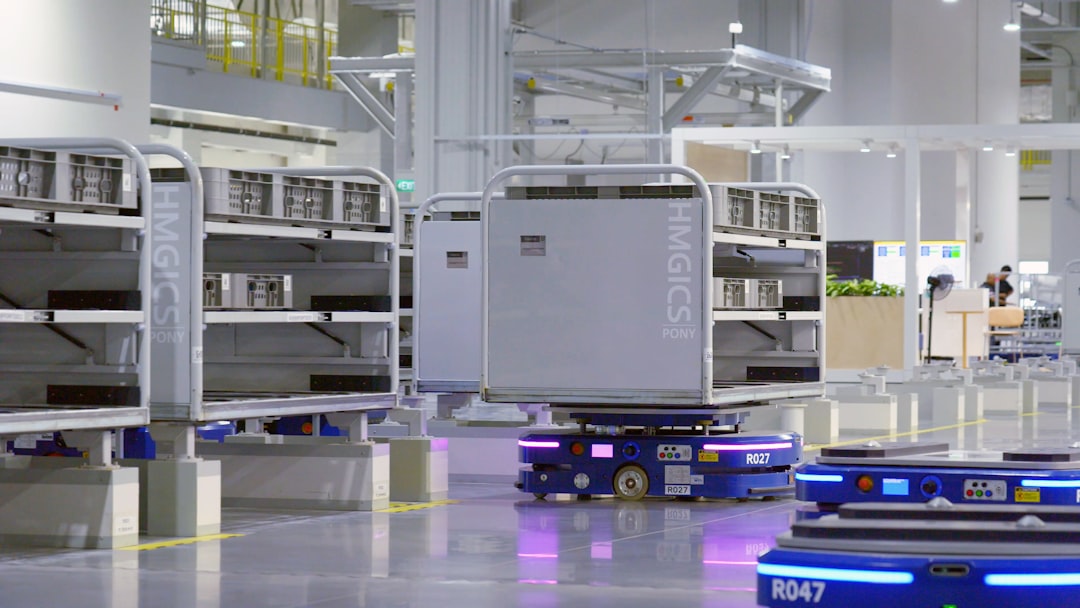
MiR, short for Mobile Industrial Robots, offers autonomous mobile robots and fleet software. Its robots are common in factories, warehouses, and hospitals. In industrial automation, MiR is often used to move materials between workstations.
MiR Fleet helps coordinate multiple MiR robots. It manages traffic, missions, charging, and maps. It is not always a universal platform for every robot brand. But it is very useful if you are building around MiR robots.
The software is simple compared with giant enterprise platforms. That can be a good thing. Less drama. More moving stuff.
Best for: Industrial sites using MiR robots for internal transport.
7. OTTO Motors
OTTO Motors provides autonomous mobile robots for heavy-duty material handling. Its software manages fleets that move pallets, racks, and large loads.
OTTO is a strong fit for automotive, manufacturing, and large industrial sites. Its robots are built for tough jobs. The software helps manage traffic, tasks, and safety in complex environments.
If your factory moves heavy materials all day, OTTO is worth a look. These are not tiny helper bots. These are the strong robots at the gym.
Best for: Heavy material movement in large factories and warehouses.
8. MoviĜo Robotics
MoviĜo Robotics offers automated guided vehicles and autonomous mobile robots for industrial logistics. Its software supports fleet control, route planning, and task management.
The company is well known in Europe. It serves factories and warehouses that need reliable transport automation. Its systems can handle trolleys, pallets, and production supplies.
MoviĜo is a good option for teams that want a combined robot and fleet control package. It can support steady, practical automation in real industrial sites.
Best for: European manufacturers and logistics teams needing fleet transport automation.
9. ABB
ABB is a giant in industrial automation. It offers robot arms, autonomous mobile robots, software, and control systems. Its strength is deep factory knowledge.
ABB can help connect robotics with broader automation. That includes production lines, controllers, digital twins, and plant systems. For companies already using ABB tools, this can be powerful.
ABB is not just selling robot traffic control. It is selling a larger automation world. That can be great for complex industrial sites.
Best for: Large manufacturers that want robotics connected to full factory automation.
10. Siemens
Siemens is another heavyweight. It offers industrial software, automation hardware, simulation tools, and digital manufacturing systems.
Siemens can support robot orchestration through its broader industrial platforms. It is especially strong when robots are part of a bigger smart factory plan. Think production planning, simulation, PLCs, edge computing, and data flows.
Siemens is a strong choice for companies that want robots to fit into a full digital factory strategy. It is less “one app for robots” and more “connect the whole factory brain.”
Best for: Enterprises building advanced smart factories with many connected systems.
Bonus Names to Watch
The market is moving fast. New tools are popping up like robots in a sci-fi movie. A few more names are worth watching.
- Open Robotics and Open-RMF: Open-RMF is an open-source framework for multi-robot coordination. It is popular in research and advanced deployments.
- Zebra Technologies: Zebra owns Fetch Robotics technology and offers mobile robot solutions for warehouses.
- Geekplus: Geekplus offers warehouse robots and fleet software for fulfillment and logistics.
- Seegrid: Seegrid focuses on autonomous mobile robots and fleet tools for material movement.
How to Pick the Right Provider
Choosing orchestration software can feel scary. But it gets easier if you ask the right questions.
- What robots do you have? Some platforms support mixed fleets. Others work best with their own robots.
- What systems must connect? Check your WMS, MES, ERP, PLCs, and safety systems.
- How big will the fleet get? A tool for five robots may not work for five hundred.
- How much control do you need? Some teams need dashboards. Others need deep workflow control.
- Who will run it? Pick software your team can actually use.
- What happens during failure? Ask about alerts, recovery, remote help, and support.
Also, do not forget the humans. Robots need clear paths. Workers need training. Managers need good data. Maintenance teams need access. The best software supports all of them.
Cloud, Edge, or On-Premise?
Robot orchestration can run in different ways. Some platforms are cloud-based. Some run at the edge, near the robots. Some run on local servers.
Cloud software is great for analytics and remote management. Edge software is great for fast local decisions. On-premise software is often preferred when sites need strict control or low latency.
Many providers mix these options. That is often the best path. The cloud watches the big picture. The edge handles fast action. Everybody wins.
The Future of Multi-Robot Orchestration
The future will be more open. More connected. More intelligent. Robots from different brands will need to work together. Industrial teams will not want ten separate control rooms.
Artificial intelligence will help. It may predict traffic jams before they happen. It may adjust schedules in real time. It may tell a robot to charge before a rush starts.
Simulation will also grow. Teams will test robot plans in a digital model before making changes on the floor. That means fewer surprises. And fewer people yelling, “Why is the robot parked in front of the loading dock?”
Final Thoughts
Multi-robot orchestration is becoming a must-have for industrial automation. It is the layer that turns robot tools into robot teams. Without it, automation can get messy fast.
InOrbit and Formant are strong for mixed fleet operations and visibility. SVT Robotics is great for integration. GreyOrange and Locus Robotics shine in fulfillment. MiR and OTTO Motors are strong robot-plus-fleet options. ABB and Siemens bring deep industrial power.
The best provider is not always the biggest name. It is the one that fits your site, your robots, your workers, and your goals. Pick well, and your factory floor can feel less like traffic at rush hour and more like a smooth robot ballet.