
Many English words look simple until their parts are examined. The word strawberry is one of those familiar terms that raises an interesting language question: is it truly a compound word, or has it become something else over time? Because it combines two recognizable English words, straw and berry, it often appears in discussions of word formation, etymology, and meaning.
TLDR: Strawberry is generally considered a compound word because it is formed from two independent words: straw and berry. More specifically, it is a closed compound noun, since the two parts are written together as one word. However, its meaning is not fully literal, because a strawberry is not simply “a berry made of straw” or “a berry of straw.” Its history and meaning make it a useful example of how compounds can become familiar, fixed words over time.
What Makes a Word a Compound Word?
A compound word is formed when two or more words are joined to create a new word with its own meaning. In English, compounds can appear in several forms:
- Open compounds: written as separate words, such as ice cream or post office.
- Hyphenated compounds: joined with a hyphen, such as mother-in-law or well-being.
- Closed compounds: written as one word, such as sunflower, toothbrush, and strawberry.
By this basic definition, strawberry fits comfortably into the category of a compound word. Both straw and berry can stand alone as independent words, and together they form a new noun.
Why “Strawberry” Is Usually Classified as a Compound
The strongest reason strawberry is classified as a compound is its structure. It is made from two recognizable elements:
- Straw: dried stalks of grain, often used for bedding, packing, or mulch.
- Berry: a small, often juicy fruit in everyday language.
When these two words combine, they produce a single noun naming a specific fruit. In grammar, the second part of a compound often acts as the head, meaning it gives the main category of the word. In strawberry, the head is berry. The word refers to a kind of berry in common speech, just as blueberry refers to a kind of berry and blackbird refers to a kind of bird.
This makes strawberry an example of an endocentric compound in everyday grammar: the whole word names a type of the thing indicated by its head. Even though botanical science complicates the word berry, ordinary English usage still treats a strawberry as a berry-like fruit.
The Meaning Is Not Completely Literal
Although strawberry is a compound word, its meaning is not entirely transparent. A person can understand blueberry fairly easily as a berry that is blue. A blackberry is a berry that appears black or dark purple. But strawberry does not obviously mean a berry that is straw-colored, nor does it mean a berry made of straw.
This is where the word becomes especially interesting. Some compound words are transparent, meaning their meanings are easy to infer from their parts. Examples include raincoat, bedroom, and snowman. Other compounds are opaque or partly opaque, meaning their meanings cannot be fully guessed from the individual words. Examples include butterfly, hogwash, and honeymoon.
Strawberry belongs closer to the second group. Its parts are clear, but the reason behind the name is not immediately obvious to modern speakers.
Where Did the Name “Strawberry” Come From?
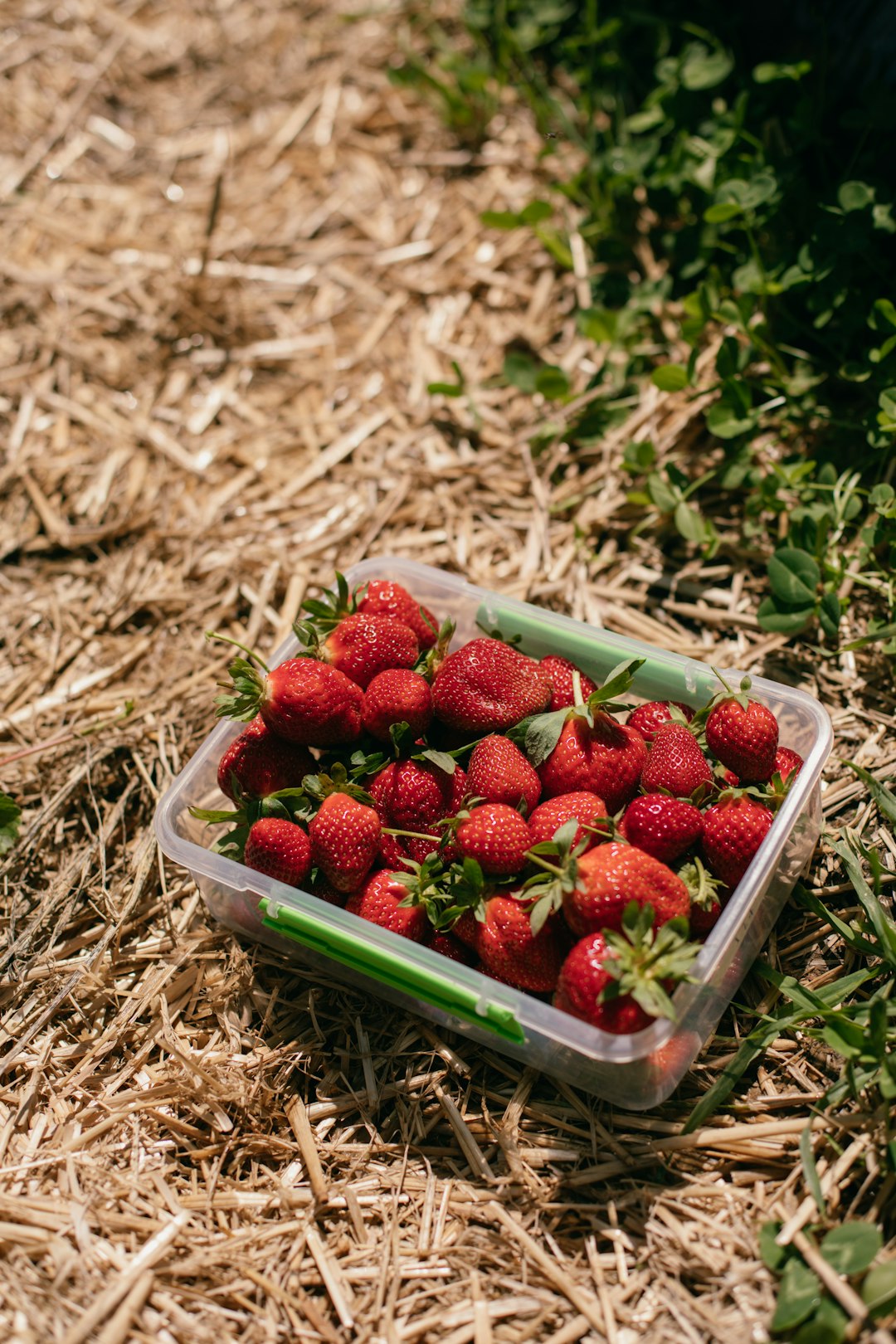
The exact origin of the word strawberry is not completely settled. Several explanations have been suggested over time. One traditional idea is that strawberries were once grown with straw mulch placed around the plants to protect the fruit and keep it clean. Another explanation points to the plant’s runners, which spread or seem to be “strewn” across the ground. In older forms of English, the word may have been connected with the idea of scattering or spreading.
Because historical word origins can be uncertain, language experts tend to avoid presenting one explanation as absolutely final unless strong evidence supports it. What is clear, however, is that the word has been part of English for a very long time and has become fixed as the standard name for the fruit.
Is “Strawberry” Still a Compound If the Meaning Has Shifted?
Yes. A compound word does not need to have a perfectly literal meaning in order to count as a compound. Many compounds become lexicalized, which means they settle into the language as established words with meanings that may no longer be obvious from their parts.
For example, cupboard originally referred to a board or table for cups, but today it means a cabinet or storage space. Deadline once had a more literal historical meaning, but now it usually means a final time or date for completing something. These words are still compounds by origin and structure, even though their meanings have changed.
In the same way, strawberry remains a compound word because it is structurally formed from straw and berry. Its modern meaning has simply become specialized.
Closed Compound, Not Hyphenated or Open
In modern standard English, strawberry is written as one word. That makes it a closed compound. It is not normally written as straw berry or straw-berry in contemporary usage.
This closed spelling shows that the parts have fused into a single familiar word. English often moves in this direction over time. A new expression may begin as two separate words, later appear with a hyphen, and eventually become one closed word. Although not every compound follows that exact path, the pattern is common in English spelling history.
A Note on Botany and Everyday Language
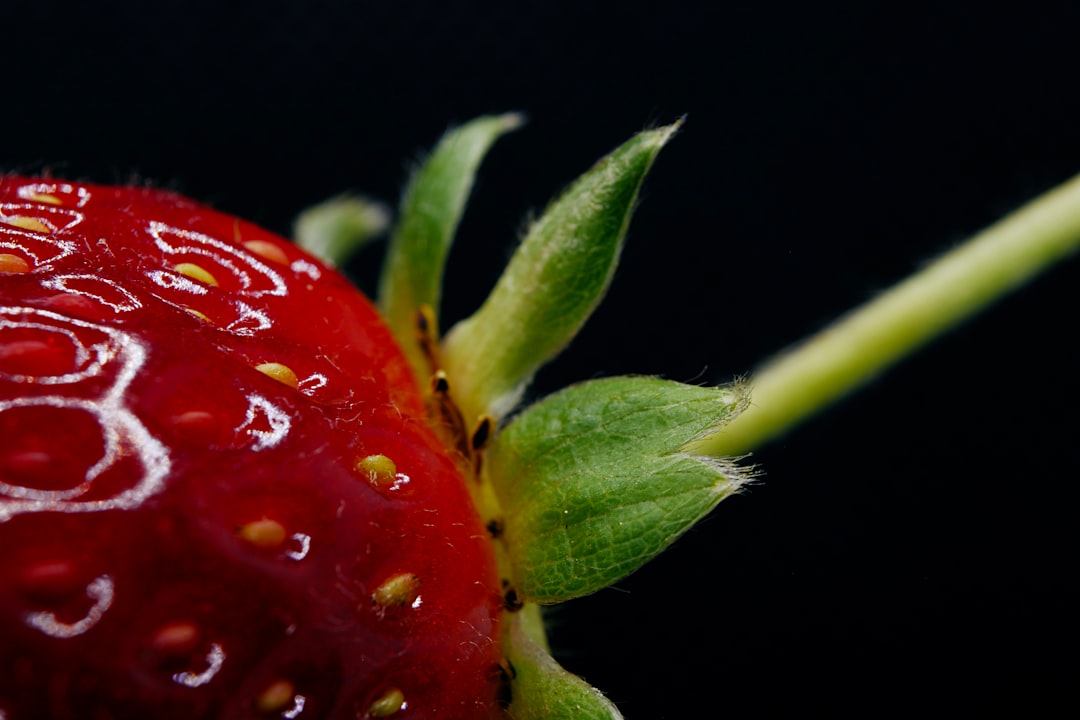
There is one more twist: in botanical terms, a strawberry is not a true berry. Botanically, fruits such as bananas and grapes fit the technical definition of a berry more closely than strawberries do. The red part of a strawberry is often described as an enlarged receptacle, while the tiny seed-like structures on the outside are the actual fruits.
However, this scientific detail does not change the word’s grammatical classification. Compound-word analysis belongs to language structure, not botanical taxonomy. In ordinary English, berry is used broadly for many small, juicy fruits, and strawberry functions as a compound noun in that everyday system.
Conclusion
Strawberry is best understood as a closed compound word. It combines two independent English words, straw and berry, into a single noun. While its meaning is not completely literal and its etymology is somewhat uncertain, those facts do not disqualify it as a compound.
The word shows how English compounds can become ordinary vocabulary items whose original logic is partly hidden. For that reason, strawberry is not only a common fruit name but also a useful example of how word formation, history, and meaning can overlap.
FAQ
-
Is “strawberry” a compound word?
Yes. Strawberry is a compound word because it is made from two independent words: straw and berry. -
What type of compound word is “strawberry”?
It is a closed compound because the two parts are written together as one word. -
Does “strawberry” literally mean a berry made of straw?
No. Its modern meaning is not literal. It names a specific fruit, and the historical reason for the straw part is uncertain. -
Is “berry” the head of the compound?
In everyday grammar, yes. The word berry gives the general category, while straw modifies it. -
Is a strawberry a real berry?
In common language, it is called a berry. In botanical science, however, a strawberry is not classified as a true berry. -
Should “strawberry” ever be written as “straw berry”?
In modern standard English, no. The accepted spelling is strawberry as one word.