Choosing a body composition system is no longer just about stepping on a scale and getting a body fat percentage. Gyms, medical wellness clinics, sports teams, and personal trainers now use assessment tools to show members what is changing beneath the surface: muscle mass, fat mass, hydration, visceral fat, posture, and even circumference measurements. While Evolt is a popular option in this space, it is not the only platform worth considering.
TLDR: If you are comparing Evolt alternatives, the best choice depends on whether you need speed, medical-grade accuracy, visual client reports, or gym-friendly scalability. For example, a fitness studio testing 150 members per week may prefer a fast BIA scanner like InBody, while a medical weight loss clinic may invest in DEXA for higher precision. Expect practical differences in scan time, cost, report depth, and how easily results can be explained to clients.
What Makes a Good Evolt Alternative?
Evolt systems are commonly used for bioelectrical impedance analysis, or BIA, which estimates body composition by sending a low-level electrical current through the body. Alternatives may use similar BIA technology, 3D optical scanning, air displacement, or medical imaging. The right option depends on your client base and business model.
Before choosing a system, consider:
- Accuracy: Is it intended for general fitness tracking or clinical decision-making?
- Client experience: Are results easy to understand and visually engaging?
- Speed: Can you scan many people during peak hours?
- Software: Does it support reports, progress tracking, and integrations?
- Cost: Does the return justify the equipment, licensing, and training expense?
1. InBody
InBody is one of the most recognized alternatives to Evolt, especially in gyms, wellness centers, and sports facilities. Like Evolt, it uses BIA, but many InBody models are known for their segmental analysis, measuring the arms, legs, and trunk separately. This can be valuable for identifying muscular imbalances or tracking rehabilitation progress.
InBody reports often include skeletal muscle mass, body fat mass, percent body fat, visceral fat level, basal metabolic rate, and segmental lean analysis. For coaches, the reports are relatively simple to explain: clients can see whether their weight change came from fat, muscle, or water.
Best for: Fitness centers, wellness clinics, personal training studios, and sports performance facilities.
Why choose it over Evolt? InBody has strong brand recognition, a wide product range, and detailed segmental data. It is also widely used in professional wellness environments, which may help build client trust.
Potential drawback: Results can still be affected by hydration, recent exercise, meals, and testing conditions, as with most BIA devices.
2. Tanita
Tanita is another established name in body composition analysis and offers everything from consumer scales to professional multi-frequency analyzers. Many health clubs, dietitians, and corporate wellness programs use Tanita because it is accessible, durable, and familiar.
Professional Tanita models can measure weight, body fat percentage, muscle mass, total body water, metabolic age, bone mass estimates, and visceral fat ratings. Some models include hand-to-foot electrodes for more comprehensive readings than foot-only scales.
Best for: Budget-conscious facilities, corporate wellness programs, nutrition coaching, and general fitness tracking.
Why choose it over Evolt? Tanita may be a practical choice if you want a straightforward assessment tool without a complex onboarding process. It can also be easier to fit into smaller spaces or mobile wellness setups.
Potential drawback: Depending on the model, reports may feel less visually engaging or less comprehensive than newer digital-first platforms.
3. seca mBCA
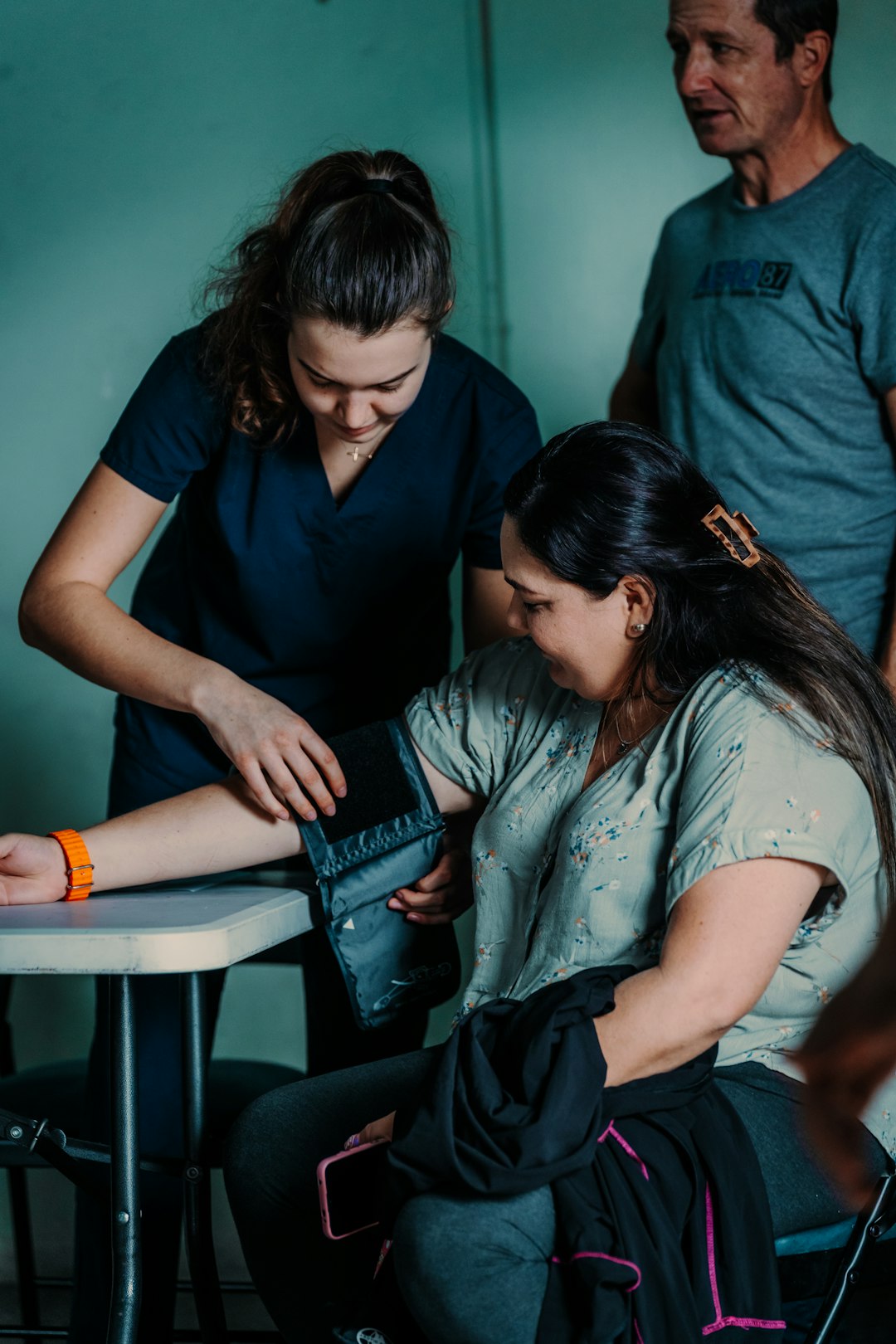
seca mBCA devices are often positioned closer to the medical and clinical side of body composition analysis. The company has a strong reputation in healthcare measurement, and its analyzers are used in hospitals, medical practices, research environments, and nutrition clinics.
seca systems typically focus on medically relevant outputs such as fat mass, fat-free mass, skeletal muscle mass, extracellular water, total body water, and phase angle. Phase angle is especially interesting for clinicians because it may offer insight into cellular health, hydration status, and nutritional condition.
Best for: Medical wellness clinics, dietitians, obesity management programs, and clinical health assessments.
Why choose it over Evolt? seca is a strong choice if your facility wants a more clinical feel and places high importance on medically oriented data. It may also be preferred where practitioners need deeper interpretation beyond fitness progress alone.
Potential drawback: It may be more expensive and less “consumer friendly” in presentation than systems designed specifically for gyms.
4. Styku
Styku takes a different approach. Instead of relying on electrical impedance, it uses 3D body scanning to create a visual model of the client’s body. It estimates measurements such as waist, hip, chest, arms, thighs, body shape, and body fat percentage using optical data and algorithms.
The biggest advantage of Styku is motivation. Many clients struggle to connect emotionally with numbers on a report, but a 3D avatar and visible shape changes can make progress feel real. For example, a member may lose only 3 pounds in six weeks but reduce waist circumference by 2.5 inches. That kind of visual proof can improve retention and confidence.
Best for: Personal training studios, weight loss centers, transformation challenges, and client engagement.
Why choose it over Evolt? Styku excels at visual storytelling. If your business relies on before-and-after progress, circumference changes, or high client interaction, 3D scanning can be more engaging than a standard composition report.
Potential drawback: It does not directly measure internal composition in the same way as BIA or imaging-based tools. Algorithms estimate body fat rather than measuring tissue composition directly.
5. DEXA Scanning
DEXA, or dual-energy X-ray absorptiometry, is often considered one of the most accurate options for body composition analysis. Originally known for bone density testing, DEXA scans can also measure fat mass, lean mass, and bone mineral content with high precision.
DEXA provides regional body composition data, showing how fat and lean tissue are distributed across the body. This is valuable for athletes, medical patients, and anyone who needs more reliable tracking than standard consumer or gym-based tools can provide.
Best for: Medical clinics, elite sports programs, research facilities, and premium wellness businesses.
Why choose it over Evolt? If accuracy is the priority, DEXA is difficult to beat. It is excellent for baseline assessments, long-term progress tracking, and clients who want detailed, high-confidence results.
Potential drawback: DEXA is more expensive, requires specialized equipment and trained operators, and uses a very low dose of radiation. It is usually not as convenient for high-volume daily gym scanning.
Image not found in postmetaWhich Alternative Is Right for Your Facility?
The best Evolt alternative depends on what you want the assessment to accomplish. If your main goal is fast, repeatable member check-ins, InBody or Tanita may be the strongest fit. If your services are more clinical, seca mBCA or DEXA may offer the depth and credibility you need. If client motivation and visual progress are your priorities, Styku can be a powerful engagement tool.
For a typical gym, the most practical choice is often a BIA system because it is quick, non-invasive, and easy to repeat monthly. For example, if 40 members complete a scan every Saturday and each scan takes under two minutes, a facility can generate meaningful progress reports without disrupting operations. However, a premium wellness clinic may prefer fewer scans with more detailed interpretation and higher perceived value.
Final Thoughts
Evolt is a capable platform, but it is not a one-size-fits-all solution. InBody, Tanita, seca mBCA, Styku, and DEXA each offer different advantages, from speed and affordability to clinical depth and visual engagement.
The smartest approach is to match the technology to your service model. Ask whether your clients need motivation, medical insight, athletic performance data, or simple monthly accountability. When the assessment experience supports your coaching strategy, body composition testing becomes more than a number—it becomes a tool for better decisions, stronger client relationships, and measurable progress.