Hiring an engineer requires a clear, accurate, and practical job description. A strong engineer job description template helps employers define responsibilities, attract qualified candidates, and set expectations before the interview process begins. Whether the role is civil, mechanical, software, electrical, or industrial, the description should communicate both the technical requirements and the professional standards expected from the candidate.
TLDR: An effective engineer job description template should clearly outline the role, responsibilities, required qualifications, technical skills, and reporting structure. It should be specific enough to attract suitable candidates while remaining flexible for different engineering disciplines. Employers should also include details about workplace expectations, collaboration, compliance, and growth opportunities. A well-written template improves hiring accuracy and supports a more efficient recruitment process.
Purpose of an Engineer Job Description
An engineer job description serves as a formal guide for both the employer and the candidate. It explains what the organization needs, what the engineer will be responsible for, and how success will be measured. A vague description may attract unqualified applicants or create confusion after hiring, while a precise and professional description encourages serious candidates to apply.
Engineering roles often involve complex problem-solving, regulatory compliance, documentation, design, testing, and collaboration with cross-functional teams. For this reason, the job description should be written with care and should reflect the actual duties of the position rather than relying on generic language.
Image not found in postmetaEngineer Job Description Template
Job Title: Engineer
Department: Engineering
Reports To: Engineering Manager, Project Manager, or Department Head
Employment Type: Full-time, Part-time, Contract, or Temporary
Location: On-site, Remote, Hybrid, or Field-based
Job Summary
We are seeking a qualified and detail-oriented Engineer to join our organization. The successful candidate will be responsible for designing, developing, analyzing, testing, and improving engineering systems, products, processes, or structures. This role requires strong technical knowledge, sound judgment, attention to detail, and the ability to work effectively with internal teams, clients, vendors, and stakeholders.
The Engineer will support project planning, ensure compliance with applicable standards, prepare technical documentation, solve engineering challenges, and contribute to the successful completion of assigned projects. The ideal candidate is analytical, organized, safety-conscious, and committed to delivering reliable and efficient engineering solutions.
Key Responsibilities
- Design, develop, evaluate, and improve engineering systems, products, processes, or components.
- Prepare technical drawings, specifications, calculations, reports, and project documentation.
- Conduct research, testing, inspections, and analysis to support engineering decisions.
- Collaborate with project managers, technicians, designers, contractors, and other engineering professionals.
- Review project requirements and ensure deliverables meet quality, safety, budget, and schedule expectations.
- Identify technical issues and recommend practical, cost-effective solutions.
- Ensure compliance with industry standards, company policies, codes, and regulatory requirements.
- Participate in design reviews, risk assessments, site visits, and project meetings as required.
- Maintain accurate records of engineering work, approvals, test results, and project changes.
- Support continuous improvement initiatives to increase efficiency, reliability, and performance.
Required Qualifications
- Bachelor’s degree in Engineering or a related technical field.
- Relevant experience in an engineering role, preferably within the applicable industry.
- Strong understanding of engineering principles, calculations, standards, and best practices.
- Ability to read and interpret technical drawings, schematics, specifications, and reports.
- Proficiency with relevant engineering software, design tools, modeling platforms, or analysis applications.
- Strong problem-solving, organizational, and analytical skills.
- Effective written and verbal communication skills.
- Ability to manage priorities, meet deadlines, and work both independently and as part of a team.
Preferred Qualifications
- Professional Engineer license or progress toward certification, where applicable.
- Experience with project management, quality assurance, or regulatory compliance.
- Knowledge of industry-specific standards, such as ISO, ASME, IEEE, ASTM, or local building codes.
- Experience working with clients, contractors, suppliers, or external consultants.
- Advanced skills in simulation, data analysis, automation, or technical reporting.
Important Skills to Highlight
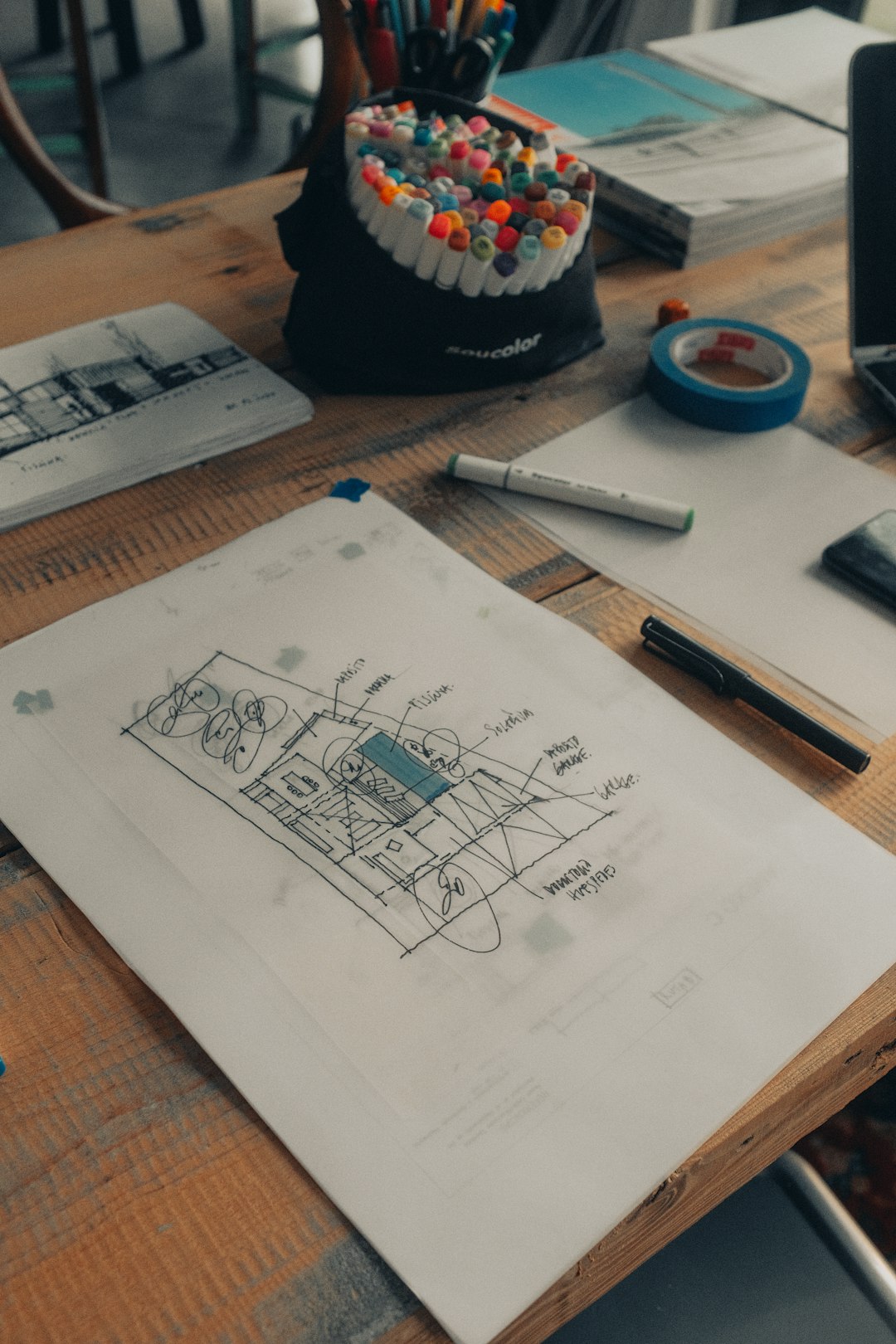
A reliable engineer must combine technical skill with professional discipline. Employers should avoid listing every possible skill and instead focus on the abilities most relevant to the role. For example, a software engineer description may emphasize programming languages and system architecture, while a civil engineer description may focus on structural analysis, site inspections, and permit compliance.
Common skills to include are:
- Technical expertise: Knowledge of engineering methods, tools, calculations, and materials.
- Analytical thinking: Ability to assess problems, evaluate options, and make evidence-based decisions.
- Attention to detail: Careful review of designs, data, measurements, and documentation.
- Communication: Clear reporting, documentation, and coordination with technical and non-technical stakeholders.
- Project awareness: Understanding of schedules, budgets, risks, and deliverables.
- Compliance mindset: Commitment to safety, quality, legal requirements, and professional standards.
Customizing the Template by Engineering Discipline
The template should be adapted to fit the specific engineering function. A mechanical engineer may work on machinery, HVAC systems, manufacturing equipment, or product development. A civil engineer may focus on infrastructure, roads, drainage, structures, or construction oversight. A software engineer may design applications, write code, review systems, and maintain digital platforms. An electrical engineer may handle circuits, power systems, control panels, or embedded technologies.
Customization is important because candidates assess whether their background matches the duties listed. A well-targeted description reduces unsuitable applications and improves the quality of the hiring pipeline.
Work Environment and Expectations
Engineering work may take place in an office, laboratory, production facility, construction site, client location, or remote environment. The job description should state the expected setting and any physical, travel, or scheduling requirements. If the role includes field inspections, occasional overtime, safety equipment, or exposure to industrial environments, these details should be stated clearly.
Employers should also describe the level of responsibility. Some engineers work under senior supervision, while others lead projects, approve designs, manage budgets, or supervise technical teams. Defining this scope helps avoid misunderstanding and supports fair performance evaluation.

Performance Measures
To make the role more transparent, employers may include examples of how performance will be assessed. These measures should be fair, objective, and connected to the actual work. Common performance indicators include:
- Accuracy and quality of engineering deliverables.
- Ability to complete assignments within agreed timelines.
- Compliance with safety, quality, and regulatory standards.
- Effectiveness in solving technical problems.
- Collaboration with project teams and stakeholders.
- Contribution to process improvements or cost savings.
Best Practices for Employers
When using an engineer job description template, keep the language professional, specific, and realistic. Avoid exaggerating responsibilities or requiring unnecessary qualifications, as this may discourage capable applicants. It is also important to distinguish between required and preferred qualifications. This allows strong candidates to understand whether they are eligible, even if they do not meet every preferred criterion.
The description should be reviewed by hiring managers, technical leaders, and human resources before publication. This ensures that the content is accurate, compliant, and aligned with company needs. If the role involves regulated engineering work, confirm whether licensing, certifications, or legal requirements must be included.
Conclusion
A well-prepared engineer job description template is more than a hiring formality. It is a practical document that defines expectations, supports fair recruitment, and helps attract candidates with the right technical and professional background. By clearly outlining responsibilities, qualifications, skills, work environment, and performance expectations, employers can build a stronger hiring process and improve the likelihood of selecting an engineer who can contribute effectively from the start.