A blockchain private key QR code is a convenient but highly sensitive way to represent the secret that controls cryptocurrency funds. It can simplify wallet import, cold storage workflows, or recovery procedures, but it also creates a single visual object that can expose an account instantly if copied, photographed, or scanned by the wrong party. Treat any QR code containing a private key or seed phrase as you would treat the key itself: whoever can read it can likely move the assets.
TLDR: A private key QR code converts a blockchain private key, seed phrase, or wallet import format key into a scannable image for fast wallet recovery or transfer. For example, a user moving funds from a paper wallet might scan the QR code once to sweep assets into a hardware wallet-controlled address. The convenience is significant, but the risk is equally high: one clear photo of the QR code can be enough to steal 100% of the funds tied to that key. Use offline generation, encrypted storage, hardware wallets, and secure destruction practices whenever private key QR codes are involved.
What Is a Blockchain Private Key QR Code?
A private key is a cryptographic secret used to authorize transactions on a blockchain. In Bitcoin, Ethereum, and many other networks, ownership is proven not by a name or password, but by the ability to sign a transaction with the correct private key. A QR code is simply a machine-readable image that can encode text, numbers, or binary data. When the encoded data is a private key, seed phrase, or wallet import format string, the QR code becomes a visual representation of wallet control.
This does not make the key more secure by itself. In fact, it can make mishandling easier. A long private key may be difficult for a human to copy, but a QR code can be captured instantly by a phone camera, security camera, cloud photo backup, or malware-infected device. The benefit is usability; the danger is exposure.
How It Works
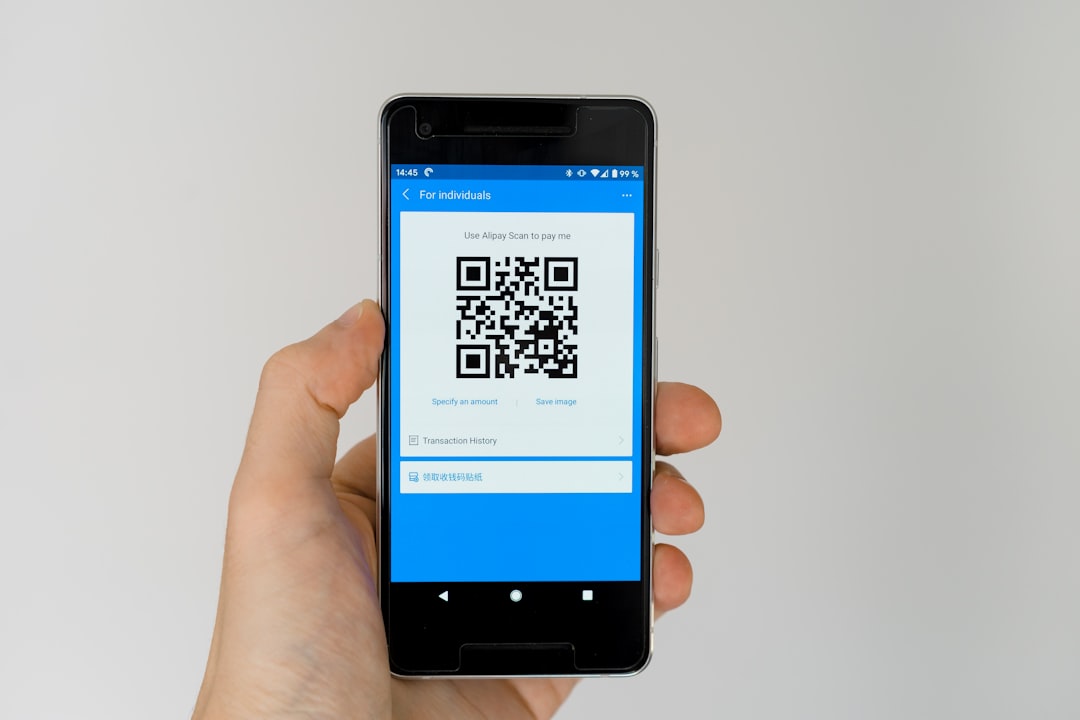
At a technical level, a QR code uses patterns of black and white modules to store data. Wallet software or a QR generator takes the private key text and encodes it into this pattern. When a compatible wallet scans the image, it decodes the data and may offer to import or sweep the associated funds.
These two actions are important to distinguish:
- Importing a private key adds that key to the wallet. The same key may still exist elsewhere, such as on paper, in a file, or in another app. If another copy is compromised, funds remain at risk.
- Sweeping creates a new transaction that moves funds from the old key-controlled address to a new address controlled by the current wallet. This is generally safer because the old exposed key no longer protects active funds after the transaction confirms.
Some QR codes contain a single private key, while others contain a seed phrase, extended private key, or encrypted backup. A seed phrase is particularly sensitive because it can restore an entire wallet with many addresses. An extended private key can also expose multiple derived addresses. For this reason, not all “wallet QR codes” carry the same level of risk, but many should be treated as catastrophic if disclosed.
Common Use Cases
Private key QR codes are most commonly seen in older paper wallet workflows, offline backup systems, testing environments, or controlled migration processes. A paper wallet may show a public address QR code for receiving funds and a separate private key QR code for spending them. The public address can be shared; the private key must never be shared.
In a cautious scenario, an investor who created a paper wallet years ago may now want to move funds to a hardware wallet. They would prepare a trusted wallet application, disconnect unnecessary networked devices, scan the private key QR code, and sweep the funds into a fresh hardware wallet address. Once the transaction is confirmed, the old paper wallet should be considered retired and destroyed or archived only as historical record, not as active security.

Primary Security Risks
The greatest risk is simple disclosure. Unlike a bank password, a blockchain private key usually cannot be reset by customer support. If an attacker obtains the key and transfers the funds, reversal is normally impossible. This finality is one of blockchain’s defining characteristics, but it raises the standards for personal security.
Another risk is unsafe generation. If a private key QR code is created using a website, browser extension, cloud-based tool, or online printer, the key may be logged, cached, transmitted, or stored without the user realizing it. Even if the service appears legitimate, the attack surface is much larger than with an offline, audited process.
Physical exposure is also serious. Printed QR codes can be photographed from a distance, copied by a scanner, or recovered from discarded paper. Digital images may sync automatically to cloud photo libraries. A screenshot saved on a phone may be included in backups, indexed by gallery apps, or exposed if the device is lost.
Security Best Practices
Organizations and individuals should apply a conservative standard: assume any visible private key QR code can be copied. The following practices reduce risk significantly:
- Prefer hardware wallets: Use a reputable hardware wallet for long-term storage. Hardware wallets are designed to keep private keys inside the device and sign transactions without exposing the key as a QR code.
- Use sweeping instead of importing: If you must scan an old private key QR code, sweep the funds into a newly generated wallet rather than continuing to use the old key.
- Generate keys offline: If creating a QR code is unavoidable, use an air-gapped device with verified software. Do not use random web tools or online QR generators for private keys.
- Encrypt backups when possible: An encrypted QR backup is safer than plain text, provided the passphrase is strong, unique, and stored separately. Weak encryption or reused passwords can create a false sense of security.
- Control cameras and printers: Do not expose private key QR codes near webcams, CCTV systems, shared office printers, or mobile phones with automatic cloud sync enabled.
- Separate public and private codes: Clearly label public address QR codes and private key QR codes. Confusing the two can lead to accidental disclosure.
- Limit copies: Every extra printout, screenshot, or backup increases the chance of compromise. Keep only the copies required for a defined recovery plan.
- Store physically secure backups: Use a locked safe, deposit box, or tamper-evident storage. Consider fire and water resistance for long-term holdings.
- Destroy retired keys properly: Shred paper, securely delete files, and clear printer memory where relevant. Once funds are moved, old private key QR codes should not remain casually accessible.
Operational Guidance for Businesses
Businesses should avoid informal private key QR workflows altogether. A company handling customer or treasury funds should use multi-signature wallets, role-based access controls, documented approval procedures, and hardware-backed signing. Private keys should not be printed and passed between employees. If QR-based signing is used, it should involve transaction data or partially signed transactions, not raw private keys.
Internal policies should define who may create wallets, where backups are stored, how recovery is tested, and how key material is destroyed. Access logs, dual control, and periodic audits can reduce insider risk. For meaningful balances, a single private key QR code in a drawer is not an adequate custody model.
Final Thoughts
A blockchain private key QR code is neither inherently good nor inherently bad. It is a usability tool that becomes dangerous when treated casually. The QR format makes keys easier to scan, but also easier to steal. For small tests, temporary transfers, or legacy paper wallet recovery, it can be useful when handled carefully. For long-term storage, the safer path is to avoid exposing private keys at all and rely on hardware wallets, strong backups, multi-signature arrangements, and disciplined operational security.
The guiding principle is simple: if a QR code contains a private key or seed phrase, it is the wallet. Protect it with the same seriousness as the assets it controls.