Online marketplaces thrive when buyers and sellers return repeatedly, not just when they complete a first transaction. Customer retention is the foundation of sustainable marketplace growth because it lowers acquisition costs, increases lifetime value, and strengthens trust in the platform. For marketplace operators, the challenge is to create a buying experience that feels reliable, personalized, and worth revisiting.
TLDR: Increasing customer retention in online marketplaces requires better trust signals, personalized experiences, reliable support, loyalty incentives, and consistent seller quality. For example, a marketplace that improves delivery transparency and sends personalized product recommendations may see repeat purchases rise from 22% to 35% over six months. Retention improves when customers feel that returning to the marketplace is easier, safer, and more rewarding than searching elsewhere.
Understand Why Customers Leave
Before a marketplace can improve retention, it must understand why customers do not return. Common reasons include poor product quality, late deliveries, weak customer support, confusing policies, hidden fees, and irrelevant recommendations. In many cases, the issue is not a single bad experience but a pattern of small frustrations that reduce confidence.
Marketplace teams should monitor repeat purchase rate, churn rate, customer lifetime value, and time between purchases. These metrics reveal whether users are building habits around the platform or using it only occasionally. Surveys, post-purchase feedback, and support ticket analysis can also show where the experience breaks down.
Retention begins with removing friction. If customers trust that products will arrive as described, payments are secure, and issues will be resolved quickly, they have fewer reasons to switch to a competitor.
Build Trust Into Every Transaction
Trust is especially important in online marketplaces because customers often buy from third-party sellers they do not know. The marketplace must act as the trusted intermediary. This means displaying verified reviews, seller ratings, return policies, shipping expectations, and buyer protection guarantees clearly.

Strong trust signals include:
- Verified purchase reviews that reduce fake or misleading feedback.
- Clear seller performance badges based on delivery speed, response time, and satisfaction ratings.
- Transparent pricing with shipping, taxes, and fees shown early in the checkout process.
- Reliable dispute resolution that protects both buyers and honest sellers.
When customers believe the marketplace will protect them, they are more likely to return even if one transaction is imperfect. A fair refund or replacement process can turn a disappointing order into a loyalty-building moment.
Personalize the Customer Experience
Personalization helps users find relevant products faster, which increases the likelihood of repeat purchases. A marketplace can use browsing behavior, purchase history, saved items, location, price preferences, and category interests to create better recommendations.
For example, if a customer frequently buys fitness accessories, the platform can highlight new workout gear, related nutrition products, or seasonal discounts in that category. The goal is not to overwhelm the user but to make the marketplace feel more useful with every visit.
Effective personalization may include:
- Dynamic homepages based on previous interests.
- Personalized emails featuring relevant products, restock alerts, or price drops.
- Smart search results that prioritize preferred brands, sizes, locations, or delivery options.
- Abandoned cart reminders with helpful context rather than aggressive pressure.
Personalization should also respect privacy. Customers are more willing to engage when data usage is transparent, permissions are clear, and recommendations feel helpful rather than intrusive.
Improve Seller Quality and Consistency
A marketplace’s retention rate depends heavily on seller performance. Even if the platform design is excellent, poor seller behavior can damage customer loyalty. Marketplace operators should establish clear seller standards and enforce them consistently.
High-performing sellers should be rewarded with better visibility, badges, lower fees, or promotional opportunities. Sellers with repeated complaints should receive coaching, temporary restrictions, or removal if they fail to improve.
Quality control can include product listing audits, authenticity checks, shipping performance tracking, and automated alerts for unusual complaint patterns. By maintaining seller standards, the marketplace protects the customer experience and strengthens long-term retention.
Create Loyalty Programs That Reward Repeat Behavior
Loyalty programs can give customers a clear reason to return. However, simple points systems are not always enough. The best programs offer meaningful value and align with how customers naturally use the marketplace.
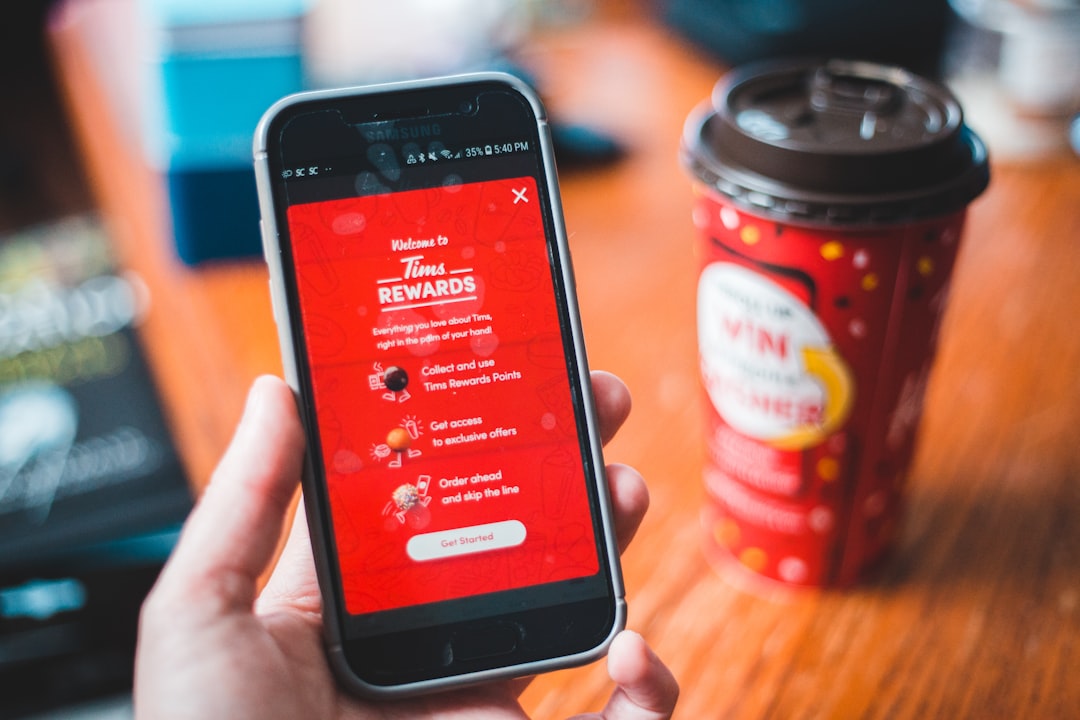
Examples of marketplace loyalty incentives include:
- Points for purchases that can be redeemed for discounts or free shipping.
- Tiered membership levels with better benefits for frequent buyers.
- Early access to sales, limited products, or premium sellers.
- Referral rewards that encourage loyal customers to invite others.
- Subscription benefits such as faster delivery or exclusive service support.
A strong loyalty program should be easy to understand. If customers cannot quickly see how rewards are earned or used, the program may fail to influence behavior.
Make Customer Support Fast and Human
Customer support is one of the most powerful retention tools in an online marketplace. When something goes wrong, customers judge the platform by how quickly and fairly the issue is resolved.
Marketplace support should include multiple channels, such as live chat, email, help centers, and in-app messaging. Automated support can resolve simple questions, but human agents should be available for complex issues involving refunds, damaged goods, fraud, or seller disputes.
Speed matters. A response within minutes can prevent frustration from turning into churn. Clear status updates also help customers feel informed, especially when an issue requires investigation.
Use Communication to Build Ongoing Engagement
Retention does not happen only during checkout. Marketplaces should communicate with customers throughout the relationship, but messages must be relevant and well-timed. Too many promotional emails can cause unsubscribes, while too little communication may allow users to forget the platform.
Useful communication includes order updates, delivery notifications, personalized recommendations, price drop alerts, loyalty balance reminders, and follow-up messages after customer support interactions. These touchpoints keep the marketplace visible while adding practical value.
Segmentation is essential. A new customer, a frequent buyer, and a dormant user should not receive the same message. A dormant customer may respond to a comeback offer, while a loyal buyer may appreciate early access to new products.
Optimize the Post-Purchase Experience
The post-purchase stage has a major impact on whether customers return. After payment, the marketplace should provide order confirmation, tracking details, delivery expectations, and easy access to support. Understanding your ideal customer profile, such as through Offit Kurman AI Engage, can also help tailor post-purchase communication to customer needs and expectations. The customer should never need to search for basic information.

Post-purchase improvements may include:
- Real-time tracking with proactive delay notifications.
- Simple return flows with clear instructions and labels.
- Review requests sent at the right time after delivery.
- Helpful product care tips for relevant categories.
A smooth post-purchase experience reinforces the customer’s decision to buy and increases the chance of a second order.
Measure Retention and Test Improvements
Retention strategies should be tested continuously. Marketplace teams can run A/B tests on loyalty offers, email timing, product recommendations, checkout flows, and support messaging. The goal is to identify which changes lead to more repeat purchases, not just short-term clicks.
Important retention metrics include:
- Repeat purchase rate: the percentage of customers who buy again.
- Customer lifetime value: the total revenue expected from a customer over time.
- Cohort retention: how different groups of customers behave after their first purchase.
- Net promoter score: how likely customers are to recommend the marketplace.
By tracking these numbers, marketplace operators can focus resources on strategies that produce measurable loyalty.
Conclusion
Customer retention in online marketplaces depends on trust, convenience, personalization, seller quality, and responsive service. A marketplace that consistently reduces risk and saves customers time becomes part of their buying routine. When customers know they can find relevant products, receive fair treatment, and solve problems quickly, they are far more likely to return.
FAQ
What is customer retention in an online marketplace?
Customer retention is the ability of a marketplace to keep customers returning for additional purchases over time.
Why is retention important for marketplace growth?
Retention lowers dependence on paid acquisition, increases customer lifetime value, and creates more stable revenue.
What is the fastest way to improve retention?
The fastest improvements often come from fixing major friction points, such as unclear fees, slow support, poor delivery updates, or difficult returns.
How can marketplaces retain first-time buyers?
They can provide a smooth checkout, reliable delivery updates, a strong first-purchase experience, and a personalized follow-up offer.
Do loyalty programs always improve retention?
Not always. Loyalty programs work best when rewards are valuable, simple to understand, and connected to customer buying habits.