Make plus AI email marketing automation helps you send better emails with less manual work. It connects your apps, cleans your data, writes or improves email content, and triggers the right message at the right time. The goal is simple. Fewer boring tasks. More useful emails.
TLDR: Make can connect tools like Shopify, HubSpot, Google Sheets, Airtable, Mailchimp, Klaviyo, OpenAI, and your CRM into one smart email workflow. AI can write subject lines, segment contacts, score leads, and personalize offers. For example, a small store could send a welcome email within 2 minutes of signup, then use AI to recommend products based on browsing history. Teams often cut manual campaign prep by 30% to 60% when the workflow is set up well.
What is Make?
Make is a visual automation platform. You build workflows by connecting apps with blocks. These blocks are called modules. Each module does one job.
One module may watch for a new lead. Another may send data to an AI tool. Another may add that lead to an email list. Another may send a Slack alert.
It feels a bit like building with digital Lego. But for your marketing stack.
The best part is that you can see the whole flow on one screen. That helps when something breaks. And yes, something will break. Usually because someone renamed a spreadsheet column on a Friday.

What does AI add to email marketing?
Email automation without AI is useful. Email automation with AI is smarter.
AI can help with:
- Subject lines that match the offer and audience.
- Personalized email copy based on user behavior.
- Lead scoring using form answers and activity.
- Customer segments built from purchase history.
- Product recommendations for each customer.
- Reply classification for support or sales follow up.
- Campaign summaries after emails go out.
AI is not magic. It needs good inputs. If your data is messy, your emails will be messy too. Honestly, it feels like half of marketing automation is just stopping bad data from sneaking into places it should not be.
How Make and AI work together
A normal Make workflow has a trigger, actions, filters, and outputs.
Here is a simple example:
- A visitor fills out a form.
- Make catches the new lead.
- Make sends the lead data to an AI model.
- The AI writes a custom welcome note.
- Make adds the person to your email platform.
- The email is sent.
- The lead is logged in your CRM.
That is one full workflow. No copying. No pasting. No “who forgot to upload the CSV?” drama.
Workflow 1: AI welcome email for new leads
This is the classic starter workflow. It is easy to build. It also gives fast results.
Trigger: A new signup from Typeform, Webflow, Facebook Lead Ads, or a landing page.
AI step: The AI reviews the form data. It writes a short welcome email based on the person’s interest.
Email step: Make sends the content to Mailchimp, Klaviyo, ActiveCampaign, Brevo, or another email tool.
Extra step: Add the contact to a CRM like HubSpot or Pipedrive.
Example: A SaaS company asks users what problem they want to fix. One user says, “I need better reports.” The AI writes a welcome email that focuses on reporting features, not random product fluff.
Workflow 2: Smart lead scoring
Not every lead is ready to buy. Some are curious. Some are bored. Some just wanted the free checklist.
Make can collect signals from many places. Then AI can score the lead.
- Did they open 3 emails?
- Did they visit the pricing page?
- Did they download a guide?
- Did they mention budget in a form?
- Did they use a business email?
The AI can return a score from 1 to 100. Make can then route the lead.
- Score 80 to 100: Send to sales now.
- Score 50 to 79: Add to nurture emails.
- Score under 50: Send educational content.
This keeps sales teams from chasing cold leads all day. It also keeps warm leads from waiting too long.
Workflow 3: Cart recovery with better timing
Cart recovery emails can feel stale. “You left something behind” has been used to death.
With Make and AI, you can improve the message. You can also change the timing.
Trigger: A shopper leaves items in a cart for 30 minutes.
Data pulled: Product name, category, price, customer history, coupon status.
AI step: Write a short email that fits the product. A running shoe email should not sound like a skincare email.
Automation step: Send email 1 after 1 hour. Send email 2 after 24 hours. Send email 3 after 48 hours with a small discount, if allowed.
Use case: A store with 8,000 monthly carts could recover 5% more abandoned carts. If the average order is $70, that can add real money fast.
Workflow 4: Product recommendations
Personal recommendations are great when they are not creepy. The trick is to use useful data, not weird guesses.
Make can pull purchase history from Shopify or WooCommerce. It can send that data to AI. The AI can choose related products. Then Make sends those picks into your email tool.
Simple example:
- Customer buys coffee beans.
- AI suggests filters, mugs, or a grinder.
- Make creates a follow up email after 10 days.
- The email includes 3 product ideas.
This works well for stores with repeat purchases. Coffee, pet food, beauty, supplements, hobby gear, and office supplies are all good fits.
Workflow 5: AI cleanup for messy contact lists
Email tools get messy over time. Duplicate contacts show up. Names are typed in all caps. Job titles are vague. Company names are spelled three ways.
Make can help clean this up.
For example, every night Make can scan new contacts. AI can format names, detect fake entries, tag industries, and flag risky emails. Then Make updates the CRM.
It drives me a little mad when one bad import creates 600 broken records. This workflow helps stop that before it spreads.
Workflow 6: Campaign reporting
Reporting should not eat your whole morning.
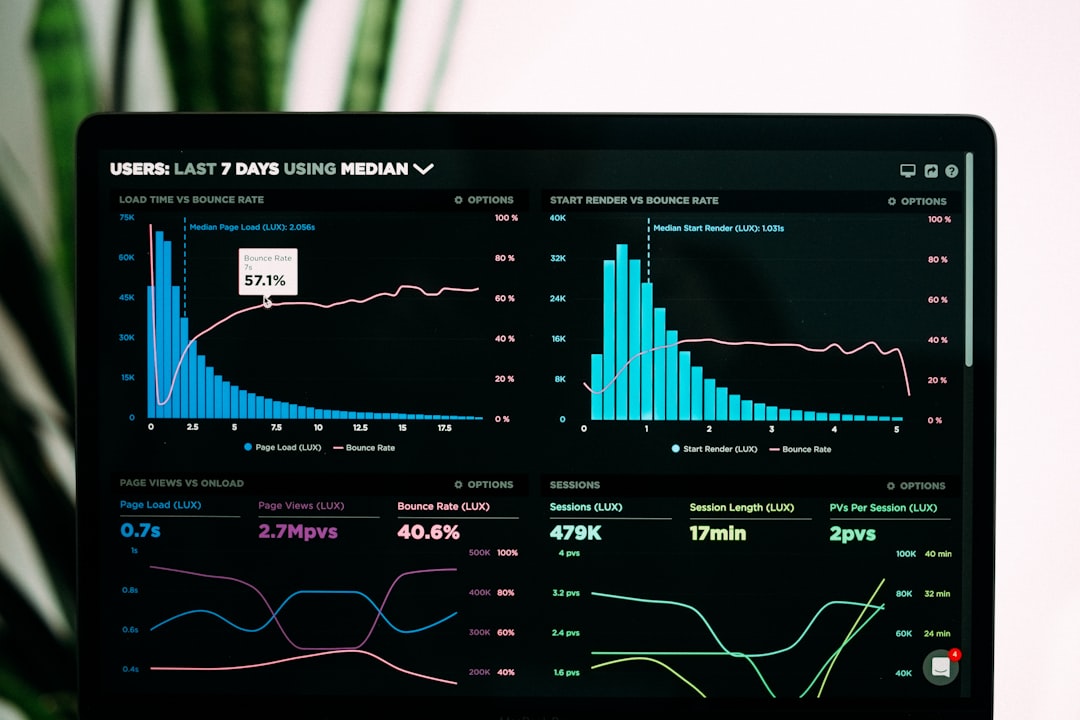
Make can pull campaign numbers from your email tool. Then AI can summarize what happened in plain language.
The report may include:
- Open rate.
- Click rate.
- Revenue per email.
- Top links.
- Best subject line.
- Unsubscribe rate.
- Ideas for the next test.
Then Make can send the summary to Slack, Teams, Notion, or Google Docs.
A simple Make scenario you can build
Here is a clean first setup for a small business.
- Trigger: New lead in a form.
- Filter: Only continue if email is valid.
- AI module: Classify the lead interest.
- Router: Send each interest group down a different path.
- Email platform: Add the person to the right list.
- AI module: Draft a custom first email.
- CRM: Create or update the contact.
- Alert: Notify sales if the lead looks hot.
This one scenario can replace several tiny tasks. It also reduces mistakes. Expect to waste time on field mapping at first. It can take 20 extra seconds per field when app labels do not match. Annoying, yes. Worth fixing, also yes.
Best practices for Make and AI email automation
- Start small. Build one workflow first. Test it hard.
- Use clean data. AI performs better with clear inputs.
- Add approval steps. Do this before AI sends important emails.
- Log everything. Store outputs in Sheets, Airtable, or your CRM.
- Use filters. Stop bad contacts before they enter campaigns.
- Watch costs. AI calls and automation runs can add up.
- Respect consent. Only email people who agreed to hear from you.
Common mistakes to avoid
Do not let AI write huge emails. Short usually wins.
Do not personalize every single word. That gets odd fast.
Do not skip testing. Send emails to yourself first. Check links. Check names. Check merge tags. Then check them again.
Do not build a giant workflow on day one. Big workflows break in boring ways. Start with one trigger and one useful result.
Final thoughts
Make and AI email marketing automation can turn scattered tools into one smart system. It can welcome leads, score prospects, recover carts, suggest products, clean lists, and explain campaign results.
The win is not just speed. It is focus. Your team spends less time moving data around. They spend more time making offers people actually want.
Start with one painful task. Automate that. Then add AI where it improves the result. Simple beats fancy almost every time.