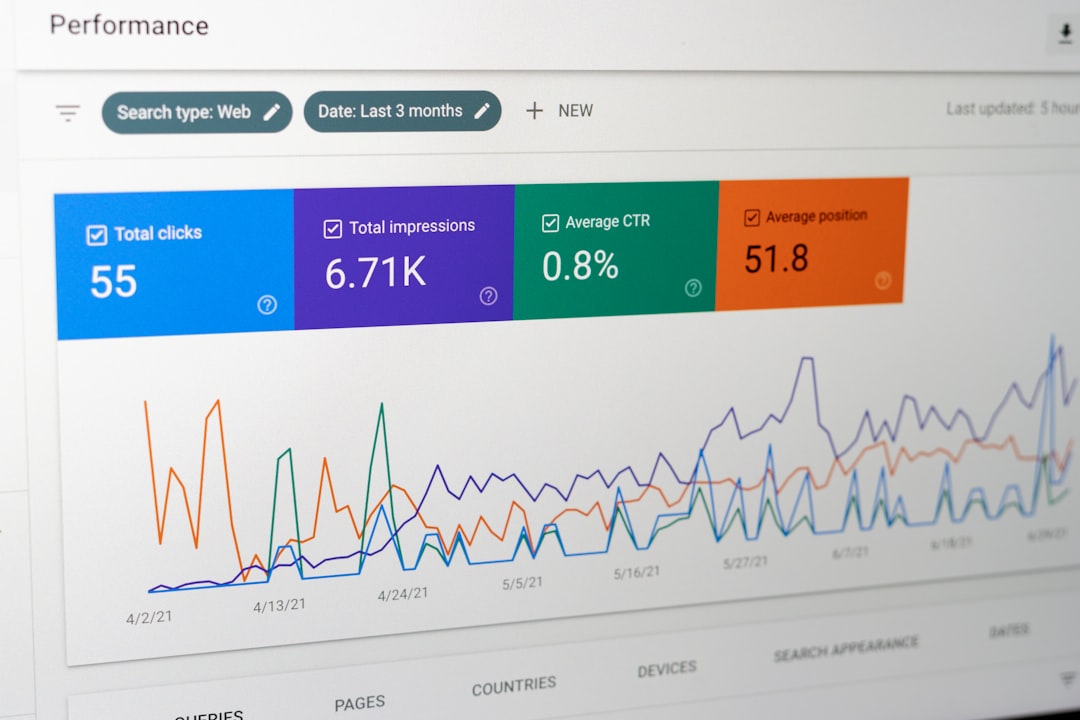
Start by comparing what your audience searches for with what your site actually answers. A strong content gap analysis for SEO shows the topics you missed, the keywords competitors own, and the articles most likely to bring qualified traffic.
TLDR: Content gap analysis helps you find missing topics, weak pages, and competitor keywords worth targeting. For example, a B2B software site may find that three competitors rank for “employee onboarding checklist,” while its own site only has a generic HR guide. If that keyword gets 2,400 monthly searches and competitors earn an estimated 18% click share, it becomes a clear publishing chance. Focus on gaps with search demand, business value, and realistic ranking potential.
What Is Content Gap Analysis in SEO?
Content gap analysis is the process of finding useful search topics your site does not cover well. These gaps can be full missing pages, thin articles, outdated sections, weak keyword targeting, or unanswered questions inside an existing post.
The goal is not to copy competitors. That creates bland content and wastes budget. The real goal is to spot demand you have not served yet, using insights such as an ideal customer profile for Meta AI competitor analysis to understand where competitors are winning and where opportunities remain. Then, publish something better, clearer, and more useful.
Think of it as an editorial audit with search data attached. You are asking three direct questions:
- What does our audience search for?
- Which competitors already answer those searches?
- Which missing topics can we realistically win?
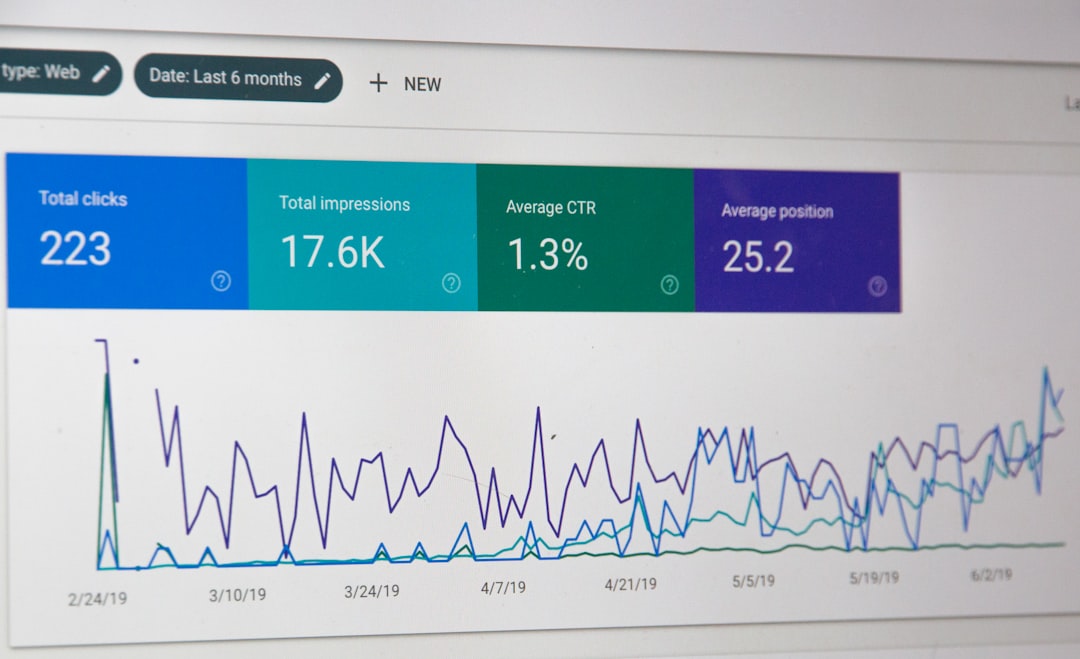
Why Content Gaps Hurt Organic Growth
Search traffic often stalls because a site keeps publishing the same type of content. Ten listicles. Twelve broad guides. Five “what is” articles. Meanwhile, competitor pages rank for comparison posts, templates, pricing searches, use cases, and problem based queries.
It drives me crazy that teams often blame “the algorithm” before checking whether they simply lack pages for high intent searches. If users want a “CRM migration checklist” and your site only has “What is CRM?”, Google has little reason to show you.
Missing topics also weaken internal linking. If you have no supporting article for a key service page, that page stands alone. It may rank, but it has less topical support. Search engines need clear signals that your site covers a subject deeply.
Common Types of SEO Content Gaps
Not every gap is a missing blog post. Some are buried inside pages that already exist. Look for these patterns first:
- Keyword gaps: Competitors rank for search terms your site does not rank for at all.
- Intent gaps: Your page targets the right keyword but answers the wrong need. A buyer wants a comparison, but your article gives a definition.
- Format gaps: Search results favor tools, templates, calculators, videos, or checklists, while you only offer a plain article.
- Depth gaps: Your content touches a topic but skips subtopics users expect.
- Freshness gaps: Your article is correct but old. Dates, screenshots, prices, and examples feel stale.
- Funnel gaps: You have awareness content, but no pages for alternatives, pricing, implementation, or decision stage searches.
Step 1: Build Your Keyword and Page Baseline
Start with your own data. Export pages and queries from Google Search Console. Pull landing page traffic and conversions from GA4. Add keyword rankings from your preferred SEO platform, such as Ahrefs, Semrush, Moz, or SE Ranking.
Create a simple sheet with these columns:
- URL
- Primary keyword
- Current rank
- Clicks
- Impressions
- Conversions or assisted conversions
- Topic cluster
- Last updated date
This tells you what already works. It also exposes weak spots. A page with 25,000 impressions and 180 clicks may need a better title, improved snippet, or richer answer. A page ranking at position 11 for a valuable term may need internal links and added sections, not a full rewrite.
Step 2: Choose Competitors Carefully
Your SEO competitors are not always your business competitors. A small accounting firm may compete in search with software companies, tax blogs, bank websites, and government pages.
Pick three to five domains that consistently rank for your target topics. Include direct competitors and search competitors. Then compare keyword sets. Look for keywords where:
- Two or more competitors rank in the top 10.
- Your site does not rank in the top 50.
- The search intent fits your product, service, or expertise.
- The topic could support revenue, leads, email signups, or authority.
Expect to waste time cleaning messy exports. Some tools group close keywords nicely. Others split “best payroll software” and “best payroll system” into separate rows, then make you sort through near duplicates by hand. It is not glamorous, but it prevents bad content decisions.
Step 3: Map Search Intent Before You Write
A keyword is not an article idea until you understand intent. Search “content calendar template,” and users likely want a downloadable asset. Search “how to build a content calendar,” and they want steps. Search “best content calendar tools,” and they want options, pricing, and pros and cons.
Check the current top results. Scan titles, page types, headings, media, and calls to action. If eight of the top ten results are comparison pages, do not publish a broad guide and hope it ranks. Match the intent first. Then improve the usefulness.
Ask these questions:
- Is the user learning, comparing, buying, troubleshooting, or validating?
- Does the result page favor long guides, product pages, lists, templates, or videos?
- What questions appear in People Also Ask?
- What do top pages include that your site lacks?
- What do they explain poorly?
Step 4: Prioritize Gaps Worth Publishing
Publishing every gap is a trap. Some topics attract traffic but no buyers. Others are too competitive for your current authority. Prioritize with a simple score from 1 to 5 for each factor:
- Search demand: Does enough audience demand exist?
- Business value: Would this topic attract the right visitor?
- Ranking difficulty: Can your site compete within six to twelve months?
- Content fit: Can you add real expertise, examples, data, or experience?
- Conversion path: Is there a natural next step for the reader?
Add the scores. Then sort. A keyword with 700 monthly searches and high buying intent may beat a broad keyword with 12,000 searches and weak relevance. Traffic that never converts is just a bigger analytics chart.
A Practical Example
Suppose a project management SaaS company audits three competitors. It finds 312 competitor ranking keywords where its own site has no top 50 ranking. After removing duplicates and low relevance terms, 58 solid opportunities remain.
The best cluster is “project kickoff.” Competitors rank for “project kickoff meeting agenda,” “project kickoff checklist,” and “project kickoff template.” The company only has one page about project planning. It creates a dedicated guide, a downloadable agenda, and three supporting articles.
After 90 days, the new cluster ranks for 146 keywords. Organic demo signups from those pages reach 37 per month. The original broad planning page also improves from position 14 to position 7 because the new internal links strengthen the topic cluster.

How to Turn Gaps Into Strong Content
Once you pick a gap, build the page with intent and usefulness in mind. Do not simply stretch competitor headings into a longer post. Add what is missing.
- Include original examples: Show sample workflows, screenshots, tables, or checklists.
- Answer related questions: Add concise sections for common user concerns.
- Use internal links: Connect the new page to service pages, product pages, and related articles.
- Improve readability: Use short sections, clear headings, and direct answers.
- Add expert input: Quotes, process notes, or real data make content harder to imitate.
- Update often: Review high value pages every three to six months.
Metrics to Track After Publishing
Content gap work does not end when the article goes live. Track progress in stages. First, check indexing. Then impressions. Then rankings. Then clicks and conversions.
Useful metrics include:
- New ranking keywords
- Top 3, top 10, and top 20 keyword counts
- Organic clicks by page
- Click through rate from search results
- Assisted conversions
- Internal link clicks
- Engagement with templates, forms, or calls to action
If a page gets impressions but few clicks, refine the title and meta description. If it ranks on page two, add depth and internal links. If it gets traffic but no leads, adjust the call to action or create a better next step.
Make Content Gap Analysis a Monthly Habit
The best SEO teams treat gap analysis as an ongoing routine, not a once a year audit. Search behavior shifts. Competitors publish. Products change. Your content should keep up.
Set a monthly review. Find new competitor keywords. Refresh one underperforming page. Publish one gap based asset. Improve internal links across one topic cluster. Small fixes stack up.
Content gap analysis works because it replaces guesswork with evidence. It shows where demand already exists and where your site is absent. Use that insight to publish fewer, better pieces that answer real searches and support real business goals.