RF usually means “radio frequency,” but in technology and business it can also mean procurement requests, machine learning models, risk factors, revenue forecasts, response factors, release frequency, or request forms. The right meaning depends on who is using it, the document type, and the nearby terms.
TLDR: RF is not a single-purpose abbreviation. In an engineering ticket, RF may mean radio frequency; in procurement, it may point to an RFI, RFP, or RFQ. For example, a company buying 500 handheld scanners may send an RFQ to three vendors, while its IT team checks RF signal strength in the warehouse. In internal audits, abbreviation errors can cost time: even a 10-minute clarification across 30 tickets creates 5 hours of avoidable work.
1. RF as Radio Frequency
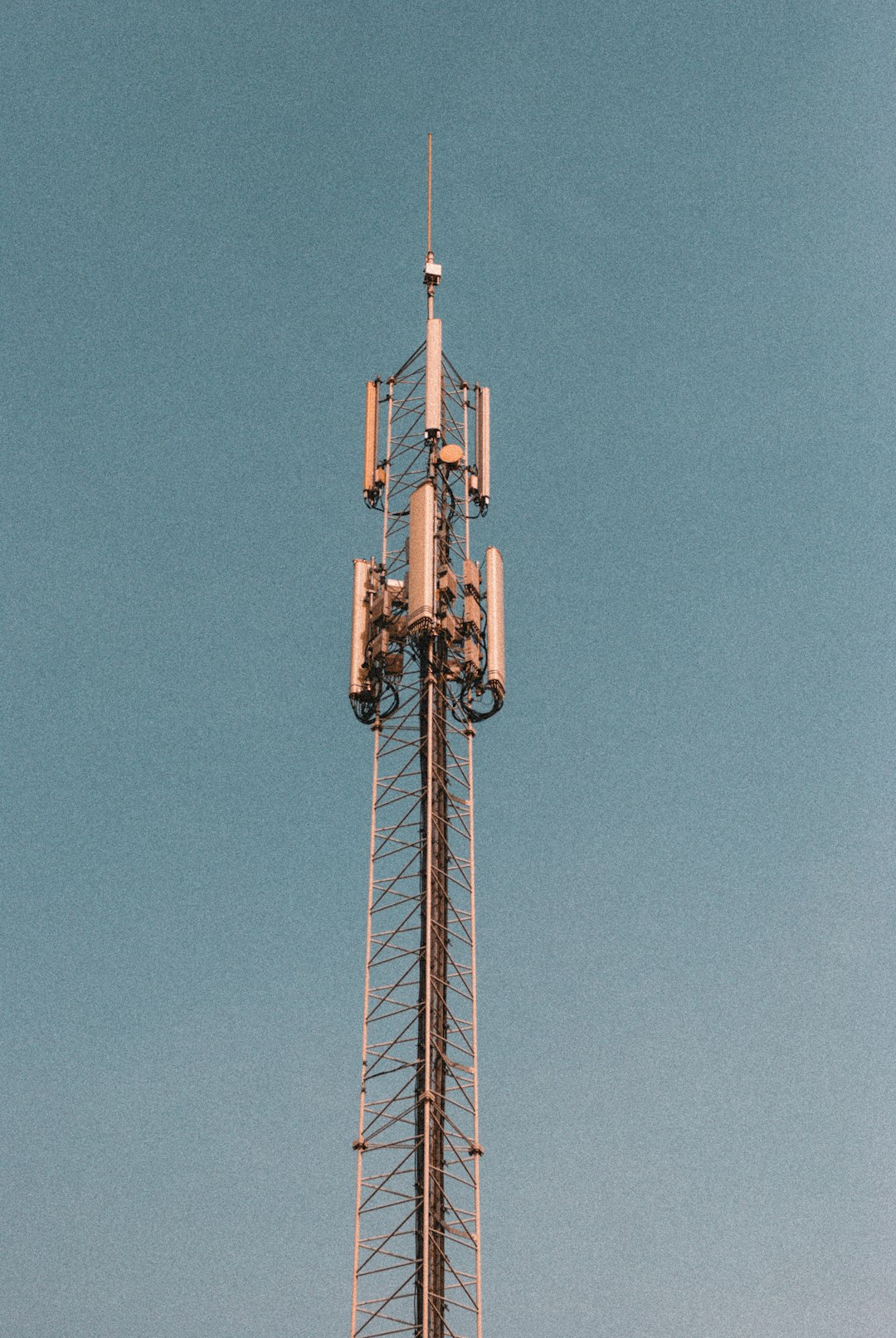
Radio Frequency is the most common technical meaning of RF. It refers to electromagnetic signals used for wireless communication. These signals help power Wi-Fi, Bluetooth, mobile networks, radio broadcasting, satellite links, radar, RFID systems, and many industrial sensors.
Engineers often discuss RF in terms of frequency bands, signal strength, interference, antennas, and transmission range. In a warehouse, for example, weak RF coverage can cause barcode scanners to drop connections. That may sound minor, but it can slow picking, packing, and inventory counts.
The catch is that RF issues are often blamed on software first. Teams may spend hours checking apps and databases, only to find that a metal rack blocked the signal. It is annoying, expensive, and very common.
2. RF as Request For
In business, RF is often used as shorthand for the Request For family of procurement documents. This includes RFI for Request for Information, RFP for Request for Proposal, and RFQ for Request for Quotation.
- RFI: Used to learn what vendors offer before asking for prices.
- RFP: Used when the buyer wants a detailed solution, timeline, and pricing model.
- RFQ: Used when the buyer already knows what they need and wants a price.
This meaning is common in purchasing, legal, sales, IT sourcing, and government contracts. A project manager might say, “The RF goes out Friday,” meaning a vendor request document will be distributed. That phrase can confuse technical staff, so it is better to write the full term at least once.
3. RF as Random Forest
In data science and machine learning, RF often means Random Forest. It is a model that combines many decision trees to make predictions or classifications. Random Forest is used in fraud detection, credit scoring, churn prediction, medical risk analysis, and demand planning.
A single decision tree can be too sensitive to noisy data. A Random Forest reduces that problem by using many trees and averaging their results. This can improve accuracy and reduce overfitting.
For example, a lender may use an RF model to estimate credit risk. The model may process income, repayment history, loan size, job stability, and debt ratio. If the training data is clean, the model can support faster and more consistent decisions.

4. RF as Risk Factor
In finance, cybersecurity, compliance, and project planning, RF can mean Risk Factor. A risk factor is any condition that increases the chance of loss, delay, failure, breach, or poor performance.
In cybersecurity, a weak password policy is a risk factor. In supply chains, single-source vendors are risk factors. In finance, unstable cash flow or high customer concentration can be risk factors.
Risk factors are usually rated by likelihood and impact. A low-likelihood risk with severe impact may still need attention. A high-likelihood risk with small impact may be accepted or monitored. The key is consistency. If each department scores risk differently, the report becomes less useful.
5. RF as Revenue Forecast
In sales, finance, and business planning, RF can stand for Revenue Forecast. This is an estimate of future income over a set period. It may cover the next month, quarter, or fiscal year.
A revenue forecast may use pipeline value, past sales, renewal rates, seasonality, market demand, and pricing changes. For example, if a software company has $2 million in qualified pipeline and a 35% historical close rate, it may forecast $700,000 in new revenue from that group.
Good forecasts help with hiring, inventory, marketing spend, and cash planning. Bad forecasts create real strain. It drives teams crazy when a forecast says growth is secure, then the quarter closes 18% below plan because deal stages were inflated.
6. RF as Response Factor
In analytics, testing, calibration, and laboratory systems, RF may mean Response Factor. A response factor shows how strongly a system responds to a known amount of a substance, signal, or input.
This term appears in chromatography, environmental testing, pharmaceutical quality control, sensor calibration, and some measurement platforms. If two compounds are present at the same concentration, the instrument may not respond equally to both. The response factor corrects for that difference.
Business teams may not use this term daily, but it matters in regulated industries. If response factors are wrong, reported values can be wrong. That can affect product release, safety checks, compliance reviews, and customer trust.
7. RF as Release Frequency
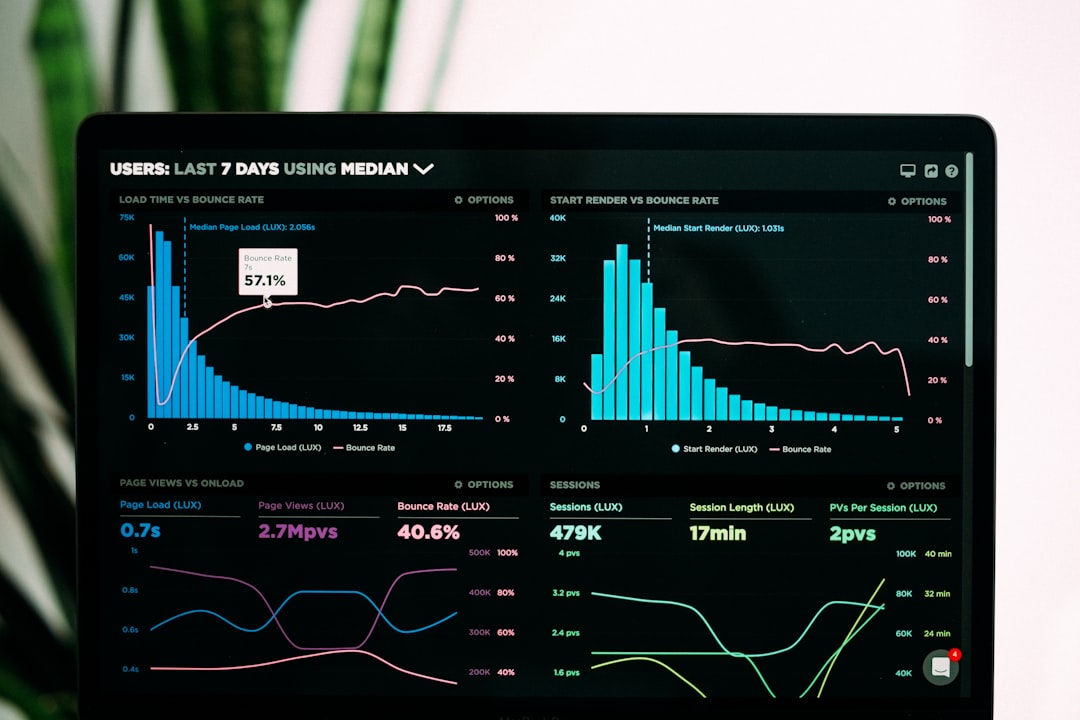
In software delivery, RF can mean Release Frequency. This metric tracks how often a team ships updates to users or production systems. It is closely linked to DevOps, product management, quality assurance, and engineering performance.
A team releasing once every six months may have larger batches, more regression risk, and slower feedback. A team releasing weekly or daily can test smaller changes and respond faster. Higher release frequency does not automatically mean better quality, though. If defects rise, the process needs repair.
Useful related metrics include change failure rate, lead time for changes, and mean time to recovery. Together, these give a more balanced view than release count alone.
How to Identify the Right Meaning of RF
The safest method is to check the context. Look at the speaker, system, and task. If the message comes from a network engineer, RF probably means radio frequency. If it appears in a procurement email, it likely means Request For. If it appears in a model report, Random Forest is a strong candidate.
- Engineering context: Radio Frequency, Release Frequency.
- Procurement context: Request For, such as RFI, RFP, or RFQ.
- Data science context: Random Forest.
- Finance context: Revenue Forecast or Risk Factor.
- Testing context: Response Factor.
Best Practice for Using RF in Documents
Spell out RF the first time it appears. Then place the abbreviation in parentheses. For example: Radio Frequency (RF) or Revenue Forecast (RF). This small step prevents misread reports, slow approvals, and avoidable meetings.
RF is useful shorthand, but only when everyone shares the same meaning. In mixed teams, assume they do not. Write clearly, define terms early, and save people the extra back-and-forth.