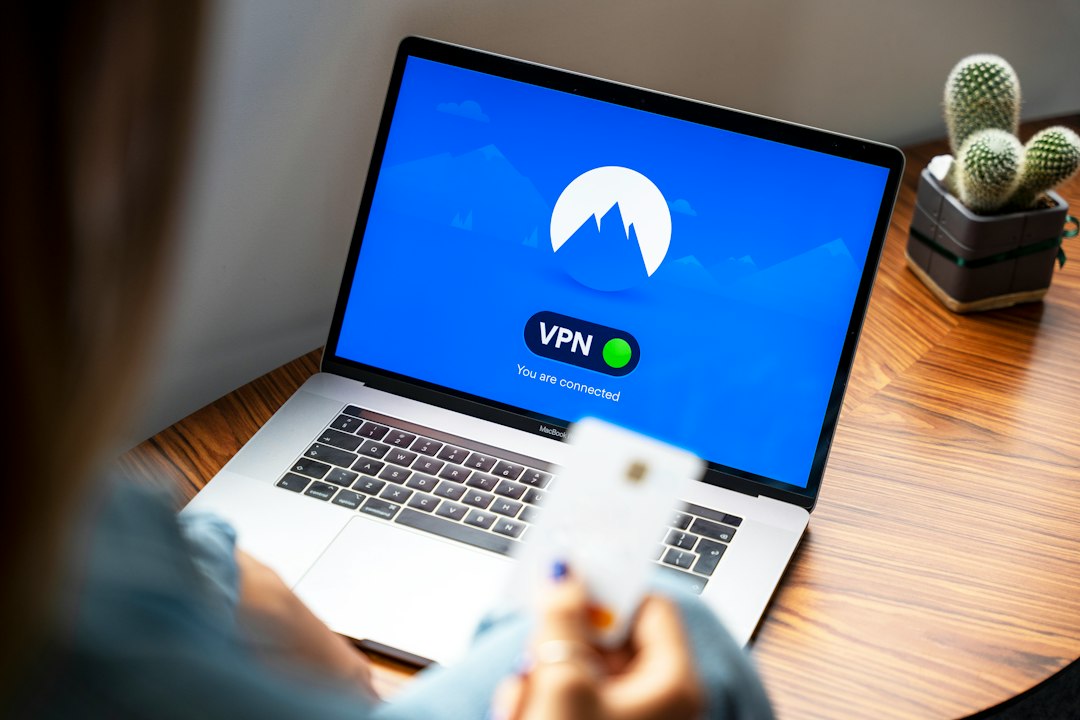
Use a VPN firewall for controlled remote access, but consider a next-generation firewall or SASE platform when users, applications, and data are spread across many locations. A VPN firewall can still be a practical security control, especially for smaller teams and branch offices. Yet it should not be treated as a full modern security strategy by itself.
TLDR: A VPN firewall protects encrypted VPN traffic and applies access rules, while a next-generation firewall adds deeper inspection, app control, and threat prevention. SASE moves many of those controls to the cloud, which can suit companies with remote staff, SaaS tools, and multiple offices. For example, a 250-person company with 70% remote workers may cut backhaul traffic by routing users through cloud security points instead of forcing every session through one data center. The right choice depends on risk, budget, latency, and how much security work your team can handle.
What Is a VPN Firewall?
A VPN firewall combines two core functions. It creates or protects a virtual private network, and it filters traffic based on security rules. In simple terms, it decides who can connect, where they can go, and which traffic should be blocked.
This setup is common in offices that allow remote employees to connect to internal systems. A user opens a VPN client, authenticates, and receives access to approved resources. The firewall may inspect the connection, block suspicious ports, enforce IP rules, and log activity.
Traditional VPN firewalls work well for clear, bounded use cases:
- Remote access to internal file servers, admin portals, or private apps.
- Site-to-site VPNs between offices, warehouses, or data centers.
- Basic perimeter control for smaller networks.
- Encrypted tunnels over untrusted networks.
The problem is scale. Honestly, it feels like many VPN setups were built for a world where most people sat in the same building. When hundreds of users connect from homes, hotels, airports, and mobile devices, the model starts to groan.

VPN Firewalls vs Next-Generation Firewalls
A next-generation firewall, often called an NGFW, goes beyond port and protocol filtering. It can identify applications, inspect encrypted traffic, detect malware, and apply user-based policies. Many NGFWs also include intrusion prevention, sandboxing, URL filtering, and integration with identity providers.
The main difference is depth. A VPN firewall may know that traffic is using HTTPS. An NGFW may know that the traffic is Microsoft Teams, Dropbox, Salesforce, or a risky file-sharing app. That distinction matters.
Here is the practical comparison:
- VPN firewall: Best for encrypted tunnels and controlled remote access.
- NGFW: Best for deeper network inspection, application control, and threat blocking.
- VPN firewall: Often easier to understand and deploy for simple networks.
- NGFW: Better suited for mixed traffic, branch offices, and higher security requirements.
- VPN firewall: Can create bottlenecks if all remote traffic is sent through one site.
- NGFW: Can reduce risk with more detailed policies and security feeds.
The catch is that NGFWs can become complex. Policy management, SSL inspection, certificate issues, false positives, and firmware upgrades all take time. Expect to waste time on rule cleanup if no one owns the firewall policy. A messy NGFW can be nearly as risky as a basic firewall.
Where VPN Firewalls Still Make Sense
A VPN firewall is not outdated by default. It is still useful when the network has a clear boundary and a limited number of private resources. If ten administrators need access to internal infrastructure, a hardened VPN with multi-factor authentication may be enough.
It also makes sense for organizations with strict control over endpoints. If all laptops are managed, patched, encrypted, and monitored, the VPN firewall can be part of a strong model. The key is not to rely on it alone.
Good VPN firewall hygiene includes:
- Multi-factor authentication for every remote user.
- Least privilege access, not broad network access by default.
- Device checks before allowing connections.
- Logging and alerting for failed logins and unusual access.
- Regular rule reviews to remove stale users and old tunnels.
- Patch discipline for the VPN appliance and firewall software.
It drives me crazy that some companies still keep former employees in VPN groups for months. That single mistake can undo years of security spending.
Why SASE Became a Serious Alternative
SASE stands for Secure Access Service Edge. It combines networking and security functions in a cloud-delivered model. Common parts include secure web gateway, cloud access security broker, zero trust network access, firewall as a service, and software-defined wide area networking.
SASE is not just “a VPN in the cloud.” The model changes how access is granted. Instead of placing users on a broad internal network, modern SASE and ZTNA tools can connect users only to the specific applications they are allowed to use.

This is useful when employees work from many places and rely on SaaS applications. Sending all traffic back to a central firewall can add latency. It can also create a poor user experience. A cloud security point closer to the user may inspect traffic faster and apply consistent policies.
SASE can help with:
- Remote and hybrid work across many regions.
- SaaS security for tools such as Google Workspace, Microsoft 365, and Salesforce.
- Branch connectivity without shipping large appliances everywhere.
- Consistent policy across users, offices, and devices.
- Zero trust access based on identity, device posture, and context.
Still, SASE is not magic. Buyers should check data residency, outage history, logging quality, support response times, and contract terms. A bad SASE rollout can replace one central bottleneck with a cloud service your team barely understands.
Security Differences That Matter
The most serious gap is trust. A classic VPN often grants network-level access after login. If an attacker steals credentials, they may see more of the internal network than they should. Segmentation can reduce this risk, but many VPN environments are too open.
An NGFW can reduce exposure with user-aware rules, intrusion prevention, and application filtering. It is stronger than a basic VPN firewall when configured well. But it is still often tied to a perimeter model.
SASE and ZTNA reduce the need for broad network access. The user connects to an approved app, not the whole subnet. This can limit lateral movement during an incident. For regulated industries, that control can support audit goals and reduce exposure.
Performance and User Experience
Performance is often where old VPN designs fail. If every remote worker sends traffic through headquarters, the firewall and internet circuit can become choke points. Video calls stutter. SaaS apps slow down. Help desk tickets rise.
An NGFW with enough capacity can handle large volumes, but sizing matters. SSL inspection is CPU-heavy. Threat detection also consumes resources. Underbuying hardware leads to pain later.
SASE can improve performance by using distributed cloud points of presence. Users connect to a nearby service location instead of one corporate gateway. This can reduce latency, especially for global teams.

Cost and Operational Fit
A VPN firewall may cost less at first. Hardware, licenses, and support can be predictable. For a small company with one office, that simplicity is attractive.
NGFWs cost more, but they bring stronger controls. Budget for subscriptions, support, replacement cycles, and staff time. The tool needs skilled operation.
SASE often uses per-user pricing. That can be clean for finance teams, but costs rise with headcount. Migration also takes planning. Identity design, device posture checks, app discovery, and policy mapping all matter.
How to Choose
Use this rule of thumb:
- Choose a VPN firewall if your needs are simple, your user base is small, and access is limited to a few private systems.
- Choose an NGFW if you need advanced threat prevention, app control, and stronger inspection at offices or data centers.
- Choose SASE if your users are widely distributed, SaaS use is heavy, and you want cloud-based security with zero trust access.
The safest path is often phased. Keep the VPN firewall for limited admin access. Use an NGFW where deep inspection is required. Move remote user access and SaaS controls toward SASE or ZTNA when the business is ready.
A VPN firewall is a useful control, not a complete answer. The better choice is the one that matches how people actually work, how applications are hosted, and how much risk the organization can accept.