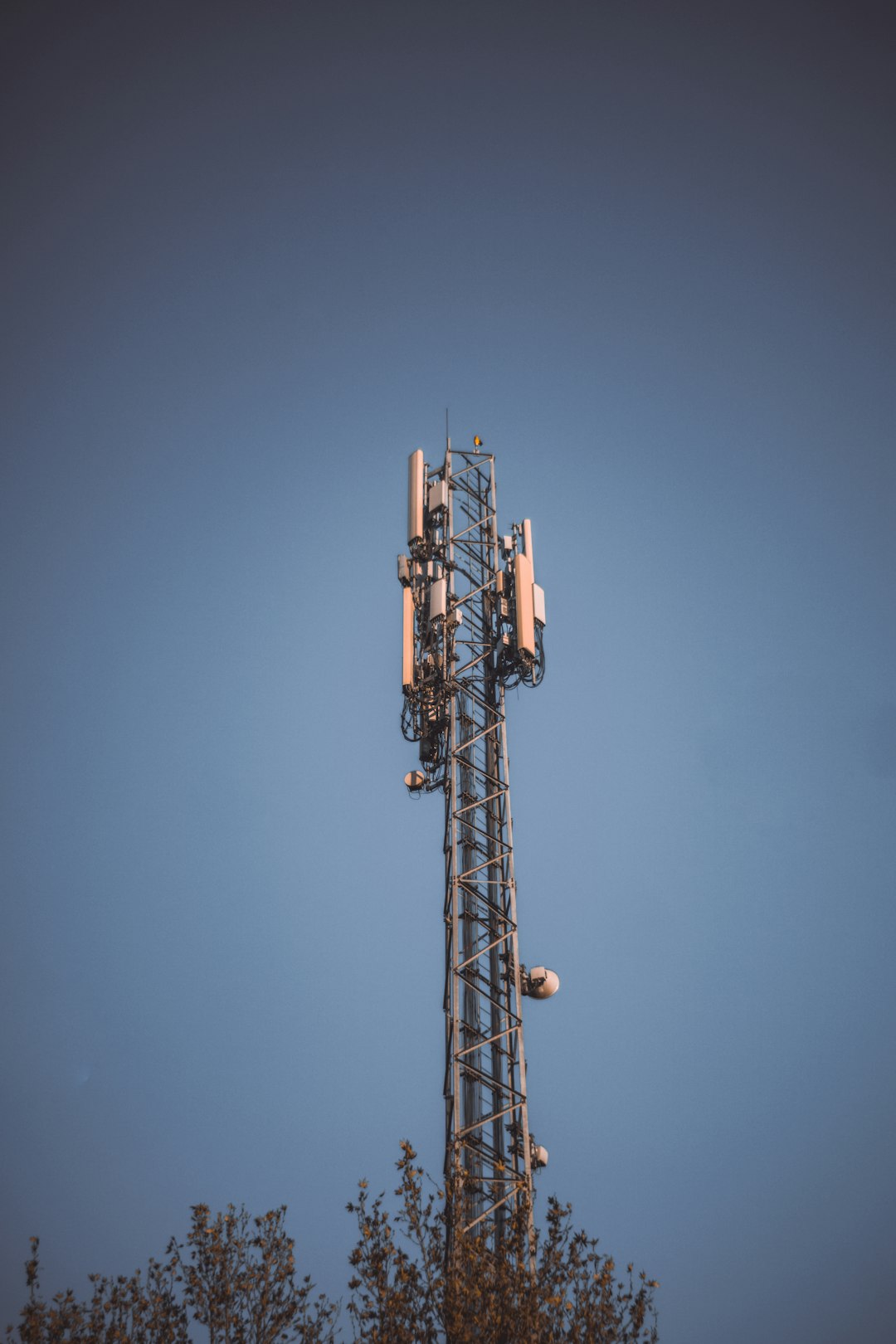
An MVNO is a mobile phone company that sells service without owning the cell towers. It rents access from a big carrier, adds its own plans, support, app, billing, and branding, then sells that to you. The FCC describes these companies as wireless providers that may use another carrier’s network to serve customers [source: FCC].
TLDR: An MVNO is like a food truck using someone else’s kitchen. The big carrier owns the network. The MVNO rents space on it and sells cheaper phone plans. For example, if a family of four saves $15 per line each month by switching, that is $720 saved per year.
So, what does MVNO mean?
MVNO stands for Mobile Virtual Network Operator. That sounds fancy. It is not. It means the company sells mobile service but does not own the full mobile network.
Think of it like this:
- Big carrier: Owns towers, fiber, radios, and network gear.
- MVNO: Buys access to that network.
- You: Get calls, texts, and data through the same airwaves.
The MVNO puts its own wrapper on the service. It may have its own name, prices, website, SIM cards, app, and support team. But the signal often comes from a larger carrier behind the scenes.
How does an MVNO work?
The process is simple.
- The MVNO signs a deal with a major carrier.
- It buys network access in bulk.
- It creates phone plans for customers.
- It handles billing and customer accounts.
- Your phone connects to the big carrier’s network.
So when you send a text, stream music, or call your mom, the data travels over the host network. You may never notice. Your phone just shows bars. You care that it works. Fair enough.
Honestly, it feels like magic until you hit a support page that takes 47 clicks to find a real answer. Some MVNOs keep costs low by using chat support only. That can be fine. It can also be annoying at 9:18 p.m. when your eSIM refuses to activate.
Why are MVNO plans often cheaper?
MVNOs skip many huge costs. They do not need to build towers. They do not need to maintain every radio site. They do not need giant retail stores on every corner.
That lets them sell leaner plans.
Common ways MVNOs cut prices include:
- Online-only sales instead of big stores.
- Smaller support teams or chat-based help.
- Simple plan menus with fewer extras.
- Prepaid billing so there is less account risk.
- Bulk network deals with the host carrier.
This is why you might see a plan with unlimited talk, unlimited text, and 5GB of data for a much lower price than a major carrier plan. The tradeoff is usually perks. You may not get free streaming bundles, airport lounge dreams, or a glossy store visit with bright lights and a person holding a tablet.
Do MVNOs use the same coverage?
Usually, yes. But not always in the exact same way.
If an MVNO uses Verizon, AT&T, or T-Mobile as its host, your coverage depends on that host network. If the host has great coverage in your town, the MVNO may work well there too.
But coverage is only part of the story. Speed can be different.
The catch is data priority. During busy times, a major carrier may give its own direct customers first place in line. MVNO customers may get slower data if the tower is packed. This may happen at concerts, stadiums, airports, and rush hour spots.

What types of MVNOs are there?
Not all MVNOs do the same job. Some are tiny. Some are huge. Some feel almost like full carriers.
- Light MVNO: The host carrier handles most network work. The MVNO focuses on sales and support.
- Full MVNO: The company controls more systems, such as SIM management, billing, and routing.
- Brand MVNO: A famous brand sells phone service to fans or existing customers.
- Niche MVNO: A provider targets one group, such as travelers, families, seniors, or budget users.
Some MVNOs focus on rock-bottom prices. Others focus on international calls. Some push flexible data. Some sell plans in bulk for families or small teams.
MVNO examples you may know
You have probably seen MVNO-style brands before. Examples include Mint Mobile, Google Fi Wireless, Consumer Cellular, US Mobile, and Red Pocket. Availability and host networks can change, so check before you switch.
One useful tip: ask which network the MVNO uses. Do not guess from the logo color. That trick fails more than it should.
Who should use an MVNO?
An MVNO can be a smart fit if you want a lower bill and can live with fewer extras.
It may be great for:
- Light data users who mostly use Wi-Fi.
- Families that want cheaper lines.
- Students who need basic service.
- Remote workers with strong home internet.
- Travelers who need short-term or flexible plans.
Say you use only 3GB of data each month. Paying for a massive unlimited plan may be overkill. It is like renting a moving truck to carry one backpack. Sure, it works. But why?
Who should be careful?
MVNOs are not perfect for everyone.
You may want to think twice if you need:
- The fastest speeds at packed events.
- Premium roaming in many countries.
- In-store help on demand.
- Lots of bundled perks.
- Priority data for work calls and video meetings.
If your phone is your lifeline for work, test first. Try one line before moving the whole family. Many MVNOs offer monthly prepaid plans, so you are not stuck for long.

How to pick a good MVNO
Use this quick checklist:
- Check the host network. Pick one that works well where you live.
- Read the data rules. “Unlimited” may slow down after a set amount.
- Confirm hotspot support. Some cheap plans block it.
- Check phone support. Your device must work with the network.
- Look at taxes and fees. The posted price may not be the final price.
- Test customer support. Ask one question before buying.
An MVNO is best seen as a smart shortcut. You get access to a major network, often for less money. You may give up some speed priority, store support, or bonus perks. For many people, that trade is totally worth it.