The best Benchling alternatives for LIMS and lab operations are Labguru, Sapio Sciences, and LabWare. Benchling is popular because it combines ELN, inventory, registry, and workflow tools in one cloud platform [source: Benchling]. Still, not every lab needs Benchling’s structure, pricing, or biotech-heavy setup. If your team cares most about sample tracking, clean lab records, and audit-ready compliance, these three platforms deserve a serious look.
TLDR: Labguru is a strong fit for small and mid-sized research teams that want ELN, inventory, and project work in one place. Sapio Sciences suits larger labs that need flexible LIMS workflows, compliance, and automation without constant custom coding. LabWare is best for regulated labs with strict QA, chain of custody, and validation needs. For example, a 25-person biotech team tracking 18,000 samples could use Labguru to cut spreadsheet handoffs, while a global QC lab running 60,000 tests per month may get more value from LabWare.
1. Labguru: Best for research teams that want ELN plus sample tracking
Labguru is often the most practical Benchling alternative for academic groups, biotech startups, and growing R&D teams. It combines an electronic lab notebook, inventory, specimen tracking, protocols, and equipment records. That mix makes it useful for teams that are tired of jumping between notebooks, shared drives, and mystery spreadsheets named “final samples v7.”
The experience feels more lab-friendly than enterprise-heavy. You can connect experiments to samples, protocols, and results without building a giant internal system first. It also supports barcode labels, freezer maps, order tracking, and role-based access.
- Best for: biotech startups, academic labs, translational research groups
- Key strengths: ELN, inventory, experiment planning, sample location tracking
- Compliance features: audit trails, permissions, electronic signatures, version history
- Possible downside: complex manufacturing QA workflows may need a heavier LIMS
Honestly, it feels like Labguru was built for teams that want structure but not three months of setup meetings. If your lab is moving from Excel and paper notebooks, that matters a lot.
2. Sapio Sciences: Best for configurable lab operations
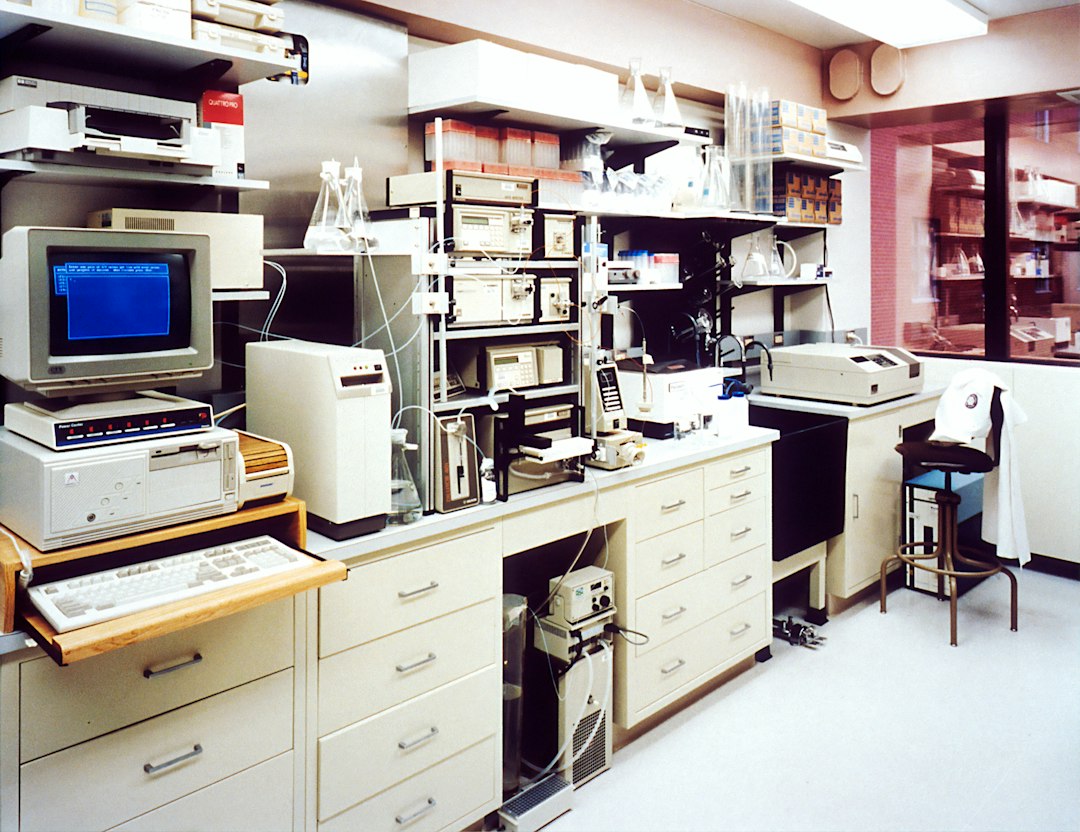
Sapio Sciences is a stronger choice when your lab has several teams, many sample types, and workflows that change often. Its platform covers LIMS, ELN, sample management, data tools, and workflow automation. The main draw is flexibility. You can shape the system around your process instead of forcing every assay into a fixed template.
This helps in genomics, clinical research, drug discovery, and bioprocessing. Teams can track samples from intake through testing, analysis, storage, and reporting. Sapio also supports automation connections, which can reduce manual entry from instruments and robotics.
- Best for: mid-sized to enterprise labs with changing workflows
- Key strengths: configurable LIMS, ELN, automation, sample lineage
- Compliance features: audit logs, electronic records, permission controls, GxP support
- Possible downside: setup can feel like a project, not a quick signup
The catch is that flexibility cuts both ways. You can design almost anything, but somebody still has to make decisions. Expect to spend time defining sample states, user roles, approvals, and report formats. That work pays off if your current tools keep breaking every time a new assay arrives.
3. LabWare: Best for regulated labs and enterprise LIMS
LabWare is one of the most established names in LIMS. It is built for labs that need strict control, strong QA processes, and reliable reporting. Think pharma QC, environmental testing, food safety, public health, contract testing, and manufacturing labs.
LabWare supports sample login, testing schedules, chain of custody, instrument integration, stability studies, batch release, and certificates of analysis. It can also pair LIMS and ELN functions, which helps teams keep operational records and test data connected.
- Best for: regulated quality control labs and high-volume testing groups
- Key strengths: enterprise LIMS, sample workflows, QA control, reporting
- Compliance features: audit trails, validated workflows, electronic signatures, role controls
- Possible downside: it may feel too heavy for a small discovery lab
LabWare is not the tool you pick because you want a cute interface. You pick it because missed samples, weak audit trails, and manual release checks are expensive. In regulated labs, a slow approval screen is annoying. A failed audit is worse.

How to choose the right Benchling alternative
Start with the work your lab does every week. Do not begin with a feature list. That is how teams buy software that looks good in demos and frustrates people by Friday.
- If your main pain is lab notes and sample context: choose Labguru.
- If your workflows change often: choose Sapio Sciences.
- If audits, QA, and chain of custody rule your day: choose LabWare.
Also check the boring parts. They matter. Ask how long it takes to create a sample, print a barcode, approve a result, restore a record, and export data. If a simple sample update takes 18 clicks in the demo, it will feel worse after month six.
Key features to compare
- Sample tracking: Can you track parent-child relationships, freeze-thaw cycles, storage locations, and transfers?
- Lab records: Does the ELN support templates, approvals, attachments, and version control?
- Compliance: Are audit trails, electronic signatures, and access roles built in?
- Integrations: Can it connect to instruments, analysis tools, ERP systems, or data warehouses?
- Migration: How painful is it to move old samples, protocols, and studies into the new system?
Bottom line: Benchling is a strong platform, but it is not the only serious option. Labguru is the friendly all-rounder for research teams. Sapio Sciences is the flexible choice for complex lab operations. LabWare is the safer bet for regulated, high-volume environments. Pick the one that matches how your lab actually works, not the one with the flashiest demo.