Pick a sports sponsorship intelligence platform based on the job you need done first. Do not start with the fanciest dashboard. Start with the pain. Finding brands? Measuring logo exposure? Tracking fans? Proving ROI? The global sports sponsorship market was valued at $97.35 billion in 2023, so small mistakes can get expensive fast [source: Grand View Research].
TLDR: SponsorUnited is great for spotting who sponsors what, across teams, leagues, athletes, venues, and media. But tools like Relo Metrics, Zoomph, and SponsorPulse may fit better if you care more about exposure value, social data, or fan behavior. Example: if a jersey patch gets 18 million social impressions but only 2.1% engagement, Zoomph may help explain the audience better than a basic deal database. If your team needs to cut research time by 30%, SponsorUnited is often the cleaner starting point.
Why these platforms exist
Sports sponsorship used to run on calls, PDFs, and “my friend knows a guy.” Cute. Also messy.
Now brands want proof. Teams want faster pitches. Agencies want lists that do not take three interns and a sad spreadsheet to build.
That is where sponsorship intelligence platforms come in. They help answer questions like:
- Which brands sponsor teams like mine?
- What categories are spending?
- How much exposure did a sponsor get?
- Which fans care about this brand?
- Who should we pitch next?

1. SponsorUnited: Best for deal discovery
SponsorUnited is the big name in sponsorship intelligence. Think of it as a giant map of sports partnerships.
It tracks brands, properties, athletes, influencers, categories, media assets, and deal activity. If you want to know which brands are active in soccer, basketball, golf, college sports, or esports, this is where SponsorUnited shines.
Best for:
- Sales teams building prospect lists
- Agencies checking category activity
- Teams finding brands that sponsor similar properties
- Brands studying where competitors show up
What feels good: Search is usually the star. You can spot patterns fast. A brand sponsors three racing teams and two football clubs? That may hint at a bigger strategy.
What may annoy you: Like many data tools, it can feel too packed at first. Expect to waste time on filters until your team agrees on one clean workflow. I have seen users click through five screens just to answer one simple question: “Who sponsors this team?” That gets old.
2. Relo Metrics: Best for sponsorship valuation
Relo Metrics is built for measurement. It helps teams and brands understand sponsor exposure across broadcasts and digital channels.
If a sponsor logo appears behind a player interview, on a jersey, or around the field, Relo can help estimate the media value. That matters when a brand asks, “What did we actually get?”
Best for:
- Valuing TV and streaming exposure
- Reporting sponsor logo visibility
- Showing results after a major event
- Renewal meetings with nervous sponsors
Simple example: A sponsor pays for LED board ads during 10 home games. Relo can help show how often the brand appeared, how long it stayed on screen, and what that exposure may be worth.
This is less about finding sponsors. It is more about proving value after the deal is live.
3. Zoomph: Best for social and audience insights
Zoomph is strong when sponsorship meets social media. It helps teams, leagues, and brands understand audiences, content performance, fan interests, and campaign results.
It is useful when a sponsor asks, “Who saw our campaign?” Not just how many people saw it. Who were they? What did they care about? Did they engage?
Best for:
- Social media sponsorship reports
- Fan interest analysis
- Influencer and athlete content tracking
- Campaign engagement reports
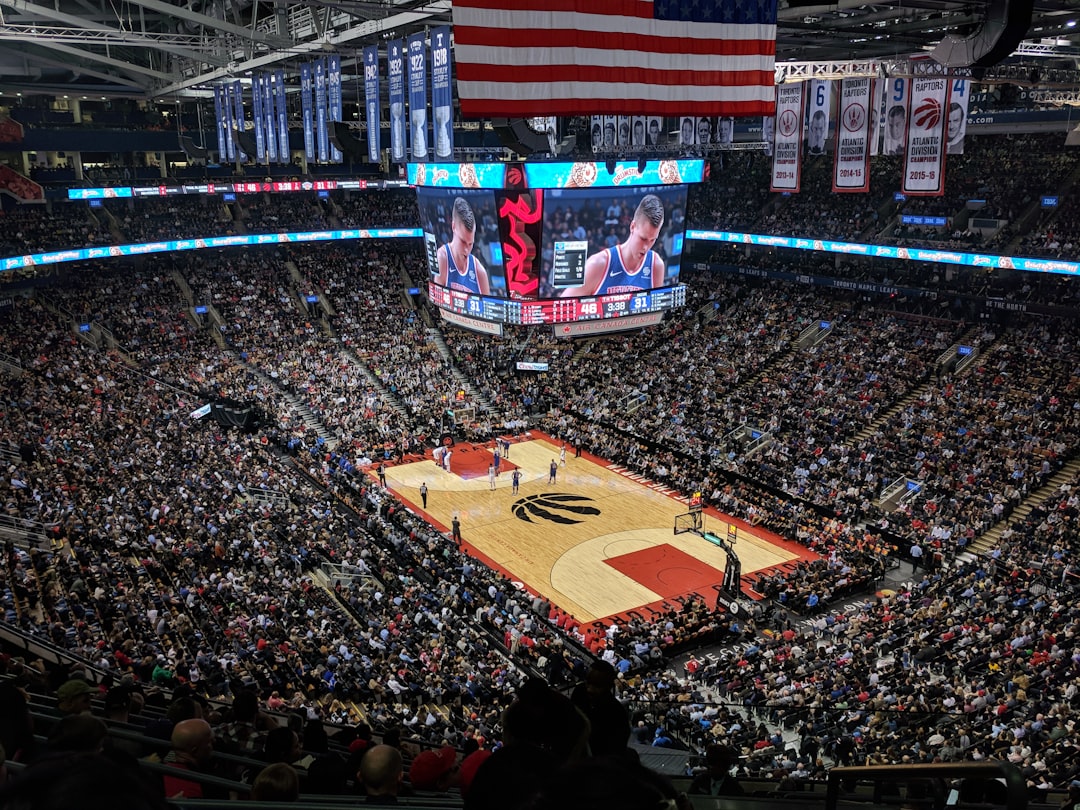
Where it shines: Audience detail. If one team’s fans over-index for energy drinks, gaming, and pickup trucks, that can shape a smarter sponsor pitch.
What may annoy you: Social data can be noisy. A post may get huge reach because of a wild game moment, not because fans loved the sponsor. Honestly, it feels like you still need a human to say, “Relax, that spike was just the mascot falling over.”
4. SponsorPulse: Best for fan behavior and brand fit
SponsorPulse focuses on consumer sentiment and behavior. It helps brands understand which audiences notice, like, and act on sponsorships.
This is helpful before a deal gets signed. A brand may want to know if fans of a league are likely to buy its product. SponsorPulse can support that kind of decision.
Best for:
- Testing sponsorship fit before buying
- Studying fan purchase intent
- Comparing sports, leagues, and audiences
- Helping brands defend budget choices
Simple example: A snack brand is choosing between women’s soccer and motorsports. SponsorPulse can help compare fan interest, brand recall, and buying signals. That beats guessing in a boardroom with cold coffee.
Quick comparison
- SponsorUnited: Best for finding deals, brands, and market activity.
- Relo Metrics: Best for logo exposure and media value.
- Zoomph: Best for social content, audiences, and online engagement.
- SponsorPulse: Best for fan behavior and brand fit.
Which one should you choose?
If you sell sponsorships, start with SponsorUnited. It helps you find targets faster.
If you already have sponsors and need to prove value, check Relo Metrics.
If your sponsors care about Instagram, TikTok, X, YouTube, and fan data, try Zoomph.
If you are a brand deciding where to spend, SponsorPulse may help you avoid a bad fit.

The smart move is not buying the biggest tool. It is buying the tool that answers your hardest question. Sports sponsorship is fun. The data part? Less fun. But with the right platform, at least it becomes less painful.