AI predictive marketing suites are becoming central to how modern teams plan campaigns, score leads, personalize journeys, and forecast revenue. Instead of relying only on historical reports, these platforms use machine learning, behavioral data, and automation to suggest what customers are likely to do next. Reviews of these tools often focus on whether they improve targeting accuracy, reduce wasted ad spend, and make marketing teams more proactive.
TLDR: AI predictive marketing suites help organizations identify high-value audiences, forecast campaign performance, and automate personalized outreach. A mid-sized ecommerce company, for example, might use predictive scoring to find that the top 18% of returning visitors generate nearly 55% of expected revenue, then prioritize them with tailored offers. The strongest platforms combine clean data integrations, transparent analytics, and practical workflow automation. However, results depend heavily on data quality, team adoption, and realistic expectations.
What Is an AI Predictive Marketing Suite?
An AI predictive marketing suite is a software platform that analyzes customer, campaign, sales, and behavioral data to predict future outcomes. These outcomes may include purchase likelihood, churn risk, lead quality, next best offer, customer lifetime value, or the best time to send a message.
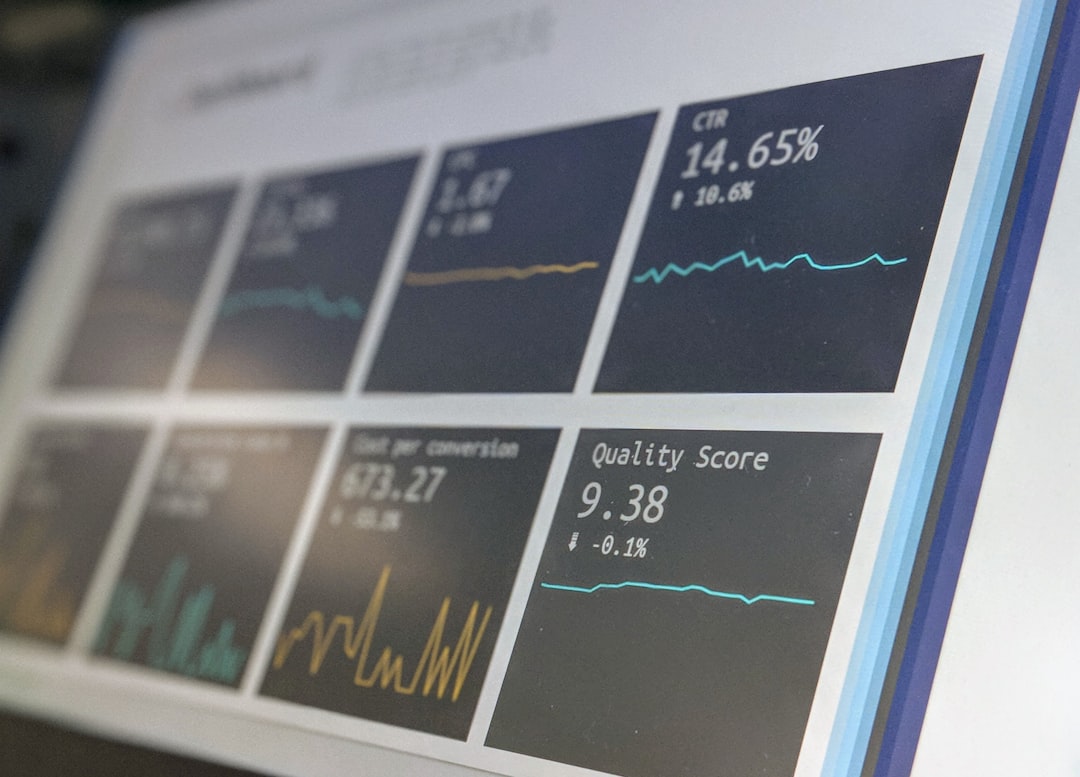
Unlike traditional marketing dashboards, which show what already happened, predictive suites try to answer a more strategic question: what is most likely to happen next? This makes them useful for marketing teams, sales departments, ecommerce brands, SaaS companies, agencies, and customer success teams.
Core Features Commonly Mentioned in Reviews
Most AI predictive marketing suite reviews highlight a similar group of core features. While every vendor differs, the following capabilities are often considered essential:
- Predictive lead scoring: The platform ranks prospects based on their likelihood to convert, helping sales and marketing teams prioritize attention.
- Customer segmentation: AI groups users by behavior, value, preferences, lifecycle stage, or purchase probability.
- Churn prediction: The software identifies customers who may stop buying, cancel a subscription, or become inactive.
- Campaign forecasting: Teams can estimate expected revenue, engagement, or conversion rates before launching campaigns.
- Personalization engines: The suite recommends content, offers, products, or messages for different customer groups.
- Marketing automation: Workflows can trigger emails, ads, alerts, or CRM updates based on predictive signals.
- Attribution and performance analytics: The tool connects marketing activities to revenue and helps explain which channels are working.
- Integrations: Strong platforms connect with CRMs, ecommerce systems, email platforms, analytics tools, and ad networks.
Benefits of AI Predictive Marketing Suites
The main benefit is better decision-making. Marketing teams can move from broad assumptions to data-backed predictions. Instead of sending the same campaign to an entire database, a team can focus budget on the segments most likely to convert.
Efficiency is another major advantage. Predictive scoring can reduce manual analysis and help departments decide where to invest time. For example, a B2B company with 20,000 leads may not be able to contact each one quickly. A predictive suite can identify the 2,500 accounts with the highest buying intent and route them to sales first.
These platforms also support better customer experiences. When a brand understands purchase timing, content preferences, or churn signals, it can send more relevant messages. This can reduce campaign fatigue and improve engagement.
Another benefit is forecasting confidence. Leaders can compare predicted performance against actual results, improving budget planning over time. Many suites also reveal hidden patterns, such as specific behaviors that often happen before a purchase or cancellation.
Limitations and Common Review Complaints
Although reviews are often positive, AI predictive marketing suites are not magic solutions. Their performance depends on the accuracy, completeness, and freshness of the data provided. If customer records are duplicated, campaign tracking is inconsistent, or sales data is delayed, predictions may become unreliable.
Users also report that setup can take time. Integrations, data mapping, model training, and workflow configuration may require technical support. Smaller teams sometimes find advanced suites overwhelming if they lack dedicated analytics or operations staff.
Another common concern is model transparency. Some platforms show a score but do not clearly explain why a customer received it. For teams that need compliance, auditability, or internal trust, explainable AI features are important.

Best Use Cases
AI predictive marketing suites are especially valuable when an organization already has meaningful customer data and recurring marketing activity. Common use cases include:
- Ecommerce product recommendations: Retailers can predict which products a shopper is likely to buy and display personalized offers.
- SaaS churn prevention: Subscription companies can identify accounts with declining usage and trigger retention campaigns.
- B2B lead prioritization: Sales teams can focus on prospects with the strongest conversion signals.
- Ad budget optimization: Marketers can shift spend toward audiences predicted to deliver higher return on ad spend.
- Email personalization: Campaigns can be tailored by purchase intent, preferred content, timing, or lifecycle stage.
- Customer lifetime value modeling: Brands can identify high-value customers and design loyalty or upsell campaigns.
For instance, a subscription fitness app might discover that users who miss three weekly sessions and ignore two push notifications have a 42% higher cancellation risk. The system could automatically send a motivational email, recommend a shorter workout plan, and alert customer support if the account is high value.
Popular Alternatives and Related Tools
Organizations evaluating predictive marketing should compare suites against adjacent categories. A full AI predictive marketing suite may not always be necessary, especially for smaller teams or companies with simpler campaigns.
- Customer data platforms: These tools unify customer data and often include segmentation, but may offer fewer predictive automation features.
- Marketing automation platforms: They manage email, workflows, and campaigns, though predictive analytics may be limited or available only in higher-tier plans.
- CRM analytics tools: These are useful for sales forecasting and lead scoring, but may not cover the full marketing journey.
- Business intelligence platforms: BI tools provide custom reporting and dashboards, but usually require more manual analysis and data science support.
- Standalone AI personalization engines: These focus on recommendations and web personalization rather than full campaign planning.
The best alternative depends on the company’s goals. A startup may begin with CRM-based scoring and basic automation. A larger retailer or enterprise SaaS provider may need a broader suite with predictive modeling, segmentation, attribution, and multichannel orchestration.
What to Look for When Reading Reviews
When comparing AI predictive marketing suite reviews, decision-makers should look beyond star ratings. The most useful reviews explain how long implementation took, what data sources were connected, and whether predictions led to measurable improvements.
Important evaluation points include ease of integration, accuracy of predictions, quality of customer support, reporting flexibility, workflow automation, privacy controls, and pricing transparency. Reviews from companies in the same industry are especially helpful because predictive models can perform differently across ecommerce, SaaS, finance, healthcare, or B2B services.
Buyers should also check whether the suite supports human oversight. The most effective platforms allow marketers to approve, adjust, or test AI recommendations instead of blindly automating every decision.
Final Verdict
AI predictive marketing suites can deliver strong value for organizations that want smarter targeting, better forecasting, and more personalized customer journeys. They are most effective when paired with clean data, clear goals, and teams willing to test and refine campaigns over time.
Reviews suggest that these platforms are not simply analytics tools; they are decision-support systems. Their greatest strength is helping marketers act earlier, whether that means preventing churn, prioritizing leads, or optimizing campaign spend. However, companies should evaluate implementation effort, transparency, and integration needs before choosing a platform.
FAQ
What does an AI predictive marketing suite do?
It analyzes customer and campaign data to predict outcomes such as conversions, churn, revenue, engagement, and customer lifetime value. It then helps marketers automate or improve decisions based on those predictions.
Who benefits most from predictive marketing software?
Companies with large customer databases, recurring campaigns, ecommerce activity, subscription models, or complex sales funnels usually benefit the most. The software is less useful when there is limited data or very low campaign volume.
Is predictive marketing accurate?
Accuracy depends on data quality, model design, integrations, and ongoing testing. Strong platforms improve over time, but predictions should still be monitored against actual performance.
Can small businesses use AI predictive marketing suites?
Some small businesses can benefit, especially if they have enough customer and transaction data. However, many smaller teams may start with simpler CRM, email automation, or analytics tools before adopting a full suite.
What is the main alternative to an AI predictive marketing suite?
The main alternatives are customer data platforms, marketing automation tools, CRM analytics systems, BI dashboards, and standalone personalization engines. The right choice depends on budget, data maturity, and marketing complexity.