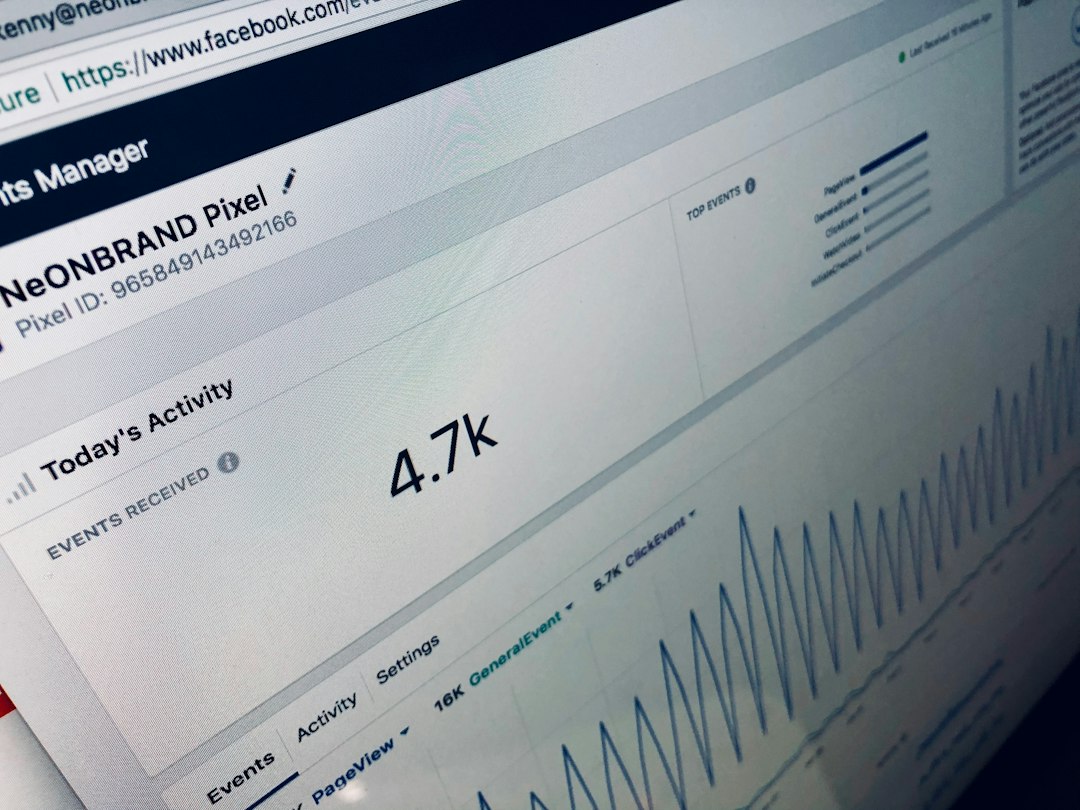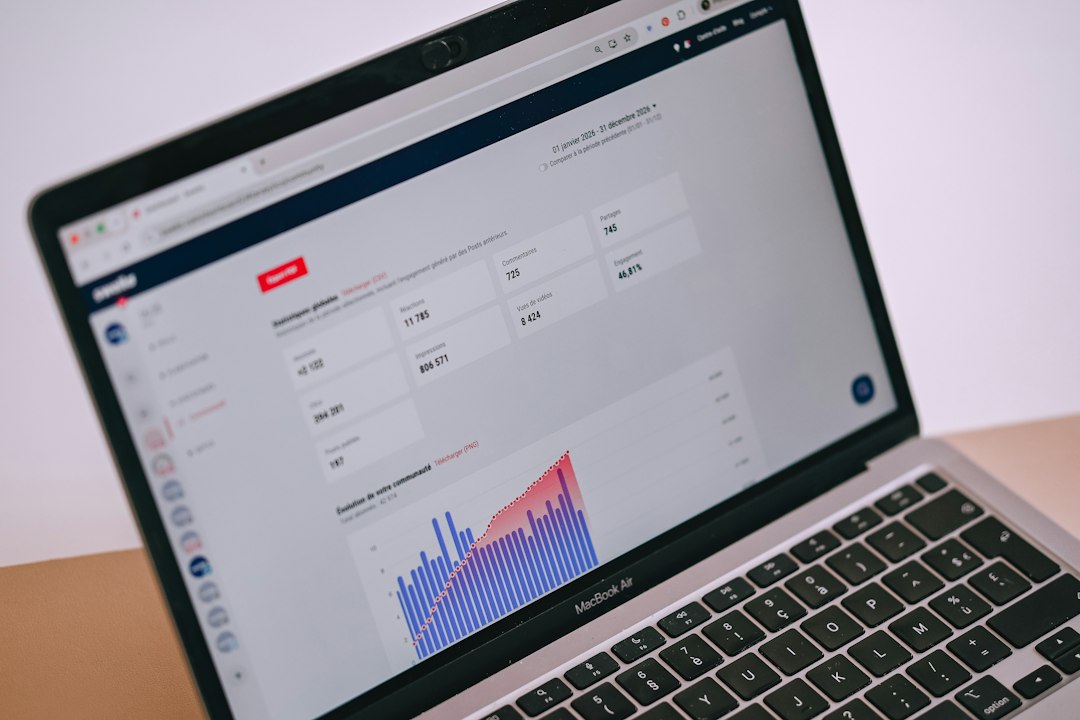
Choose Brandwatch if social reputation is your main headache. Choose Meltwater if press coverage, media contacts, and board-ready reports matter more. That is the clean answer. Both tools track what people say about your company. They just shine in different rooms.
TLDR: Brandwatch is stronger for deep social listening, trend spotting, and audience insight. Meltwater is stronger for news monitoring, PR reporting, and tracking journalist coverage. For example, if a food brand sees negative mentions jump from 18% to 34% after a product recall, Brandwatch can help explain what people are angry about, while Meltwater can show which news outlets pushed the story hardest.
The simple difference
Think of Brandwatch as the social media microscope.
It is great when you want to know what customers, fans, critics, and random angry strangers are saying online. It digs into social posts, trends, topics, emotion, and audience groups.
Think of Meltwater as the PR control room.
It is strong when you need to watch news, blogs, broadcast, podcasts, newsletters, and social chatter from one place. It also helps PR teams manage media lists and show coverage to executives.
Neither tool is magic. Sorry. Reputation is messy. People are weird. Sentiment analysis sometimes thinks “sick product” means someone needs medicine. Still, these tools help you catch fires before the smoke fills the office.
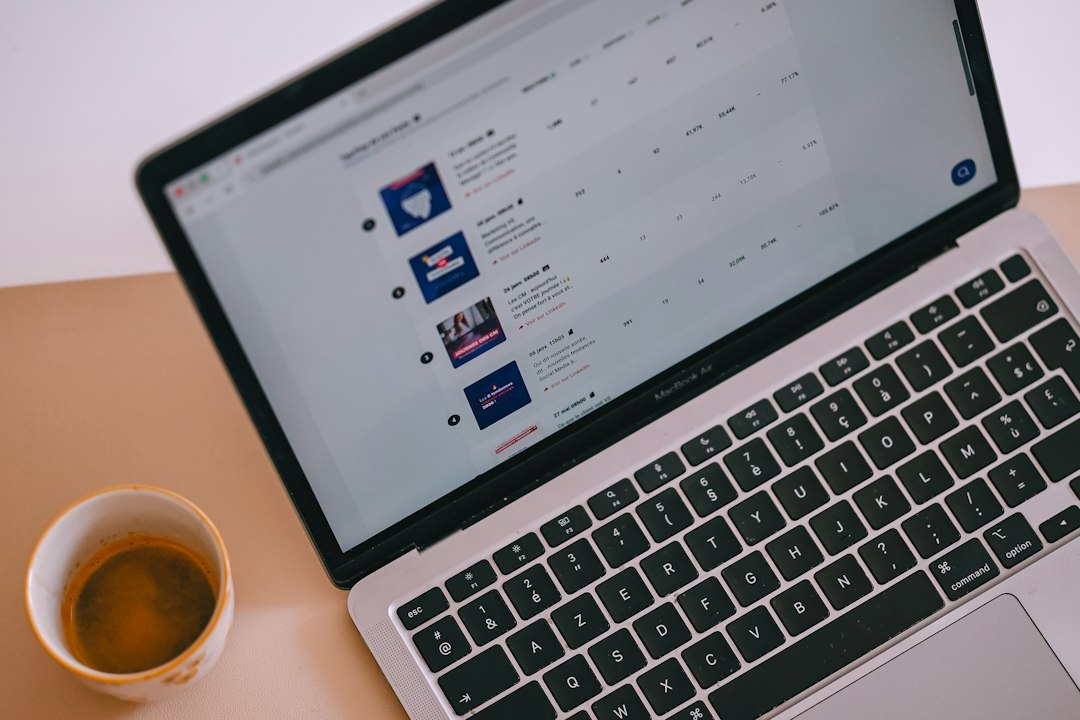
Where Brandwatch wins
Brandwatch is best for social-first reputation monitoring. If your brand lives on TikTok, Reddit, X, Instagram, YouTube, and forums, Brandwatch makes sense.
It is useful for:
- Social listening: Track mentions, hashtags, keywords, and brand names.
- Sentiment tracking: See if the mood is positive, neutral, or negative.
- Trend discovery: Spot new complaints before they become press stories.
- Audience insight: Learn who is talking. Fans? Parents? Gamers? Investors?
- Competitor comparison: See how your brand stacks up against rivals.
Brandwatch is strong when the question is, “Why are people suddenly mad at us?”
It can group conversations by topic. That matters. A simple count of mentions is not enough. A spike of 20,000 comments may sound scary. But if 70% are jokes about a mascot costume, you do not need a crisis war room. You need a better costume.
The catch is that Brandwatch can feel heavy at first. There are filters, rules, dashboards, segments, charts, and query logic. Expect setup time. Expect some “why is this not showing up?” moments. It can be powerful, but it may ask your brain to do paperwork.
Where Meltwater wins
Meltwater is best for PR teams that care about media coverage. It watches a wide mix of sources. That can include online news, print, broadcast, podcasts, blogs, and social channels.
It is useful for:
- Media monitoring: Track who wrote about your company.
- PR reporting: Build reports for leaders and clients.
- Journalist research: Find writers and outlets by topic.
- Share of voice: Compare your brand against competitors.
- Crisis alerts: Get notified when negative coverage spreads.
Meltwater is strong when the question is, “Where did this story appear, and how bad is it?”
For corporate reputation, that is a big deal. One angry post can sting. A negative article in a major business outlet can hurt stock price, hiring, sales, and trust.
Meltwater also fits teams that need clean reports. Executives often do not want 46 charts and a sociology lecture. They want a clear answer. Was coverage good? Bad? Growing? Shrinking? Meltwater is built for that style of reporting.
Honestly, it feels like some PR tools hide simple tasks behind too many clicks. Meltwater can still have that problem in places. But its main flow is familiar for PR teams. Search. Monitor. Clip. Report. Repeat.
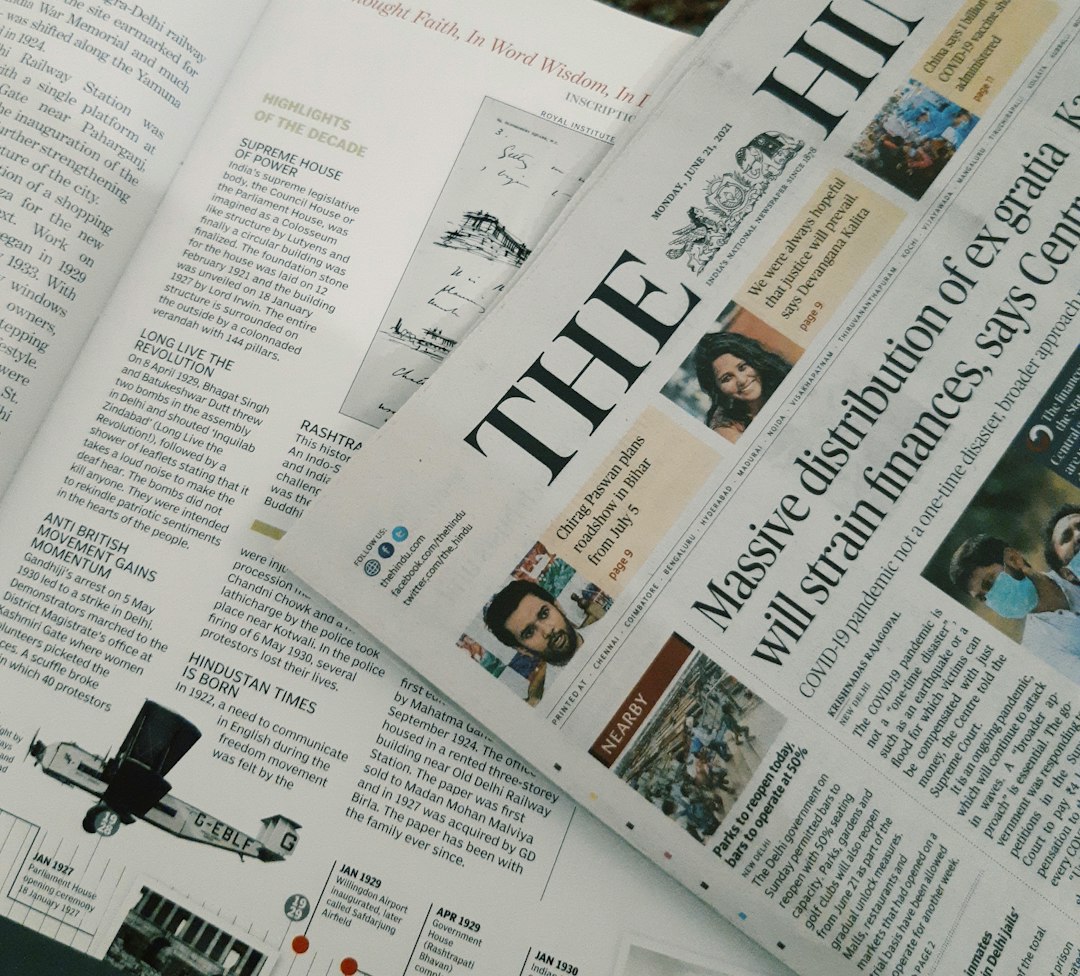
Reputation monitoring: what should you track?
Do not just track your company name. That is rookie mode.
Track these items:
- Brand name: Include misspellings and nicknames.
- CEO and leaders: Reputation often sticks to people.
- Products: Product complaints can become brand problems.
- Competitors: Their crisis can become your chance.
- Campaign slogans: These can be praised or mocked.
- Risk words: Add terms like “boycott,” “lawsuit,” “recall,” “scam,” and “unsafe.”
Here is a simple case.
A laptop company launches a new model. On day one, mentions look fine. By day three, negative posts increase from 12% to 29%. Brandwatch shows the top complaint is battery swelling. Meltwater shows three tech blogs picked it up, with a combined estimated reach of 1.8 million readers. The company now knows the issue, the channel, and the risk. That beats finding out from a panicked board member.
Brandwatch vs Meltwater: feature face-off
| Need | Better fit | Why |
|---|---|---|
| Deep social listening | Brandwatch | Better for social data, trends, and audience analysis. |
| News and PR tracking | Meltwater | Strong coverage tracking and media reporting. |
| Executive reports | Meltwater | Good for clean PR summaries and media impact. |
| Trend research | Brandwatch | Useful for spotting themes and audience shifts. |
| Media relations | Meltwater | Includes journalist discovery and outreach support. |
Which is easier to use?
Meltwater often feels easier for PR teams. The workflow matches the way PR people already work. Find coverage. Save clips. Build reports. Send summaries.
Brandwatch can feel more complex. It gives you more room to build detailed searches and dashboards. That is good. It is also annoying when you only want one simple answer before lunch.
If your team has analysts, Brandwatch may be a joy. If your team has one PR manager, four requests from legal, and a CEO asking, “Are we trending?” Meltwater may feel less painful.
What about sentiment accuracy?
Both tools offer sentiment analysis. Treat it as a guide, not gospel.
Sentiment tools struggle with sarcasm. They struggle with slang. They struggle when people say, “Great, another outage.” Is that positive? No. Is the word “great” positive? Yes. Computers get confused. Same, honestly.
A good workflow is simple:
- Use automated sentiment for fast alerts.
- Check a sample by hand.
- Tag major themes manually during a crisis.
- Track change over time, not just one score.
Best choice by company type
- Consumer brand: Pick Brandwatch if social buzz drives reputation.
- B2B company: Pick Meltwater if trade press matters most.
- Public company: Consider Meltwater for media risk and reporting.
- Global brand: Compare both. Source coverage and language support matter.
- Crisis-prone industry: Use the tool that sends the cleanest alerts fastest.
Final pick
Brandwatch is the better choice for deep social reputation intelligence. It helps you understand the crowd, the mood, and the story behind the spike.
Meltwater is the better choice for corporate PR reputation management. It helps you track media coverage, prepare reports, and brief leaders without turning every update into a research project.
If you can test both, use the same crisis keyword set for seven days. Track speed, source quality, alert noise, and report effort. The winner will become obvious fast. Your best tool is the one your team will actually use when the internet starts throwing tomatoes.