A smart CRM strategy should make your team faster, not just give them another place to type. Salesforce says CRM tools can raise sales by up to 29%, sales productivity by 34%, and forecast accuracy by 42% [source: Salesforce]. That only happens when the system is clean, useful, and not a digital junk drawer.
TLDR: Use your CRM to group customers, track deals, spot churn risk, and keep teams in sync. For example, a SaaS team with 2,000 leads could tag trial users by company size, last login, and feature use. If follow-up rates rise from 18% to 28%, that is 200 more people getting the right message. Small CRM fixes can create very real sales wins.
1. Segment customers like a real person would
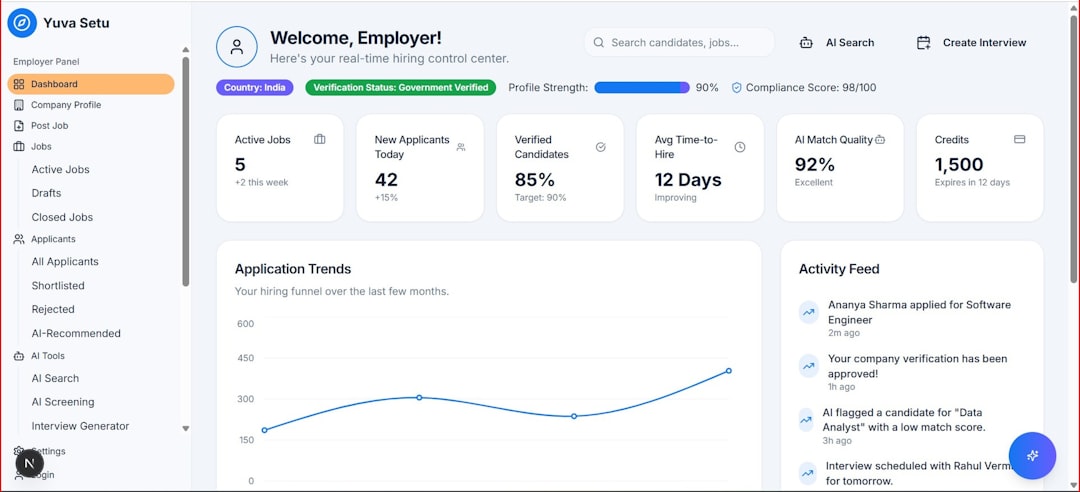
Customer segmentation should not feel like a tax form. Keep it simple. Group people by what they need, what they bought, and how close they are to buying again.
- New leads: People who just found you.
- Hot leads: People who asked for pricing or a demo.
- Customers: People who already paid.
- At-risk customers: People who stopped opening emails or using your product.
- VIP customers: People who buy often or spend more.
Do not make 47 segments on day one. That is how good plans go to die. Start with five. Add more when your team actually needs them.
2. Clean your CRM data before it bites you
Bad data is sneaky. One duplicate contact becomes three sales reps chasing the same person. One missing phone number slows a deal. One old job title makes your email sound silly.
Set simple rules. Pick required fields. Use the same format for names, phone numbers, and company sizes. Merge duplicates every week. Expect to waste time on this if your CRM makes it take eight clicks to fix one contact. Still, do it. Messy data ruins segmentation, reporting, and trust.
3. Build a sales pipeline that matches real life
Your pipeline should show how people actually buy. Not how a slide deck says they buy.
Use clear stages. For example:
- New lead
- Contacted
- Qualified
- Demo booked
- Proposal sent
- Negotiation
- Won or lost
Each stage needs one exit rule. A deal should not move to “Proposal sent” unless a proposal was really sent. Sounds obvious. Yet many CRMs are full of wishful thinking with price tags.
4. Score leads without making it weird
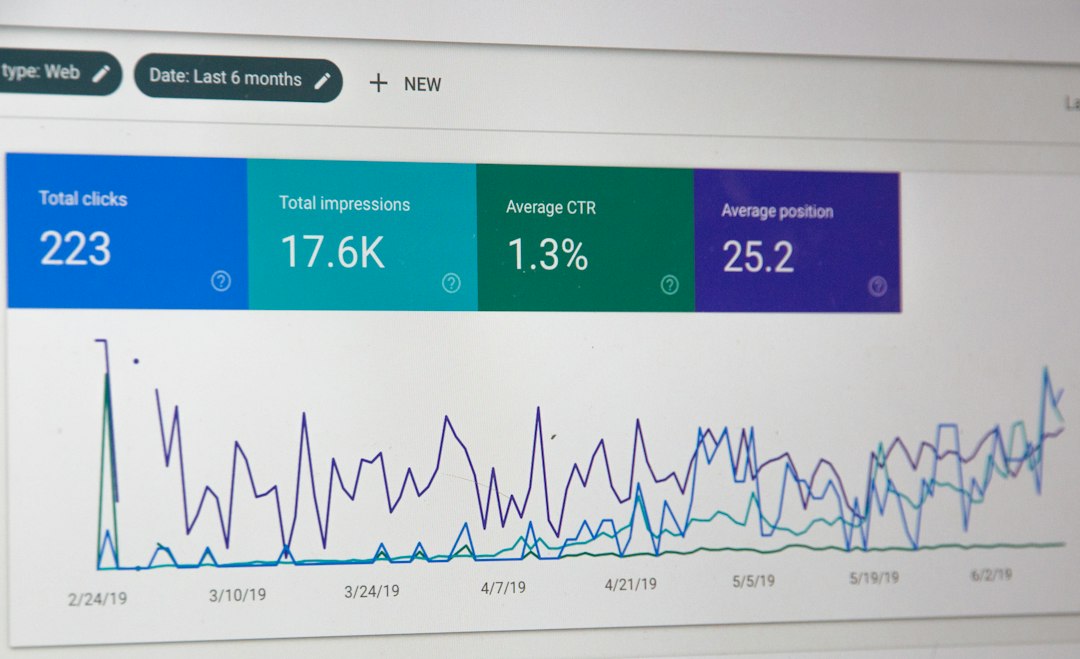
Lead scoring helps sales teams focus. It says, “Call this person first.” Nice. But keep it sane.
- Add points when someone visits a pricing page.
- Add points when they book a demo.
- Add points when they match your best customer type.
- Remove points when they ignore you for 60 days.
A lead score is not magic. It is a hint. Sales reps should still use judgment. If a tiny company gets a huge score because one intern clicked every email, maybe do not send the CEO your biggest enterprise pitch.
5. Use retention signals early
Retention starts before the renewal date. By then, it may be too late. Your CRM should help you spot quiet customers before they leave.
Watch for signals like these:
- Fewer logins.
- Fewer support tickets after a busy setup period.
- No response to check-in emails.
- Late payments.
- Low product use after 30 days.
Create a “save” workflow. If a customer goes quiet for 21 days, assign a task. Send a helpful email. Offer a quick call. Share one tip that solves a real problem. Do not send a bland “just checking in” note. Everyone can smell that from space.
6. Make team collaboration painfully clear
Sales, support, and marketing should not act like three separate islands. The CRM should be the shared brain.
Every customer record should show key notes. Who spoke to them? What did they ask? What was promised? What went wrong? What made them happy?
Honestly, it feels like some tools were built by people who never had to find a support note during a live call. Fix that with rules. Log calls. Add short notes. Tag teammates when action is needed. Use task owners. No mystery chores.
Image not found in postmeta
7. Review reports every week, not once a year
A CRM report should answer simple questions fast.
- Which segment converts best?
- Where do deals get stuck?
- Which reps need help?
- Which customers may churn?
- Which campaign brings buyers, not just clicks?
Pick five key numbers. Review them each week. Keep the meeting short. If a chart does not lead to action, delete it or ignore it. Pretty dashboards do not pay bills.
Quick CRM strategy checklist
- Segment customers into useful groups.
- Clean data every week.
- Define pipeline stages with clear rules.
- Score leads based on buying signals.
- Track retention risks before customers leave.
- Share notes across sales, support, and marketing.
- Review reports often and act fast.
The best CRM strategy is not fancy. It is clear. It helps the right person send the right message at the right time. It keeps deals moving. It helps customers feel remembered. And yes, it makes meetings a little less painful, which is already a win.