
Yes, HypeFactory.com does have blog-style content, usually presented through its resources, insights, or article pages rather than as a casual personal blog. That choice matters. The company uses content to show that it understands influencer marketing as a measurable business channel, not just a place for trendy creator campaigns.
TLDR: HypeFactory’s content strategy points to a company that wants to be seen as analytical, global, and performance-focused. Its articles tend to support buyers who are comparing influencer marketing agencies, planning creator campaigns, or trying to understand platforms like TikTok, YouTube, Twitch, and Instagram. For example, a mobile app marketing manager planning a $50,000 creator campaign could use this type of content to estimate creator fit, audience quality, and expected conversion signals before speaking with sales. If 30% of that manager’s budget goes to testing creators, even a small improvement in screening can protect $15,000 from being spent on weak placements.
What Kind of Blog Does HypeFactory Run?
HypeFactory’s blog is not written like a hobby publication. It is closer to a B2B education hub. The content appears designed for marketers, app publishers, game studios, consumer brands, and agencies that already understand the basics of influencer marketing but need help making better campaign decisions.
The structure is fairly typical for a serious marketing company. You can expect articles on topics such as:
- Influencer marketing strategy for brands and apps.
- Creator discovery and audience matching.
- Platform trends, especially around TikTok, YouTube, Instagram, and Twitch.
- Campaign measurement, including reach, engagement, installs, conversions, and return on ad spend.
- Industry-specific guidance for gaming, mobile apps, fintech, beauty, e-commerce, and entertainment.
This tells you something useful. HypeFactory is not trying to win readers with broad marketing chatter. It is trying to attract people who may become qualified buyers. That is the real job of this kind of blog.
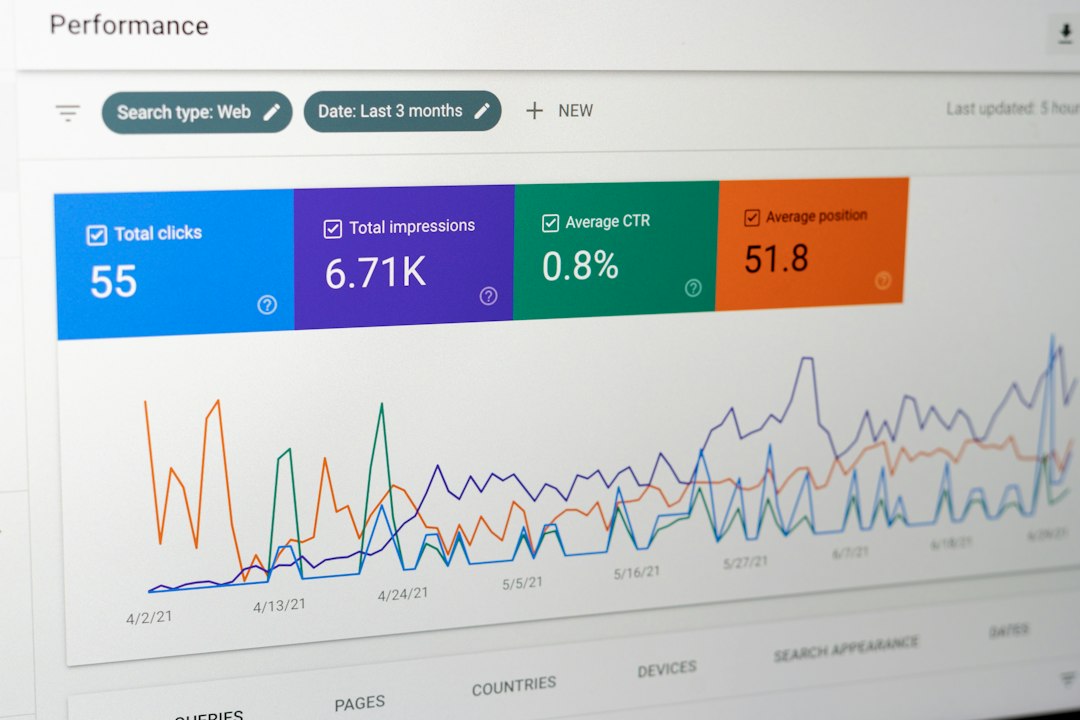
Why the Blog Exists
A company like HypeFactory sells trust before it sells services. Influencer marketing has real budget risk. A campaign can look exciting on the surface and still fail if the audience is wrong, the creator has inflated metrics, or the content does not move people to act.
The blog reduces that risk for a potential client. It explains how the company thinks. It also shows what the company wants to be known for: data-backed creator selection, campaign planning, and measurable results.
That is not accidental. A serious B2B blog usually has three goals:
- Educate buyers before they contact sales.
- Rank in search for commercial terms tied to influencer marketing.
- Prove expertise without making the reader sit through a pitch deck.
HypeFactory’s content appears to follow that pattern. It speaks to practical problems: which creators to choose, what platforms matter, how to track results, and how to avoid weak campaign planning. That is exactly what a cautious marketing buyer wants to read.
What the Topics Say About the Company
The blog topics suggest that HypeFactory wants to position itself as more than a matchmaking service between brands and creators. It appears to present itself as a campaign partner with research, technology, and execution capacity.
That distinction is important. Many influencer agencies can source creators. Fewer can explain why a creator is suitable, how the audience overlaps with the brand’s target group, and what metrics should be used after launch.
Honestly, it feels like too many influencer platforms still make marketers guess whether a creator is popular or actually useful. That gap can cost money fast. If a creator has 1 million followers but only 1.2% engagement, while a smaller creator has 120,000 followers and 5.8% engagement, the second option may produce better campaign value.
HypeFactory’s content strategy seems built around that exact point. Popularity is not enough. Fit matters. Conversion quality matters. Audience authenticity matters.
The Blog Supports a Sales Funnel
The blog is likely part of a larger acquisition system. A reader searches for a question such as “how to measure influencer marketing ROI” or “best influencer marketing strategy for mobile apps.” They find an article, read it, and start to associate HypeFactory with the answer.
That reader may not submit a form on the first visit. Most will not. But the content can still move them closer to a buying decision.
A simple funnel might look like this:
- Awareness: A marketer finds an article through Google or LinkedIn.
- Evaluation: They compare HypeFactory’s point of view with other agencies.
- Trust building: They read case studies, campaign examples, or methodology pages.
- Contact: They request a proposal or book a call.
This is a normal, sensible content path for a high-consideration service. No one should choose an influencer marketing partner after reading one short post. The content is there to make the first conversation warmer and better informed.
What Is Good About the Strategy?
The strongest part of HypeFactory’s blog strategy is its likely focus on practical buyer concerns. The company does not need viral blog posts. It needs the right readers. A post that attracts 800 qualified marketing managers is more valuable than a generic post that attracts 50,000 casual readers.
This is where the approach feels mature. The content supports the company’s commercial message without turning every paragraph into a sales pitch. Good B2B content gives readers enough value to judge the company’s thinking.
Several signals stand out:
- Clear audience: The content is meant for marketers, founders, brand teams, and growth teams.
- Commercial relevance: Topics often connect to budget, performance, platform choice, and creator quality.
- Search intent: The articles likely target questions buyers already ask before hiring an agency.
- Authority building: The company uses education to show method, not just personality.
Where the Blog Could Be Stronger
No content strategy is perfect. The catch is that many agency blogs suffer from the same problem: they explain the market well but do not always show enough proof. Readers want specifics. They want benchmarks, campaign data, failure patterns, and real examples.
If HypeFactory wants its blog to work harder, it should continue adding concrete material such as:
- Case studies with budget ranges, goals, audience segments, and measurable results.
- Benchmarks by platform, product type, region, and campaign size.
- Checklists for creator vetting, briefing, and performance review.
- Comparisons between influencer marketing and paid social channels.
- Post-campaign analysis that explains what worked and what did not.
For example, a useful article could compare 100 creator posts across three channels and show average engagement, click rate, cost per install, and retention after seven days. Even anonymized numbers would make the content more useful. Marketers are tired of vague claims. They need evidence they can take to a budget meeting.
What This Says About HypeFactory’s Brand
The blog suggests that HypeFactory wants to be viewed as serious, technical, and internationally capable. Its content is not just about creator culture. It is about turning creator partnerships into repeatable marketing results.
That brand position fits the needs of larger clients. Enterprise teams and funded startups rarely buy based on excitement alone. They ask harder questions:
- Can this agency handle several regions?
- Can it find creators with real audience quality?
- Can it manage briefs, approvals, reporting, and payment?
- Can it connect creator content to business outcomes?
A blog cannot answer all of these questions by itself. Still, it can signal whether the company thinks like a serious partner. HypeFactory’s content appears aimed at that signal.

Should You Read the HypeFactory Blog Before Contacting Them?
Yes. If you are considering HypeFactory, read several articles before booking a call. It will help you understand how the company approaches creator selection, measurement, and platform planning.
Expect to spend 15 to 25 minutes reviewing the content if you want a useful first impression. Do not just skim headlines. Look for how often the company gives clear examples, defines success, and connects campaign activity to business metrics.
Use the blog as a filter. If the content matches your buying problem, that is a good sign. If you need very specific proof, ask for case studies, sample reports, and campaign benchmarks during the sales process.
Final Assessment
HypeFactory.com does have blog-style content, and its strategy says a lot about the company. It presents HypeFactory as a structured influencer marketing partner, not a loose creator directory. The articles support trust, search visibility, and sales education.
The best reading of the strategy is simple: HypeFactory wants clients to believe its campaigns are guided by data, planning, and measurable outcomes. That is the right message for brands spending serious money on influencer marketing. The blog is not just content for content’s sake. It is part of how the company proves it belongs in the shortlist.