Organizations face growing pressure to manage environmental risks with the same discipline they apply to finance, safety, and operations. An Environmental Management Framework provides a structured way to identify environmental impacts, set responsibilities, control risks, measure performance, and improve over time. Rather than being a one-time compliance exercise, it is a practical operating model for making environmental decisions consistent, transparent, and accountable.
TLDR: An Environmental Management Framework helps organizations manage environmental responsibilities through policies, procedures, monitoring, reporting, and continual improvement. Its main benefits include better compliance, lower operational risk, improved resource efficiency, and stronger stakeholder trust. Common examples include ISO 14001-based systems, construction environmental management plans, and corporate sustainability governance frameworks.
What Is an Environmental Management Framework?
An Environmental Management Framework, often shortened to EMF, is a set of principles, processes, roles, and tools used to manage how an organization interacts with the environment. It can apply to a single project, a manufacturing facility, a public agency, or a multinational corporation. The framework helps answer essential questions: What environmental impacts do we create? Who is responsible for managing them? What controls are required? How do we know whether they are working?
A strong framework is not limited to legal compliance, although compliance is a critical foundation. It also addresses broader issues such as energy consumption, emissions, waste, biodiversity, water use, supply chain impacts, emergency preparedness, and climate-related risks. In mature organizations, the EMF becomes part of everyday decision-making, procurement, project planning, and executive oversight.

Core Components of an Environmental Management Framework
Although frameworks vary by sector and scale, most effective models include several core components. Together, these elements convert environmental intentions into operational practice.
1. Environmental Policy and Commitments
The starting point is a clear environmental policy approved by senior leadership. This policy should define the organization’s environmental principles, legal obligations, performance goals, and expectations for employees, contractors, and suppliers. It must be specific enough to guide decisions, but broad enough to remain relevant as risks and regulations change.
2. Legal and Regulatory Compliance
Every framework should include a process for identifying applicable environmental laws, permits, licenses, standards, and reporting duties. This may include rules on air emissions, wastewater discharge, hazardous materials, land disturbance, waste transport, and protected habitats. A compliance register or obligations register is often used to track requirements and assign responsibility.
3. Environmental Risk and Impact Assessment
An EMF should require systematic assessment of environmental risks and impacts. This may involve site inspections, lifecycle analysis, environmental impact assessments, or materiality reviews. The objective is to identify significant impacts before they become costly incidents or public controversies. Risks should be ranked by likelihood, severity, legal exposure, and potential harm to people or ecosystems.
4. Objectives, Targets, and Performance Indicators
Good frameworks translate policy commitments into measurable objectives. For example, a company may aim to reduce greenhouse gas emissions by a defined percentage, divert waste from landfill, improve water efficiency, or eliminate certain hazardous substances. Each target should be supported by key performance indicators, baselines, deadlines, and accountable owners.
5. Operational Controls and Procedures
Operational controls are the practical rules that prevent or reduce environmental harm. These may include spill response procedures, waste segregation rules, equipment maintenance schedules, erosion control measures, chemical storage requirements, or procurement conditions. Controls should be documented, communicated, and integrated into routine work instructions.
- Waste management: classification, storage, recycling, and disposal procedures.
- Water management: consumption monitoring, discharge limits, and treatment controls.
- Air quality: emission controls, dust suppression, and equipment standards.
- Emergency response: spill containment, incident reporting, and corrective actions.
6. Roles, Responsibilities, and Training
An environmental framework will fail if responsibility is unclear. It should define the duties of executives, managers, environmental specialists, site supervisors, employees, and contractors. Training is equally important. Staff need to understand not only what procedures exist, but why they matter and how to apply them under real working conditions.
7. Monitoring, Auditing, and Reporting
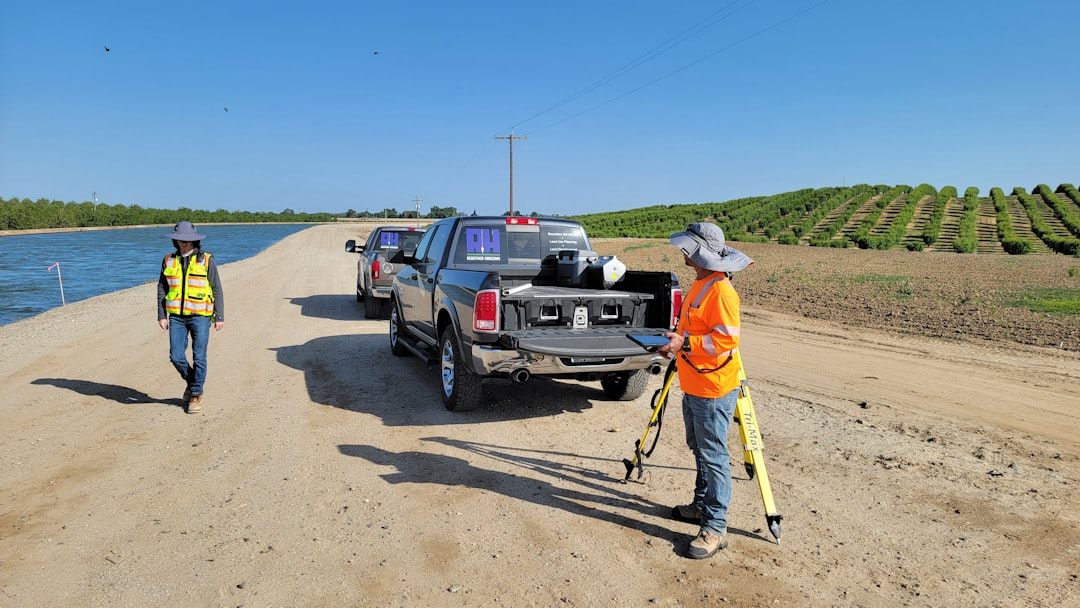
Monitoring determines whether environmental controls are effective. This may include meter readings, laboratory testing, site inspections, emissions tracking, waste data, biodiversity surveys, or carbon accounting. Audits provide a more formal review of compliance and system performance. Reporting then turns this information into evidence for regulators, investors, customers, and internal decision-makers.
8. Corrective Action and Continual Improvement
No framework is complete without a process for addressing nonconformance. When incidents, audit findings, or performance gaps occur, the organization should investigate root causes, assign corrective actions, verify completion, and update procedures where necessary. This cycle of plan, do, check, act is central to recognized environmental management systems such as ISO 14001.
Benefits of an Environmental Management Framework
The benefits of an EMF extend well beyond environmental protection. When properly implemented, it supports stronger governance, better cost control, and more resilient operations.
Improved Legal Compliance
Environmental laws are complex and often change over time. A framework creates a disciplined method for tracking obligations, maintaining permits, training employees, and keeping records. This reduces the likelihood of fines, shutdowns, litigation, and reputational damage.
Reduced Operational Risk
Many environmental incidents are also operational failures: spills interrupt production, poor waste handling creates safety hazards, and uncontrolled emissions may trigger enforcement action. By identifying risks early and embedding controls, an EMF reduces the probability and severity of such events.
Cost Savings and Resource Efficiency
Environmental management often reveals inefficiencies. Excessive energy use, water loss, raw material waste, and poor logistics all have financial consequences. Targets for efficiency can reduce operating costs while also lowering environmental impact.
Stronger Stakeholder Confidence
Investors, customers, regulators, communities, and employees increasingly expect credible environmental governance. A documented framework, supported by reliable data and transparent reporting, helps demonstrate that environmental claims are backed by real systems rather than vague promises.
Better Strategic Decision-Making
An EMF gives leaders clearer information about environmental risks and opportunities. This can influence capital investment, product design, supplier selection, real estate decisions, insurance planning, and long-term climate strategy.
Examples of Environmental Management Frameworks
Environmental management frameworks appear in many forms. The most suitable model depends on the organization’s activities, risk profile, regulatory context, and stakeholder expectations.
ISO 14001 Environmental Management System
ISO 14001 is one of the most widely recognized international standards for environmental management systems. It provides a structured approach based on leadership commitment, planning, support, operation, performance evaluation, and improvement. Certification is not mandatory for every organization, but the standard is often used as a benchmark for credible environmental governance.
Construction Environmental Management Plan
Large construction and infrastructure projects commonly use a Construction Environmental Management Plan, or CEMP. This type of framework addresses project-specific risks such as dust, noise, erosion, sediment runoff, fuel storage, waste disposal, vegetation clearing, and community complaints. It typically includes inspection checklists, site maps, incident procedures, and contractor obligations.

Corporate Sustainability Governance Framework
Large companies may use a broader sustainability framework that covers environmental performance across multiple business units and regions. This may include climate targets, environmental risk registers, board oversight, supplier standards, sustainability reporting, and alignment with voluntary disclosure frameworks. While broader than an operational EMF, it still depends on clear controls, reliable data, and accountability.
Public Sector Environmental Framework
Government agencies and municipalities often develop frameworks to guide land use, water management, public procurement, transport planning, and climate adaptation. These frameworks help ensure that environmental considerations are integrated into public decisions and that agencies can demonstrate responsible stewardship of public resources.
How to Build a Practical Framework
Developing an EMF should begin with a realistic assessment of the organization’s activities, legal obligations, and environmental impacts. From there, leaders can define policy commitments, assign responsibilities, establish measurable objectives, and implement operational controls. It is usually better to start with a focused, well-managed framework than to create an overly complex system that staff cannot use.
Successful implementation also depends on culture. Employees must see environmental management as part of their job, not as a separate administrative burden. Senior leaders should review performance regularly, allocate sufficient resources, and respond seriously to incidents and audit findings.
Conclusion
An Environmental Management Framework is a practical foundation for responsible, legally compliant, and efficient operations. Its value lies in bringing structure to complex environmental responsibilities: identifying risks, setting expectations, monitoring performance, and driving continual improvement. Whether used by a small project team or a global enterprise, a well-designed EMF helps organizations protect the environment while strengthening trust, resilience, and long-term performance.