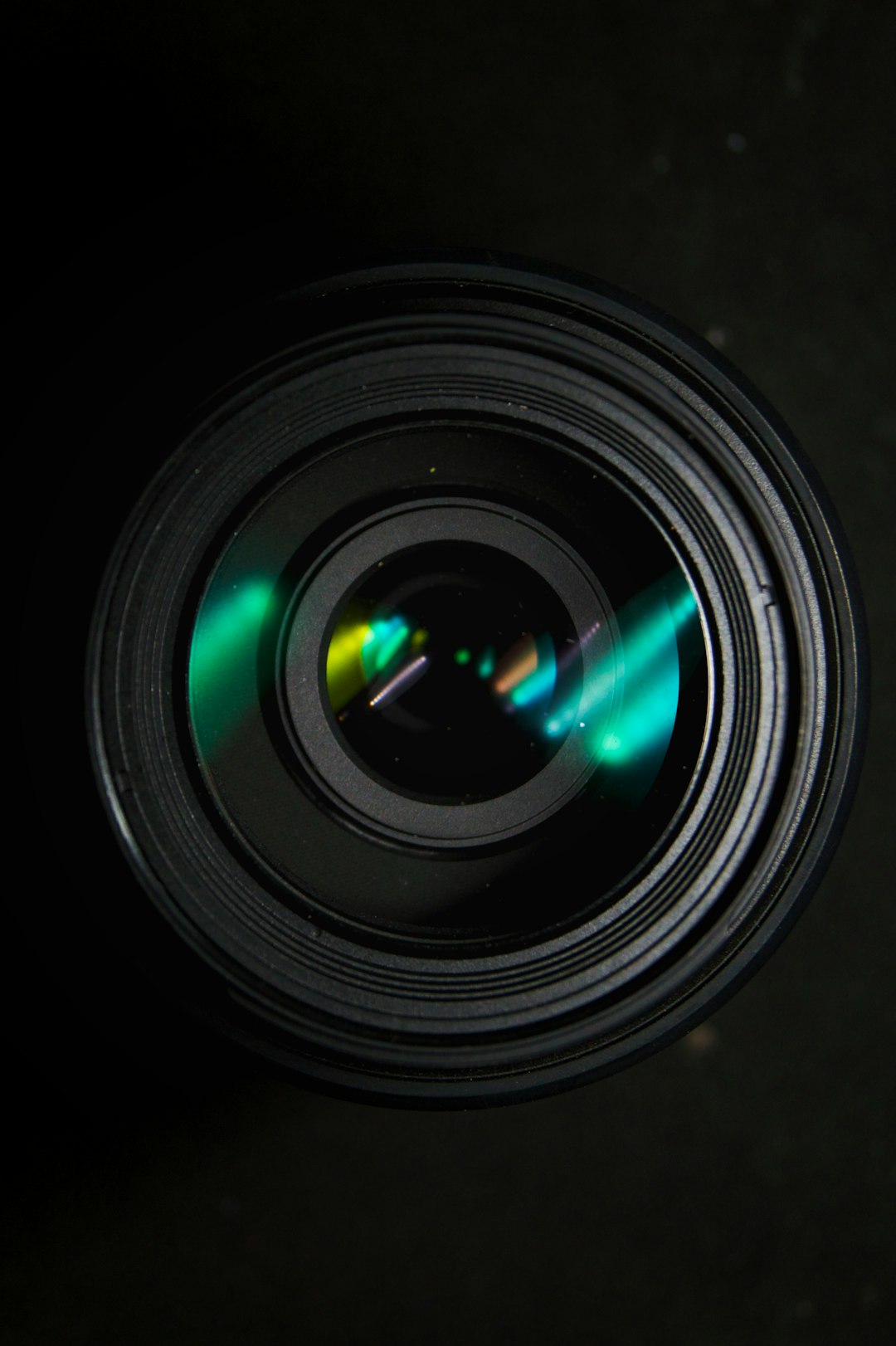
Choose optical zoom when you care about real detail, clean texture, and a natural-looking close-up. It changes the camera’s lens position to magnify the scene before the image hits the sensor, so you keep far more quality than you get from simply cropping the photo afterward.
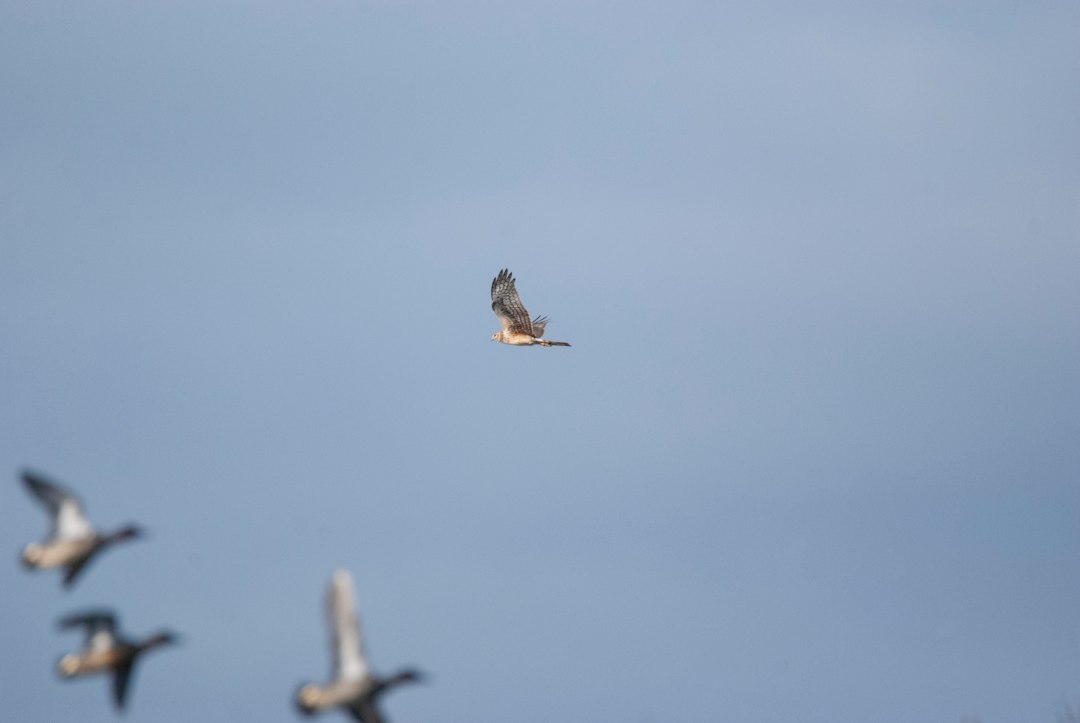
TLDR: Optical zoom uses moving glass elements to bring distant subjects closer without throwing away pixels. Digital zoom crops and enlarges the image, which often makes details look soft or smeared. For example, if you photograph a bird from 20 meters away, a 5x optical zoom can fill the frame with real detail, while a 5x digital zoom may use only a small center portion of the sensor. For travel, a 24–120mm equivalent range suits most people; wildlife and sports shooters usually want 300mm equivalent or longer.
What Optical Zoom Actually Does
Optical zoom is a lens trick, not a software trick. Inside a zoom lens, groups of glass elements move forward and backward. As they shift, they change the lens’s focal length, which changes the angle of view. A short focal length shows more of the scene. A long focal length shows a tighter view and makes distant subjects appear closer.
Think of it like using binoculars. You are not stretching the image after the fact. You are changing how the light is gathered before the picture is recorded. That is why optical zoom usually looks sharper and cleaner than digital zoom.
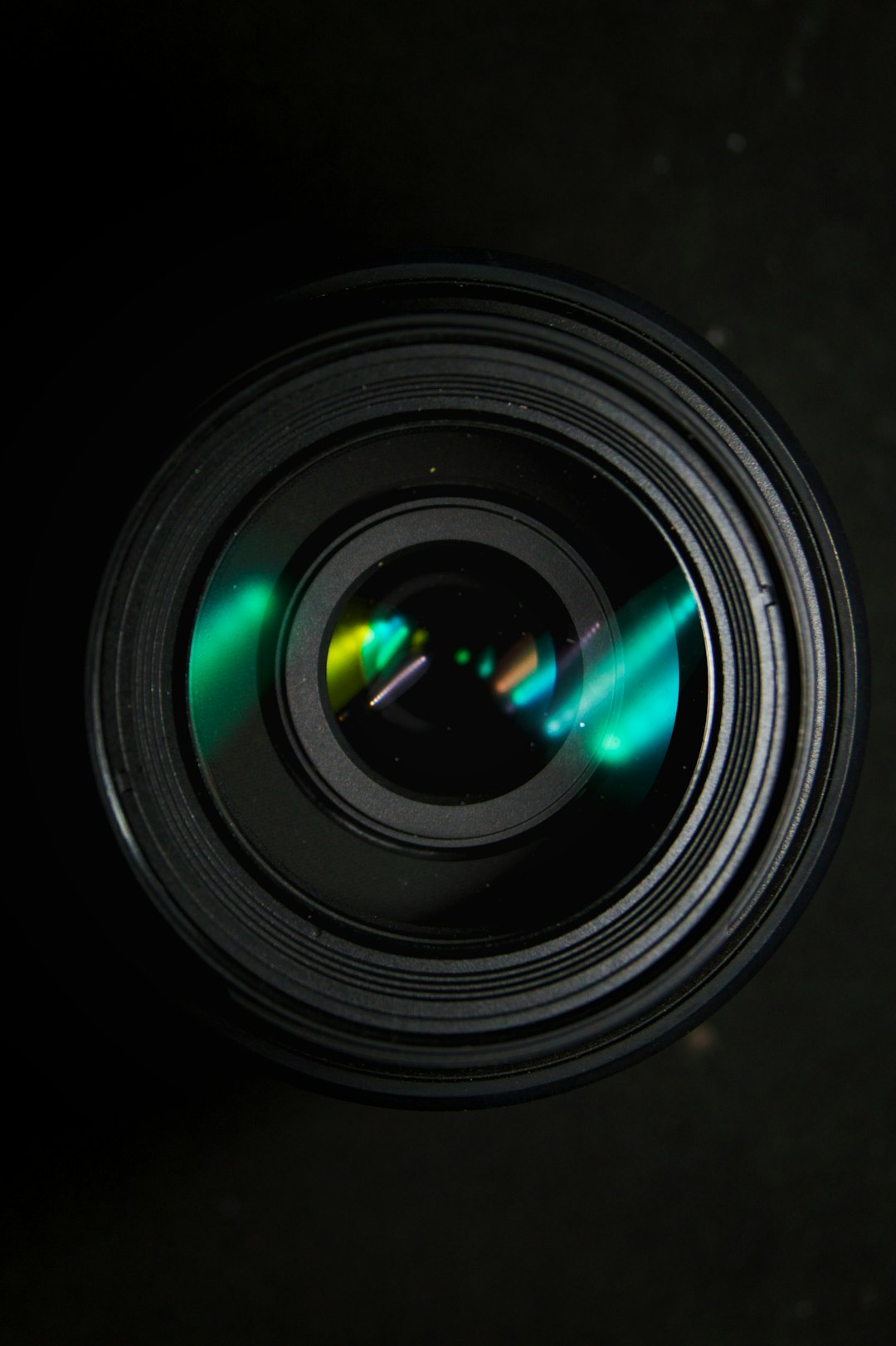
Zoom ranges are often written in two ways. Compact cameras and phones may say 3x, 5x, or 10x. Interchangeable camera lenses usually list focal lengths, such as 24–70mm or 70–200mm. The “x” number is just the longest focal length divided by the shortest one. A 24–120mm lens is a 5x zoom because 120 divided by 24 equals 5.
That number can be useful, but it can also mislead you. A 10x zoom does not always mean “very long reach.” A 10–100mm lens is 10x, and so is a 30–300mm lens. The second one reaches much farther. This is why photographers often care more about the actual focal length or the 35mm equivalent range.
Optical Zoom vs Digital Zoom
Optical zoom magnifies the scene using the lens. Digital zoom magnifies the image using software. That difference matters.
With digital zoom, the camera crops into the center of the image and enlarges what remains. If your camera has a 48 megapixel sensor and you use 2x digital zoom, the camera may use roughly a quarter of the sensor area, depending on how it processes the file. You might still get a usable shot, but fine details shrink fast. Hair, leaves, fabric, feathers, and text are usually the first things to fall apart.
It drives me crazy that many phones show one smooth zoom slider as if every step is equal. It is not. On some models, the image looks crisp at 1x, 2x, and 5x because those are tied to real camera modules or useful sensor crops. Then it suddenly turns mushy at 7.3x or 13x because software is doing the heavy lifting.
Digital zoom is not always useless, though. Modern phones use multi-frame processing, sharpening, noise reduction, and subject detection. In bright light, a good phone can make moderate digital zoom look decent on a small screen. But if you want to print the photo, crop it later, or keep feather-level detail on a bird, optical zoom wins.
- Optical zoom: Best for quality, texture, distance, and low-light detail.
- Digital zoom: Best for quick sharing when quality is less critical.
- Hybrid zoom: A mix of optical reach, sensor cropping, and software processing.
Why Sensor Size and Aperture Still Matter
A long optical zoom is not magic. The lens, sensor, aperture, and stabilization all shape the final image. A small-sensor camera with a giant zoom may reach far, but it may struggle at dusk. A larger-sensor camera with a shorter zoom may produce cleaner files, better background blur, and richer color.
Aperture matters too. It is written as f-numbers, such as f/2.8, f/4, or f/5.6. A lower number lets in more light. Many compact zoom cameras start bright at the wide end, then get darker as you zoom in. For example, a lens may be f/2.8 at 24mm but only f/5.6 at 200mm. That means the camera needs a slower shutter speed or higher ISO at full zoom, which can cause blur or noise.
Stabilization helps. Optical image stabilization, often called OIS, moves lens elements or the sensor to counter shaky hands. It is especially useful at long focal lengths. At 300mm equivalent, even tiny hand movement can ruin sharpness. Good stabilization can save a shot that would otherwise be a blurry mess.
How to Choose the Right Zoom Range
Start with what you shoot most. Do not buy the biggest number just because it looks impressive on a box. Huge zoom ranges often require compromises in sharpness, brightness, size, or price.
- Everyday photos: A range near 24–70mm equivalent works well for family, food, pets, street scenes, and casual video.
- Travel: Choose around 24–120mm equivalent or 24–200mm equivalent. This gives you wide views, portraits, and moderate reach without carrying too much gear.
- Portraits: Look for 50–135mm equivalent. This range flatters faces and helps separate the subject from the background.
- Sports: Aim for at least 200mm equivalent. For field sports, 300–600mm equivalent is often more useful.
- Wildlife: Start at 400mm equivalent if you can. Small birds may demand even more reach.
- Real estate and interiors: Wide coverage matters more than long zoom. Look for 16–24mm equivalent.
If you use a phone, check the actual camera modules. A phone may advertise 100x zoom, but the useful optical options might be 0.5x, 1x, 3x, and 5x. The rest may rely heavily on software. The catch is that spec sheets often bury this detail, so expect to spend a few more minutes checking sample photos before buying.
Understanding Zoom in Phones
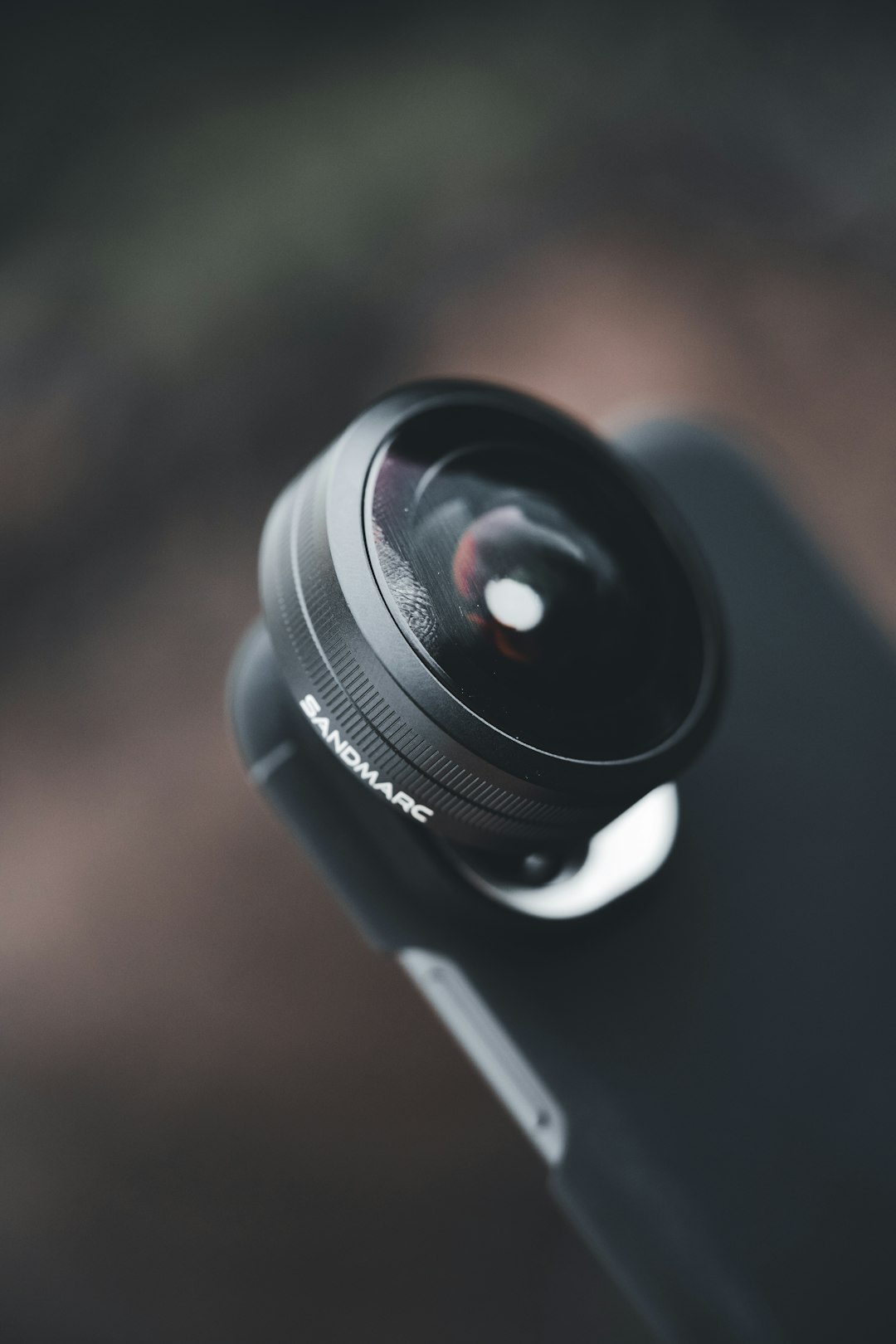
Phones handle zoom differently from traditional cameras. Most phone lenses do not physically zoom across a full range. Instead, phones switch between multiple fixed lenses. You may have an ultra-wide camera, a main camera, and a telephoto camera. Some premium models add a periscope lens, which folds light sideways inside the phone body to create longer reach.
This design saves space, but it creates gaps. If the phone has 1x and 5x optical cameras, a 3x photo may be a crop from the main camera or a mix of data from several cameras. Sometimes it looks great. Sometimes it looks oddly processed. Skin can look waxy. Grass can turn into green soup. Fine signs in the distance may look painted rather than photographed.
Practical Buying Tips
Before you buy, look at real sample images at the zoom levels you plan to use. View them larger than a phone screen. Check edges, text, fur, leaves, and low-light shots. These reveal weakness fast.
Also think about handling. A 600mm lens may sound exciting, but it can be heavy and hard to hold steady. A pocket camera with a 30x zoom may be perfect for daylight travel, yet poor for indoor events. A 24–105mm lens on a mirrorless camera may not reach the moon, but it can be the most useful lens you own.
The best zoom range is the one that matches your subjects, not the one with the biggest number. For most people, moderate optical zoom beats extreme digital zoom every time. If you regularly shoot distant action, buy real reach. If you shoot people, trips, and everyday moments, choose a balanced range with good stabilization and a bright enough lens.