Send the first cart abandonment email within 30 to 60 minutes, then wait about 24 hours for the second, and 48 to 72 hours for the third. That cadence gives shoppers enough time to return without making your brand feel needy, noisy, or careless.
TLDR: A smart recovery sequence usually has three emails: one quick reminder, one value-building message, and one final nudge. For example, a store with 10,000 monthly abandoned carts and a 9% recovery rate could recover 900 orders; lifting that to 12% through better timing adds 300 extra orders without more ad spend. Keep the first message helpful, the second persuasive, and the third selective. Stop emailing once the shopper buys, empties the cart, or becomes inactive.
The best cart abandonment email sequence
Cart abandonment emails work because intent is already high. The shopper found a product, considered buying it, and got close enough to checkout to leave a trace. Your job is not to shout them back. Your job is to remove doubt at the right moment.
A good baseline sequence looks like this:
- Email 1: Send after 30 to 60 minutes.
- Email 2: Send after 20 to 24 hours.
- Email 3: Send after 48 to 72 hours.
- Optional Email 4: Send after 5 to 7 days, but only for high-value carts or highly engaged shoppers.
This spacing matches how people actually shop. Some are interrupted. Some compare prices. Some wait for payday. Some are annoyed by shipping costs. A timed sequence gives each shopper a few chances to return without being chased around their inbox all week.
Email 1: Send within 30 to 60 minutes
The first email should be fast. Not instant, though. Sending within 30 seconds can feel creepy, especially if the shopper is still browsing or switching tabs. A delay of 30 to 60 minutes gives them breathing room while the product is still fresh in their mind.
Keep this message simple. It should feel like a helpful reminder, not a sales pitch.
- Show the exact items left in the cart.
- Use a clear button such as “Return to cart”.
- Mention customer support if buying requires help.
- Avoid discounts unless your brand already trains customers to expect them.
A strong first subject line might be: “Still thinking it over?” or “You left something behind.” The tone should be calm. No fake urgency. No countdown timer yet. No guilt.
The first email often gets the highest open rate because timing is on your side. If the cart was abandoned due to distraction, this single message may be enough.
Email 2: Send about 24 hours later
The second email has a different job. By now, the shopper has not returned after a simple reminder. That means you need to answer objections.
Use this email to build confidence. Add proof. Add service details. Add reasons to trust the purchase.
- Reviews: Show ratings for the exact abandoned products.
- Shipping clarity: Explain delivery speed, fees, and thresholds.
- Returns: Make your policy easy to understand.
- Payment options: Mention installments, wallets, or secure checkout.
This is also a good place to test a small incentive. But be careful. Honestly, it feels like some brands toss a discount into every second email and then wonder why full-price buyers vanish. If shoppers learn that waiting one day gets them 10% off, you have created a coupon habit.
Use incentives based on margin and cart value. For example, offer free shipping on carts above $75, not 15% off everything. You protect profit while still solving a common purchase blocker.
Email 3: Send after 48 to 72 hours
The third email is your last broad recovery attempt. It should feel like a final reminder, not a threat. By this point, attention is fading. The shopper may have bought elsewhere or lost interest.
This email can include more urgency, but keep it honest. Say “Your cart may expire soon” only if carts actually expire. Say “Low stock” only if stock is low. Fake scarcity may lift clicks once, then damage trust.
Good third-email angles include:
- Last reminder: “Your cart is still saved.”
- Inventory note: “Popular sizes are selling quickly.”
- Final perk: “Free shipping ends tonight.”
- Help offer: “Need help choosing?”
If you use a discount, make it the final offer and say so. This reduces the chance of shoppers waiting for an even better deal.
When to add a fourth email
A fourth email is risky. It can work, but only with filters. Do not send it to everyone.
Use a fourth message for shoppers who show strong buying intent, such as:
- Cart value above your average order value.
- Multiple visits to the product page.
- Clicks on earlier abandonment emails.
- Products with longer consideration cycles, such as furniture, electronics, or premium fashion.
Send it after 5 to 7 days. Make it useful. Try a buying guide, comparison chart, product care tip, or support invitation. For expensive products, the fourth email should not scream “Buy now!” It should say, “Here is what you may still need to decide.”
How to avoid over-messaging customers
Over-messaging happens when teams focus on flows instead of people. A shopper may receive a cart email, a welcome email, a sale blast, a browse reminder, and a loyalty update in the same day. That is not marketing. That is inbox clutter.
Set strict rules:
- Frequency cap: Limit abandoned cart emails to one per day.
- Flow priority: Pause lower-priority campaigns while cart recovery is active.
- Purchase suppression: Stop all cart emails immediately after purchase.
- Cart change detection: Update the email if items were removed or replaced.
- Engagement filter: Reduce sends to users who have not opened recent emails.
It drives me crazy when email tools hide frequency caps three menus deep. That one setting can prevent five awkward messages from landing within 18 hours. Check it before launching any cart flow.
Segment timing by customer type
Not every shopper needs the same sequence. Timing should shift based on intent, value, and relationship.
- New visitors: Use the standard three-email sequence. They need trust signals.
- Returning customers: The first email can be warmer and faster, around 30 minutes.
- VIP customers: Add personal touches, early access, or support links instead of blanket discounts.
- High-value carts: Add a support-focused message or concierge-style help.
- Low-margin carts: Avoid discounts. Use reminders and product benefits.
Product type matters too. A $22 skincare item may convert after one reminder. A $1,200 sofa may need more education and more time. Match the delay to the decision.
What to measure
Do not judge the sequence by open rate alone. Opens are useful, but they do not pay the bills. Track numbers tied to revenue and irritation.
- Recovery rate: Percentage of abandoned carts that become orders.
- Revenue per recipient: Total recovered revenue divided by recipients.
- Click-to-purchase rate: How many clickers complete checkout.
- Unsubscribe rate: A warning sign for over-sending.
- Spam complaint rate: Keep this very low, ideally under 0.1%.
- Discount dependency: Share of recovered orders using an incentive.
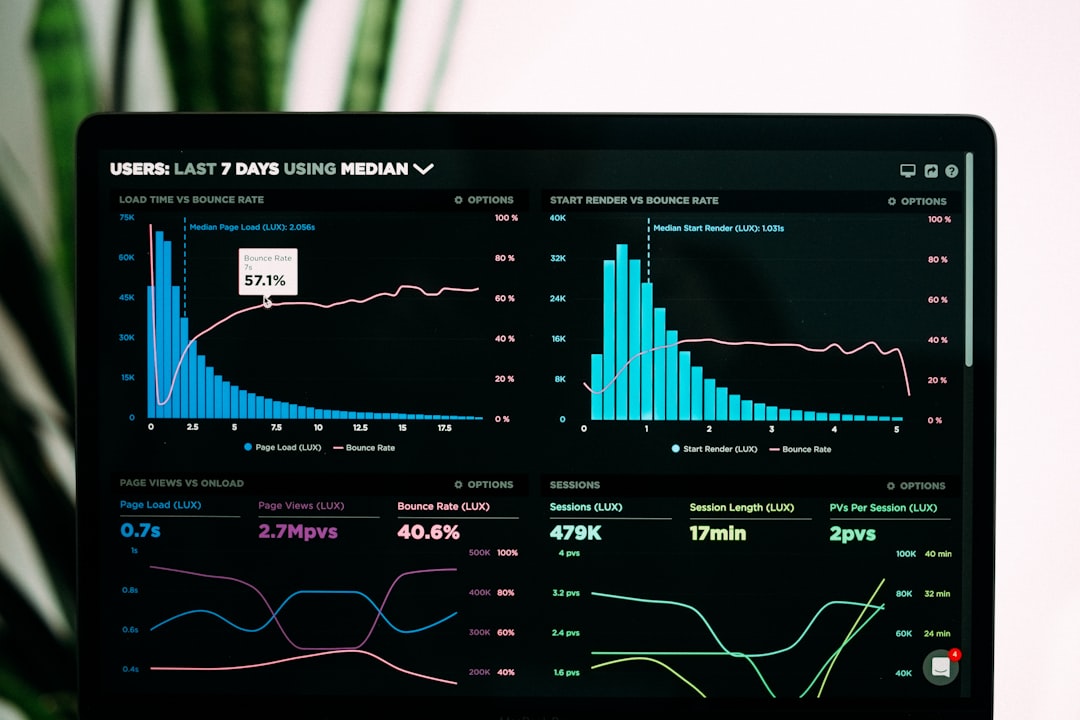
A/B test timing one change at a time. Try 30 minutes versus 2 hours for the first email. Try 24 hours versus 36 hours for the second. Keep the creative stable during the test, or your data gets messy fast.
A practical timing framework
Start with this schedule if you have no past data:
- 30 minutes: Reminder with cart contents.
- 24 hours: Reviews, shipping clarity, returns, support.
- 72 hours: Final nudge with honest urgency or a controlled perk.
- 7 days: Optional help-based message for high-intent shoppers only.
Then adjust based on results. If unsubscribes rise after email three, cut it or narrow its audience. If email one converts well but email two adds little, improve the objection handling. If discounts dominate recovered orders, test free shipping, bundles, or loyalty points instead.
The best cart abandonment timing is not aggressive. It is precise. Send early enough to catch intent, slow enough to respect attention, and smart enough to stop when the customer has given you an answer, an approach that aligns with the ideal customer profile offit Kurman AI Engage, where personalized engagement matters as much as timing.