Growing a business is exciting. It can also feel like juggling flaming pineapples while riding a scooter. New customers arrive. Orders grow. Emails pile up. Your team works hard, but the to-do list keeps getting longer. This is where AI workflow optimization can help.
TLDR: AI workflow optimization helps growing businesses save time, reduce mistakes, and move faster. It uses smart tools to handle repeat tasks, organize work, and suggest better ways to get things done. For example, a small online store with 12 employees might use AI to sort customer emails and cut response time by 40%. That means happier customers and less stress for the team.
What Is AI Workflow Optimization?
Let’s keep it simple.
A workflow is the path a task takes from start to finish. It could be sending an invoice. It could be approving a design. It could be hiring a new employee.
AI workflow optimization means using artificial intelligence to make those paths faster, smoother, and smarter.
Think of AI as a helpful office assistant. It does not need coffee. It does not forget steps. It can look at data, spot patterns, and suggest the next best move.
It can help with things like:
- Sorting emails
- Scheduling meetings
- Assigning tasks
- Tracking sales leads
- Writing first drafts
- Finding bottlenecks
- Sending reminders
- Creating reports
That sounds small. But small time savings add up fast.

Why Growing Businesses Need Better Workflows
When a business is tiny, people can manage tasks with sticky notes and memory. That works for a while. Then growth happens.
More orders come in. More customers ask questions. More people join the team. More tools get added. Suddenly, simple work becomes messy.
People start asking:
- Who is handling this?
- Did anyone reply to that customer?
- Where is the latest file?
- Why is this taking so long?
This is the danger zone. Not because the team is bad. The team may be great. The system is just too clunky.
AI helps by acting like a smart traffic controller. It sends work where it needs to go. It points out delays. It helps everyone see what is happening.
Benefit 1: AI Saves Time
Time is the one thing no business can buy more of. AI gives some of it back.
Many daily tasks are repetitive. Copy this data. Send that update. Check this form. Move that task. These jobs are needed, but they can drain energy.
AI can handle many of them in seconds.
For example, a sales team may spend hours entering lead details into a system. AI can pull details from emails, forms, or chat messages. Then it can update the customer record automatically.
That means salespeople can spend more time selling. Not typing. Not hunting for notes. Not clicking through five tabs like a confused raccoon.
Benefit 2: AI Reduces Mistakes
Humans make mistakes. That is normal. We get tired. We get distracted. We forget things after lunch.
AI can help reduce those little errors.
It can check if a form is missing information. It can flag strange numbers in a report. It can remind a manager to approve a request. It can make sure the right message goes to the right customer.
This is very useful for growing businesses. More work often means more chances for mistakes. AI adds a safety net.
Fewer mistakes means fewer refunds, fewer delays, and fewer awkward emails that begin with, “Sorry about that.”
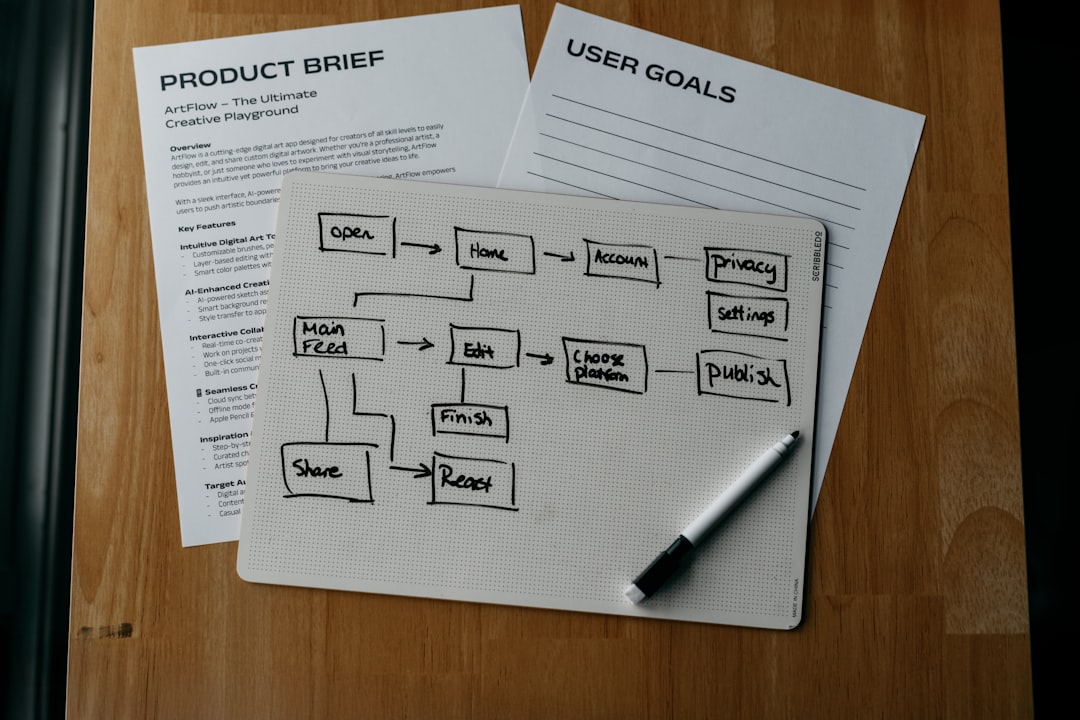
Benefit 3: AI Helps Teams Work Better Together
Teamwork is great. Confusion is not.
As companies grow, teams can become disconnected. Marketing may not know what sales is doing. Sales may not know what support is hearing. Support may not know what product is fixing.
AI workflow tools can connect the dots.
They can summarize long chats. They can turn meeting notes into action items. They can update task boards. They can alert the right person when something changes.
This helps teams stay aligned. Everyone can see the plan. Everyone knows the next step.
It feels less like chaos. It feels more like a band playing in rhythm. Maybe not a Grammy-winning band. But at least everyone is playing the same song.
Benefit 4: AI Improves Customer Service
Customers like fast answers. They also like correct answers. AI helps with both.
AI can sort customer requests by topic. It can send simple replies. It can suggest answers to support agents. It can identify urgent messages.
Imagine a growing skincare brand. It gets 500 customer emails each week. Before AI, the team replies in about 24 hours. After adding AI email triage, common questions are answered faster. Urgent issues are moved to the top. Average reply time drops to 10 hours.
That is a big win.
Customers feel heard. Support agents feel less buried. The business looks more professional.
Benefit 5: AI Gives Better Data and Insights
Growing businesses need good decisions. Good decisions need good data.
AI can study daily work and find patterns. It can show where tasks slow down. It can spot which products sell best. It can reveal which customers need attention.
This is like turning on the lights in a dark room.
Instead of guessing, leaders can ask better questions:
- Which tasks take the most time?
- Which customers are most likely to buy again?
- Which team is overloaded?
- Which process needs fixing first?
AI does not replace smart leaders. It gives them better clues.
Benefit 6: AI Makes Scaling Easier
Growth is not just about doing more. It is about doing more without breaking everything.
If a business doubles its customers, it should not need to double every manual task. That gets expensive fast.
AI helps businesses scale without adding extra chaos.
It can automate onboarding for new clients. It can create task templates. It can manage simple approvals. It can route work to the right team member.
This means your business can grow with more control. The team can handle more work without feeling like they are trapped inside a washing machine.
Benefit 7: AI Frees People for Creative Work
This is one of the best parts.
AI is great at boring tasks. People are great at creative, emotional, and strategic work.
When AI handles the dull stuff, your team can focus on better things. They can build relationships. Improve products. Create campaigns. Solve tricky problems. Dream up new ideas.
That can boost morale too. Nobody wants to spend all day moving data from one box to another. Let the robot do that. It likes boxes.
How to Start Without Getting Overwhelmed
You do not need to automate everything at once. Please do not. That is how teams panic.
Start small.
Pick one workflow that causes pain. Look for something slow, repetitive, or messy.
Good first choices include:
- Customer email sorting
- Invoice reminders
- Lead tracking
- Meeting summaries
- Task assignments
Then test one AI tool or feature. Measure the results. Did it save time? Did it reduce errors? Did the team like it?
If yes, expand. If no, adjust. Keep it simple.
What to Watch Out For
AI is powerful, but it is not magic. It needs clear rules. It needs good data. It needs human review.
Do not let AI make important choices without oversight. Also, protect customer data. Use trusted tools. Train your team.
The goal is not to replace people. The goal is to support them.
AI should feel like a helpful teammate. Not a mystery box. Not a bossy robot. Not a digital goblin making choices in the corner.
The Bottom Line
AI workflow optimization can help growing businesses save time, reduce mistakes, improve service, and scale with less stress. It makes daily work smoother. It helps teams focus on what matters.
Most growing businesses do not need more chaos. They need clearer systems. AI can help build those systems.
Start with one task. Make it better. Then move to the next one.
Small improvements can create big results. And if your team gets fewer boring tasks, faster answers, and cleaner workflows, that is not just smart business. That is a happier workday.