Conversion optimization is not about changing button colors at random or copying what competitors do. It is a disciplined process of understanding visitor intent, removing friction, improving trust, and measuring what truly affects revenue. When done well, conversion rate optimization, or CRO, helps businesses generate more sales, leads, subscriptions, and repeat purchases from the traffic they already have.
TLDR: The most reliable conversion optimization strategies focus on user behavior, clearer value propositions, simpler buying paths, stronger trust signals, faster pages, better testing, and smarter follow-up. For example, an online retailer with 100,000 monthly visitors and a 2% conversion rate generates 2,000 orders; increasing that rate to 2.4% creates 400 additional orders without buying more traffic. If the average order value is $75, that modest lift adds $30,000 in monthly revenue. CRO works best when decisions are based on analytics, user feedback, and controlled experiments rather than assumptions.
1. Use Data to Identify the Biggest Revenue Leaks
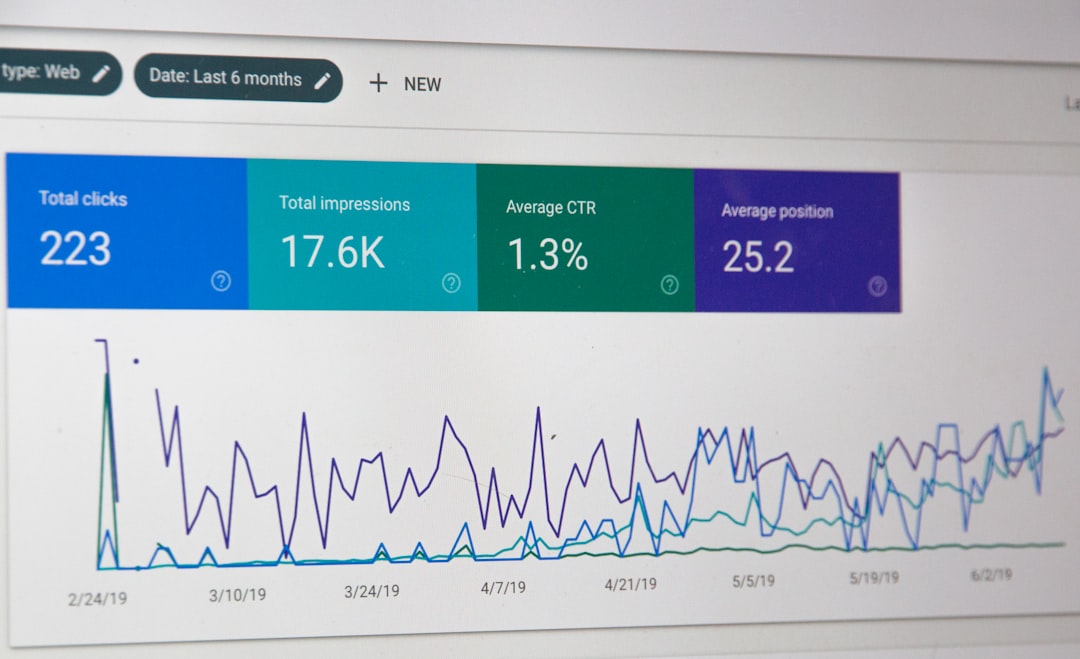
The first step in serious conversion optimization is knowing where potential customers abandon the journey. Analytics tools can show which pages attract visitors, where users hesitate, and where they leave. Heatmaps, session recordings, funnel reports, and form analytics are especially useful for identifying patterns that are not obvious from basic traffic numbers.
For example, if 60% of users leave during checkout after reaching the shipping page, the issue may not be product interest. It may be unexpected costs, limited delivery options, or an unclear return policy. Improving that single point in the funnel can often produce more revenue than redesigning a homepage.
- Review funnel drop off points to find where revenue is being lost.
- Segment data by device, traffic source, location, and customer type.
- Prioritize high impact pages such as product pages, pricing pages, landing pages, and checkout flows.
Effective CRO begins with evidence. Guesswork may lead to visible changes, but data leads to measurable growth.

2. Clarify the Value Proposition Above the Fold
Visitors should understand what you offer, who it is for, and why it is valuable within a few seconds. If the headline is vague or the page focuses too much on the company instead of the customer’s problem, users are less likely to continue.
A strong value proposition should be specific, credible, and outcome focused. Instead of saying, “Powerful software for modern teams,” a clearer message might be, “Reduce project reporting time by 40% with automated team dashboards.” The second version explains the benefit and gives the visitor a reason to keep reading.
To improve this area, audit your most important landing pages and ask three questions:
- Can a first time visitor understand the offer in under five seconds?
- Is the main benefit stated clearly and prominently?
- Does the page explain why the visitor should choose this solution over alternatives?
Supporting elements such as concise subheadings, product visuals, customer logos, and a primary call to action can reinforce the message. However, avoid crowding the top of the page with too many competing claims.
3. Reduce Friction in Forms and Checkout
Every unnecessary field, unclear instruction, or unexpected step can reduce conversions. This is especially true on mobile devices, where attention is limited and typing is more difficult. A form that asks for ten pieces of information may generate fewer leads than one that asks for four, even if the traffic quality is the same.
For ecommerce businesses, checkout friction is one of the most expensive problems. Common causes include mandatory account creation, hidden shipping costs, limited payment options, slow validation, and confusing error messages. Removing even one barrier can make a meaningful difference.
- Offer guest checkout for first time buyers.
- Show shipping, taxes, and fees as early as possible.
- Use autofill, address lookup, and mobile friendly inputs.
- Provide progress indicators for multi step checkout flows.
- Make error messages specific, visible, and easy to correct.
The goal is not to collect less information forever. The goal is to collect the right information at the right time. Additional profiling can happen after conversion through onboarding, email, or account settings.
4. Strengthen Trust Signals and Risk Reversal
People rarely convert if they do not feel safe. Trust is especially important when customers are asked to provide payment details, personal information, or commit to a long term service. Strong trust signals reduce perceived risk and make the decision easier.
Trust elements may include customer testimonials, independent reviews, security badges, transparent pricing, refund policies, guarantees, certifications, case studies, and clear contact information. The strongest trust signals are specific. A testimonial that says, “Great service” is weaker than one that says, “We reduced customer response time from 18 hours to 4 hours in the first month.”
Risk reversal can also improve conversions. Examples include free trials, money back guarantees, cancel anytime policies, and no obligation consultations. These offers must be honest and easy to understand. If the guarantee is hidden behind complex conditions, it can damage trust instead of improving it.
5. Improve Page Speed and Mobile Experience
Slow pages reduce revenue. Users expect fast, stable, and easy to navigate experiences, especially on mobile. A delay of even a few seconds can increase bounce rates and lower completed transactions. Search visibility may also suffer when technical performance is poor.
Conversion focused performance improvements should include compressing images, reducing unnecessary scripts, using browser caching, improving server response times, and checking Core Web Vitals. Mobile usability should receive equal attention. Buttons should be easy to tap, text should be readable, forms should be simple, and important content should not be blocked by intrusive pop ups.
A useful approach is to test high value pages on real devices, not only in desktop previews. Watch how long it takes to load the product image, whether the call to action is visible, and whether checkout can be completed without zooming or frustration.
6. Test Calls to Action, Offers, and Page Structure
A/B testing is one of the most reliable ways to confirm whether a change improves conversions. However, meaningful testing requires a clear hypothesis, sufficient traffic, and a focus on business outcomes. Testing minor details without strategic reasoning can waste time and produce misleading conclusions.
Strong test ideas usually come from customer research or analytics. For example, if users repeatedly ask whether a service includes onboarding, you might test a pricing page that makes onboarding more prominent. If visitors scroll past the first call to action but engage with comparison content, you might test a page structure that introduces proof earlier.
- Test one primary hypothesis at a time to keep results interpretable.
- Measure revenue or qualified leads, not only clicks.
- Run tests long enough to avoid decisions based on short term fluctuations.
- Document results so future teams understand what was learned.
Not every test will win, and that is normal. A disciplined testing program creates a growing body of knowledge about what customers value and what prevents them from acting.
7. Recover Abandoned Visitors with Better Follow Up
Many users who do not convert on the first visit are still interested. They may be comparing options, waiting for budget approval, or simply distracted. Follow up systems help bring qualified prospects back when they are ready to act.
For ecommerce brands, abandoned cart emails, browse abandonment campaigns, and personalized product reminders can recover missed revenue. For B2B businesses, retargeting, lead nurturing emails, webinar invitations, and sales follow up can move prospects through a longer decision process.
The key is relevance. A generic message sent to every visitor is less effective than a targeted sequence based on behavior. Someone who viewed a pricing page may need proof of return on investment, while someone who abandoned checkout may need reassurance about shipping, returns, or payment security.

Final Thoughts
Conversion optimization is most powerful when treated as an ongoing revenue discipline rather than a one time design project. The highest returns usually come from understanding user behavior, clarifying the offer, reducing friction, increasing trust, improving performance, testing carefully, and following up intelligently.
Businesses do not always need more traffic to grow. Often, the faster path to higher revenue is helping more of the existing audience take the next step with confidence. A steady 10% to 20% improvement across key funnel stages can create substantial gains over time, especially when those improvements compound across acquisition, checkout, retention, and repeat purchase behavior.