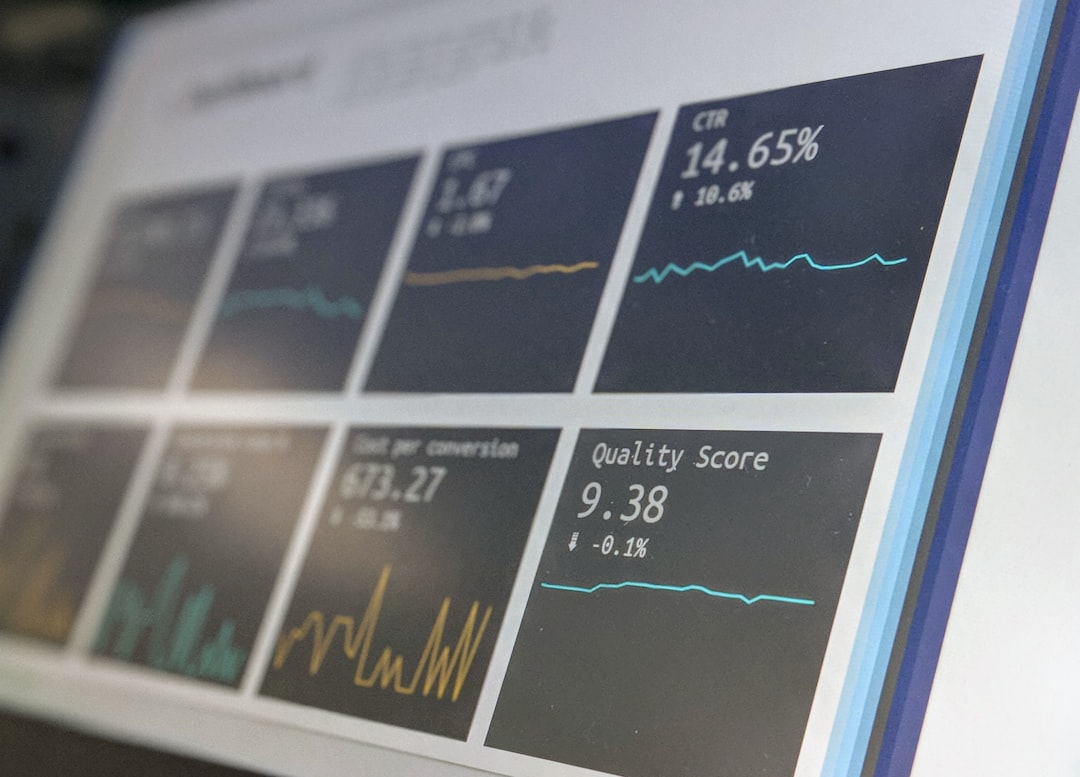
Choosing small business management software in 2026 is less about finding a single “best” tool and more about matching the platform to your operations, budget, reporting needs, and growth plans. The strongest platforms now combine finance, customer management, projects, automation, analytics, and collaboration in ways that reduce manual work and improve decision-making.
TLDR: The best small business management platforms in 2026 are those that centralize daily operations without creating unnecessary complexity. For example, a 12-person services firm using an integrated platform for invoicing, projects, and CRM could realistically reduce administrative work by 15% to 25% by eliminating duplicate data entry. If you need affordability and flexibility, consider Zoho One or Odoo; if you need stronger accounting or enterprise-grade controls, QuickBooks Online Advanced, Business Central, or NetSuite may be better fits.
1. Zoho One
Best for: Small businesses that want an affordable, broad suite of tools.
Zoho One remains one of the most comprehensive small business management platforms in 2026. It includes applications for CRM, accounting, HR, email, project management, help desk, marketing automation, analytics, and workflow automation. Its main strength is breadth: a company can often replace several separate subscriptions with one unified ecosystem.
Zoho One is especially useful for growing service businesses, agencies, consultancies, and online sellers that want flexibility without paying enterprise-level prices. However, businesses should plan for setup time. Because the suite is large, proper configuration and staff training are essential to get full value.
2. QuickBooks Online Advanced
Best for: Businesses that prioritize accounting, cash flow, and financial controls.
QuickBooks Online Advanced continues to be a serious choice for small businesses that need reliable bookkeeping, invoicing, expense tracking, payroll integrations, and reporting. While it is not a full operational suite in the same way as Zoho One or Odoo, it performs extremely well as a financial command center.
In 2026, its value is strongest for businesses where financial accuracy and accountant collaboration matter most. Retailers, contractors, professional services firms, and local businesses often benefit from its mature ecosystem of integrations. The limitation is that companies may still need separate tools for CRM, project management, or advanced inventory.
3. Monday.com
Best for: Teams that need visual operations management and workflow tracking.
Monday.com has evolved from a project management tool into a broader work operating system. Small businesses use it to manage sales pipelines, client onboarding, marketing calendars, product workflows, hiring processes, and internal requests. Its clear visual boards make it accessible for non-technical teams.
The platform is particularly strong when managers need visibility across multiple departments. Automations, dashboards, forms, and integrations help reduce status meetings and manual follow-ups. Monday.com is not a replacement for a dedicated accounting system, but it is excellent for coordinating work and improving accountability.
4. Odoo
Best for: Businesses that want modular ERP-style management at a scalable cost.
Odoo is one of the most flexible platforms for small businesses that want a modular approach. Companies can start with CRM, invoicing, inventory, or website tools, then add manufacturing, point of sale, email marketing, purchasing, help desk, or HR as needed.
Its biggest advantage is that it can support more operational complexity than many lightweight tools. For example, a small manufacturer or distributor may use Odoo to connect sales orders, inventory, procurement, production, and accounting. The tradeoff is implementation: businesses with complex workflows may need expert configuration support to avoid errors and inefficiencies.
5. ClickUp
Best for: Startups and small teams that want productivity, tasks, documents, and goals in one place.
ClickUp is a strong option for businesses that need an adaptable workspace for project execution. It combines task management, documents, whiteboards, dashboards, time tracking, templates, goals, and automation. For small teams, this can reduce the need for multiple disconnected productivity tools.
ClickUp is especially attractive to marketing teams, software startups, agencies, and operations teams that need fast customization. Its flexibility is both a strength and a risk: without clear standards, workspaces can become cluttered. Businesses should define naming rules, views, ownership, and reporting structures early.

6. Microsoft Dynamics 365 Business Central
Best for: Growing businesses that need stronger financial management and Microsoft integration.
Microsoft Dynamics 365 Business Central is a serious platform for small and midsize businesses moving beyond basic accounting. It supports finance, purchasing, inventory, sales, service management, projects, and reporting. Its integration with Microsoft 365, Outlook, Teams, Excel, and Power BI makes it a practical choice for companies already committed to the Microsoft ecosystem.
Business Central is best suited to companies that need more control, auditability, and structured processes. It may be more than a very small business needs, but for firms with multiple locations, inventory complexity, or tighter reporting requirements, it can provide a stable foundation for growth.
7. NetSuite
Best for: Fast-growing businesses that need cloud ERP and advanced operational control.
NetSuite is often viewed as a mid-market ERP, but it remains relevant for ambitious small businesses preparing for scale. It includes accounting, order management, CRM, inventory, ecommerce capabilities, procurement, reporting, and planning tools. Companies expanding internationally or managing multiple subsidiaries may find its structure particularly valuable.
The main benefit of NetSuite is depth. It can handle complex operations that simpler platforms struggle with. The main drawback is cost and implementation effort. Small businesses should consider NetSuite when growth, compliance, multi-entity reporting, or operational complexity justify a more robust system.
8. FreshBooks
Best for: Freelancers and service-based small businesses that need simple billing and client management.
FreshBooks remains a trusted platform for consultants, designers, contractors, coaches, and small service firms. It focuses on invoicing, estimates, expense tracking, time tracking, payments, and basic reporting. Its interface is simple, which makes it suitable for owners who want to spend less time managing software.
FreshBooks is not designed to be a full ERP or advanced inventory platform. However, for service businesses that depend on fast invoicing and clear client billing, it remains highly practical. Its strength is usability: small teams can adopt it quickly without a long implementation period.
How to Choose the Right Platform
Before selecting software, business owners should define the problems they are trying to solve. A company struggling with late invoices needs different software than a company losing track of inventory or project deadlines. The best decision often comes from comparing platforms against specific workflows rather than feature lists alone.
- For all-in-one affordability: Zoho One is one of the strongest choices.
- For accounting-first management: QuickBooks Online Advanced or FreshBooks may be more appropriate.
- For visual workflow management: Monday.com and ClickUp are excellent options.
- For modular ERP capabilities: Odoo offers flexibility and scalability.
- For structured financial operations: Business Central is a strong Microsoft-based solution.
- For advanced growth and complexity: NetSuite provides enterprise-grade depth.

Key Buying Criteria for 2026
In 2026, small businesses should pay close attention to automation, integration quality, data security, reporting, mobile access, and total cost of ownership. Subscription pricing is only one part of the cost. Setup, training, migration, add-ons, and process changes can significantly affect the final investment.
It is also wise to test real workflows during a trial. Create an invoice, assign a task, build a report, import customer data, and test user permissions before committing. A platform that looks impressive in a demo may be less effective if employees find it difficult to use every day.
Final Verdict
The top small business management software platforms in 2026 serve different types of companies. Zoho One and Odoo offer broad operational coverage, QuickBooks Online Advanced and FreshBooks are excellent for financial simplicity, while Monday.com and ClickUp help teams organize daily execution. For companies with more complex needs, Microsoft Dynamics 365 Business Central and NetSuite provide stronger structure and scalability.
The most reliable choice is the one that fits your business model, not the one with the longest feature list. Start with your essential processes, calculate the real cost, and choose software your team can use consistently.