An MVP is the smallest useful version of an app that proves whether people want the idea before a team spends months building the wrong thing. For most founders, Lovable is better for shaping a quick product from a plain-language prompt, while Replit is better when the MVP needs deeper code control, integrations, backend logic, or long-term engineering work.
TLDR: An MVP, or minimum viable product, should test one clear problem with one clear solution. For example, a solo founder building a booking app might use Lovable to create a clickable working version in 2 days, test it with 25 users, and find that 68% only care about reminders, not payments. Replit is stronger when that same app needs custom APIs, user roles, databases, and cleaner production code. Lovable helps prove the idea fast; Replit helps turn that proof into something sturdier.
What Is an MVP?
An MVP is not a rough draft of a full product. It is a focused version of an app that solves the main user problem with the least work required. The goal is not to impress everyone. The goal is to learn fast.
A good MVP answers questions such as:
- Does the target user care enough to try it?
- Will anyone pay, sign up, or return?
- Which feature matters most?
- What can be ignored for now?
This matters because many apps fail before launch. Not because the idea is terrible. Often, the team builds too much. They add dashboards, profiles, settings, filters, and fancy visuals before proving the core use case. That is where an MVP saves time, money, and patience.
It drives people crazy that “simple MVP” often turns into three months of scope creep. A real MVP should feel almost uncomfortably small. If it does not feel a bit too simple, it may already be too large.
Lovable vs Replit: The Short Version
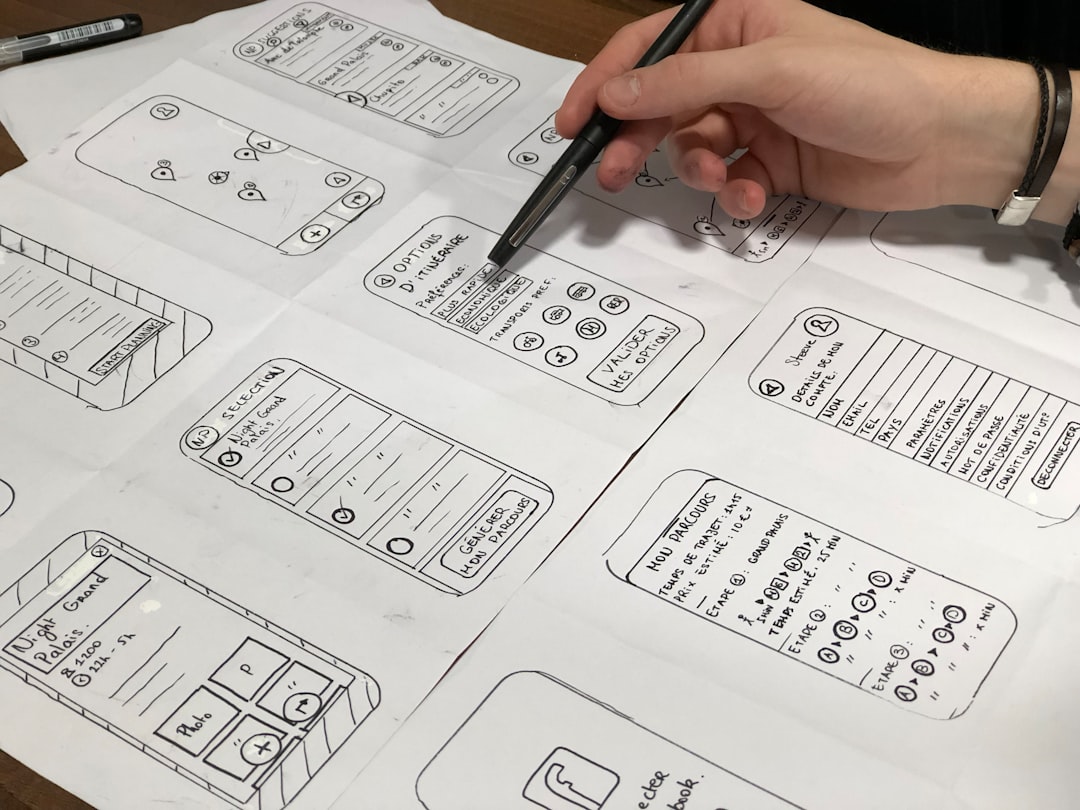
Lovable is an AI app builder that turns written prompts into working web app interfaces and basic product flows. It is useful for founders, marketers, designers, and non-technical teams that need a live prototype quickly.
Replit is a browser-based development environment with AI coding support. It is better for people who want to write, edit, debug, deploy, and maintain real code. It suits technical founders, developers, students, and teams that need more control.
The simplest comparison is this:
- Lovable: best for speed, screens, flows, and early validation.
- Replit: best for code control, logic, custom features, and scaling beyond the first test.
When Lovable Makes More Sense
Lovable works well when the team has a clear idea but no time to wait for a full design and engineering cycle. A founder can describe the app, such as “build a client portal for freelance designers with project status, file uploads, and invoice tracking,” and Lovable can generate a usable starting point.
That makes it strong for:
- Landing pages with app-like flows
- SaaS dashboard prototypes
- Internal tools
- Marketplace concepts
- Client demos
Lovable is also helpful when a team needs something visual. Stakeholders react better to a working screen than a spreadsheet. Users give better feedback when they can click around. A “real enough” MVP can expose bad assumptions in one user call.
The weak spot is control. AI-generated apps can look good, then become annoying when the team needs very specific behavior. Small edits may take several prompt attempts. One tiny layout change can come back with three unwanted changes. Honestly, that can feel like arguing with a very confident intern.
When Replit Makes More Sense
Replit is the stronger choice when the MVP is less about screens and more about how the app works. If the product needs an API, payment logic, authentication, database rules, background jobs, or custom AI workflows, Replit gives the builder more control.
It supports many languages and frameworks. A developer can use it to build a React app, a Node backend, a Python service, or a small database-driven tool. Its AI features can explain code, generate functions, fix bugs, and speed up repetitive work.
Replit is especially useful for MVPs such as:
- AI tools with custom prompts and data handling
- Automation apps
- API-based products
- Developer tools
- Apps with complex user permissions
The downside is that Replit still expects some technical thinking. A non-technical founder can use AI assistance, but bugs still happen. Error messages still appear. Dependencies still break. Expect to waste time on small setup issues that Lovable would hide.
Turning an MVP Into a Working App
A smart path often uses both tools. Lovable can help create the first version that proves the product flow. Replit can then rebuild or extend the parts that need to be reliable.
For example, a founder wants to build an app that helps small gyms manage class bookings. The first MVP may only need three features:
- Members can view available classes.
- Members can reserve a spot.
- Managers can see the attendee list.
Lovable can generate that first app quickly. The founder can show it to five gym owners. If four say they need waitlists and SMS reminders before they would pay, that feedback is gold. The team avoids building reports, staff payroll, and advanced analytics too early.
Once the idea is validated, Replit becomes more useful. The team can add secure login, database rules, text message integration, payment plans, and cleaner deployment. The app starts moving from “testable concept” to “usable product.”
Cost, Speed, and Skill Level
Lovable is usually faster for non-technical MVP work. It is strong when speed matters more than perfect architecture. A founder can often get a basic app shape in hours, not weeks.
Replit may take longer at the start, but it can save trouble later. Code quality, structure, and custom logic matter once real users appear. A product with 20 test users can survive messy shortcuts. A product with 2,000 users cannot.
The decision often comes down to this:
- Choose Lovable if the team needs to validate the idea, user flow, or business case fast.
- Choose Replit if the MVP depends on technical logic, integrations, or future maintainability.
- Use both if the team wants fast visual testing first and stronger engineering second.
Common MVP Mistakes
The most common mistake is building a mini version of the final dream product. That is not an MVP. That is an underfunded full product.
Another mistake is testing with the wrong people. Friends may be polite. Investors may focus on market size. Real target users reveal the painful truth. They ignore weak products, complain about missing features, and ask whether it solves their current problem.
Teams should measure behavior, not praise. Signups, repeat use, payments, time saved, and referrals matter more than “This looks cool.” If 100 people visit the MVP and only 2 sign up, the team has a message problem, product problem, or audience problem.

Final Recommendation
Lovable is the better starting point for many early MVPs because it helps teams see and test an idea quickly. Replit is the better choice when the product needs real engineering behind it. The best tool depends on the risk being tested.
If the biggest risk is “Will users want this?”, Lovable is often enough. If the biggest risk is “Can this work reliably?”, Replit is the safer bet. Many strong MVPs start with speed, then move toward structure once users prove the idea is worth building.
FAQ
What does MVP mean in app development?
MVP means minimum viable product. It is the smallest version of an app that can test whether users want the core solution.
Is Lovable good for building an MVP?
Yes. Lovable is useful for fast prototypes, simple SaaS concepts, dashboards, and early user testing. It works best when visual flow matters most.
Is Replit better than Lovable?
Replit is better for custom code, backend logic, APIs, and long-term development. Lovable is better for quick product shaping and non-technical MVP creation.
Can a non-technical founder use Replit?
Yes, but there may be friction. Replit’s AI tools help, yet the founder still benefits from basic coding knowledge or developer support.
Should an MVP include payments?
Only if payment is part of the key test. If the team needs to prove willingness to pay, payments matter. If not, they can wait.
Can Lovable replace a developer?
Not fully. Lovable can speed up early work, but complex apps still need technical review, security checks, and proper engineering.