Most wholesale buyers should start with the Alibaba.com App for product range, then compare serious suppliers on Made-in-China.com and Global Sources before paying for samples. Alibaba.com has been active since 1999 and is one of the best-known global wholesale trade platforms [source: Alibaba Group]. Still, the “best” sourcing app depends on what the buyer sells, how much risk they can accept, and how much supplier research they want to do.
TLDR: Alibaba.com App is best for speed, variety, and small test orders. Made-in-China.com is better when buyers want factory-focused listings and more technical product details. Global Sources works well for electronics, gifts, and trade show-style sourcing with more curated suppliers. For example, a buyer sourcing 5,000 custom stainless steel bottles may find 80 Alibaba listings in minutes, shortlist 12 suppliers, then use Made-in-China.com to compare certifications and Global Sources to check higher-end exporters.
Quick Comparison
- Alibaba.com App: Best for broad product searches, fast quotes, and buyers testing many niches.
- Made-in-China.com: Best for industrial goods, machinery, parts, tools, and detailed factory profiles.
- Global Sources: Best for electronics, consumer goods, gifts, and supplier discovery tied to trade shows.
The catch is that all three apps can waste time if the buyer sends weak requests. A vague message like “send best price” often brings messy replies. A better request includes quantity, material, target price, packaging needs, shipping country, and required certificates.
Alibaba.com App: Best for Range and Speed
The Alibaba.com App is the easiest starting point for most wholesale buyers. It has a huge catalog, strong search filters, RFQ tools, chat, sample ordering, and payment options inside one mobile flow. For new buyers, that matters. They can compare suppliers while riding a train, sitting in a warehouse, or checking margins at a pop-up shop.
Its biggest strength is choice. Buyers can search for phone cases, kitchen tools, pet products, cosmetics packaging, apparel, furniture, or private label goods and get results fast. The app also supports supplier badges, transaction history, response rates, and reviews. These signals help, though they should not replace proper checks.
Honestly, it feels like Alibaba sometimes shows too many similar products. A buyer may scroll through 200 nearly identical listings and still not know which factory is real. Sponsored listings can also push weaker matches higher. Buyers should filter by verified supplier status, years on platform, minimum order quantity, and trade terms.
Made-in-China.com: Best for Factory Detail
Made-in-China.com feels more factory-first. It is useful for buyers sourcing machinery, components, building materials, electronics parts, office furniture, tools, packaging equipment, and industrial supplies. The app and site often show detailed company profiles, product specs, export markets, production capacity, and certificates.
This platform suits buyers who already know what they need. If a buyer asks for a CE certified electric scooter motor or a 304 stainless steel mixing tank, Made-in-China.com can be more focused than a general marketplace search. It is less “scroll and shop” and more “compare manufacturers.”
The annoying part is that some listings can feel old or stiff. Product pages are not always as polished as Alibaba’s. Chat response can vary too. Buyers may need to send more follow-ups and wait longer for clean quotes. That said, patient sourcing teams may find strong factory options there.
Global Sources: Best for Curated Supplier Discovery
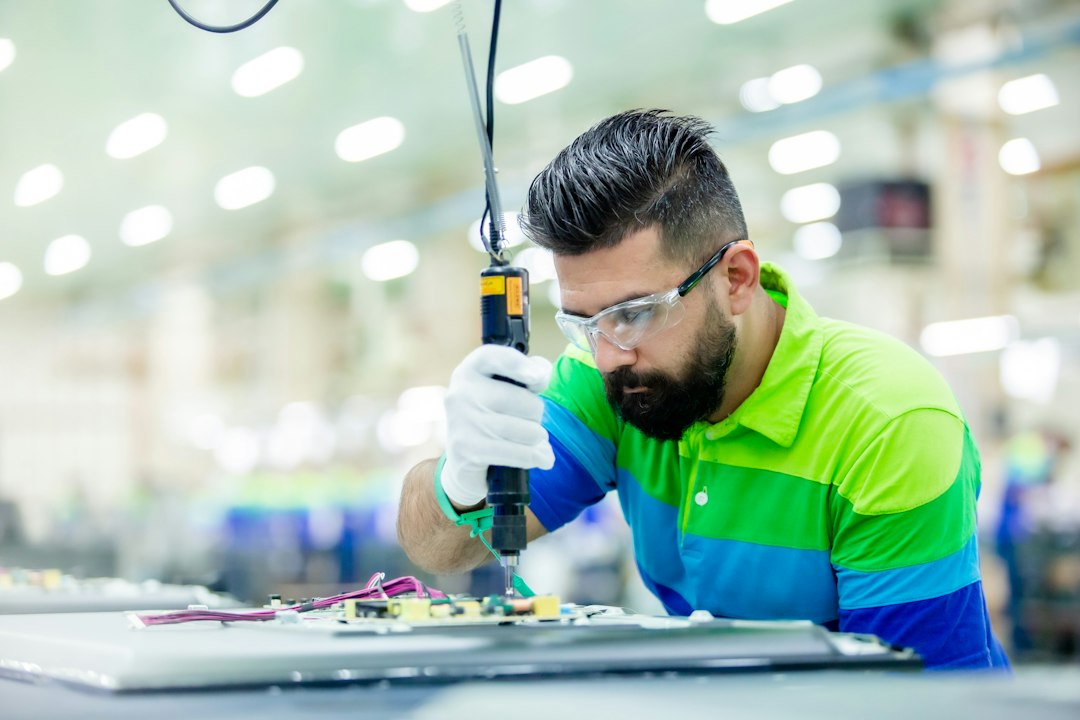
Global Sources is strong in categories like consumer electronics, smart devices, gifts, home products, fashion accessories, and mobile tech. It has long been tied to trade shows and export-focused suppliers, which gives it a more curated feel than huge open marketplaces.
Wholesale buyers who care about supplier quality may like this approach. Global Sources can be helpful when sourcing products where compliance matters, such as chargers, wearables, LED items, audio products, and electronic accessories. Buyers can use it to find exporters that already understand overseas buyers and retail packaging needs.
Its weakness is volume. Product range may feel smaller than Alibaba.com. Prices may also look less aggressive at first. But fewer random listings can save time for buyers who prefer a cleaner supplier pool.
Which App Is Best for Different Buyers?
- First-time importers: Alibaba.com App is usually the easiest place to begin.
- Amazon and Shopify sellers: Alibaba.com works well for private label testing, while Global Sources helps with more polished consumer products.
- Industrial buyers: Made-in-China.com is often the better fit.
- Electronics buyers: Global Sources should be on the shortlist.
- Price-focused buyers: Alibaba.com usually gives the widest quote range.
How Buyers Should Use All Three
A smart buyer should not treat these apps as rivals only. They work better as a sourcing stack. The buyer can start on Alibaba.com to learn market prices. Then they can check Made-in-China.com for factory depth. After that, they can review Global Sources for suppliers that serve export-heavy markets.
A simple workflow works well:
- Search Alibaba.com for broad product ideas and price ranges.
- Use Made-in-China.com to verify factory-style suppliers and technical specs.
- Check Global Sources for curated exporters and electronics categories.
- Request samples from 3 to 5 suppliers, not just one.
- Compare landed cost, not just unit price.
Expect to waste time on suppliers who reply with half answers. It happens. Good buyers push for clear quotes, videos, sample photos, business licenses, compliance documents, and written production timelines.

Final Verdict
Alibaba.com App wins for speed and selection. Made-in-China.com wins for factory research and industrial sourcing. Global Sources wins for curated exporter discovery, especially in electronics and consumer goods. The safest choice is not picking one app. It is comparing suppliers across all three before sending real money.
FAQ
Which app is best for beginners?
Alibaba.com App is usually best for beginners because it has more products, faster search, buyer tools, and easier messaging.
Is Made-in-China.com only for Chinese suppliers?
It mainly focuses on China-based manufacturers and exporters. It is useful for buyers who want factory-style sourcing and product specifications.
Is Global Sources better than Alibaba.com?
It depends on the product. Global Sources can be better for electronics and curated suppliers. Alibaba.com is better for broad product discovery and more quote options.
Should wholesale buyers trust supplier badges?
Badges help, but they are not enough. Buyers should still request samples, certificates, trade references, factory videos, and third-party inspections.
Which platform has the lowest prices?
Alibaba.com often shows the widest price range. Still, the lowest unit price can become expensive after shipping, duties, defects, and delays.