When shoppers need a new or used vehicle, they rarely begin by walking onto a lot. They begin with a search: “best SUV near me,” “used Toyota Camry under 20000,” “Ford dealer open Sunday,” or “how much is my trade worth?” Automotive SEO marketing helps your dealership appear at those exact moments, turning organic search visibility into phone calls, form fills, showroom visits, and sales.
TLDR: Automotive SEO is the process of improving your dealership’s visibility in unpaid search results so more local buyers find you. It works by optimizing your website, vehicle pages, Google Business Profile, local listings, reviews, and helpful content. A strong SEO strategy reduces dependence on paid ads, builds long-term trust, and brings in shoppers who are actively researching or ready to buy.
Why Organic Search Matters for Dealerships
Paid ads can generate quick traffic, but once the budget stops, so does the visibility. Organic search is different. With the right strategy, your dealership can continue attracting qualified buyers day after day without paying for every click.
Search engines are often the bridge between online research and real-world action. A buyer may compare models on their phone, check inventory at lunch, read reviews in the evening, and book a test drive the next morning. If your dealership is present throughout that journey, you become a familiar and trusted option before the customer ever speaks with your sales team.
That is the real value of automotive SEO: it does not simply drive traffic. It builds confidence, answers questions, and positions your dealership as the best local choice.

Start with Local SEO
For dealerships, local intent is everything. Most customers want to know which nearby dealer has the right vehicle, fair pricing, strong reviews, and convenient service options. That makes local SEO one of the most important parts of your marketing plan.
Your Google Business Profile should be complete, accurate, and actively maintained. Make sure your dealership name, address, phone number, business hours, website link, departments, services, and photos are current. Add categories that match your business, such as new car dealer, used car dealer, auto repair shop, or specific brand dealership when applicable.
Local SEO also depends on consistency. Your dealership information should match across directories, map platforms, review sites, social profiles, and automotive listings. Even small inconsistencies can create confusion for search engines and customers.
- Keep hours updated, especially during holidays and special sales events.
- Upload real photos of your lot, showroom, service center, staff, and inventory.
- Respond to reviews professionally, whether they are positive or negative.
- Use local keywords naturally, such as your city, neighborhood, region, and nearby towns.
Optimize Vehicle Inventory Pages
Your inventory pages are often the highest-converting pages on your site. These pages should be fast, easy to filter, and optimized for search engines as well as shoppers. A generic vehicle page with minimal information will struggle to rank and convert. A detailed, useful page has a much better chance.
Each vehicle detail page should include important information such as make, model, year, trim, mileage, price, drivetrain, fuel type, features, VIN, condition, and high-quality images. If possible, include unique descriptions instead of relying only on manufacturer or feed-generated text. Search engines reward pages that offer helpful, original information.
Use page titles and meta descriptions that match what buyers are searching for. For example, a page title like “Used 2021 Honda CR-V EX for Sale in Austin, TX” is far more search-friendly than “Vehicle Details.”
Create Content for Every Stage of the Buying Journey
Not every searcher is ready to buy today. Some are comparing models, exploring financing, researching safety features, or wondering whether to lease or purchase. Content marketing allows your dealership to reach customers earlier in the decision-making process.
Useful automotive content can include:
- Model comparisons, such as “Honda Accord vs. Toyota Camry.”
- Buying guides, such as “Best Used SUVs for Families.”
- Financing explainers, such as “How Auto Loan Pre-Approval Works.”
- Trade-in articles, such as “How to Increase Your Car’s Trade-In Value.”
- Service content, such as “When to Replace Brake Pads.”
- Local pages, such as “Used Trucks for Sale Near Denver.”
This type of content helps your dealership rank for more searches while also proving expertise. When shoppers get clear answers from your website, they are more likely to trust your team when it is time to make a decision.
Reviews Are an SEO Asset
Reviews influence both search visibility and buyer confidence. A dealership with strong ratings, recent reviews, and thoughtful responses has a clear advantage over competitors with outdated or poor feedback.
Encourage happy customers to leave reviews after purchases, service appointments, and positive interactions. Make the process simple by sending a direct review link. Do not pressure customers or offer incentives that violate platform guidelines. Instead, build review requests into your normal follow-up process.
Responding matters too. A simple thank-you shows appreciation, while a calm, professional response to criticism demonstrates accountability. Future customers often read how a business handles problems before deciding whether to trust it.
Technical SEO Keeps Your Site Competitive
A beautiful dealership website will not perform well if it is slow, confusing, or difficult for search engines to crawl. Technical SEO ensures your site works properly behind the scenes.
Pay close attention to mobile performance. Many automotive searches happen on smartphones, especially local searches like “dealer near me” or “oil change appointment.” Your pages should load quickly, forms should be easy to complete, and tap-to-call buttons should work correctly.
Other technical priorities include:
- Fast page speed across inventory, service, and finance pages.
- Clean site structure with logical navigation and internal links.
- Schema markup for vehicles, reviews, business details, and FAQs.
- Secure browsing with HTTPS enabled across the site.
- Indexable pages so search engines can access important content.
If users get frustrated by slow pages or broken filters, they may leave for a competitor. Search engines notice that behavior, too.
SEO and Paid Advertising Work Better Together
Automotive SEO does not have to replace paid search. In many cases, the best strategy uses both. Paid ads can promote short-term offers, seasonal sales, or urgent inventory pushes. SEO builds a long-term foundation that keeps generating traffic between campaigns.
Organic data can also improve advertising. If certain model pages or blog posts attract strong organic traffic, those topics may be worth supporting with paid campaigns. Likewise, paid search data can reveal high-converting keywords that should be targeted with SEO content.
The goal is not to choose one channel over the other. The goal is to create a marketing system that reduces waste, increases visibility, and makes the dealership easier to find at every stage of the customer journey.
Measure What Actually Matters
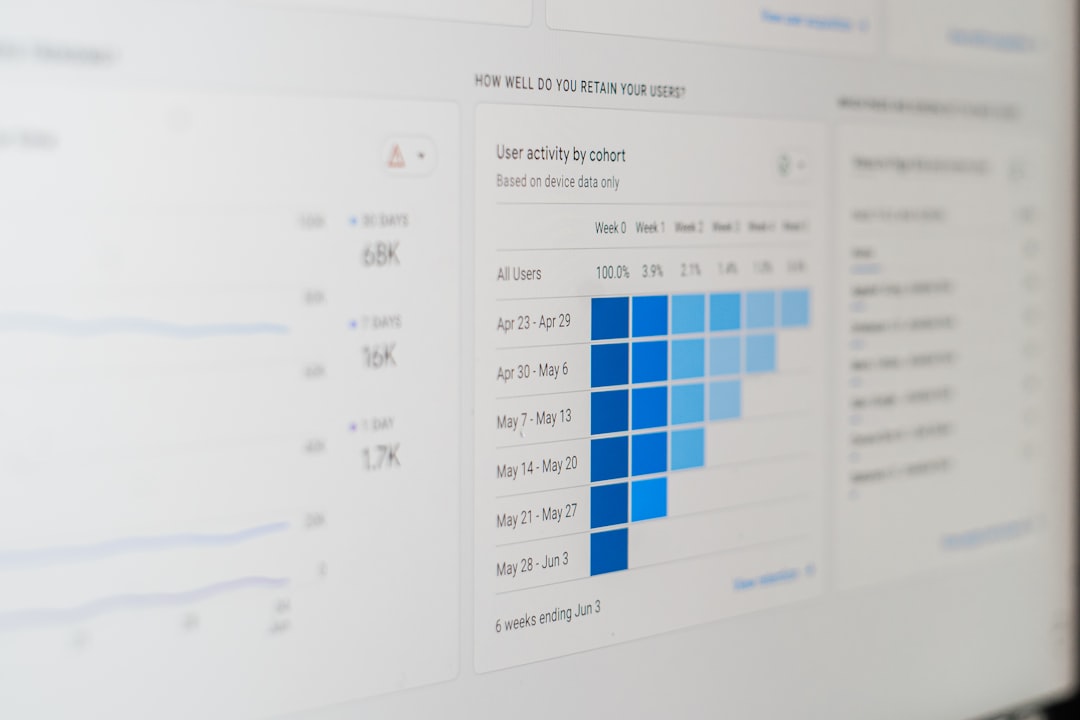
Ranking on page one is useful, but it is not the final goal. Your dealership should track SEO performance based on business outcomes. Look beyond traffic and focus on leads, calls, appointment bookings, map directions, inventory views, finance applications, trade-in form submissions, and completed service requests.
Important metrics include:
- Organic traffic growth to inventory, service, finance, and location pages.
- Keyword visibility for local and model-specific searches.
- Conversion rate from organic visitors.
- Phone calls and form submissions generated by search traffic.
- Google Business Profile actions, including calls, clicks, and direction requests.
SEO takes time, but it should show steady progress. If rankings improve but leads do not, your site may need better calls to action, stronger page content, clearer pricing, or a smoother user experience.
Final Thoughts
Automotive SEO marketing is not a one-time project. It is an ongoing strategy that connects your dealership with buyers when they are searching, comparing, and ready to act. By improving local visibility, optimizing inventory pages, creating useful content, earning reviews, and maintaining a technically strong website, your dealership can build a dependable source of qualified organic traffic.
In a competitive market, shoppers have more choices than ever. The dealerships that win are the ones that show up with helpful answers, trustworthy information, and a smooth online experience. Investing in organic search helps your dealership become that choice—not just for today’s buyer, but for every customer who starts their next vehicle search online.