Social media and SEO have been linked in marketers’ minds for years, and for good reason: both are about visibility, trust, traffic, and audience demand. But the big question remains: do social signals directly help rankings? The short answer is more nuanced than a simple yes or no.
TLDR: Social signals such as likes, shares, comments, and follower counts are generally not confirmed direct ranking factors for Google. However, social media can strongly support SEO by increasing content visibility, attracting backlinks, driving branded searches, and helping pages get discovered faster. In practice, social media is best used as an SEO amplifier, not a replacement for technical SEO, quality content, and link building.
What Are Social Signals?
Social signals are engagement metrics that come from social media platforms. These include shares, likes, comments, reposts, saves, mentions, profile visits, and sometimes even follower growth. They show that people are interacting with your content, brand, or website across social networks.
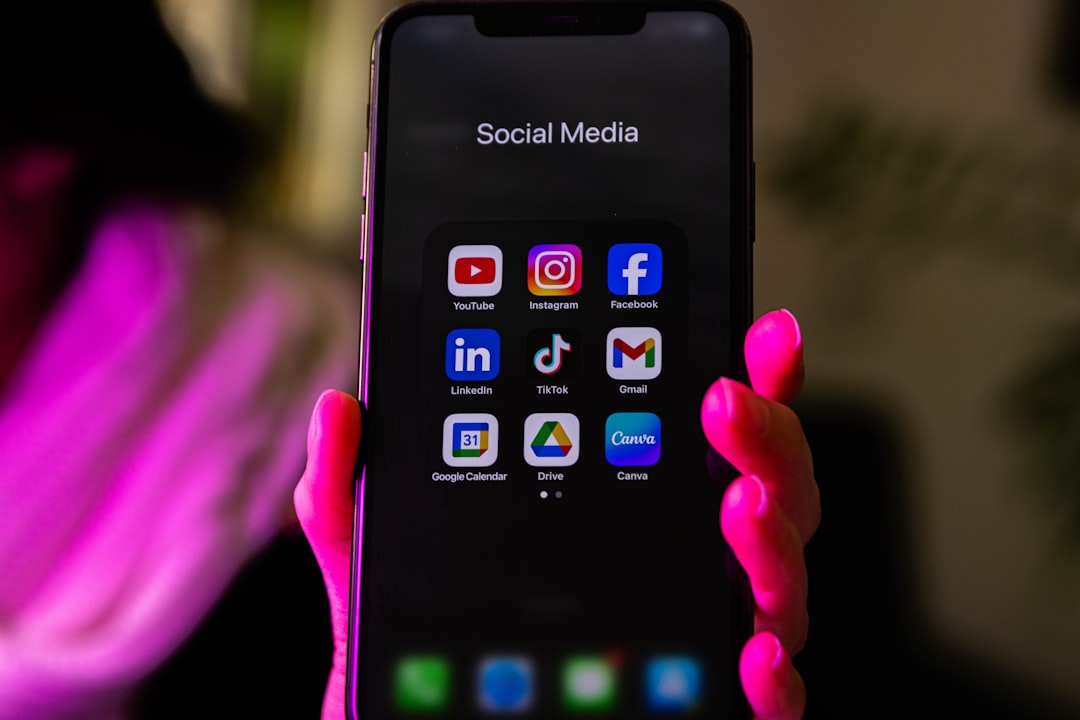
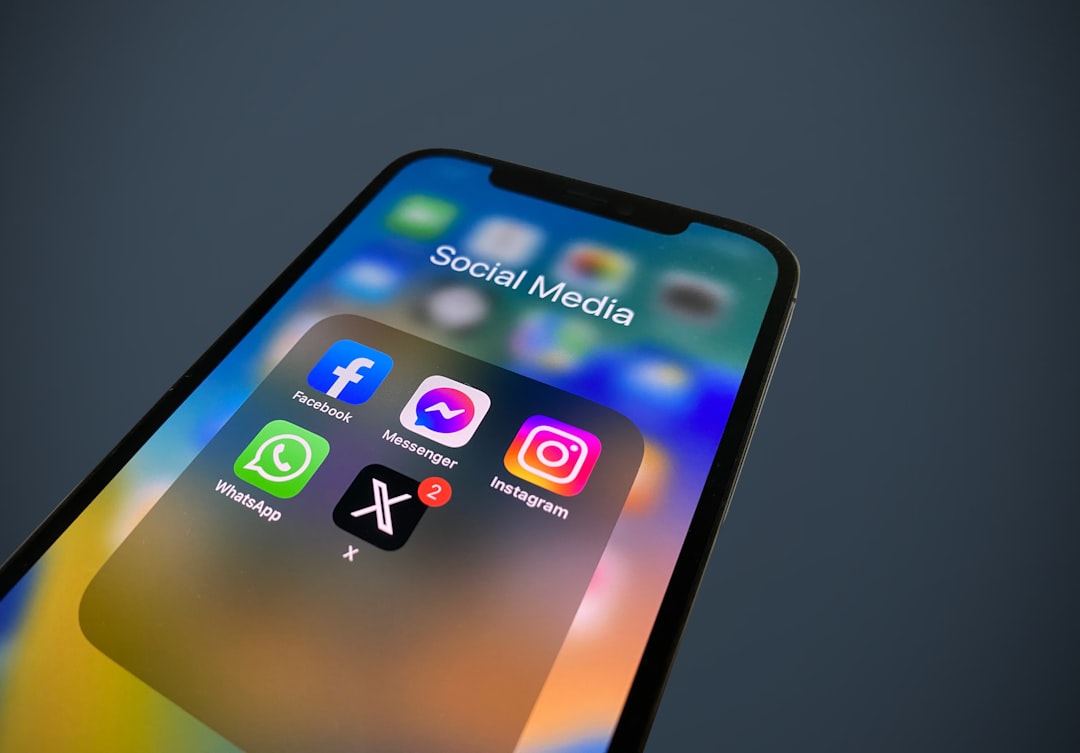
Common platforms that generate social signals include:
- Facebook for community sharing, local visibility, and discussion.
- X for fast content distribution, news, and thought leadership.
- LinkedIn for B2B visibility, expert content, and professional trust.
- Instagram for visual discovery and brand awareness.
- TikTok for viral reach, product discovery, and short-form education.
- Pinterest for evergreen discovery, shopping inspiration, and referral traffic.
- YouTube for video search, tutorials, reviews, and long-term visibility.
These signals are valuable because they reflect audience interest. But whether they directly influence search engine rankings is where the debate begins.
Do Social Signals Directly Affect Google Rankings?
Google has repeatedly indicated that social signals are not used as direct ranking factors in the same way as backlinks, content relevance, page experience, or crawlability. In other words, a page does not automatically rank higher just because it receives 10,000 likes or 500 shares.
There are practical reasons for this. Social platforms often restrict data access, engagement numbers can be manipulated, and not every social post is crawlable or public. Search engines need reliable, consistent signals, and social data can be noisy.
However, this does not mean social media has no SEO value. The important distinction is between direct and indirect impact. Social likes may not directly push a URL upward in search results, but the increased visibility from social sharing can create conditions that improve SEO performance.
How Social Media Helps SEO Indirectly
Social media can influence SEO through several powerful, indirect pathways. These are often more important than the raw number of likes or shares.
1. More Visibility Can Lead to More Backlinks
Backlinks remain one of the most important SEO signals. When your content performs well on social media, more people see it. Among those viewers may be bloggers, journalists, business owners, podcasters, or website editors who choose to link to it.
For example, a well-researched LinkedIn post summarizing an industry report might be shared by professionals. If a writer later references that report in an article and links to your website, the SEO value comes from the backlink, not the original social engagement.
2. Social Media Drives Referral Traffic
Traffic from social media does not automatically improve rankings, but it can expose your content to interested readers. If those visitors engage with your website, sign up for your newsletter, return later, or share your content elsewhere, the long-term benefits can be significant.
Traffic also helps you learn what topics resonate. A post that performs well on social media may be worth expanding into a blog article, landing page, video, or downloadable guide.
3. Social Platforms Build Brand Awareness
SEO is not only about ranking for generic keywords. It is also about becoming the brand people search for by name. If users repeatedly see your brand on TikTok, LinkedIn, Instagram, or YouTube, they may later search for your company directly on Google.
Branded search demand can be a powerful indicator of recognition and trust. A company that receives more branded searches may earn more clicks, more engagement, and more authority over time.

4. Social Media Helps Content Get Discovered
Search engines discover content through links, sitemaps, internal navigation, and other crawl paths. Social media is not the main method Google uses to index pages, but sharing a new article socially can help people find it quickly. Those people may then link to it, mention it, bookmark it, or share it on platforms that are easier for search engines to access.
This is especially useful for new websites that do not yet have strong domain authority or a large backlink profile.
Which Social Media Sites Are Best for SEO Support?
Different social platforms support SEO in different ways. The best choice depends on your audience, industry, and content format.
- YouTube: Excellent for search visibility because YouTube itself is a search engine. Videos can rank in Google results, especially for tutorials, reviews, and demonstrations.
- LinkedIn: Strong for B2B brands, consultants, software companies, recruiters, and professional services. Thought leadership posts can attract links and mentions.
- Pinterest: Valuable for lifestyle, fashion, food, home, travel, and ecommerce content. Pins can drive traffic for months or even years.
- Facebook: Useful for local businesses, groups, events, and communities where discussion matters.
- Instagram: Best for visual branding, product discovery, and audience trust, though link opportunities are more limited.
- TikTok: Powerful for rapid awareness and discovery, especially among younger audiences. Viral content can increase demand for your brand or products.
- X: Useful for news, commentary, public relations, and real-time conversations that may attract journalists or niche experts.
How to Use Social Media for Better SEO Results
To make social media work alongside SEO, focus on strategy rather than vanity metrics. A large number of likes is nice, but it is not the final goal. The goal is to create content that earns attention, trust, clicks, mentions, and links.
- Promote your best content repeatedly. Do not share a blog post once and forget it. Repurpose it into short posts, carousels, videos, threads, and quote graphics.
- Make your content link-worthy. Original research, statistics, templates, expert interviews, and strong opinions are more likely to earn backlinks.
- Optimize social profiles. Use consistent branding, clear descriptions, relevant keywords, and links to important website pages.
- Encourage sharing naturally. Add useful visuals, memorable takeaways, and simple explanations that people want to pass along.
- Build relationships. Engage with journalists, creators, industry experts, and customers. SEO benefits often come from real human connections.
- Track meaningful metrics. Watch referral traffic, assisted conversions, backlinks, branded searches, and content engagement, not just likes.

Common Misconceptions About Social Signals
One common myth is that buying likes or followers will improve SEO. It will not. Fake engagement rarely produces real traffic, backlinks, or trust. In some cases, it can even damage brand credibility.
Another misconception is that every social platform works the same way. A viral TikTok may create awareness, while a YouTube tutorial may rank in search for years. A LinkedIn article may attract industry links, while a Pinterest pin may generate long-term ecommerce traffic. Each platform has a different role.
Finally, some marketers assume that social media can compensate for weak website SEO. It cannot. If your site is slow, poorly structured, thin on content, or difficult to crawl, social activity alone will not solve the problem.
The Bottom Line
Social signals may not be direct ranking factors, but social media can still play an important role in SEO success. It helps your content travel farther, reach people who may link to it, increase brand recognition, and generate demand that search engines can indirectly reflect.
The smartest approach is to treat social media and SEO as connected parts of the same visibility strategy. Create genuinely useful content, optimize it for search, distribute it through the right social platforms, and give people reasons to talk about it. Rankings may not rise because of likes alone, but the attention those likes create can absolutely open the door to better SEO results.