Successful App Store Optimization begins with choosing the right keywords. For an app to appear in relevant searches, its metadata must match the language real users type when looking for a solution. Strong ASO keyword research helps app teams understand demand, competition, user intent, and positioning before they publish or update an app listing.
TLDR: App Store keyword research is the process of finding search terms that are relevant, popular, and realistic for an app to rank for. The best keyword strategy balances search volume, competition, and user intent. App marketers should study competitors, use keyword tools, test metadata carefully, and update keywords regularly based on performance data.
Why Keywords Matter in App Store Optimization
Keywords help app stores understand what an app does and when it should be displayed in search results. When a potential user searches for terms such as “budget planner,” “photo editor,” or “fitness tracker,” the app store algorithm compares that query with app titles, subtitles, keyword fields, descriptions, categories, and other ranking signals.
For many apps, search is one of the strongest sources of organic downloads. A well-researched keyword strategy can increase impressions, improve conversion opportunities, and reduce dependence on paid advertising. However, choosing keywords is not simply about selecting popular phrases. The strongest keywords connect relevance, discoverability, and conversion potential.

Understanding Keyword Intent
Before selecting keywords, app teams should identify what users actually want when they search. This is known as search intent. In ASO, intent often falls into several categories:
- Problem based intent: The user wants to solve a problem, such as “sleep sounds” or “expense tracker.”
- Feature based intent: The user searches for a specific function, such as “PDF scanner” or “video captions.”
- Audience based intent: The query includes a target group, such as “math games for kids” or “workouts for women.”
- Brand based intent: The user searches for a known app or company name.
- Category intent: The user searches broadly, such as “meditation app” or “language learning.”
Keywords with clear intent often lead to better conversion because users already know what they need. A smaller keyword with strong intent may outperform a broad, high-volume keyword if it attracts more qualified users.
Starting With a Seed Keyword List
The research process usually begins with a list of seed keywords. These are basic words and phrases that describe the app’s core purpose. For example, a meal planning app might begin with terms such as “meal planner,” “grocery list,” “recipes,” “diet plan,” and “weekly meals.”
From there, app marketers can expand the list by thinking in several directions:
- Core features: What does the app help users do?
- User benefits: What outcome does the user expect?
- Common synonyms: What alternative words describe the same function?
- Use cases: When and why would someone need the app?
- Competitor language: Which terms appear in competing app listings?
This early list does not have to be perfect. Its purpose is to create a research foundation that can later be filtered and prioritized.
Analyzing Search Volume and Competition
After building a keyword list, app teams should evaluate each keyword based on search volume and competition. Search volume indicates how often users search for a keyword. Competition reflects how difficult it may be to rank for that term.
High-volume keywords can look attractive, but they are often dominated by established apps with strong ratings, download history, and brand recognition. New or smaller apps may gain better traction by targeting medium-volume or long-tail keywords. A long-tail keyword is usually more specific, such as “home workout for beginners” instead of “fitness.”
A balanced keyword plan often includes:
- Primary keywords: Highly relevant terms that define the app’s main purpose.
- Secondary keywords: Supporting terms related to features, audiences, or use cases.
- Long-tail keywords: More specific phrases with clearer intent and often lower competition.
- Opportunity keywords: Terms with reasonable search demand and weaker competitor coverage.

Studying Competitor Keywords
Competitor analysis is an important part of ASO keyword research. By reviewing similar apps, marketers can discover which words are commonly used in titles, subtitles, descriptions, screenshots, and reviews. This helps reveal both crowded keyword spaces and areas where competitors may be weak.
Competitor research should not lead to copying. Instead, it should help an app team understand market language. If multiple successful apps use terms such as “habit tracker,” “daily goals,” or “routine planner,” those phrases may reflect how users naturally search. At the same time, gaps in competitor metadata can reveal keyword opportunities.
Reviews are especially useful because they contain the voice of real users. Phrases such as “easy to use,” “helps me focus,” or “tracks my spending” can inspire keyword ideas and messaging that feels natural rather than forced.
Choosing Keywords for App Metadata
Keyword placement matters. The most important metadata fields vary by platform, but app names, subtitles, keyword fields, and descriptions all play a role in discoverability and conversion.
For Apple’s App Store, the app name, subtitle, and keyword field are especially important. The keyword field has limited space, so every character should be used carefully. Repeating the same word often wastes valuable room because the algorithm can combine terms from different metadata fields.
For Google Play, keywords are drawn more heavily from the title, short description, and long description. However, keyword stuffing can harm readability and may reduce conversions. A natural, benefit-focused description usually performs better than a list of repeated terms.
Effective metadata follows several principles:
- Relevance first: Keywords should accurately reflect the app’s purpose.
- Clarity matters: Users should immediately understand the app’s value.
- No unnecessary repetition: Space should be saved for unique, useful terms.
- Conversion support: Metadata should persuade users, not only attract algorithms.
Balancing Ranking Potential and Conversion
A keyword can generate impressions without producing downloads. This happens when the app ranks for a term that does not match user expectations. For example, a simple note app may receive impressions from the keyword “project management,” but users searching that phrase may expect advanced collaboration tools. In that case, visibility may not translate into installs.
The strongest ASO strategies consider both ranking and conversion. A keyword should help the app appear in search results and attract users who are likely to install. App marketers should evaluate whether screenshots, ratings, icon design, and app messaging support the keywords being targeted.
Testing and Updating Keywords Over Time
ASO keyword research is not a one-time task. Search behavior changes, competitors update their listings, seasonal trends appear, and app features evolve. Keywords that perform well during one period may become less effective later.
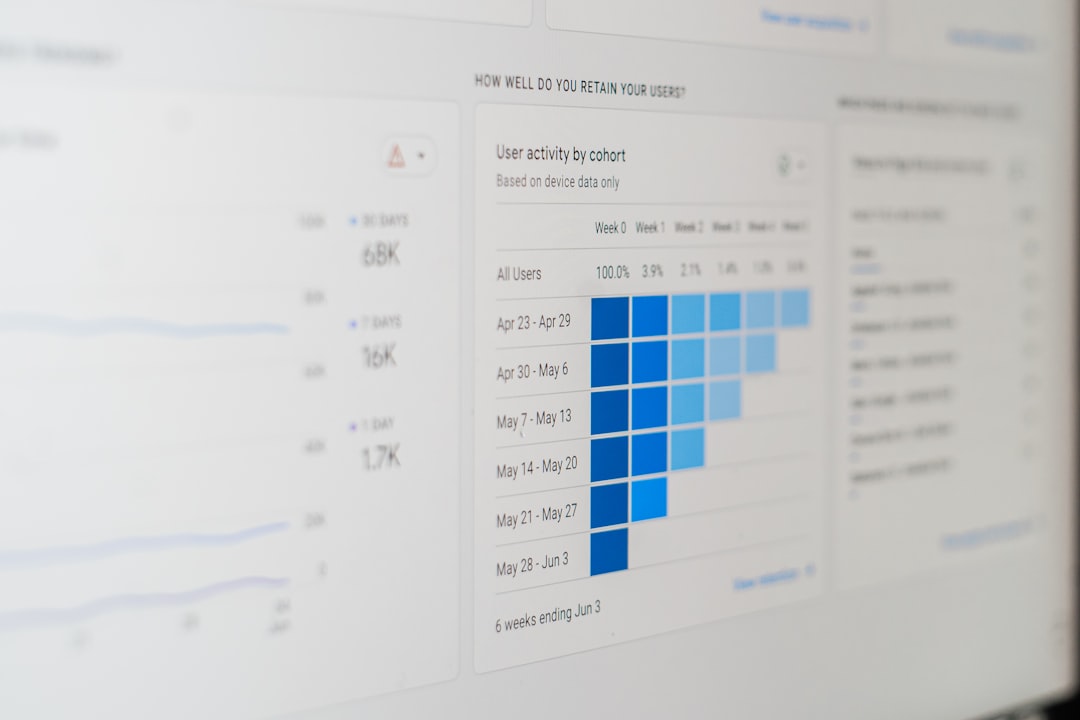
App teams should monitor metrics such as impressions, keyword rankings, product page views, conversion rate, and downloads. If a keyword brings impressions but weak conversions, the app listing may need better visual messaging or a different keyword focus. If a keyword does not rank at all, it may be too competitive or not relevant enough.
Regular keyword updates allow an app to improve gradually. A common approach is to test a focused set of changes, wait long enough to collect data, and then compare performance. Frequent random changes can make results difficult to interpret, so updates should be deliberate and measurable.
Common ASO Keyword Mistakes
Many app listings struggle because they target keywords without a clear strategy. Some of the most common mistakes include:
- Targeting only high-volume terms: Popular keywords are often too competitive for newer apps.
- Ignoring user intent: Broad visibility is less valuable if users do not install.
- Keyword stuffing: Repeating terms unnaturally can make a listing look untrustworthy.
- Neglecting localization: Keywords should reflect language, culture, and regional search habits.
- Failing to measure results: Without tracking, it is difficult to know which keywords work.
FAQ
What is ASO keyword research?
ASO keyword research is the process of finding and selecting search terms that help an app appear in relevant app store searches. It involves analyzing relevance, search volume, competition, and user intent.
How many keywords should an app target?
An app should target a focused group of primary and secondary keywords rather than trying to rank for everything. The exact number depends on the platform, metadata limits, category, and app maturity.
Are long-tail keywords useful for ASO?
Yes. Long-tail keywords are often less competitive and more specific. They can attract users with clearer intent, which may improve conversion rates.
How often should app keywords be updated?
Keywords should be reviewed regularly, especially after major app updates, market changes, or performance shifts. Many app teams evaluate keyword performance every few weeks or months.
Should competitor brand names be used as keywords?
Using competitor brand names can be risky and may violate platform rules or create legal concerns. App teams should focus on descriptive, relevant terms that accurately represent their own app.