Start with a small offer, a clear customer, and one simple sales channel before you build anything fancy. Online business is not “easy money,” but the market is real: U.S. retail e-commerce sales reached an estimated $1.12 trillion in 2023, according to the U.S. Census Bureau [source: U.S. Census Bureau]. Your job is to pick a model, prove people want it, and turn that demand into repeatable sales.
TLDR: Choose a business model that fits your skills, budget, and available time. Build a simple website with one clear offer, one checkout path, and one email capture form. For example, a solo fitness coach could sell a $49 beginner meal plan, spend $150 on ads, and aim for 10 sales to test demand before creating a full course. If 3% to 5% of visitors join your email list, you have something to improve and scale.
1. Pick a business model you can actually run
Do not start with a logo. Start with the way you will make money. The most common online business models include:
- E-commerce: Sell physical products, such as skincare, art prints, or pet accessories.
- Digital products: Sell templates, ebooks, courses, presets, or guides.
- Services: Offer writing, design, coaching, consulting, bookkeeping, or tech support.
- Subscriptions: Charge monthly for content, tools, coaching, or curated products.
- Affiliate marketing: Promote other products and earn a commission.
Pick one that matches your strengths. If you hate shipping boxes, do not open a product store. If you enjoy teaching, a digital guide or short course may fit better.
2. Find a painful problem, not just a “cool idea”
A business works when it solves a problem people already care about. Ask simple questions. What do people complain about? What do they search for? What do they pay others to fix?
Use Reddit, TikTok comments, Amazon reviews, Facebook groups, and Google search suggestions. Look for repeated pain. If 40 people say a planner is “too complicated,” that is a clue. If buyers keep asking for a vegan version, that is another clue.
The catch is, research feels boring when you want to start building. But skipping it is how people spend three months making something nobody wants.
3. Define your customer in plain language
Do not say “my product is for everyone.” That usually means it is for no one. Be specific.
Try this format:
- Who: New freelance designers
- Problem: They struggle to price client projects
- Offer: A pricing calculator and proposal template
- Result: They send quotes faster and stop undercharging
This helps with your website, ads, emails, and product pages. Clear beats clever.
4. Test the offer before building the full product
Create a simple landing page before you invest weeks of work. Explain the problem, show the offer, list the benefits, and add a button that says Join the waitlist or Pre-order now.
If nobody clicks, changes are needed. Maybe the promise is weak. Maybe the price is wrong. Maybe the audience is off. That feedback is useful. It saves money.
You can also test with a small batch. Sell 20 handmade candles. Coach five clients. Release one paid workshop. Real buyers teach you faster than surveys.
5. Build a simple website that sells
Your first website does not need 15 pages. It needs to answer four questions fast:
- What is this?
- Who is it for?
- Why should I trust you?
- How do I buy or sign up?
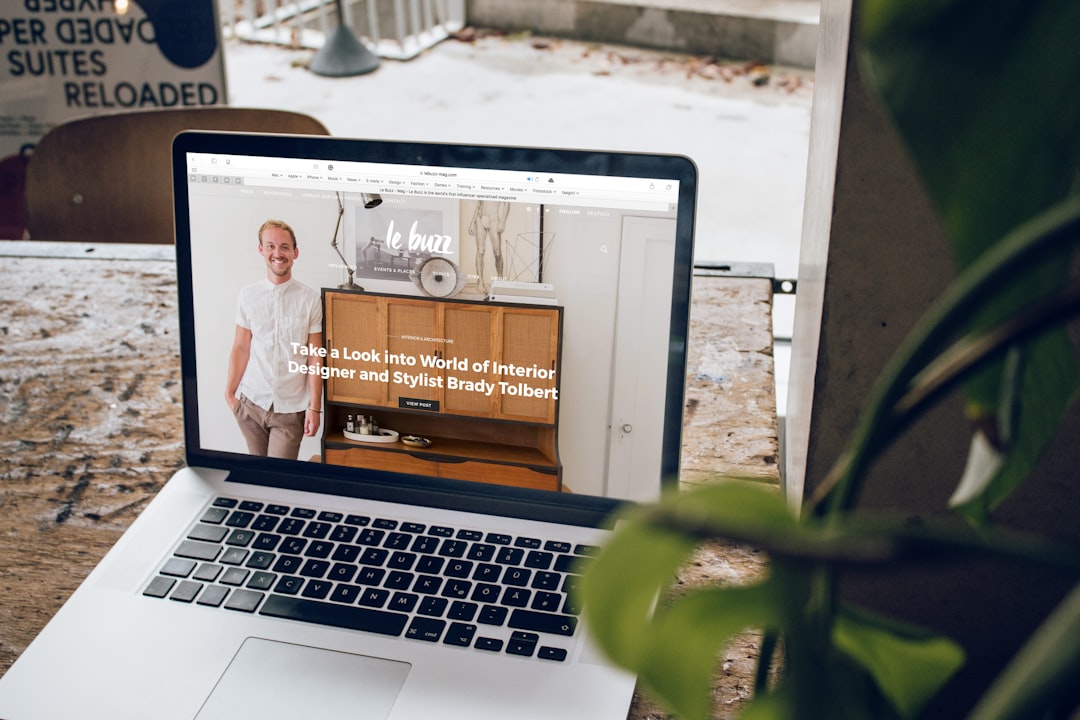
Use a homepage, product or service page, about page, contact page, and checkout or booking page. Add clear buttons. Use short headlines. Show real photos when possible.
Honestly, it feels like some website builders hide basic settings just to make your day worse. Expect to waste 20 minutes finding where to edit a mobile button or checkout email. Still, simple is better than perfect. Launch, then fix.

6. Set up payments, email, and basic tracking
Install the boring stuff early. You need a payment processor, email tool, analytics, and legal basics such as terms, privacy policy, and refund rules.
- Payments: Use a trusted checkout tool that supports cards and digital wallets.
- Email: Collect emails from day one. Social followers are rented attention.
- Analytics: Track visitors, sales, top pages, and email signups.
- Support: Create one inbox for customer questions.
Watch a few numbers each week: visitors, conversion rate, average order value, refund rate, and repeat purchases. If 1,000 people visit and 10 buy, your conversion rate is 1%. Improving that to 2% doubles sales without doubling traffic.
7. Find customers with one main channel first
Do not try every platform at once. Pick one channel based on where your buyers already spend time.
- Search: Good for products or services people already look for.
- Short video: Good for visual products, tutorials, and personal brands.
- Email: Good for trust, launches, and repeat sales.
- Partnerships: Good for reaching a warm audience fast.
- Paid ads: Good when your offer and website already convert.
Post useful content. Not fluff. Show before and after results. Answer common questions. Compare options. Share mistakes. Demonstrate the product. People buy when they understand the value.

8. Improve one thing at a time
After launch, resist the urge to rebuild everything. Improve in small steps. Test a new headline. Add better product photos. Simplify checkout. Raise or lower a price. Send a better welcome email.
A good online business is usually built through boring repetition. Talk to customers. Read support emails. Notice where people drop off. Fix that spot.
Keep your first goal modest: one offer, one audience, one sales channel, and one clean website. Once that works, add more. That is how an online business becomes real instead of just another unfinished idea sitting in a folder.